

Antique Small Tea Table
An antique small tea table provides a compact surface that once served social rituals and now fits easily beside a modern chair.
Antique Small Tea Table
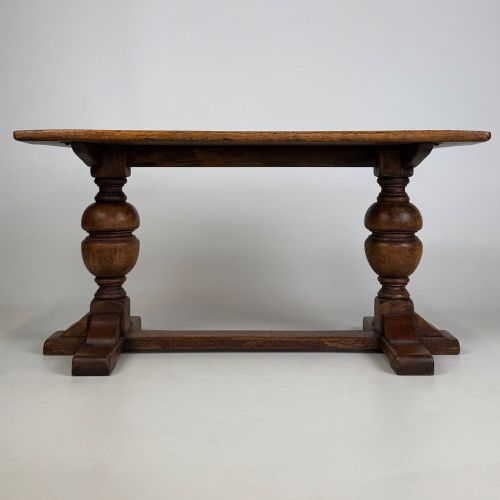
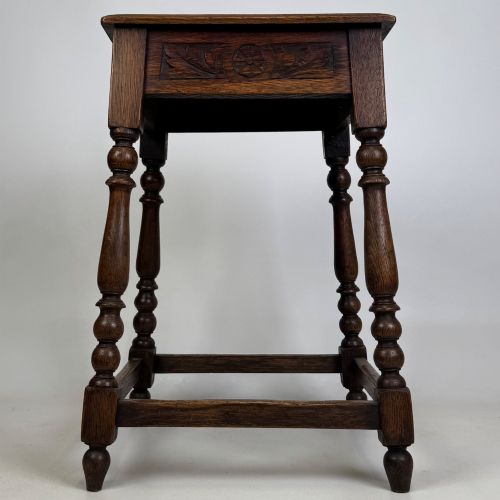
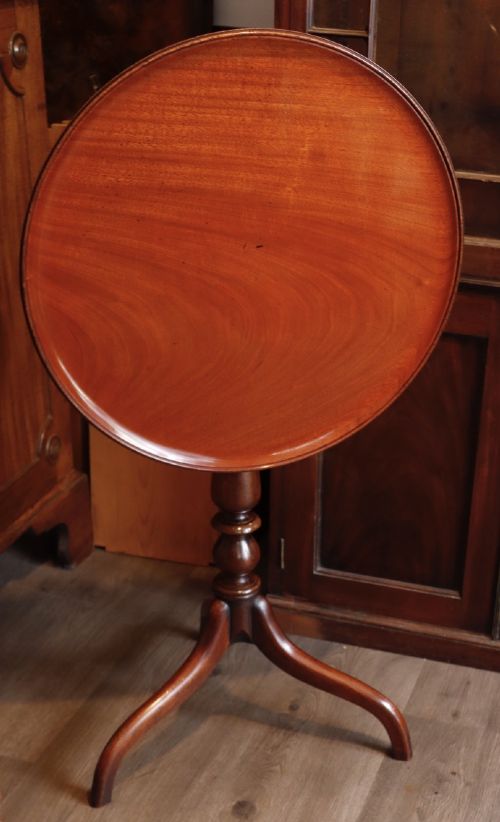
An antique small tea table spans periods from the Georgian era through the Victorian and Edwardian decades, encompassing forms like occasional tables, wine tables, tripod tables, and folding gateleg designs. These pieces were constructed for intimate domestic settings, offering portable surfaces for tea service, cards, or lamps.
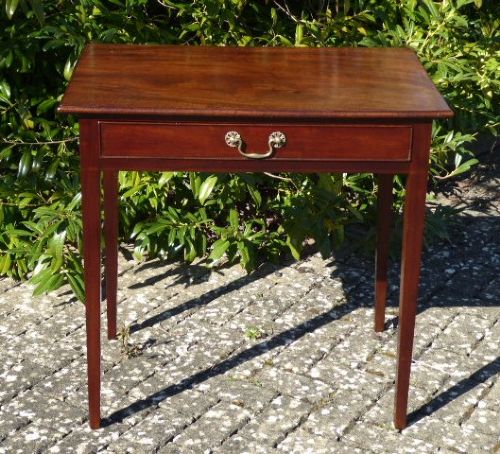
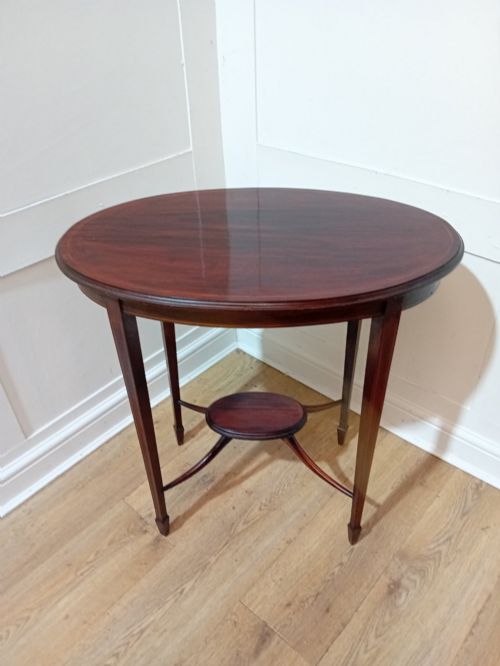
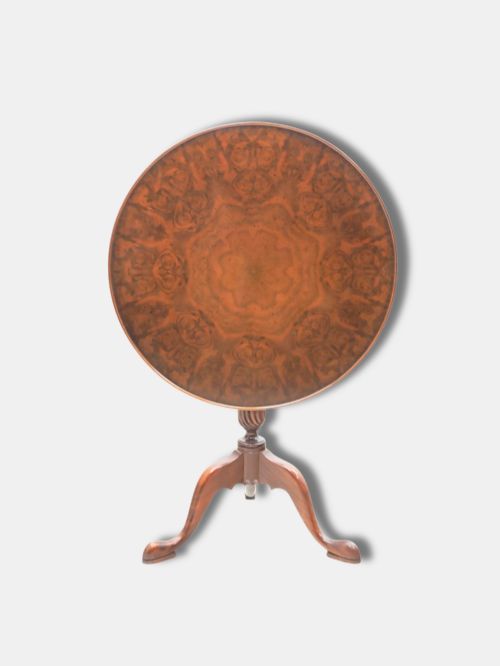
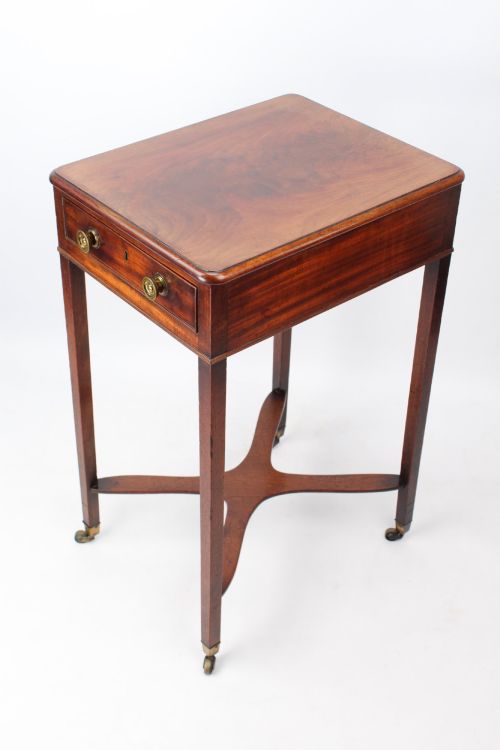
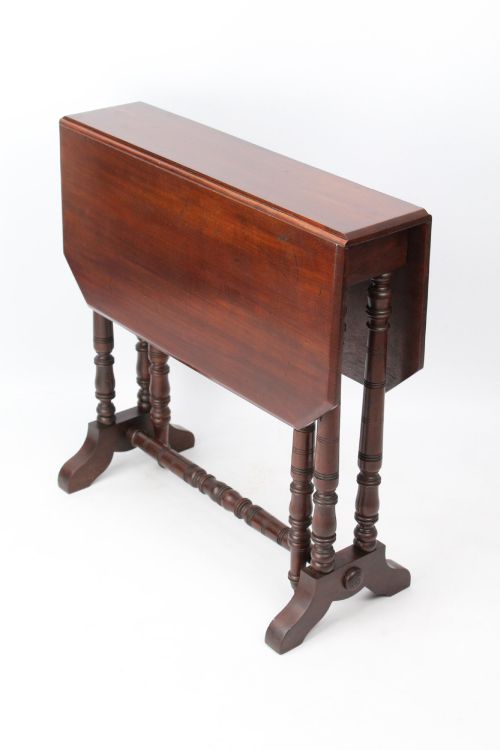
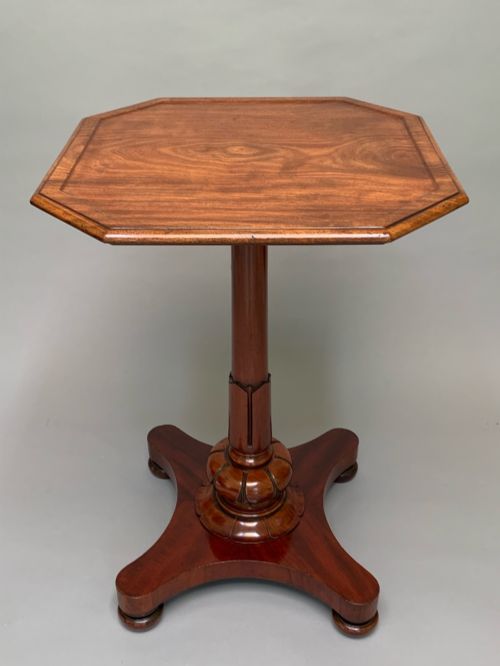
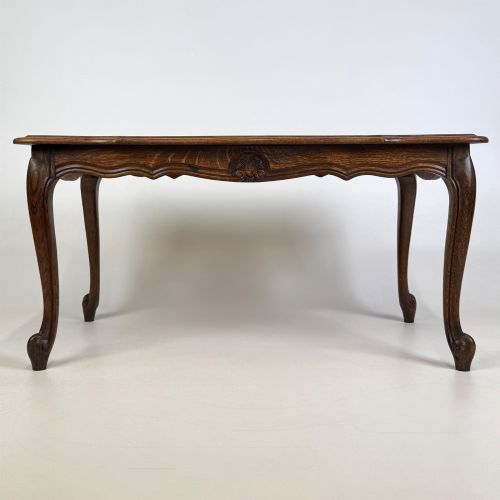
The versions most commonly met on this page are mahogany and oak examples from the Georgian, Victorian, and Edwardian periods, frequently taking the form of tripod pedestals, drop-leaf Sutherland tables, or compact side tables with single drawers.
How they were made
Makers utilised solid timbers and veneers such as mahogany, oak, walnut, and burr walnut, often supported by secondary woods like boxwood for stringing and inlay. Turning, carving, and joinery defined the construction, from barley twist legs and bamboo-turning to precision dovetails within small drawers.
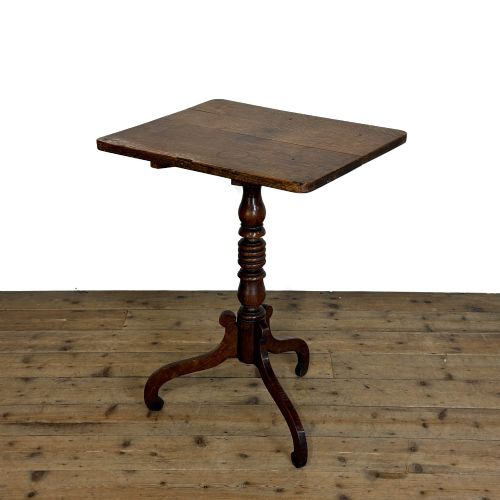
Tilt-top mechanisms relied on clever wooden catches and brass fittings to allow pedestal tables to stow flat against a wall when not in use. Drop-leaf formats employed hinged rule joints to support folding flaps securely under load.
What varies in quality
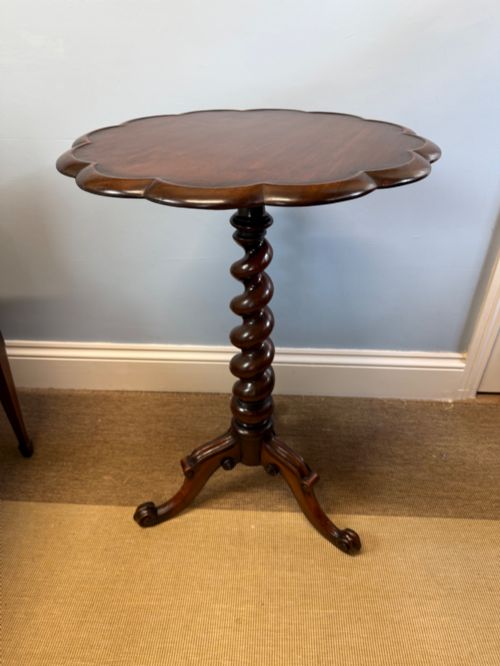
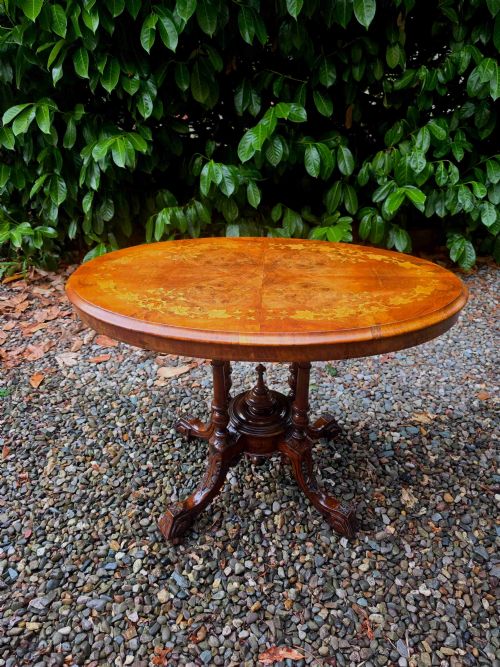
Quality rests in the choice of timber figure, such as richly grained burr walnut or dense Cuban mahogany, and the crispness of hand-carved details like pie-crust rims and tripod legs. Superior examples show careful timber selection where grain patterns match harmoniously across table tops and leaves.
Structural integrity and proportion separate standard utility pieces from finer workshop productions. Refined joinery, well-fitted drawers, and stable pedestal bases distinguish superior craftsmanship from plain commercial output.
The Antique Small Tea Table Glossary
- Tripod table
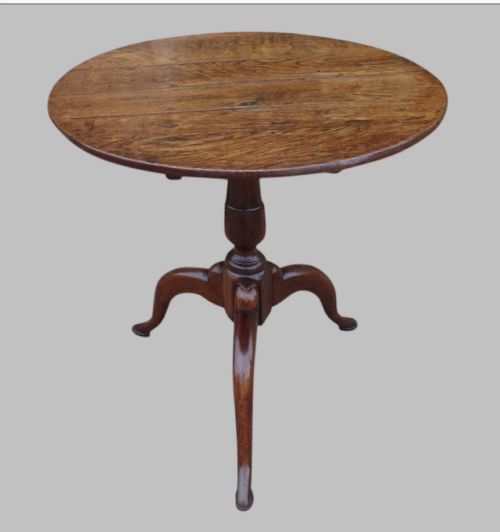
- A small freestanding table supported by a central pillar resting on three spreading legs. These tables often featured tilt-top mechanisms.
- Sutherland table
- A narrow drop-leaf table with exceptionally slender folding flaps supported by swinging gate legs. They fold down into a very compact footprint.
- Gateleg table
- A table with hinged leaves supported by legs that swing outward like a gate. This allows the surface area to expand or contract.
- Tilt-top
- A tabletop mounted on a pivot and catch mechanism that allows the surface to rotate vertically. This saved floor space in smaller period rooms.
- Pie-crust rim
- A decorative raised edge carved or moulded into an undulating circular profile. It often appears on Georgian and Edwardian tripod tables.
Antique Small Tea Table: Frequently Asked Questions
What is an antique small tea table used for today?
These compact tables function well as bedside stands, lamp surfaces, or sofa-side furniture for holding books and drinks. Their small proportions allow them to fit into tight spaces where modern furniture feels too bulky.
Historically designed for social entertaining and afternoon refreshment, their varied heights and folding tops adapt easily to contemporary living rooms and studies.
How do I tell a Georgian tea table from a Victorian one?
Georgian tables tend to show restrained classical proportions, often featuring solid mahogany timbers, simple tripod bases, or gateleg frames with pad feet. Ornamentation is usually subtle, relying on fine wood grain and neat cabinetmaking.
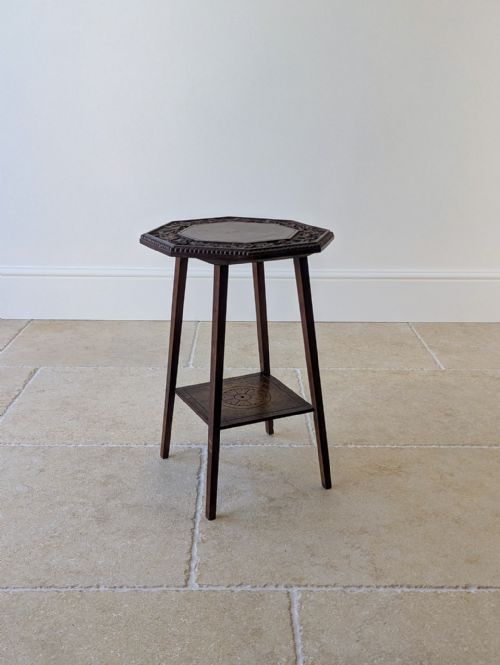
Victorian and Edwardian examples frequently introduce darker walnut veneers, burr walnut figure, Aesthetic Movement motifs, or turned elements like barley twists and bamboo-shaping. They also encompass specialist forms like Sutherland tables and tiled Arts and Crafts tops.
Did these tables always have folding tops?
Not all small tea tables fold, though folding mechanisms were common on gateleg designs and campaign or card-adapted formats to save space. Many period examples used fixed tops on pedestals or four-legged frames.
Tripod tables often utilised a tilt-top action rather than a folding leaf, allowing the surface to tip upright when pushed against a wall.
How should I care for an antique wood tea table?
Keep wooden surfaces away from direct heat sources and strong sunlight to prevent the timber or veneer from drying and cracking. Regular dusting with a soft, dry cloth maintains the polished finish without building up heavy wax residues.
Use coasters under glasses and mugs to protect older polish and delicate veneers from moisture rings and heat marks.