
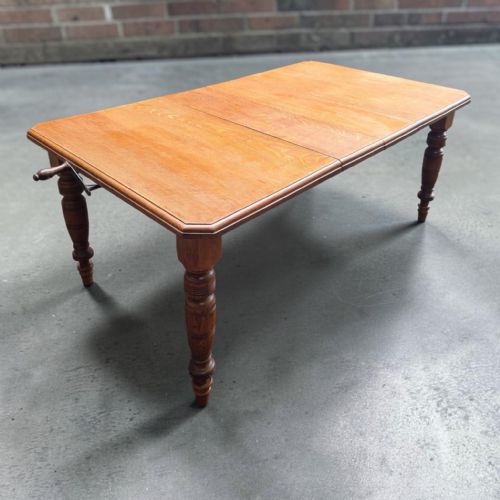
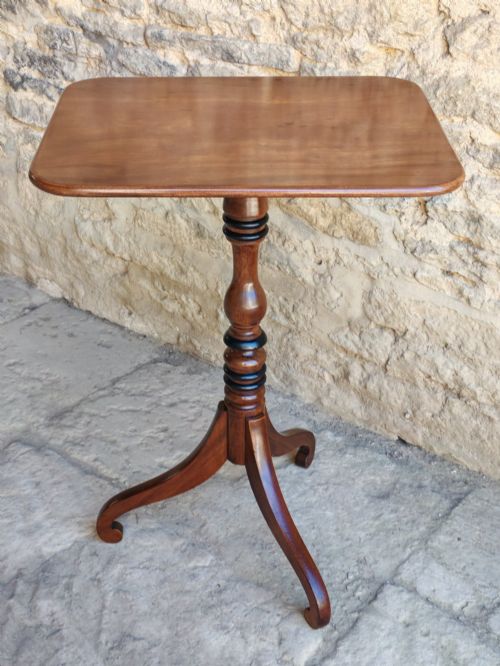
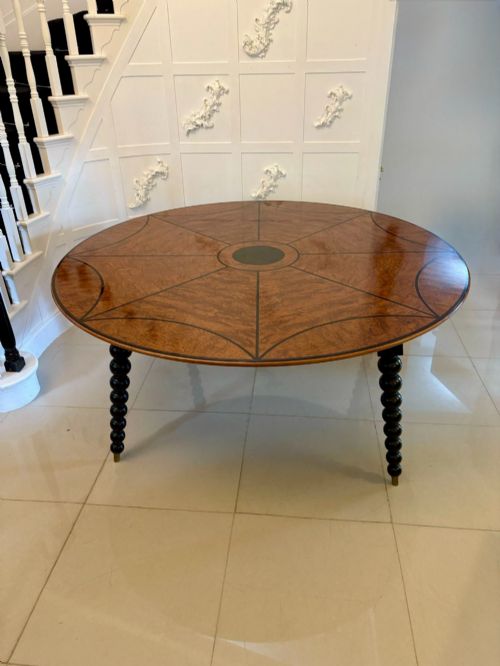
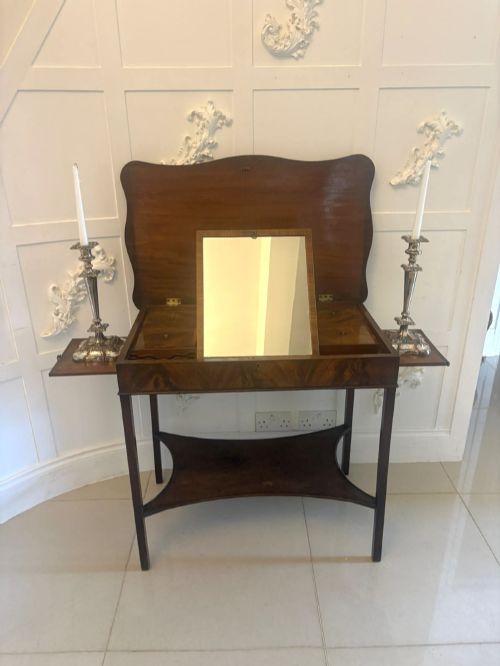
Brown Wooden Tables
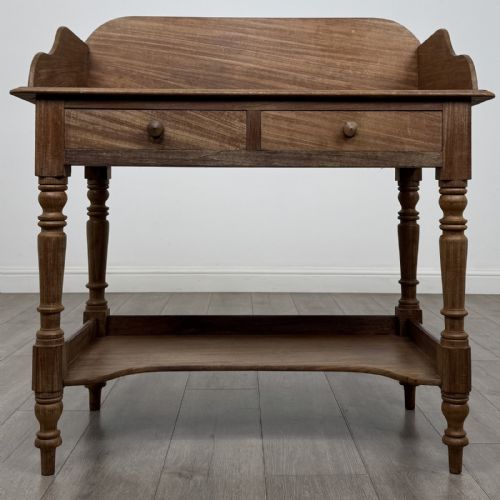
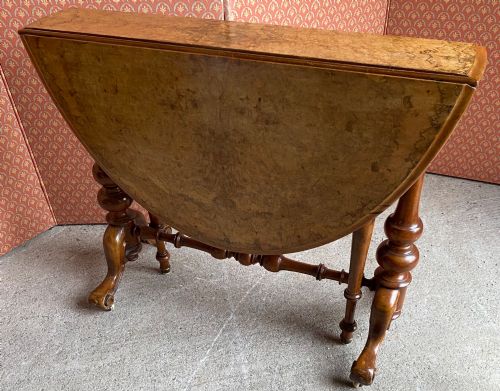
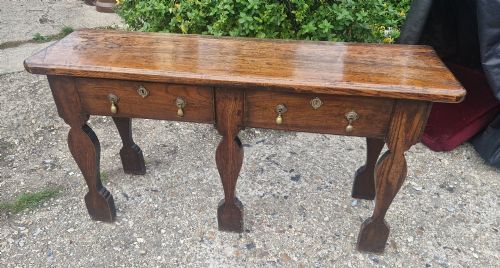
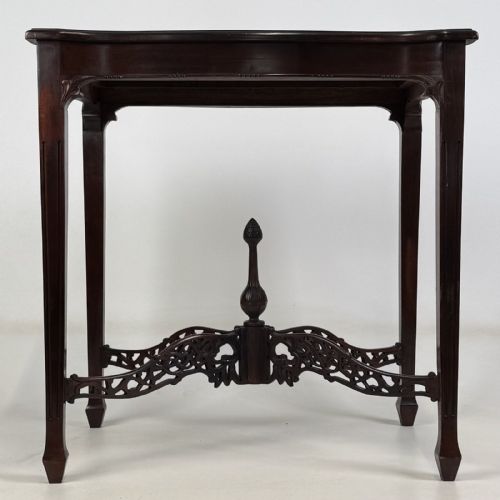
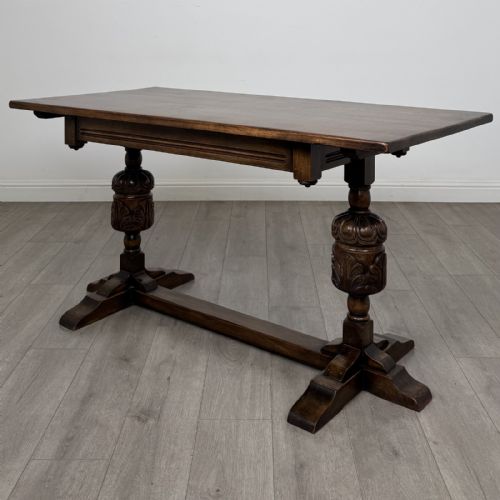
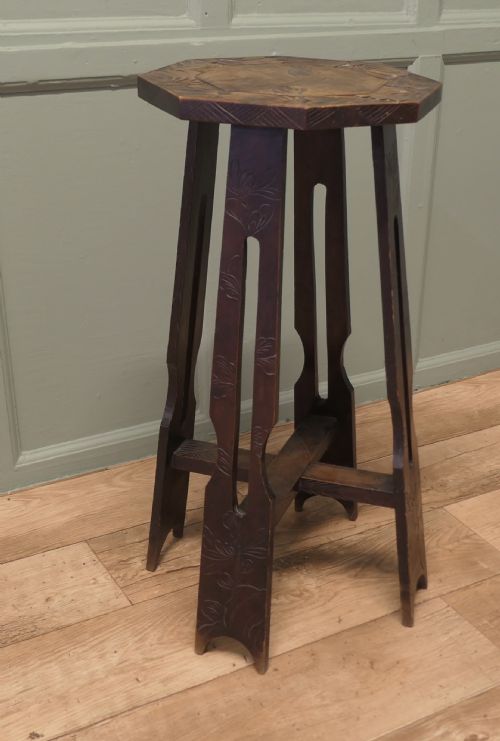
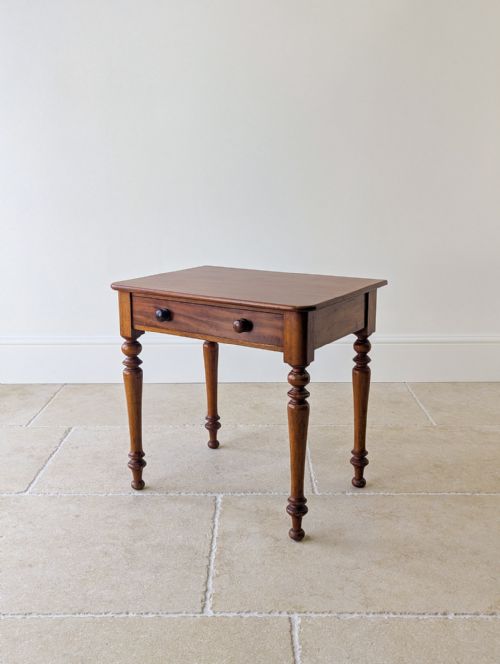
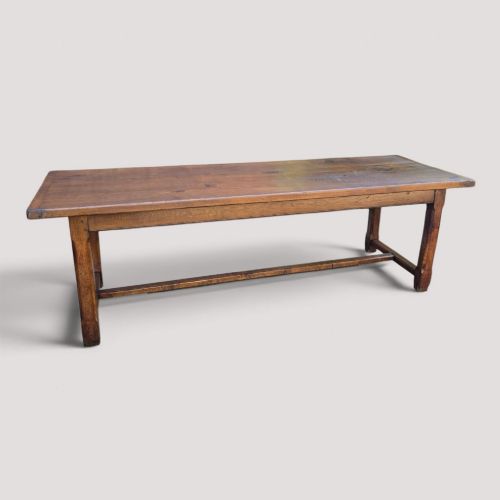
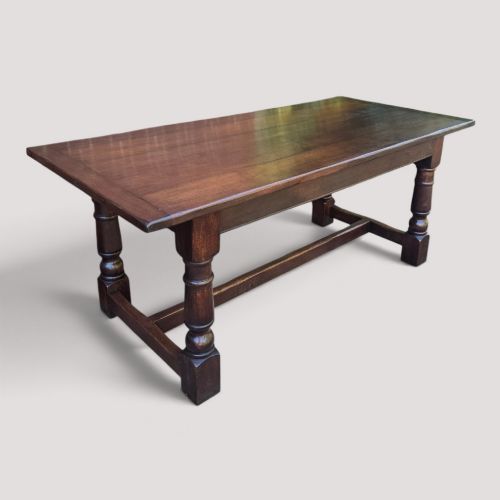
Brown wooden tables bring genuine warmth and utility to a room, spanning sturdy oak refectories and polished mahogany occasional pieces.
Brown Wooden Tables
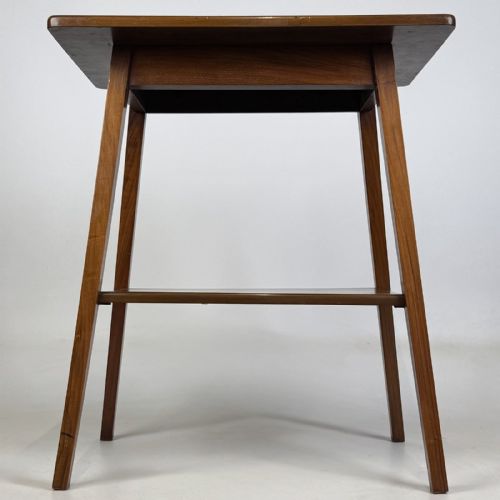
Brown wooden tables encompass everything from large dining boards to compact bedside stands, reflecting centuries of domestic use. When searching for brown wooden tables, expect to find sturdy oak refectories alongside mahogany side tables and walnut occasional pieces.
The materials span several distinct eras, stretching from eighteenth-century constructions through Victorian and Edwardian examples up to early twentieth-century interpretations. Form follows function closely, yielding dining tables, writing desks, and hall tables shaped by the needs of their original households.
How they were made
Joiners relied on solid hardwoods such as oak, mahogany, and walnut, selecting timbers for their strength and grain pattern. Cabinetmakers utilised traditional joinery methods, incorporating turned legs, stretchers, and occasionally castors or brass fittings to complete each piece.
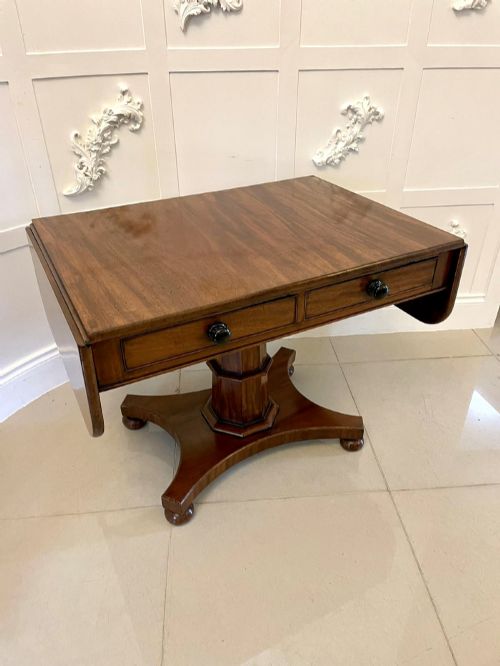
Surface finishes range from polished mahogany veneers to raw fruitwood and elm, while marquetry and crossbanding add decorative contrast on finer examples. Construction details like single drawers, drop leaves, and pedestal bases show practical ingenuity combined with stylistic ambition.
Styles represented include Georgian, Victorian, Edwardian, Regency, and French Provincial designs.
What varies in quality
The standard of timber selection dictates much of the character, particularly where finely figured veneers or substantial solid planks are employed. Superior execution shows in the crispness of turned legs, the snug fit of drawers, and the integrity of original structural elements.
Proportion and decorative restraint separate standard utility items from more ambitious pieces bearing crossbanding or marquetry. The survival of original surfaces and stable construction methods determines the lasting appeal of any given example.
The Brown Wooden Tables Glossary
- Refectory table
- A long dining table traditionally used in communal halls, typically constructed from heavy oak with sturdy supporting stretchers.
- Crossbanding
- A decorative border technique where veneer strips are laid perpendicularly to the main grain, adding visual contrast to the edge of a top or drawer.
- Drop leaf
- A hinged flap on either side of a table top that can be raised and supported to increase surface area when required.
- Marquetry
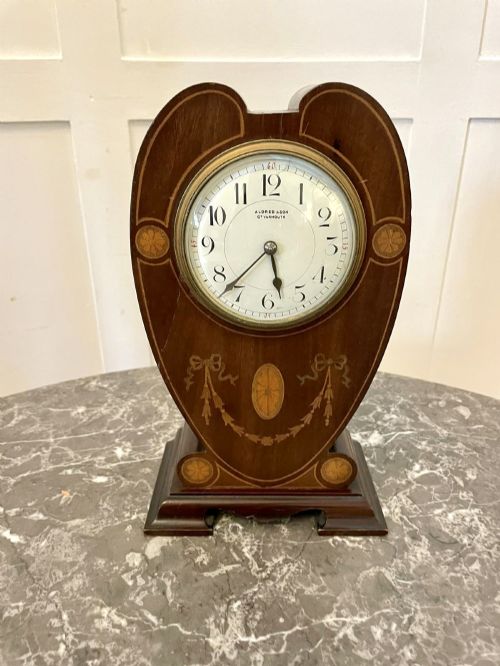
- The art of applying pieces of veneer into a fitted structure to form decorative patterns, often utilising varied wood tones.
- Pedestal base
- A central supporting column rising from feet, commonly found on larger dining tables and occasional stands to maximise legroom.
Brown Wooden Tables: Frequently Asked Questions
How do I care for a wooden table surface?
Keep wooden surfaces away from direct heat sources and strong sunlight to prevent the timber from drying out or splitting. Regular dusting with a soft cloth maintains the finish without needing heavy chemical polishes.
spills promptly using a dry cloth, and employ mats under hot plates or damp glasses to protect the polish or raw wood below.
Can I use an antique table for everyday dining?
Many solid hardwood tables were built for heavy domestic use and remain entirely suited to daily meals. Sturdy oak and fruitwood examples handle routine family life comfortably.
Fragile veneered surfaces or delicate occasional pieces require more care, so match the table's construction strength to your household routine.
How do I tell an 18th-century table from a later copy?
Examine the underside and joints for hand-cut joinery marks, irregular timber thicknesses, and signs of genuine age in the grain. Later copies often display uniform machine-cut components and modern fixings.
Wear patterns around the edges and feet should match natural use over generations rather than artificial distressing.
What is the difference between a side table and a console table?
Side tables generally feature four legs and stand freely against a wall or beside seating, often incorporating drawers or lower shelves for storage. Console tables were traditionally designed to fit tight against a wall, sometimes requiring attachment for stability.
Console pieces frequently serve an architectural decorative role in hallways and reception rooms, whereas side tables prioritize flexible placement.