
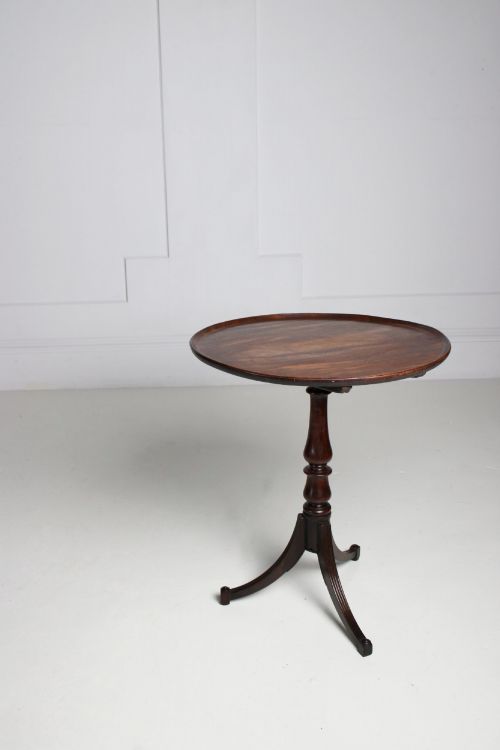
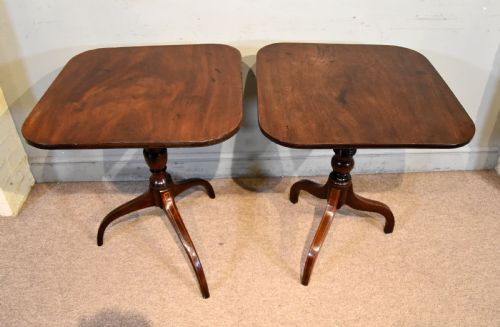

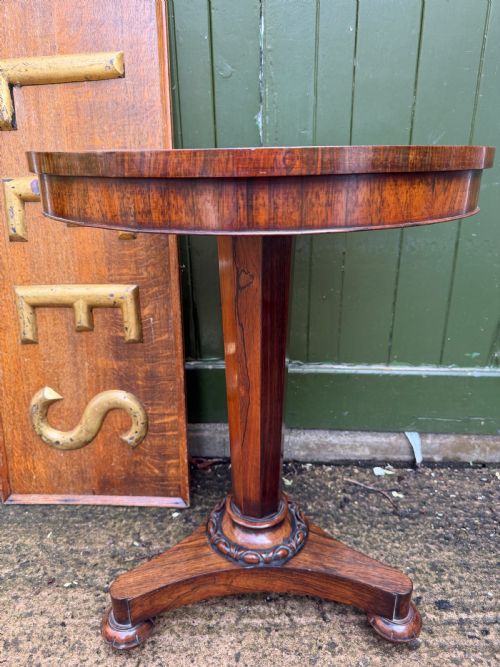


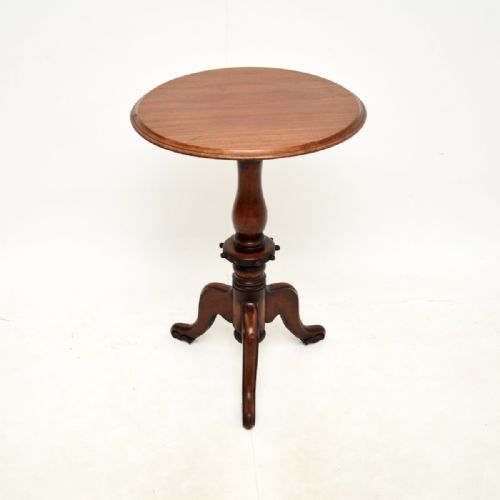


Regency Period Wine Table
A regency period wine table is a compact serving piece designed for the evening glass, built with the stability of a tripod base.
Regency Period Wine Table
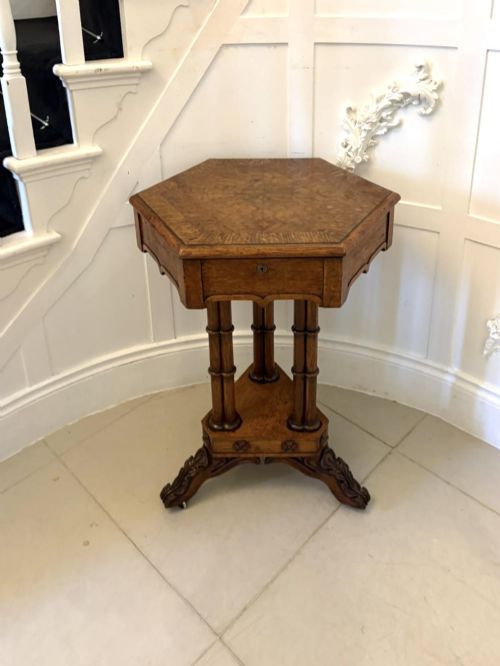
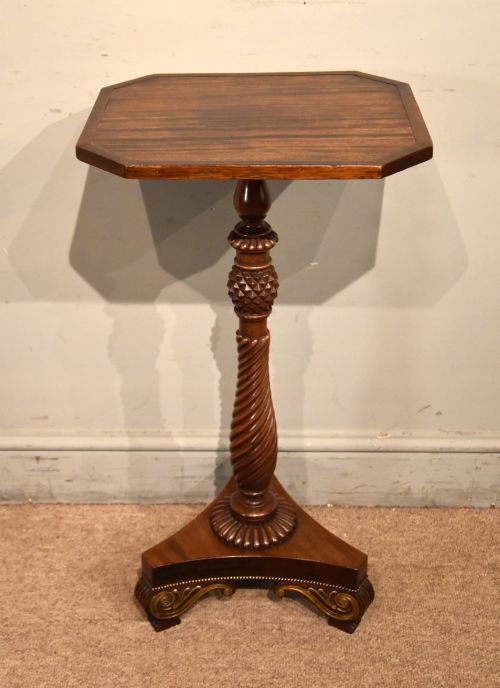
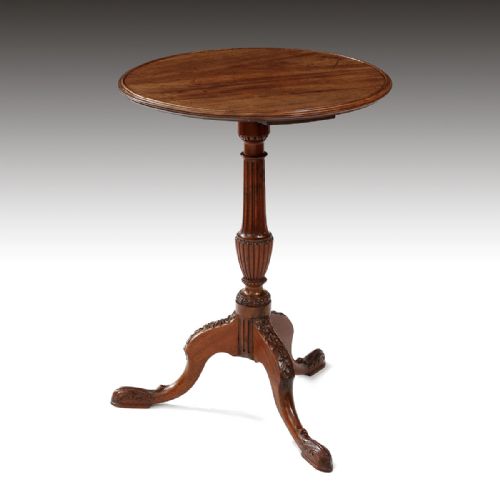
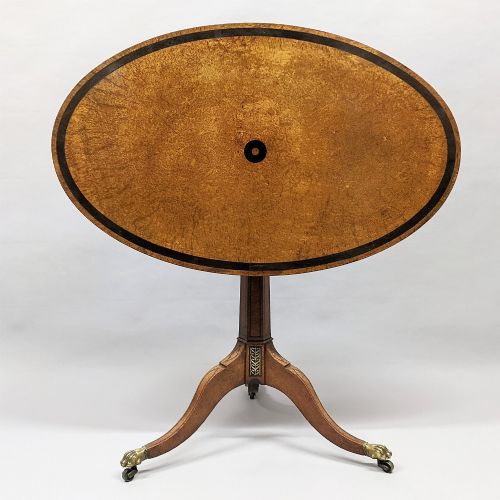
A regency period wine table stands as a functional piece from the early nineteenth century, intended to hold glasses and bottles near seating. The forms on this page include tilt-top, snap-top, and tripod designs alongside occasional and side tables from the Regency, George IV, and William IV periods.
Beyond the standard pedestal tables, the broader category encompasses wine coolers, wine coasters in papier-mache, and small drum tables. These pieces span the early nineteenth century, covering the Regency style and the subsequent William IV and Grand Regency phases.
Distinctions in execution
The refinement of the timber figure defines the visual appeal of a regency period wine table, with highly figured mahogany or richly grained rosewood marking superior examples. Plain timber surfaces reflect simpler domestic production of the nineteenth century.
Joinery execution at the pillar junction and the sharpness of the turned pedestal separate standard workshop output from finer cabinet work. The inclusion of delicate brass inlay or secondary woods like amboyna indicates higher ambition in the original commission.
Regency Period Wine Table Retail Price Guide 2026
Typical asking prices for regency period wine table among the pieces listed under this phrase on Sellingantiques today, from the lower quarter to the upper quarter. They describe what is for sale here now, not the wider market.
The documented periods span the Regency era into the subsequent George IV and William IV reigns.
Gillow
The Regency Period Wine Table Glossary
- Tripod table
- A small table supported by a central pillar resting on three legs. This construction prevents wobbling on uneven floors.
- Tilt-top
- A hinged tabletop that pivots to a vertical position. This allows the table to be stored flat against a wall when not in use.
- Snap-top
- A tabletop secured by a spring catch mechanism. It performs the same function as a tilt-top.
- Drum table
- A circular library or occasional table with a deep frieze resembling a drum. Examples in this style feature small proportions.
Regency Period Wine Table: Frequently Asked Questions
What was a regency period wine table used for?
These tables served to hold wine bottles, decanters, and glasses beside seating during evening gatherings.
Their portable size allowed servants to place them conveniently near guests before folding the tops away after use.
Where should I place a wine table today?
A regency period wine table works effectively beside an armchair or sofa to hold a lamp or a cup.
Their compact tripod footprints ensure they occupy minimal floor space in sitting rooms or reading corners.
How do Regency and William IV styles differ?
Regency pieces typically display lighter proportions, graceful curves, and refined brass or exotic wood inlay.
William IV furniture tends toward heavier, sturdier forms with robust pedestals and less intricate surface decoration.