

Handwoven Wool Textile
When you search for a handwoven wool textile, you find nomadic bags, tribal trappings, and flatweaves crafted across Persia, Central Asia, and Europe.
Handwoven Wool Textile
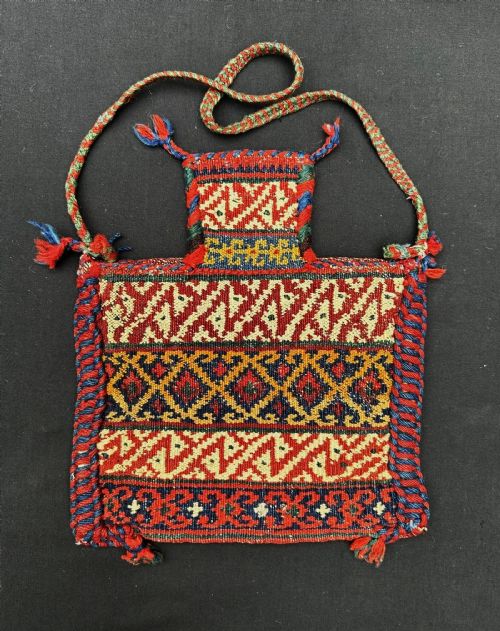
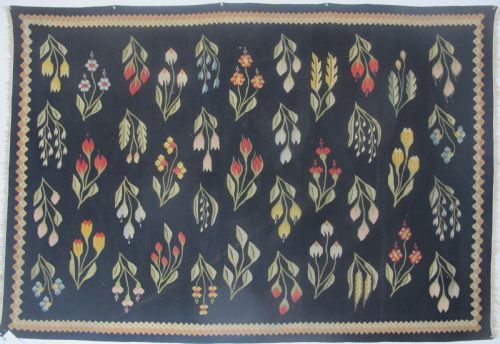
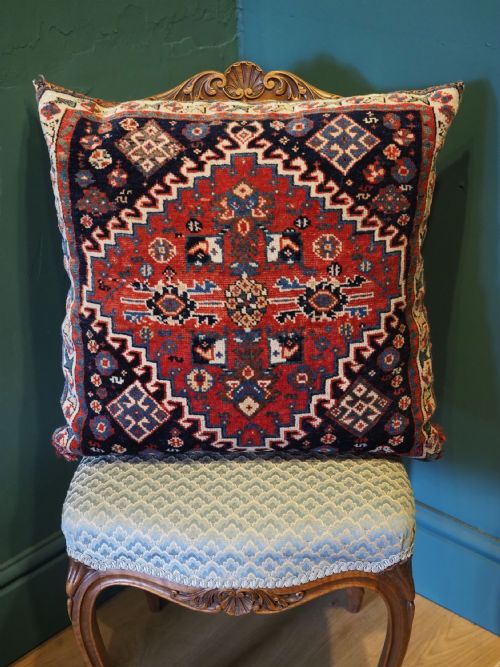
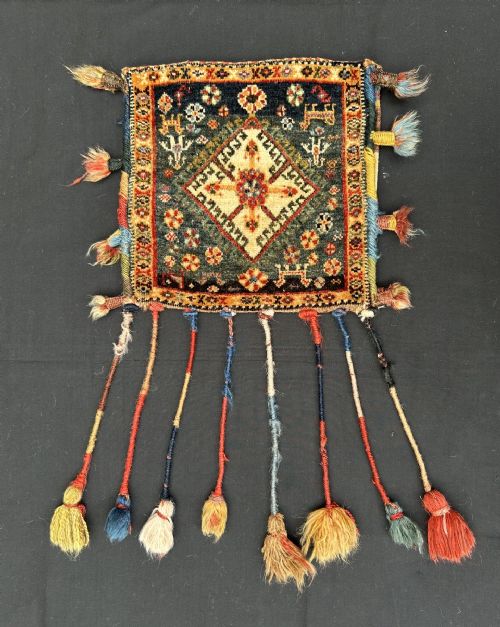
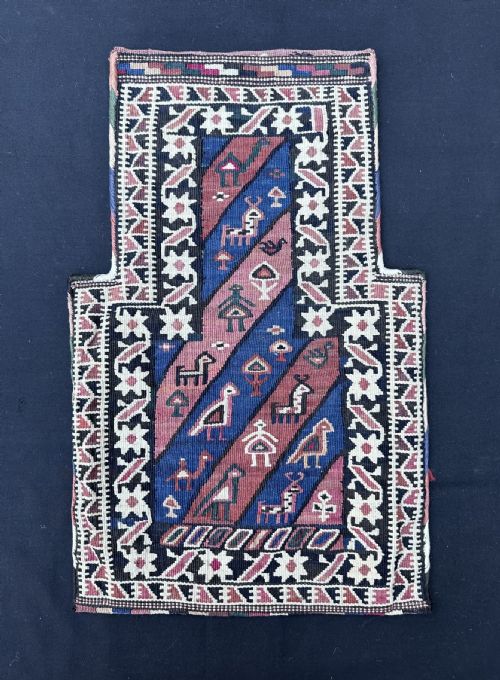
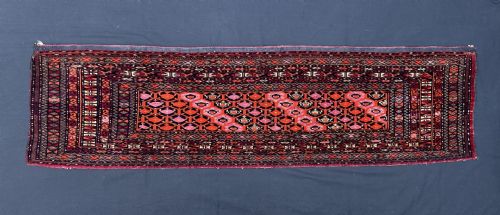
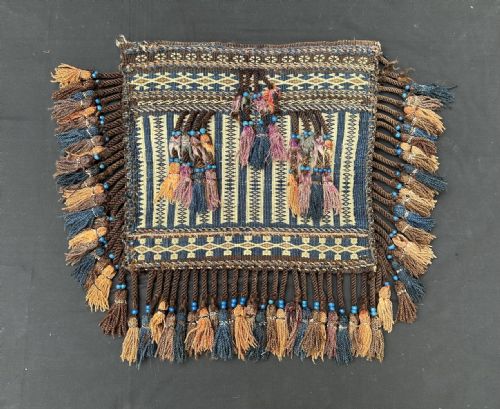
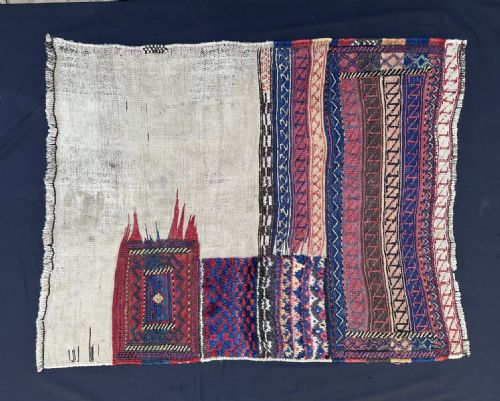
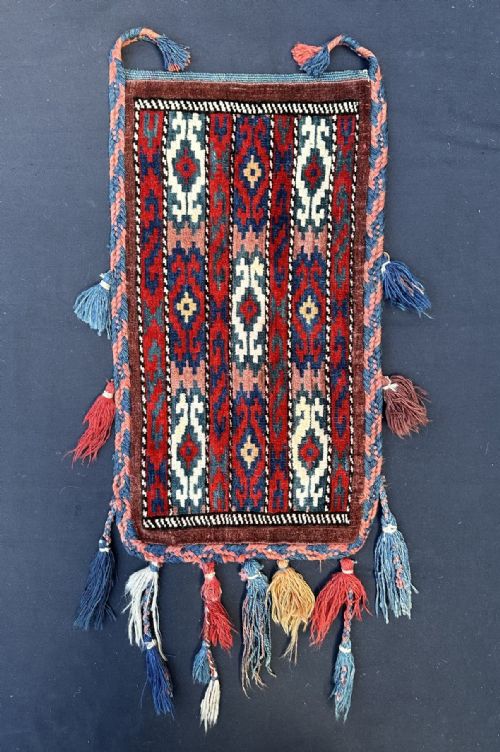
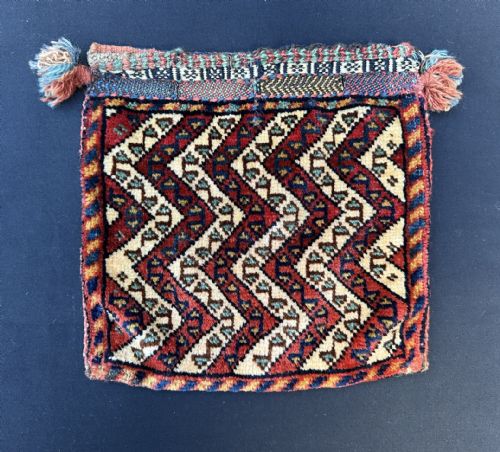
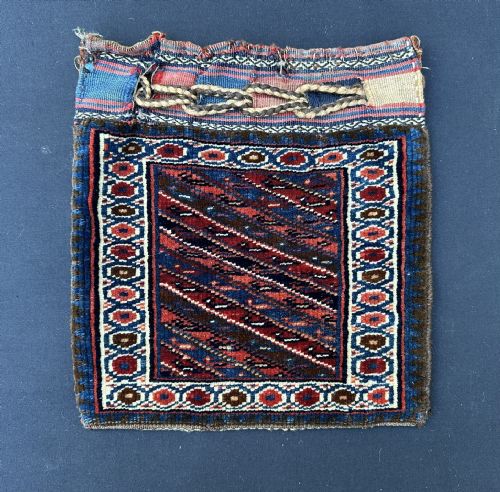
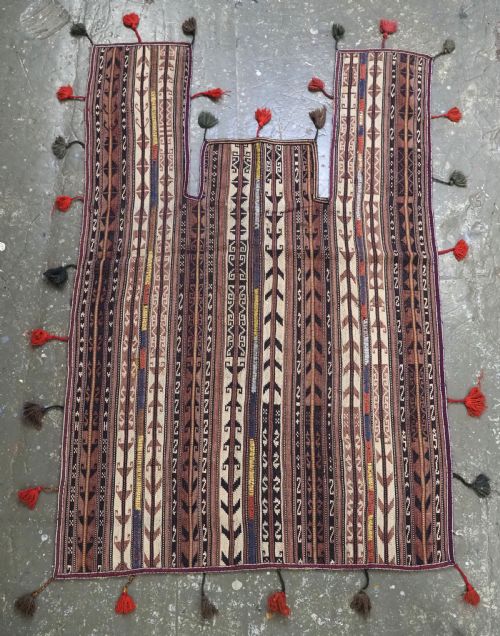
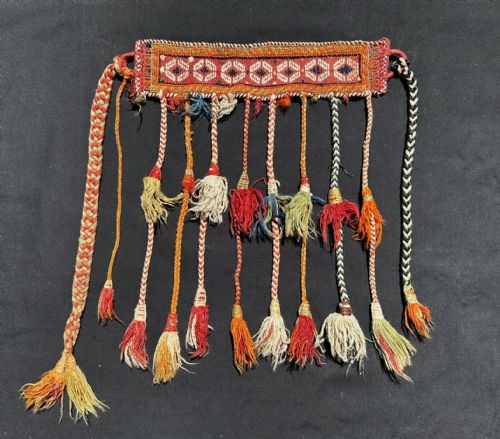
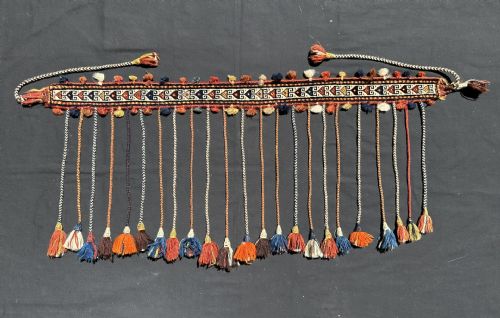
A handwoven wool textile on this page typically takes the form of a tribal bag, storage pouch, or wall hanging originating from nineteenth and early twentieth century Persia, Central Asia, or European folk art traditions. You are most likely to encounter utility pieces made by nomadic groups such as the Qashqa'i, Afshar, Baluch, and Yomut or Tekke Turkmen.
These items served practical functions within tribal and domestic life, ranging from saddle bags and salt bags to floor spreads and ceremonial covers. The forms reflect the specific daily requirements of pastoral and village communities who wove them for storage, transport, and decoration.
How they were made
The construction relies fundamentally on hand-spun wool combined with natural dyes derived from local plants and minerals, creating rich, varied tones across the surface. Artisans integrated cotton for structural foundations and sometimes embellished pieces with glass beads and cowrie shells.
Weaving techniques vary between pile knots and flatweave structures, executed on portable horizontal looms set up in camps or upright looms in village workshops. The density of the weave and the precision of the geometric or floral patterns depend on the specific tribal tradition and the intended use of the textile.
Handwoven Wool Textile Retail Price Guide 2026
Typical asking prices for handwoven wool textile among the pieces listed under this phrase on Sellingantiques today, from the lower quarter to the upper quarter. They describe what is for sale here now, not the wider market.
The listings span from the sixteenth century through the nineteenth and early twentieth centuries, featuring wool, cotton, and natural dyes.
What varies in quality
Quality in a handwoven wool textile is determined by the purity of the materials, specifically the use of hand-spun wool and stable natural dyes that yield depth and variation of colour. Fineness of knotting or tightness of the flatweave structure dictates the durability and visual clarity of the design.
Design execution and regional authenticity separate standard examples from exceptional ones. Pieces that retain their original borders, plain-weave backs, and complete tribal motifs display a higher degree of cultural integrity and craftsmanship.
The Handwoven Wool Textile Glossary
- Chuval
- A large storage bag produced by Turkmen tribes, traditionally used for household goods inside a yurt.
- Torba
- A smaller hanging bag utilised by nomadic groups for domestic storage or tent decoration.
- Sofreh
- A flatwoven spread or cloth used for dining or for resting dough during bread-making.
- Asmalyk
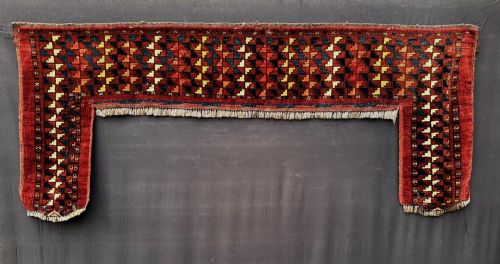
- A pentagonal trapping mounted on the flanks of a camel during wedding processions.
- Gul
- A medallion motif repeated across Turkmen textile designs, often identifying a specific tribe or sub-group.
Handwoven Wool Textile: Frequently Asked Questions
What are tribal bags used for?
Nomadic tribes utilised these woven containers for storing household goods, salt, tobacco, or personal items during seasonal migrations.
They functioned as practical portable furniture within tents and transport vessels before entering the decorative market.
How do I identify a Turkmen textile?
Turkmen pieces frequently feature deep red colour palettes dominated by repeating octagonal medallion motifs known as guls.
Sub-tribes such as the Tekke, Yomut, and Saryk each employed distinct border patterns and structural formats.
Where were Persian tribal textiles made?
South and west Persia formed the primary regions for woven bags and trappings produced by confederacies like the Qashqa'i and Afshar.
Weavers relied on local resources and traditional tribal patterns handed down through generations.
Can I hang these textiles on a wall?
Many bag faces and flatweaves lend themselves well to wall display due to their compact dimensions and strong graphic patterns.
Proper mounting distributes the weight evenly across the textile to protect the structure from tension damage.