
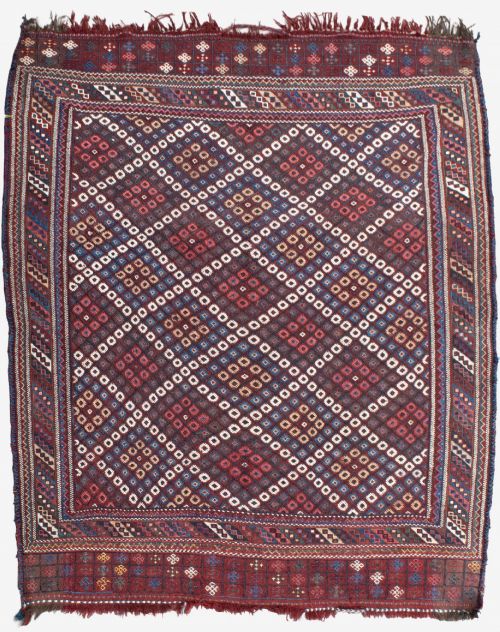


Persian Tribal Kilim
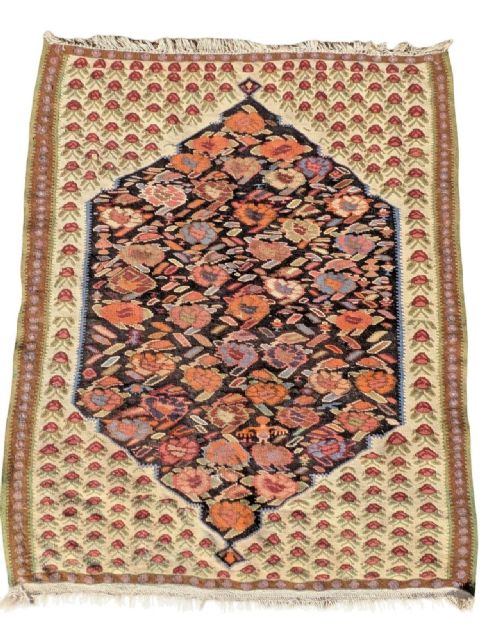
A persian tribal kilim brings the bold geometric patterns and rich utilitarian history of nomadic weavers directly into a room.
Persian Tribal Kilim
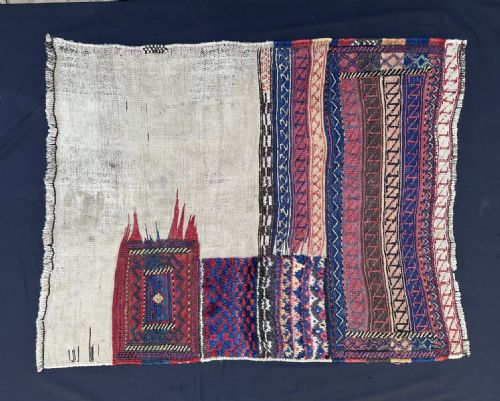
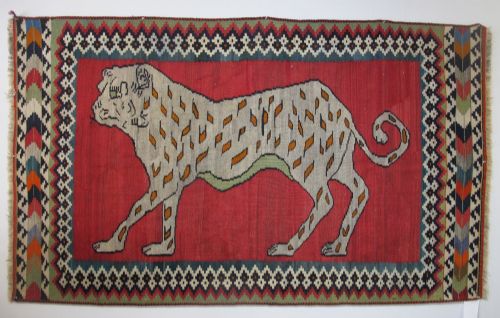
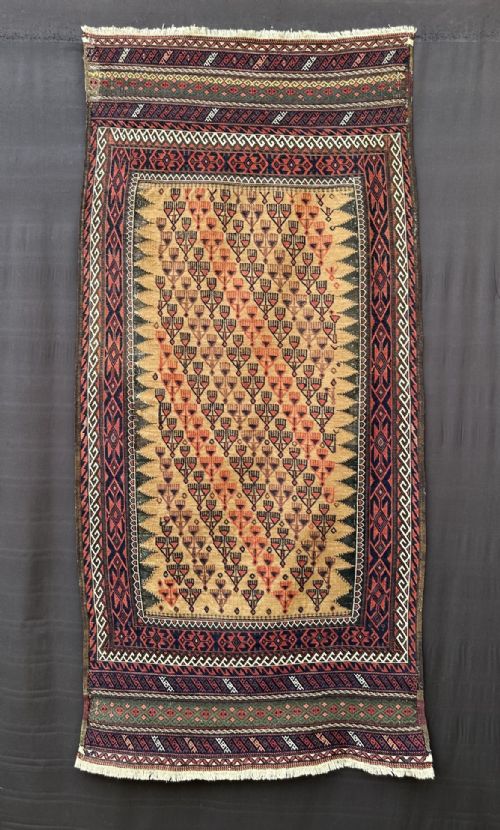
A persian tribal kilim encompasses flat-woven rugs, sofres, salt-bags, and storage pieces created by nomadic and village confederacies across Persia. The items found here span the nineteenth and early twentieth centuries, reflecting diverse regional aesthetics from the Qashqa'i and Afshar to the Bakhtiari and Baluch.
Buyers seeking these textiles encounter functional household gear repurposed as decorative floor coverings or wall art. Utilitarian items such as bread sofres, wheat sacks, and animal trappings dominate the selection alongside traditional area rugs and runners.
The aesthetic vocabulary relies on stark geometric bands, medallions, and tribal motifs passed down through generations. These pieces offer an authentic connection to nomadic life, where every weave served a distinct domestic purpose.
Materials and construction methods
Weavers relied primarily on hand-spun wool for the foundation and surface, occasionally incorporating cotton for structural strength or goat hair for durability on edges and utility backs. Natural dyes provided the deep reds, blues, and earth tones that mellow gracefully over decades of exposure.
The flat-weaving technique omits a pile entirely, creating a lightweight textile through interlocking or slit-tapestry methods. Artisans frequently augmented these structures with supplementary weft-work, soumak wrapping, or bands of chevron design to reinforce heavy-use areas like grain sacks.
Listings feature pieces utilising hand-spun wool, cotton, goat hair, and leather, spanning dates from eighteen-fifty to nineteen-thirty.
Distinguishing quality in flat weaves
Quality rests in the tightness of the weave, the crispness of the geometric draftsmanship, and the complexity of the regional layout. Tighter packing of the weft threads yields a firmer, more resilient fabric that withstands modern foot traffic.
The integrity and depth of the natural dyework elevate certain examples above standard domestic wares. Subtle tonal variations within a single colour field indicate hand-dyeing processes that reward close inspection with luminous visual texture.
The Persian Tribal Kilim Glossary
- Kilim
- A flat-woven textile produced without a pile by tightly interweaving warp and weft threads. This technique creates a lightweight rug with identical patterns visible on both sides.
- Sofre
- A flat-woven cloth traditionally used for serving meals, kneading dough, or wrapping bread. These utility textiles often feature striking central medallions and specific regional borders.
- Soumak
- A brocade-like flat-weave technique where coloured weft threads are wrapped over and under the warp yarns. This method adds structural thickness and textural relief to the surface.
- Tacheh
- A nomadic grain or wheat sack woven in two panels and joined together. They double as storage containers and display dense bands of tribal iconography.
- Jajim
- A heavy flat-woven textile constructed in narrow strips and stitched together. They are traditionally utilised as blankets or coverlets within tribal households.
Persian Tribal Kilim: Frequently Asked Questions
What is a sofre used for?
A sofre served as a dining spread or dough-kneading mat within nomadic households. Families laid these textiles on the ground for communal meals or wrapped harvested bread inside them.
Today, their striking geometric fields make them popular choices for wall hangings or low-traffic area rugs. They bring an authentic piece of nomadic domestic history into modern interior spaces.
How do I care for a flat weave?
Gentle vacuuming without a rotating brush roll keeps dust from settling into the tight weave. Professional cleaning tailored for antique textiles preserves the integrity of hand-spun wool and natural dyes.
Using a quality rug underlay prevents slipping and cushions the thin fabric against hard floors. Avoid placing these antique textiles in areas prone to dampness or direct, harsh sunlight.
How are tribal regions identified?
Specific wool qualities, dye palettes, and structural quirks point directly to confederacies such as the Qashqa'i, Afshar, or Bakhtiari. Distinct amulet motifs and border arrangements act as signatures for particular tribal groups.
Comparing structural details like goat-hair selvages and slit-tapestry gaps helps narrow down the geographical origin. Regional weaving traditions remained remarkably consistent through the nineteenth and early twentieth centuries.
Why do sizes vary so much?
Nomadic weavers worked on portable horizontal looms constrained by the dimensions of camp life and animal transport. Utility items like salt-bags and bag faces were naturally produced in smaller, compact formats.
Larger carpets required joining multiple panels together or working on wider stationary setups in permanent village settlements. This practical limitation explains the diverse array of runners, squares, and intimate formats available.