


Handwoven Nomadic Rug
A handwoven nomadic rug brings the geometric storytelling and rich wool textures of tribal weavers into a modern interior.
Handwoven Nomadic Rug
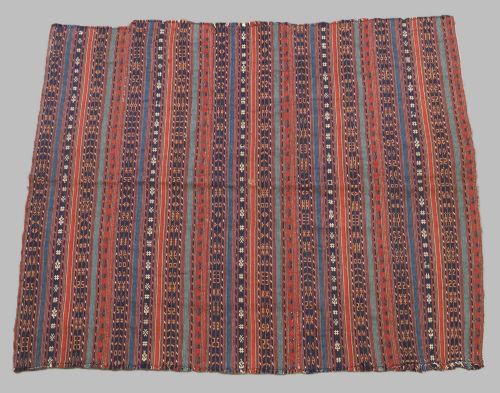
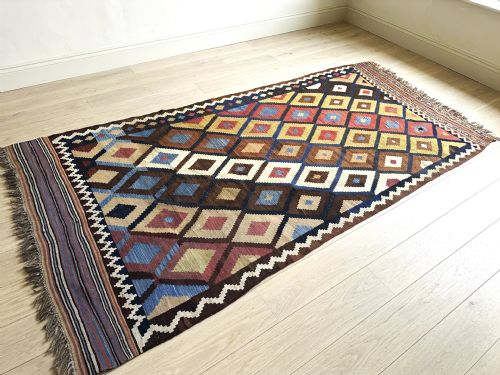
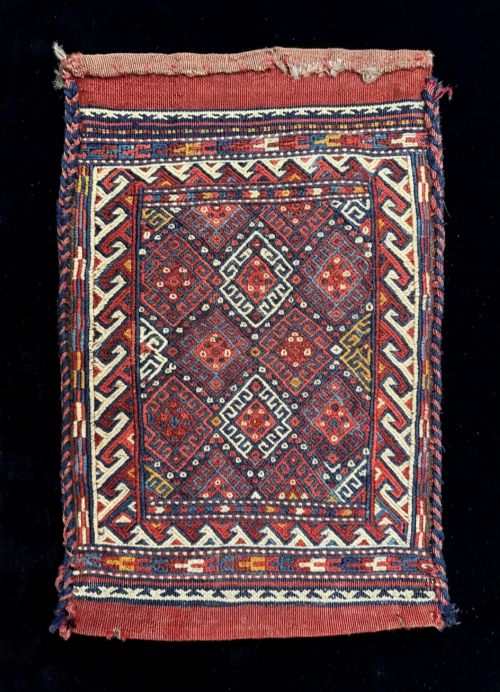
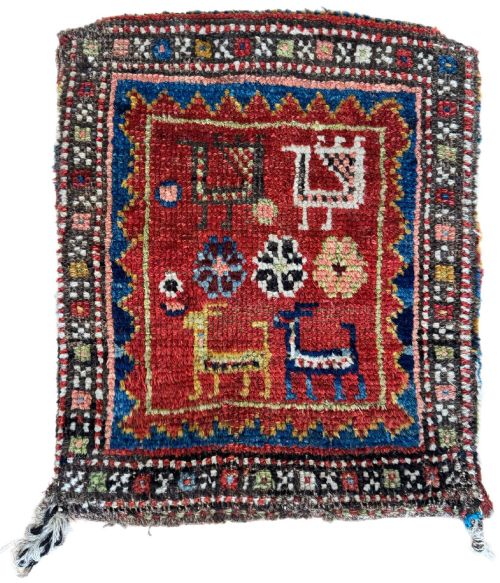
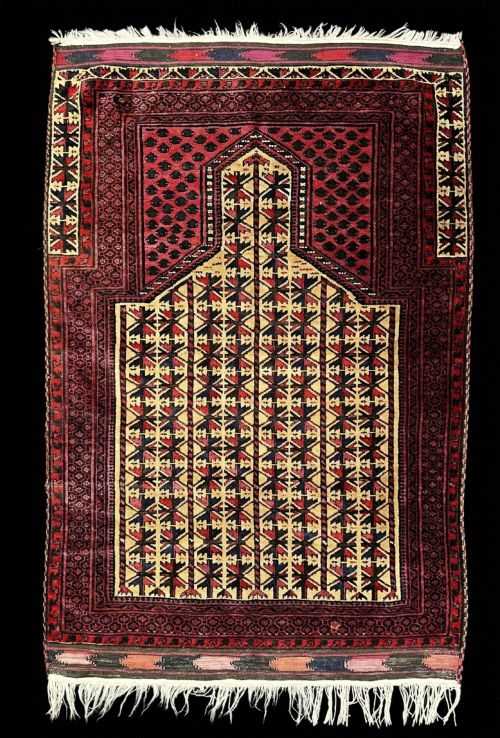
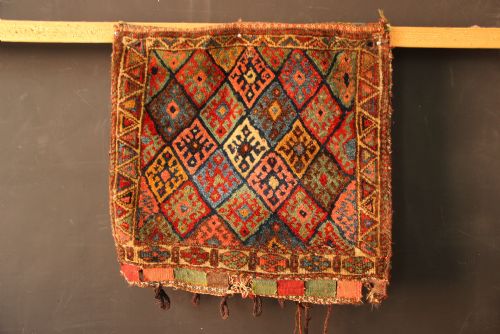
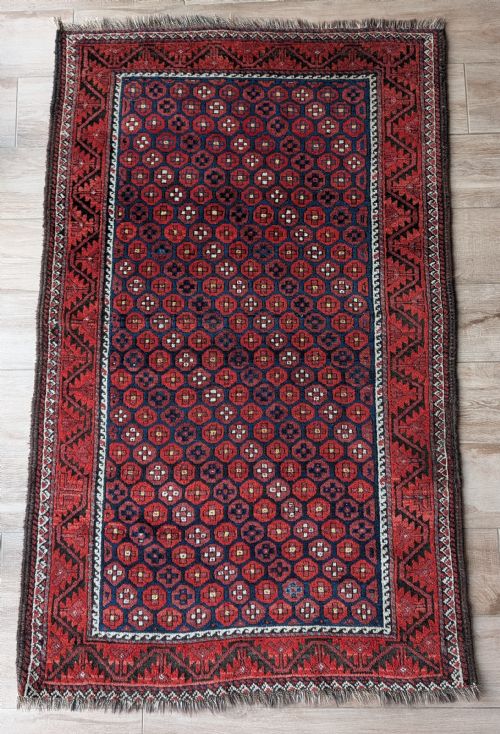
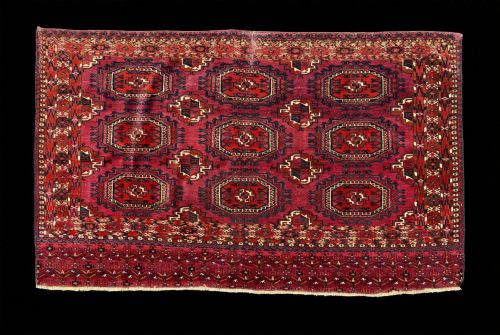
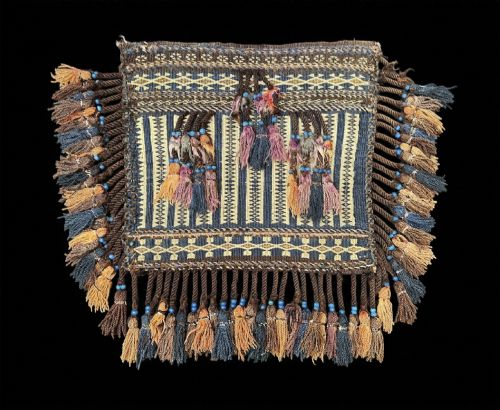
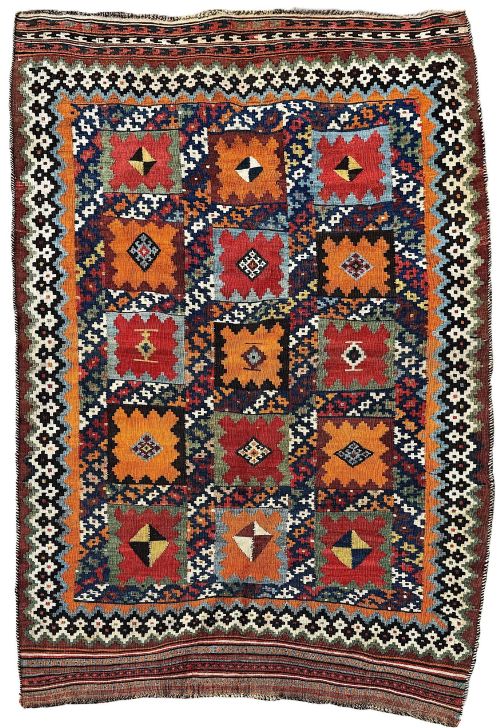
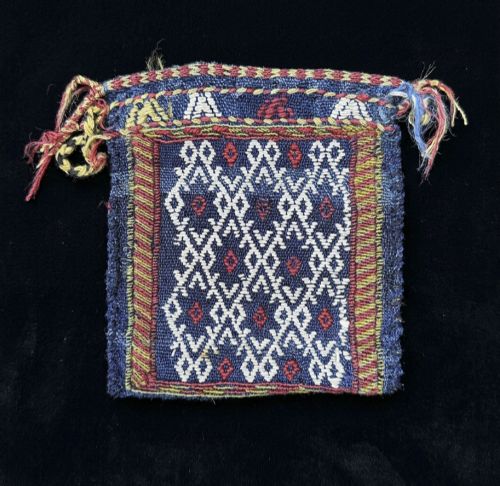
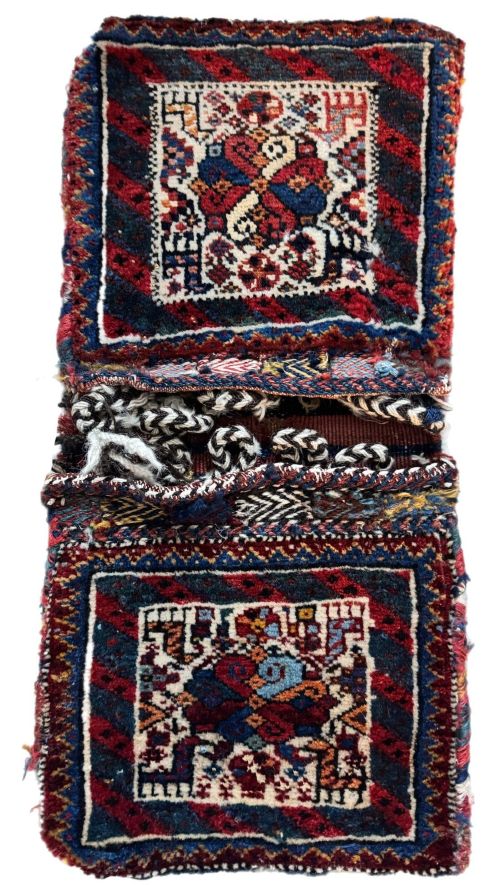
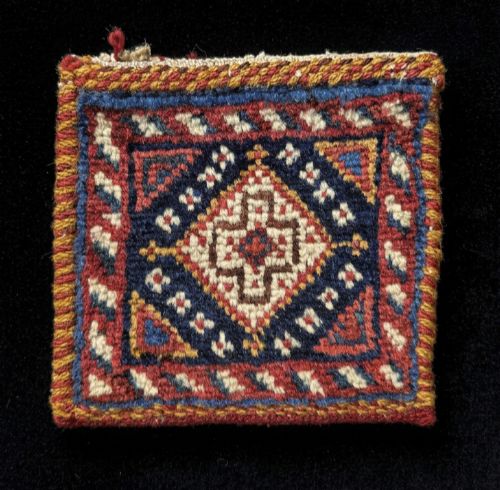
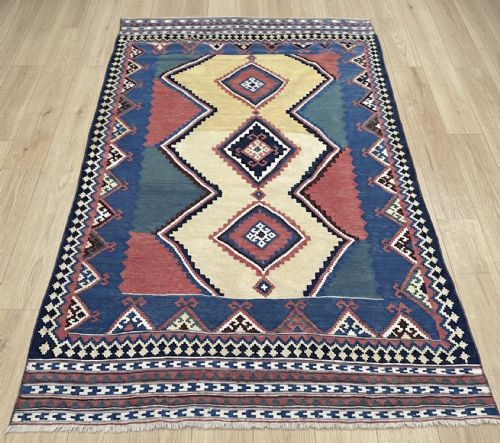
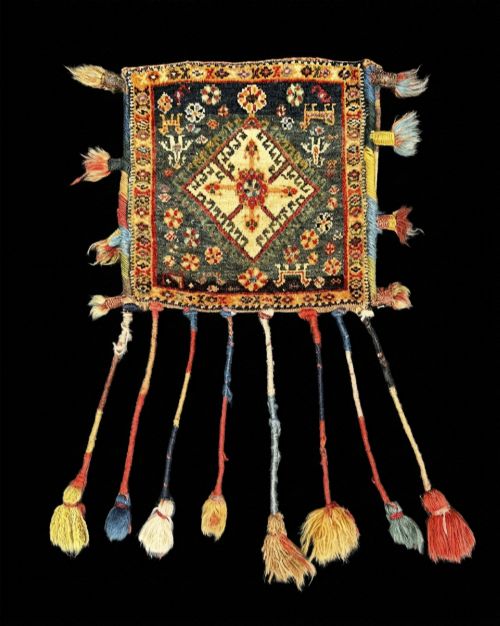
A handwoven nomadic rug encompasses floor coverings, flatweaves, and utilitarian storage bags made by tribal groups across Persia, Anatolia, and Central Asia. The pieces appearing in this collection range from smaller utilitarian items like saddlebags and salt bags to larger area carpets and prayer rugs. Tribal confederations such as the Qashqai, Afshar, Baluch, and various Turkmen tribes produced these textiles for daily domestic use rather than for urban trade.
Buyers will encounter distinct regional formats, including flatwoven kilims, storage containers like chuvals, and piled carpets featuring tribal motifs. These textiles span the latter half of the nineteenth century through the early decades of the twentieth century, reflecting the traditional lifestyles of pastoral nomads. Each piece carries the distinct geometric patterns and colour palettes associated with specific tribal origins and geographic regions.
Materials and Construction
These textiles rely primarily on hand-spun wool for both the foundation warps and the piled or flatwoven surface. Natural dyes provide the underlying palette, interacting with the wool fibres to develop rich patinas over time. Cotton foundations occasionally appear alongside wool, while decorative accents incorporate materials such as glass beads and cowrie shells on specific bag faces.
The construction methods involve traditional upright or horizontal looms set up in camps or settlements. Weavers executed warp-faced flatweaving, slit-tapestry techniques, and symmetrical or asymmetrical knotting depending on the tribal tradition. This direct hand-manipulated process ensures that no two textile creations share identical structural nuances.
Handwoven Nomadic Rug Retail Price Guide 2026
Typical asking prices for handwoven nomadic rug among the pieces listed under this phrase on Sellingantiques today, from the lower quarter to the upper quarter. They describe what is for sale here now, not the wider market.
Current listings feature textiles utilising hand-spun wool, natural dyes, glass beads, and cowrie shells across Persian, Anatolian, and Central Asian tribal traditions.
Assessing Quality and Execution
Quality in a handwoven nomadic rug rests upon the tightness of the weave and the handled weight of the textile. Denser knotting or precise flatwoven structure allows complex geometric details to remain crisp and legible across the surface. The preparation of the wool, from initial hand-spinning to the application of natural dye baths, dictates how the colours age and hold their depth.
The integrity of the original borders, selvedges, and termination points marks the distinction between standard domestic pieces and finer tribal examples. Furthermore, the intentional balance of the design layout within the given format reveals the weaver's mastery over traditional motifs. Superior examples maintain structural soundness alongside vibrant, harmonious colour interplay.
The Handwoven Nomadic Rug Glossary
- Kilim
- A flatwoven textile produced without a piled surface. These pieces rely on interlocking weft threads to create sharp geometric patterns.
- Chuval
- A large tribal storage bag traditionally used within Turkmen tents for household goods. They often feature prominent guls and detailed primary faces.
- Sofreh
- A flatwoven spread or cloth used during meals or dough preparation. These textiles frequently display minimalist geometric arrangements.
- Guly
- A repeating medallion motif characteristic of Turkmen tribal weaving. Each pattern identifies the specific clan or lineage of the maker.
- Khorjin
- A paired saddlebag designed for transport on animal back during migration. Surviving examples are often separated into individual panels.
Handwoven Nomadic Rug: Frequently Asked Questions
How were these rugs used originally?
Nomadic tribes utilised these textiles for practical daily functions within tents and during seasonal migrations. They served as floor coverings, bedding, prayer spaces, and heavy-duty containers for salt, grain, and personal items.
Because they were built for a mobile lifestyle, the materials were chosen for durability and utility. Over generations, these utilitarian objects became expressions of tribal identity and artistic heritage.
Where do these tribal pieces originate?
The geographical origins span the historic tribal territories of Persia, Anatolia, and Central Asia. Specific groups such as the Qashqai of Fars, the Afshar of Kerman, and various Baluch and Turkmen tribes each developed distinct weaving traditions.
Local flora provided the materials for natural dyes, while regional geography and inter-tribal contact influenced the evolution of specific motifs and structural formats.
How should I care for a historic rug?
Maintenance requires gentle handling, regular low-suction vacuuming without a rotating brush bar, and professional cleaning when necessary. Keeping the textile out of direct, harsh sunlight preserves the natural dyes.
Using a breathable underlay helps secure the piece in place on hard floors and prevents unnecessary friction against the foundation threads.
Can I use smaller bags as wall art?
Smaller formats like vanity bags, salt bags, and saddlebag faces lend themselves well to mounting and display on walls. Their concentrated designs and manageable proportions make them suitable for focused interior focal points.
Proper hanging methods distribute the weight evenly across the textile, preventing strain on the historic wool foundation and stitching.