

Flatwoven Wool Area Rug
When you search for a flatwoven wool area rug, you look for the vibrant geometry of tribal and regional weaving traditions.
Flatwoven Wool Area Rug
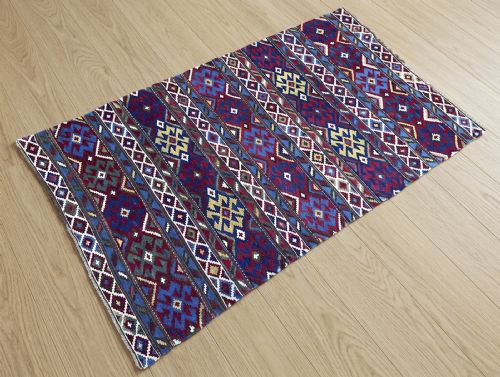
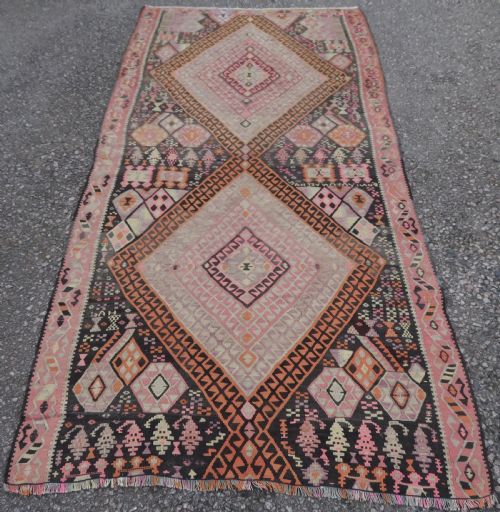
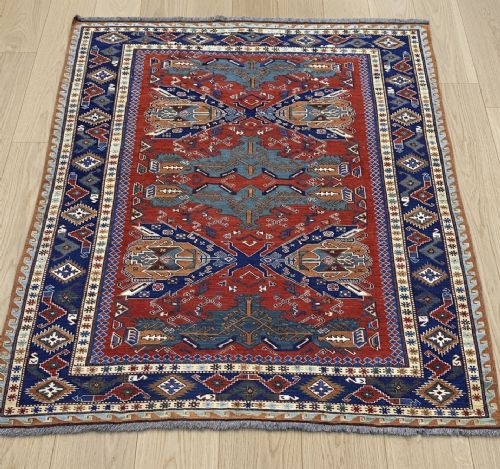
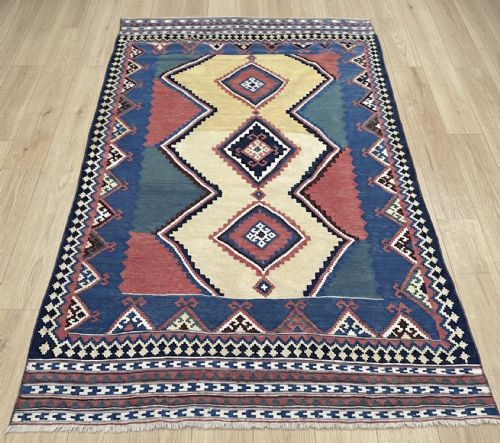
A flatwoven wool area rug brings together centuries of nomadic and village weaving traditions from Persia, the Caucasus, Anatolia, and Eastern Europe. These textiles lack a pile, relying instead on interlocking weft techniques that create crisp, graphic patterns directly within the flat structure.
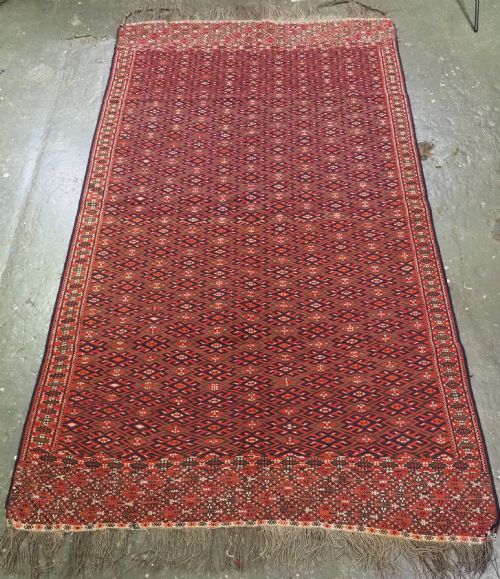
The selections available range from sturdy runner rugs to large carpets originating from tribal groups such as the Qashqai, Baluch, and Yomut Turkmen. Buyers frequently encounter regional kilims and soumaks spanning the late nineteenth century to the mid-twentieth century.
Originating as utilitarian floor coverings, tent dividers, and storage bags, these flatweaves now serve as decorative centerpieces in contemporary interiors. Their enduring appeal lies in the authenticity of their tribal designs and the warmth of their natural materials.
How They Were Made
The primary material is hand-spun sheep wool, sometimes supplemented with cotton foundations or camel hair grounds for varied texture and durability. Weavers utilise traditional slit-tapestry and soumak wrapping techniques to build intricate geometric motifs without cutting yarn.
Natural dye stuffs provided the rich palette seen across these pieces, resulting in deep earthy tones and saturated accents that soften gracefully over time. Certain regions produced two-part rugs, woven separately on narrow looms and joined down the centre to achieve larger dimensions.
Flatwoven Wool Area Rug Retail Price Guide 2026
Typical asking prices for flatwoven wool area rug among the pieces listed under this phrase on Sellingantiques today, from the lower quarter to the upper quarter. They describe what is for sale here now, not the wider market.
What Varies in Quality
Quality rests upon the tightness of the weave and the precision of the geometric layout executed by the weaver. Finer work displays meticulous control over tension, yielding a crisp, stable textile that retains its structural integrity.
The complexity of the regional design and the purity of the wool also dictate the standing of a piece. Strong colour saturation and well-balanced proportions separate standard village outputs from exceptional tribal examples.
The Flatwoven Wool Area Rug Glossary
- Kilim
- A flatwoven textile produced without a pile, traditionally used as a rug, hanging, or utility cover. These pieces are defined by their slit-tapestry weave, which creates small vertical openings where different colour fields meet.
- Soumak
- A flatweaving technique involving coloured weft threads wrapped around the warp threads in a herringbone or braided pattern. This method adds structural thickness and texture to the reverse of the rug.
- Sofreh
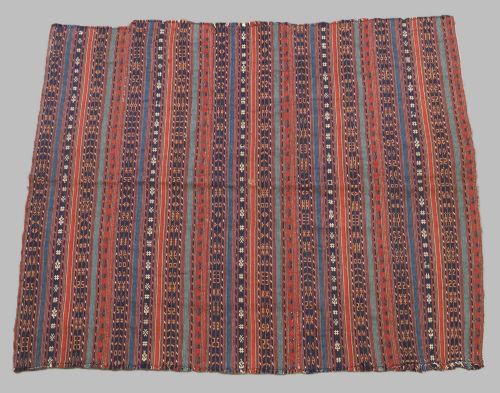
- A utilitarian cloth used for preparing, serving, or storing bread and food within nomadic households. These woven squares often feature striking tribal symbols and minimalist compositions.
- Warp
- The vertical foundation threads stretched tightly on the loom before weaving commences. The weft threads are passed alternately over and under these structural elements.
- Weft
- The horizontal yarn threaded through the warp to create the visible pattern and colour of the textile. In flatweaves, these threads carry the design entirely without supplementary pile knots.
Flatwoven Wool Area Rug: Frequently Asked Questions
How do I care for a flatwoven wool rug?
Vacuum gently using suction only, avoiding beater bars that can catch loose edges or historic threads. Rotate the rug periodically to ensure even wear from foot traffic and sunlight exposure.
Professional cleaning tailored to antique wool is recommended to preserve the natural lanolin and prevent dye bleeding. Promptly blot liquid spills with a clean, dry white cloth rather than rubbing.
Can I use these rugs in high traffic areas?
These durable flatweaves withstand moderate foot traffic in hallways, living rooms, and bedrooms when paired with a quality underlay. The absence of a pile means they resist crushing and clean easily compared to knotted carpets.
Placing a breathable non-slip pad underneath prevents sliding and cushions the thin structure against hard flooring. Lighter utility pieces or delicate historical fragments are better suited to low-traffic display or wall hanging.
How can I tell different regional styles apart?
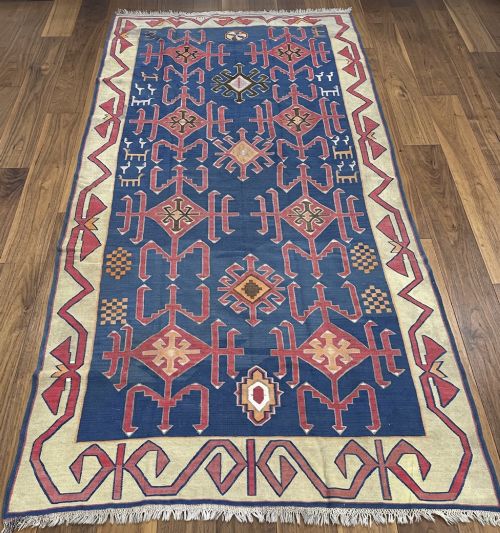
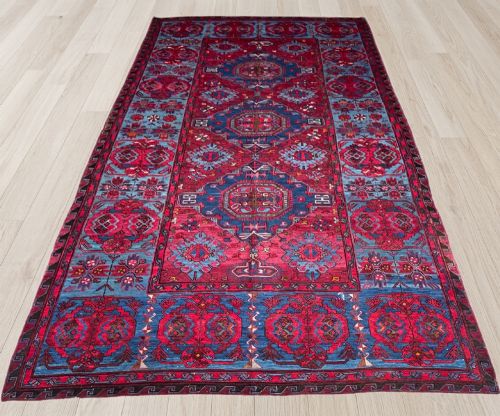
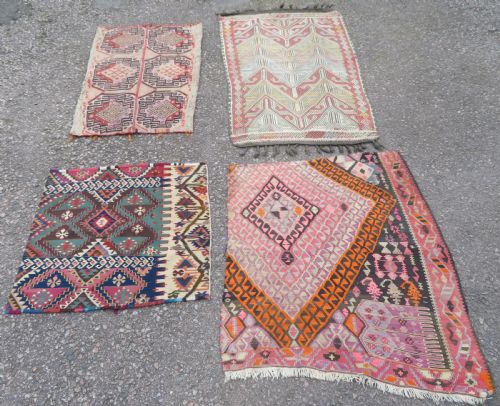
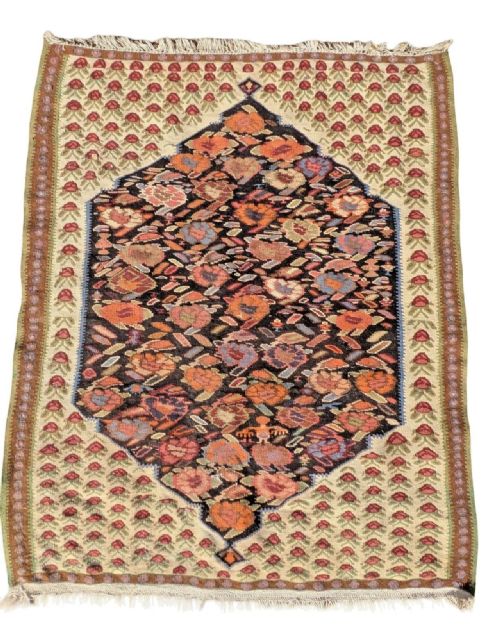
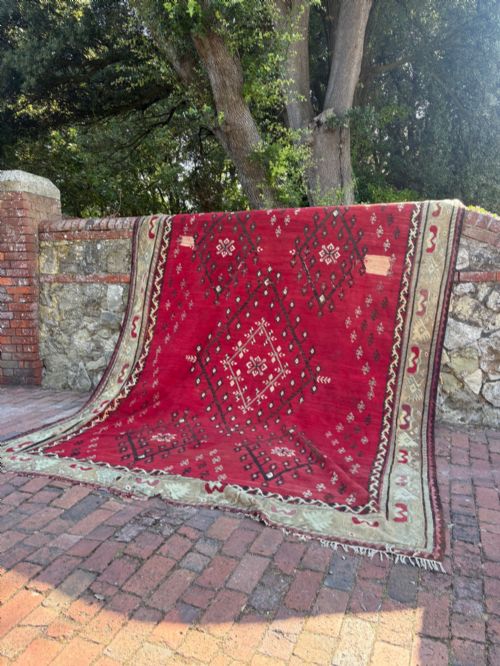
Caucasian and Anatolian pieces often feature sharp, angular polygons, medallions, and bold primary colours arranged in strict geometric grids. Persian tribal weaves, such as those by Qashqai or Baluch makers, frequently employ rich madder reds and dark indigos with intricate boteh or chevron motifs.
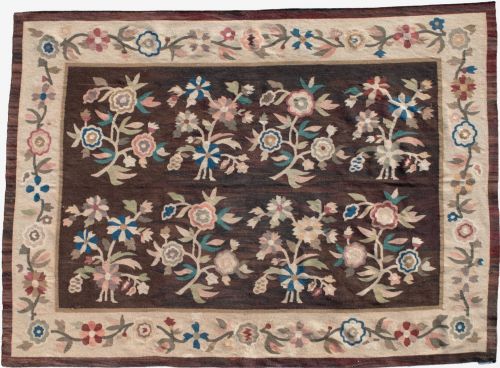
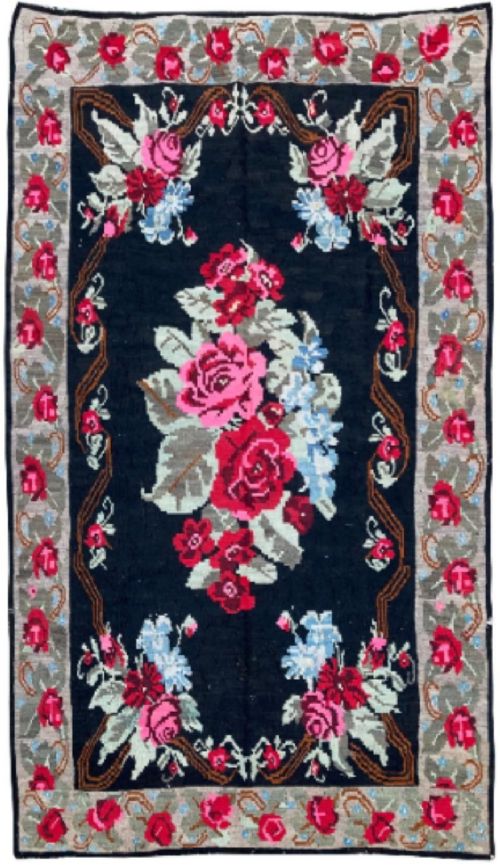
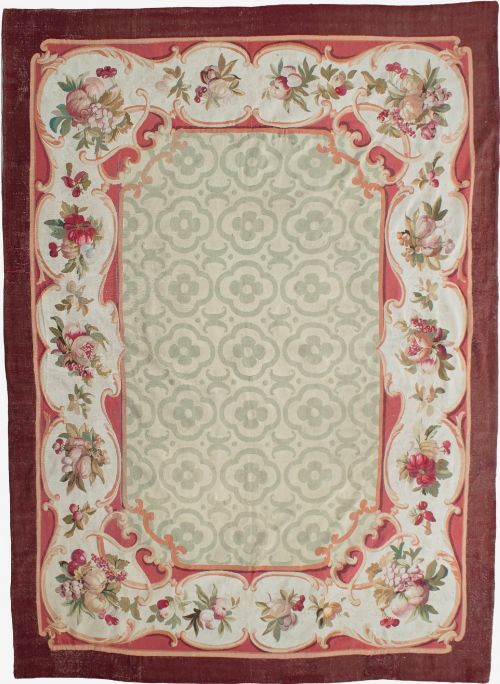
European Bessarabian flatweaves lean toward naturalistic floral sprays and dark grounds inspired by French Aubusson carpets. Examining the structure, edge finishes, and wool quality helps pinpoint the likely workshop or tribal origin.
What is the difference between a kilim and a soumak?
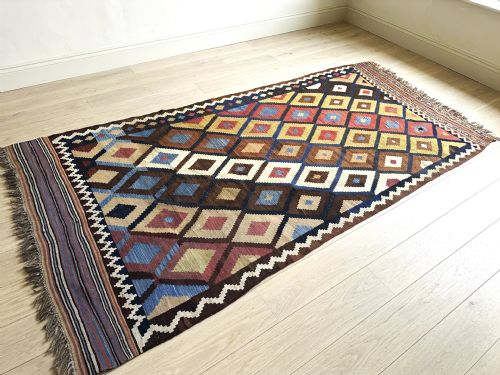
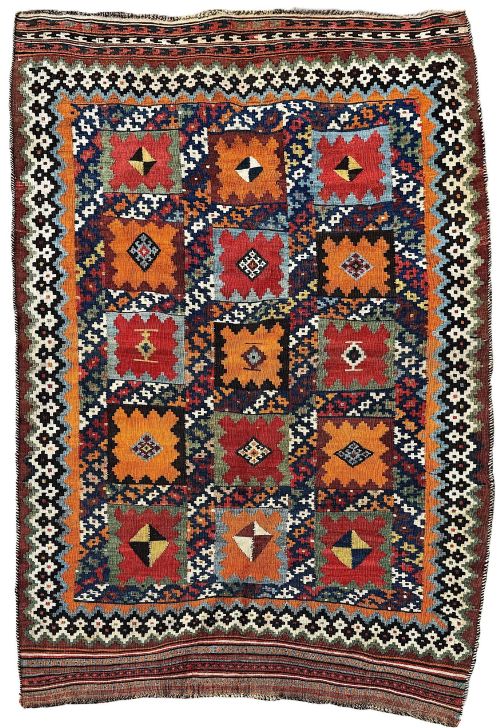
A kilim is constructed using flat slit-tapestry weaving, resulting in a smooth, reversible fabric with slight vertical slits between colour changes. The technique allows for sharp, graphic, geometric patterning.
Soumak incorporates a wrapping technique where coloured wefts loop over and under the warp threads to build a textured surface resembling a braid. This wrapping makes soumak rugs heavier, sturdier, and smoother on the reverse side than standard kilims.