


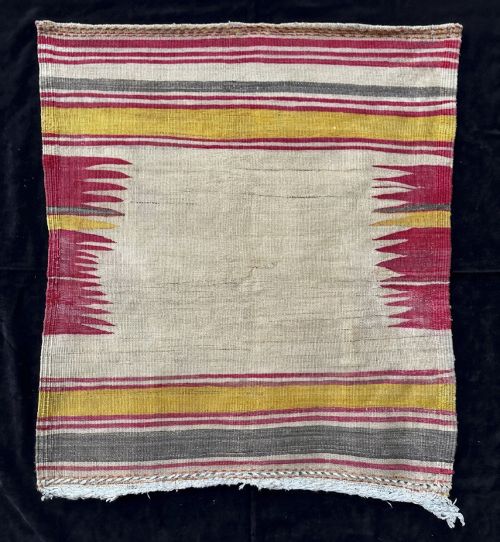

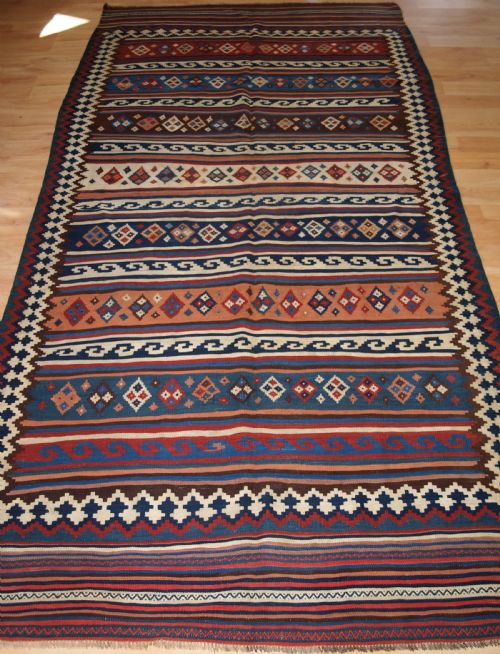


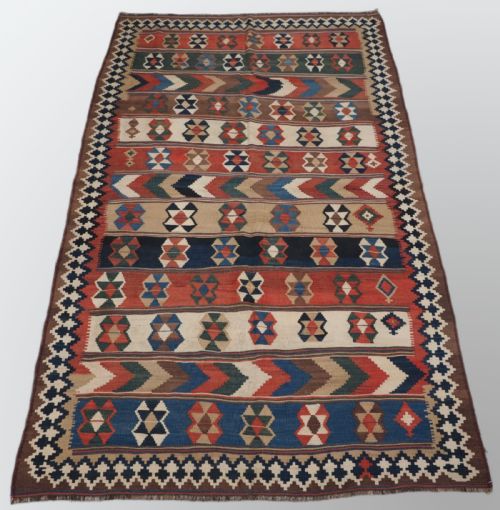

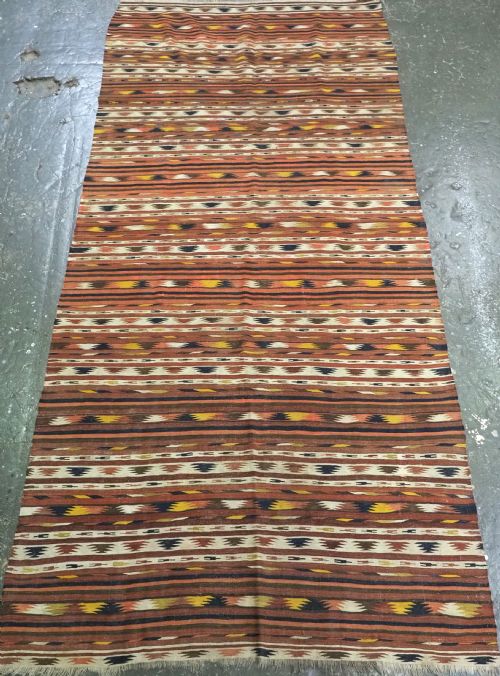


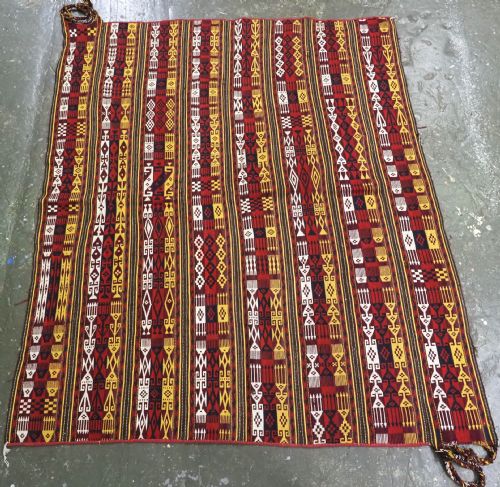
Striped Tribal Kilim
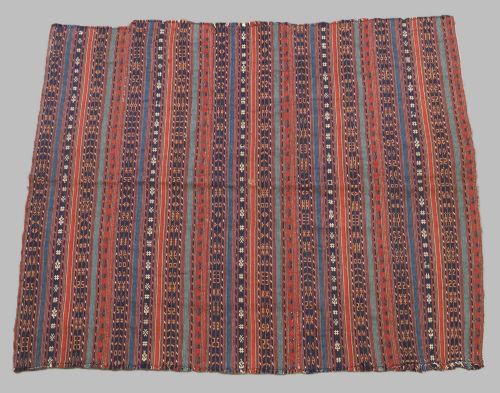
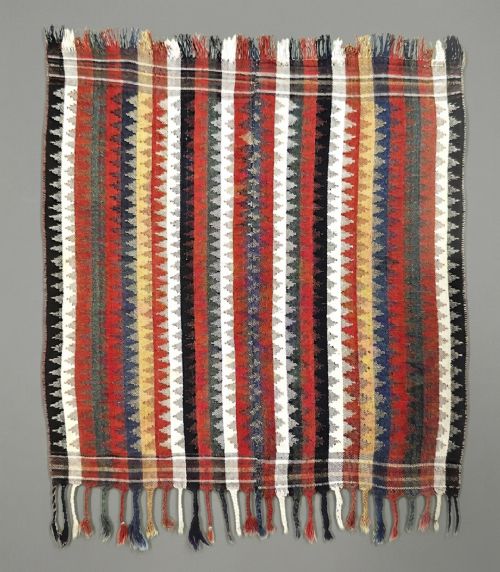
Striped tribal kilim pieces are flatwoven textiles carrying linear patterns, sought by collectors for their bold geometry and authentic nomadic origins.
Striped Tribal Kilim
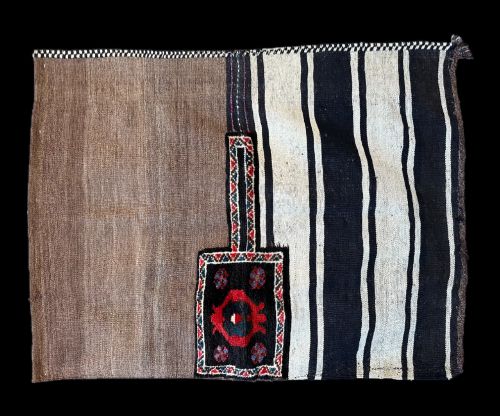
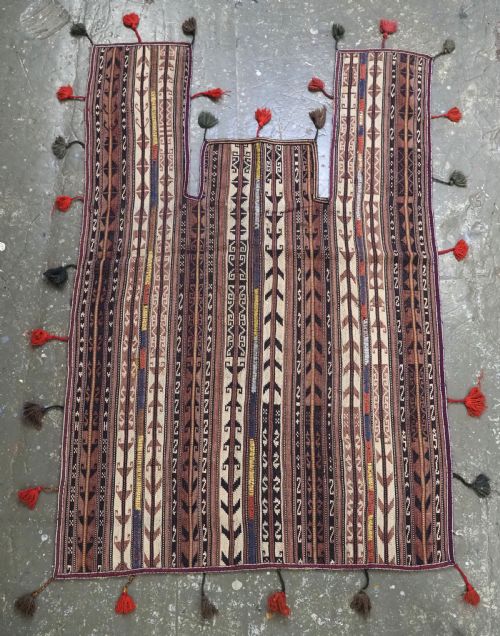
A striped tribal kilim sits within a category of flatwoven floor coverings, grain sacks, and horse blankets originating from nineteenth and early twentieth-century nomadic groups. These items include utilitarian objects such as bread sofreh and wheat sacks alongside decorative panels.
The most common examples on this page date from the decades around 1900, originating from Persian, Caucasian, and Central Asian regions. Buyers frequently encounter banded flatweaves created by tribes including the Qashqai, Yomut Turkmen, and Uzbek.
Forms vary from large rugs and dining sofreh to smaller bag faces, tent bands, and joined mafrash panels. Each piece reflects the functional requirements of tribal life combined with traditional local patterns.
Materials and construction
Weavers utilised hand-spun wool as the primary foundation material, frequently supplemented by cotton, goat hair, and camel hair for structural durability. These natural fibres were processed locally and combined with metal elements or leather attachments on specific utilitarian forms.
Natural dyes provide the distinctive colour palette seen across these flatweaves, producing deep tones within the banded and graphic designs. Artisans employed slit-tapestry and cicim techniques to create crisp geometric transitions between the stripes.
Striped Tribal Kilim Retail Price Guide 2026
Typical asking prices for striped tribal kilim among the pieces listed under this phrase on Sellingantiques today, from the lower quarter to the upper quarter. They describe what is for sale here now, not the wider market.
The listings span six distinct decades between 1870 and 1920, showcasing wool, cotton, goat hair, camel hair, leather, and metal.
Quality distinctions
Superior quality rests in the tightness of the weave and the precision of the geometric layout, where fine handling produces crisp pattern boundaries. Pieces demonstrating exceptional fineness in flatweave construction command greater attention from collectors.
The vibrancy and integrity of the natural dyes separate standard examples from finer works, alongside the complexity of the banded or graphic design. Intact utility pieces that retain their original scale and structural wholeness represent the upper tier of the range.
The Striped Tribal Kilim Glossary
- Kilim
- A flatwoven textile produced without a pile by tightly interweaving warp and weft threads. This technique creates a lightweight fabric utilised for rugs, covers, and utilitarian bags.
- Sofreh
- A spread or cloth used during meals or dough preparation, often featuring strong linear patterns. These utilitarian textiles double as decorative flatweaves.
- Cicim
- A supplementary weft-float embroidery technique sewn onto a plainweave foundation. This method introduces raised geometric patterns across the textile surface.
- Tacheh
- A traditional woven grain or wheat sack made by tribal weavers. These containers typically display bold horizontal banding.
Striped Tribal Kilim: Frequently Asked Questions
How were striped tribal kilims used originally?
Nomadic communities used these flatweaves for practical household tasks, including storing grain, carrying bread, and covering horses. They also served as floor coverings and dining spreads inside tents.
Over time, many utilitarian objects were adapted into decorative wall hangings or smaller floor rugs while retaining their original woven structure.
Where do these tribal flatweaves originate?
The pieces originate across Persia, the Caucasus, and Central Asia, produced by specific tribal groups and regional populations. Prominent origins include Uzbek, Turkmen, Qashqai, and Shahsavan territories.
Each region developed distinct palettes and weaving techniques that identify the provenance of individual textiles.
How do you date an antique kilim?
Dating relies on examining the types of natural dyes used, the spin and quality of the wool, and traditional tribal design markers. Pieces on this page generally span the late nineteenth century to the early decades of the twentieth century.
Structural wear patterns and construction methods further help narrow the period of creation.
How should I care for a textile rug?
Protect the flatweave by placing it in low-traffic areas away from direct, harsh sunlight to preserve the natural plant and insect dyes. Gentle vacuuming without a rotating brush helps remove embedded dust.
Professional textile conservation cleaning should be utilised when deep washing becomes necessary.