





Hand Woven Turkmen Bag
When you examine a hand woven turkmen bag, you encounter tribal textiles made for nomadic life across Central Asia.
Hand Woven Turkmen Bag
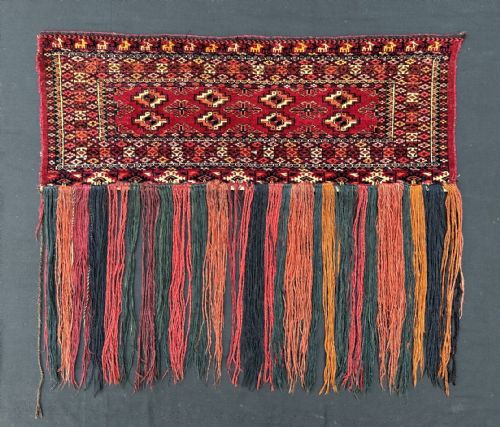
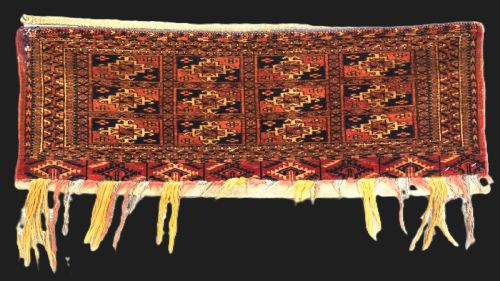
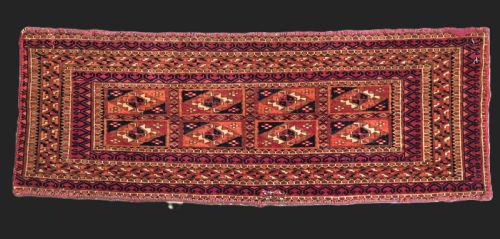
A hand woven turkmen bag represents utilitarian nomadic artistry, originally produced by tribes such as the Tekke, Yomut, Ersari, Saryk, Chodor, and Salor for storage within the tent.
The selection includes specific functional forms like torbas, chuvals, kap, and mafrash, alongside specialised containers like spindle bags.
Most examples date from the nineteenth century, ranging from complete pieces with original plain weave backs to surviving pile faces and fragments.
Wool, dye, and construction
Weavers utilised hand-spun wool for the pile, foundations, and plain weave backs, frequently incorporating cotton and linen for structural contrast.
Colour derives from natural dyes applied to dyed yarn, yielding deep madder reds and secondary tones that define tribal palettes.
Hand Woven Turkmen Bag Retail Price Guide 2026
Typical asking prices for hand woven turkmen bag among the pieces listed under this phrase on Sellingantiques today, from the lower quarter to the upper quarter. They describe what is for sale here now, not the wider market.
Materials recorded across the inventory include hand-spun wool, cotton, linen, and natural dyes applied to dyed yarn.
Assessments of weave and design
The density of the knotting dictates the refinement of the piece, with tightly packed structures separating finer works from standard tribal production.
Clarity and precision in repeating primary motifs, such as guls, and the completeness of the original construction influence the standing of an individual storage bag.
The Hand Woven Turkmen Bag Glossary
- Torba
- A small horizontal storage bag used inside the nomadic dwelling. It typically hung against the lattice wall to hold personal possessions.
- Chuval
- A large tent storage bag designed for bedding and bulky household goods. These were produced in matching pairs by tribal weavers.
- Gul
- A primary medallion motif repeated across the field of the textile. Different tribal groups developed distinct guls to signal lineage.
- Mafrash
- A rectangular storage container or mattress bag. Pieces of this type often survive as single faces rather than complete boxes.
- Kap
- A general term for a bag or small container. It covers various utilitarian pouches used across Central Asian nomadic encampments.
Hand Woven Turkmen Bag: Frequently Asked Questions
What were these bags used for?
Nomadic families utilised these woven pieces inside tents to store clothing, bedding, and smaller household goods.
They served both practical storage functions and decorative roles within the portable dwelling.
How do I identify tribal groups?
Tribal attribution relies primarily on the repeating primary motifs, known as guls, and the secondary border designs.
Specific structural traits and regional colour palettes also help distinguish work by Tekke, Yomut, or Ersari weavers.
Are complete bags common?
Many surviving examples are individual pile faces separated from their original plain weave backs over time.
Completely intact pieces that retain their original backs remain scarcer finds for collectors.
How should I display them?
Smaller torbas and bag faces work well mounted on textile-safe backing for wall display.
They require protection from direct sunlight and regular gentle rotation to preserve the natural wool pile.