



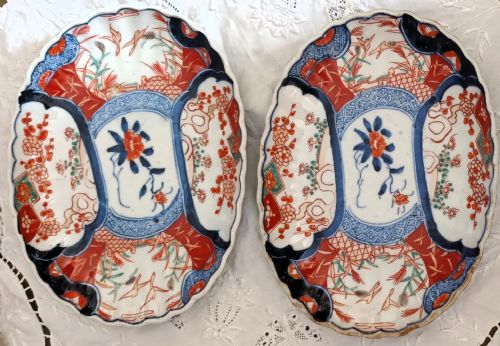
Hand Painted Pottery Dishes
Hand painted pottery dishes bring centuries of pigment and form to a table, offering hand-brushed motifs from European delftware to Japanese Satsuma.
Hand Painted Pottery Dishes
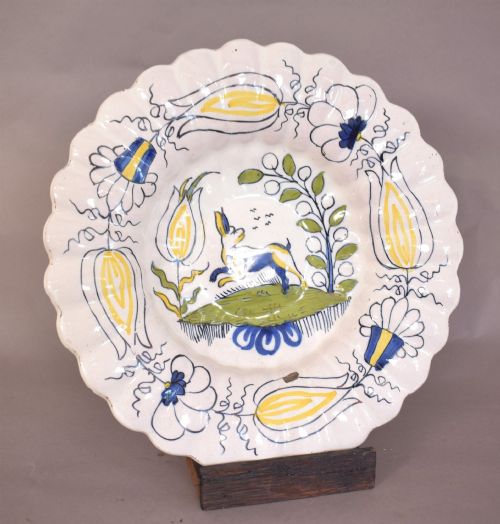
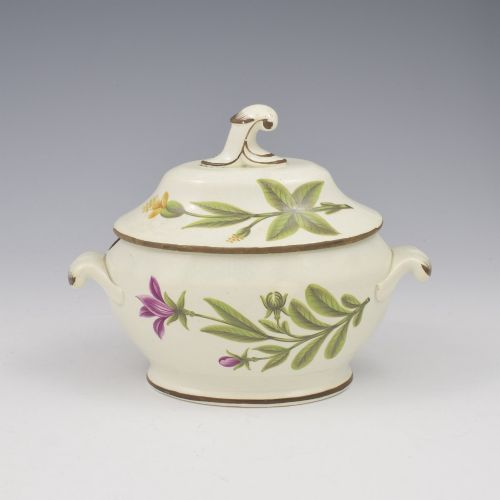
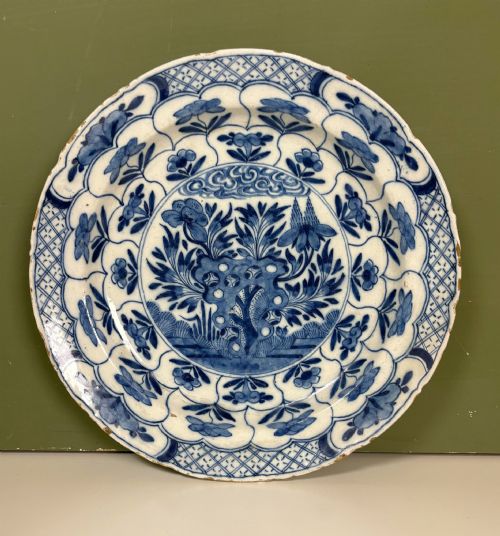
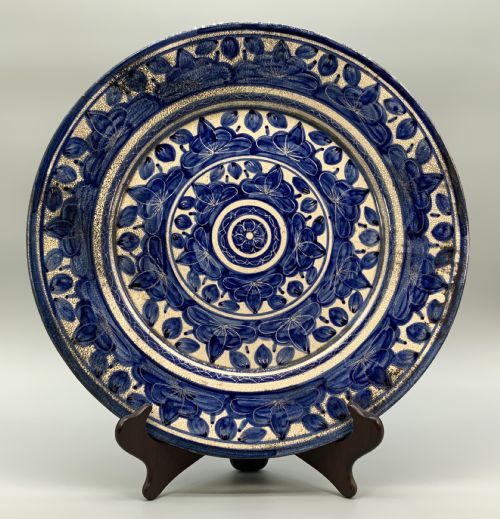
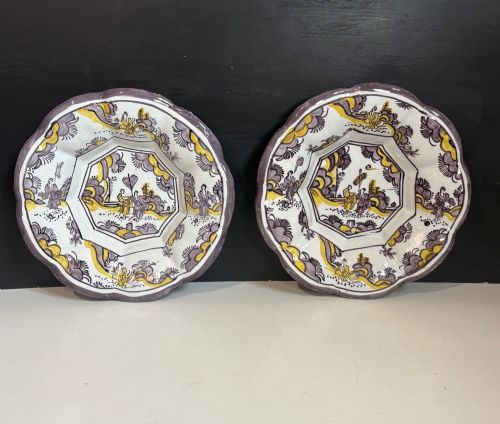
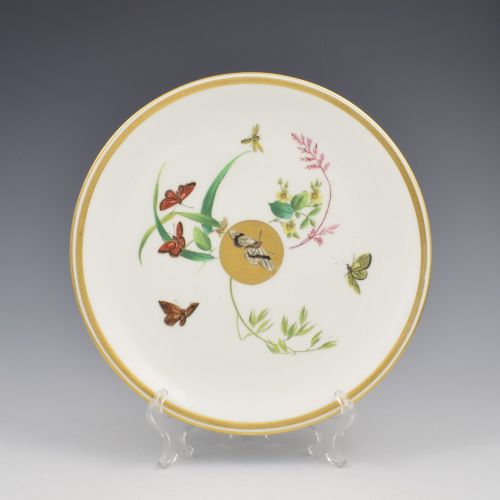
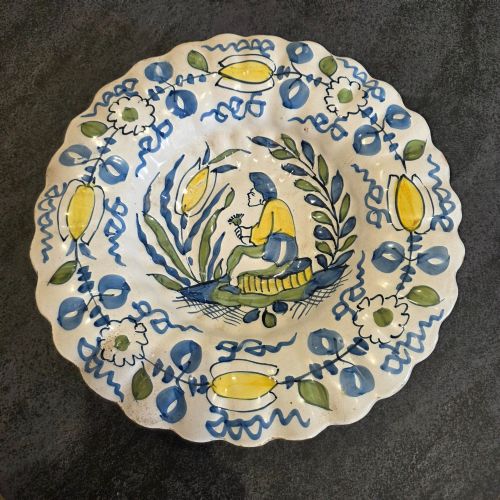
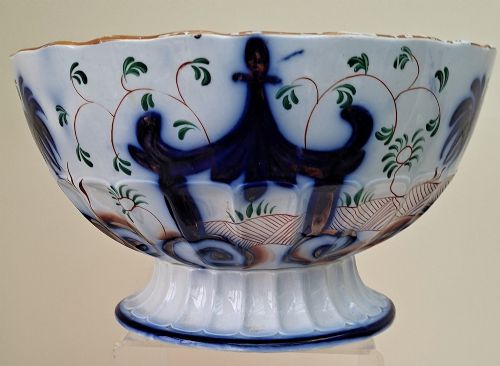
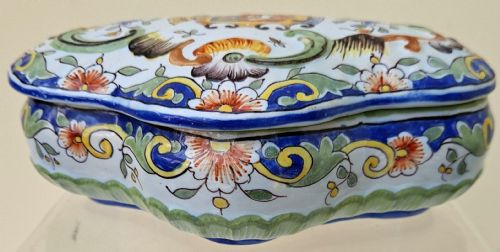
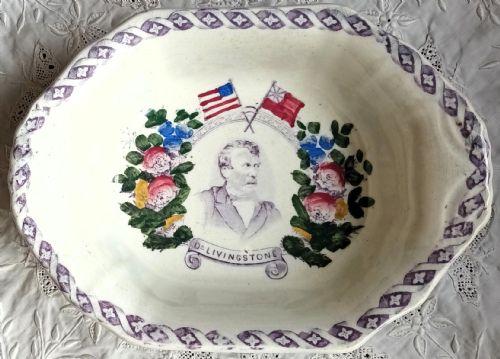
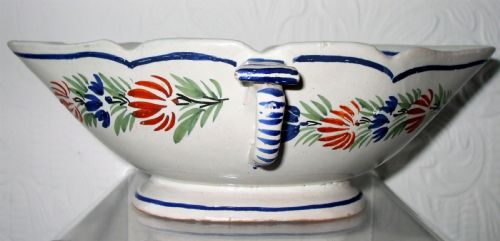
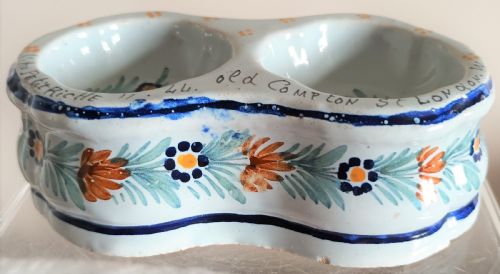
When you search for hand painted pottery dishes, you meet a wide range of decorated tableware, charger plates, bowls, and salt cellars spanning several centuries. The selection leans heavily toward tin-glazed earthenware and Japanese porcelain, including significant groupings of 18th-century Delft and Meiji period Satsuma ware.
Forms vary from large decorative wall chargers and barber's bowls down to smaller pin trays and dessert plates. European pieces often display blue and white or polychrome floral patterns, while Japanese items frequently incorporate detailed gilding alongside birds and landscapes.
Materials and Techniques
Makers shaped these items from earthenware, ceramic, and porcelain bodies before applying tin glaze or enamel coatings by hand. Pigments were brushed directly onto the raw or fired glaze surfaces, absorbing the mineral colours during kiln firing.
Certain wares received secondary applications of gold leaf to accentuate painted motifs, particularly on Satsuma pottery and Victorian dessert services.
Listings span from the 17th century through the Georgian and Victorian eras up to the 1930s, featuring earthenware, porcelain, and tin glaze.
Judging Quality
Quality rests in the crispness and control of the brushwork, alongside the stability of the glaze beneath the painted design. Finer pieces demonstrate confident, fluid strokes that define botanical elements or figures without messy pooling.
The complexity of the palette and the precision of any gilt detailing also distinguish standard domestic wares from exhibition-grade studio pieces.
Koshida·Minton·Copeland·Mann Co·Toshozan
The Hand Painted Pottery Dishes Glossary
- Tin glaze
- An opaque white glaze produced by adding tin oxide to lead glaze, providing a smooth background for painted decoration. It absorbs cobalt pigment to create traditional blue and white designs.
- Charger plate
- A large decorative plate or platter traditionally displayed on walls or used as a base during formal dining. These items frequently carry the most ambitious painted scenes.
- Faience
- European tin-glazed earthenware, particularly associated with French and continental production centres. The technique produces a porous ceramic body beneath an opaque white surface.
- Satsuma ware
- Japanese earthenware with an ivory crackle-glaze, traditionally overpainted with enamels and gold leaf. These pieces originate largely from Kyoto and surrounding regions.
- Polychrome
- Decoration employing multiple distinct colours rather than a single monochrome pigment. On these dishes, palette choices often indicate specific regional workshops or periods.
Hand Painted Pottery Dishes: Frequently Asked Questions
What are hand painted pottery dishes?
These items are ceramic vessels, plates, and bowls decorated entirely by hand with mineral pigments and glazes. They encompass centuries of production from European delftware potteries to Japanese Meiji period kilns.
Buyers encounter various forms ranging from large chargers meant for display to small salt cellars and pin trays utilised in daily life.
How do I care for antique pottery dishes?
Antique pottery requires gentle handling and careful washing by hand using mild soap and lukewarm water. Avoid soaking pieces with delicate tin glaze or gold leaf decoration.
Display them away from direct sunlight and extreme temperature fluctuations to protect the underlying ceramic body and surface pigments.
What is the difference between Satsuma and Imari ware?
Satsuma ware is characterised by an earthenware body with a fine ivory crackle-glaze, decorated with detailed enamel paintings and gold leaf. It relies on a matte, textured finish.
Imari ware uses a porcelain body painted primarily in underglaze blue and iron red, frequently accented with gilding in a brighter, more reflective palette.