



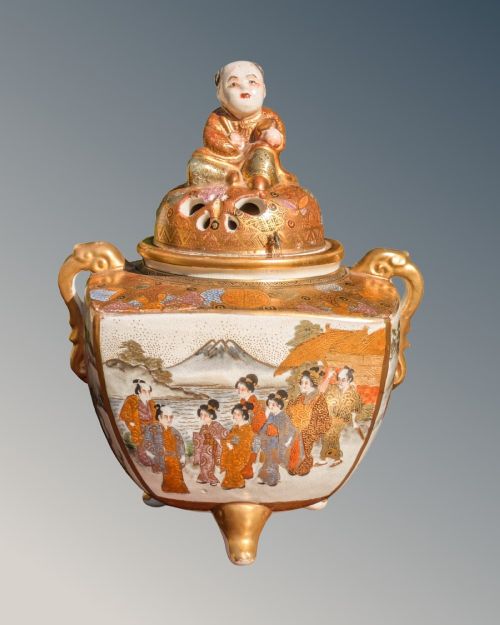
Hand Painted Porcelain Pot
These hand painted porcelain pot pieces combine decorative artistry and domestic utility, offering collectors rich painted detail and period ceramic form.
Hand Painted Porcelain Pot
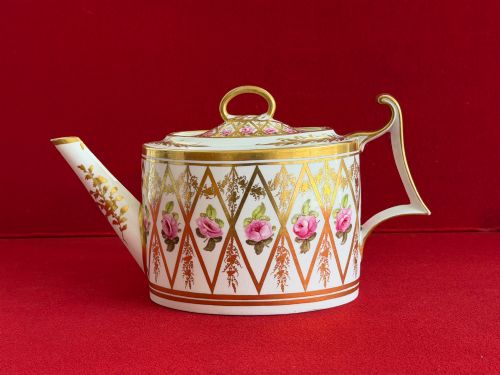
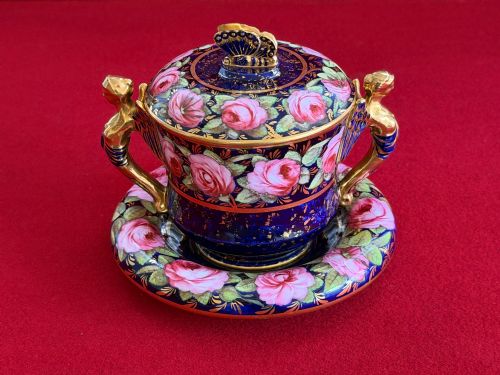
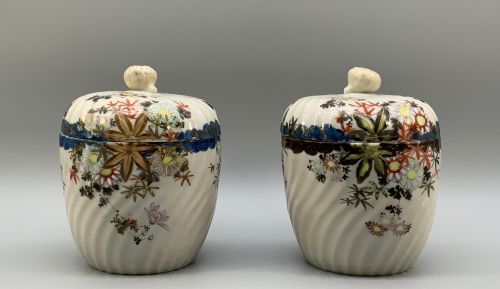
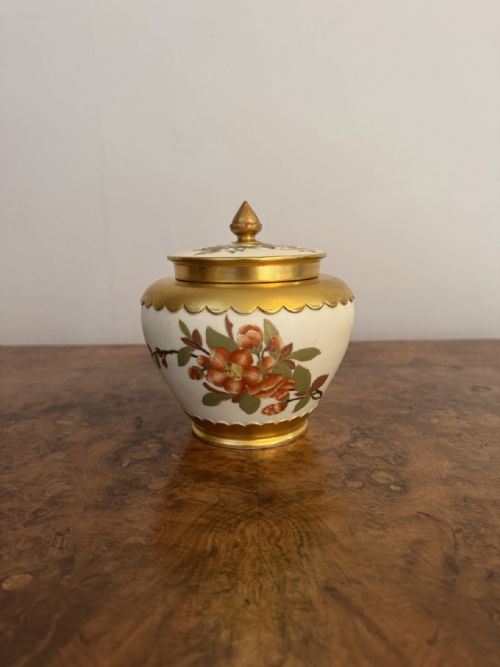
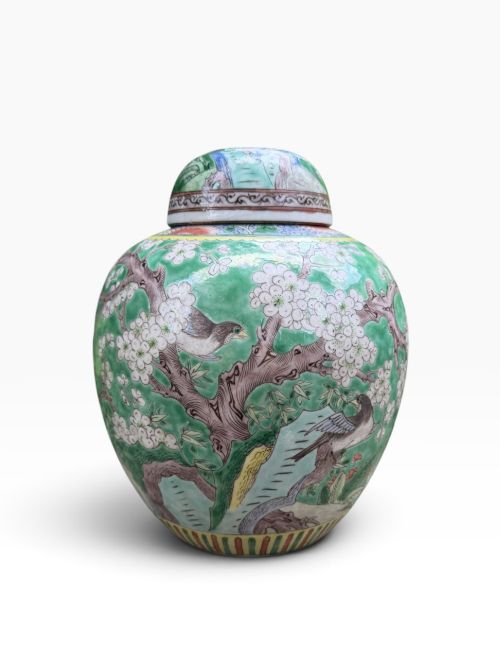
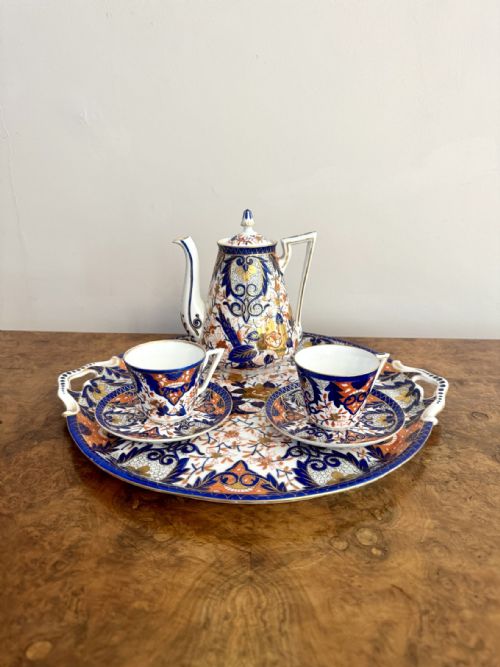
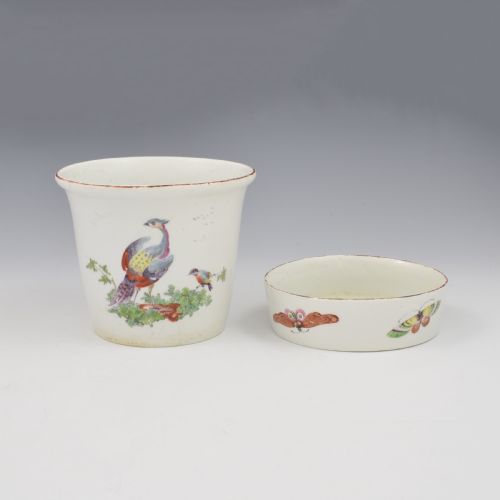
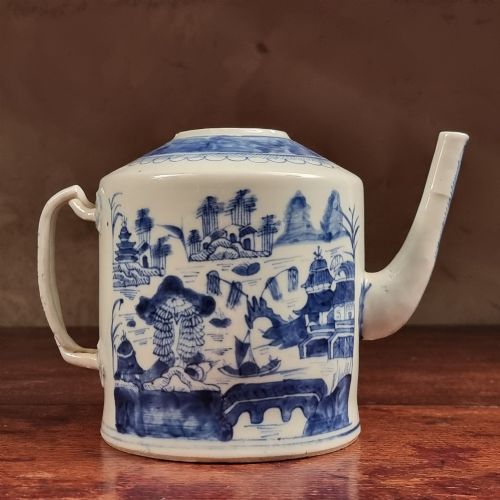
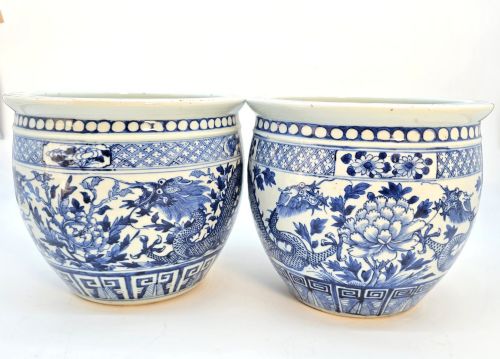
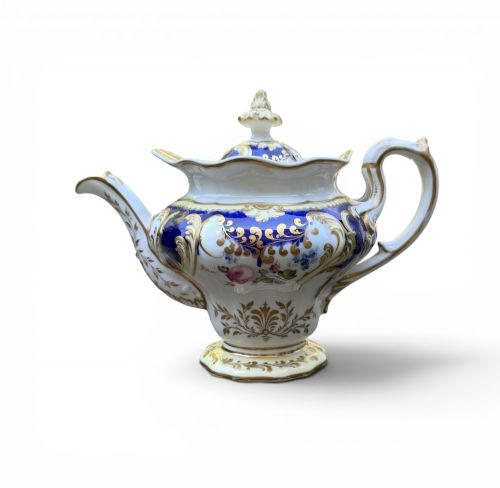
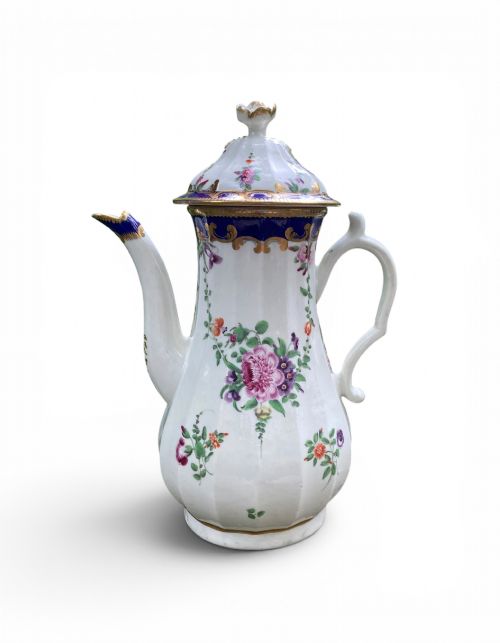
When you search for a hand painted porcelain pot, you encounter vessels ranging from nineteenth-century European wares to twentieth-century Chinese and English pieces. The selections include coffee pots, tea pots, cache pots, planters, and pot pourri containers that span diverse ornamental traditions.
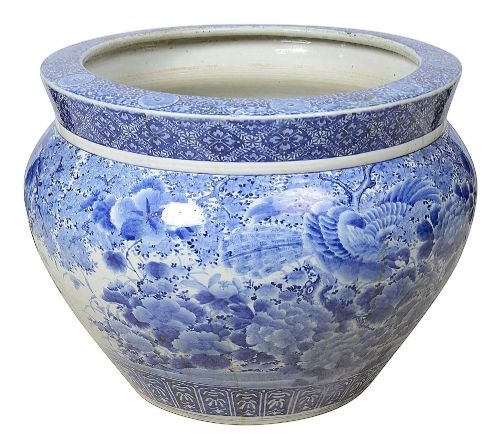
You are most likely to meet planters, jardinieres, and coffee pots on this page, drawing on Chinese Qing style, traditional English fine china, and Rococo aesthetics. These forms reflect both practical household use and dedicated cabinet display across different decades and centuries.
The origins stretch from British manufactories like Royal Worcester and Ridgway to continental European makers such as KPM and Royal Bayreuth, alongside marked Chinese export pieces. Each piece carries hand-applied brushwork showing floral, bird, and fruit motifs.
How they were made
Makers shaped these objects using porcelain and bone china, firing the clay bodies at high temperatures to achieve a hard, vitreous finish. Artisans then applied enamel pigments by hand, sometimes incorporating gold leaf and gilt accents to highlight rims, handles, and raised surface details.
The decoration relies on meticulous brushwork executed directly onto the glazed ceramic surface before secondary firing fixed the colours. Certain items feature intricate moulded elements like faux bamboo or hexagonal geometry, integrating form and painted ornament.
What varies in quality
Quality in a hand painted porcelain pot rests upon the precision and fluency of the brushwork, distinguishing hurried commercial output from master painter execution. Pieces signed by known artists or bearing specific factory marks demonstrate higher artistic ambition and execution.
The refinement of the porcelain body, the purity of the enamel colours, and the sophisticated use of gold leaf or gilt detailing elevate certain examples above standard domestic wares. The harmony between the sculptural form and the painted subject defines the upper tier of the range.
Royal Worcester·KPM·Ridgway·Royal Bayreuth
The Hand Painted Porcelain Pot Glossary
- Porcelain
- A hard, fine-grained ceramic material fired at high temperatures until translucent. It forms the base body for the majority of these decorated vessels.
- Enamel
- Opaque glass-based pigment applied to the ceramic surface in liquid form and fired to create durable, brightly coloured decoration. It allows for detailed pictorial scenes and botanical studies.
- Gilt
- A thin layer of gold applied to ceramic surfaces to accentuate handles, rims, and moulded details. This technique adds richness and reflects light across the piece.
- Cache pot
- An ornamental flowerpot used to conceal a plain inner plant container. These decorative vessels often feature hand-painted motifs suited for interior display.
- Pot pourri
- A vessel designed to hold dried scented plant material, featuring a pierced or perforated lid to release fragrance. These containers frequently showcase elaborate painted compositions.
Hand Painted Porcelain Pot: Frequently Asked Questions
What is a hand painted porcelain pot used for?
These vessels served various functions depending on their specific form, ranging from serving hot beverages to housing indoor plants and holding dried scented botanicals. Coffee pots and teapots operated as practical dining table wares, while cache pots, planters, and pot pourri jars functioned as decorative interior furnishings.
Over time, many of these utilitarian objects transitioned into display pieces appreciated for their artistic painted decoration rather than daily domestic service. Their survival in collections highlights their enduring appeal as both decorative accents and functional antiques.
How do I identify the period of a piece?
Dating relies on examining factory marks, seals, artist signatures, and stylistic traits associated with specific manufacturing eras. Nineteenth-century examples often display distinct rococo flourishes or early transfer-printed and hand-painted combinations, while twentieth-century pieces incorporate cleaner seals and distinct twentieth-century palettes.
Comparing the potting style, handle formations, and enamel brightness against known regional outputs helps narrow the timeframe of manufacture. Signed works by specific decorators also provide crucial clues for establishing production decades.
Are all these pots made of bone china?
The evidence shows a distinction between standard porcelain and bone china across different regional traditions and periods. While many items utilise traditional hard-paste or soft-paste porcelain, English manufactories frequently employed bone china for its particular density and whiteness.
Examining the translucency and weight of the ceramic body reveals the specific material composition used by the maker. Both porcelain and bone china served as stable grounds for the detailed enamel painting found on these pots.
What styles influence these painted pots?
The recorded pieces draw upon Chinese Qing style, traditional English fine china aesthetics, and continental Rococo design principles. These diverse artistic currents manifest in the choice of motifs, from naturalistic fruit and foliage to structured hexagonal geometry and traditional bird-and-peony compositions.
Makers reinterpreted these historic styles through hand-painted brushwork, blending Eastern and Western decorative traditions across different centuries. This stylistic variety gives each piece its distinct visual character and collector interest.