



English Bone China Pot
An english bone china pot brings refined ceramic artistry to the table, offering lasting utility and timeless decorative charm for the discerning collector.
English Bone China Pot
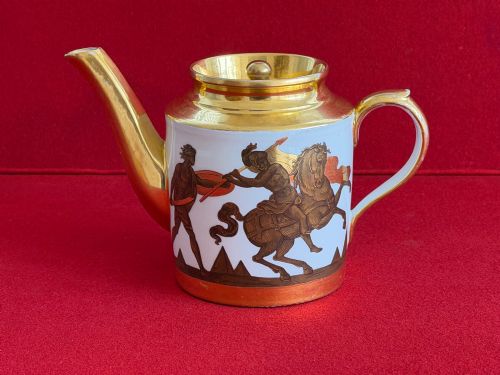
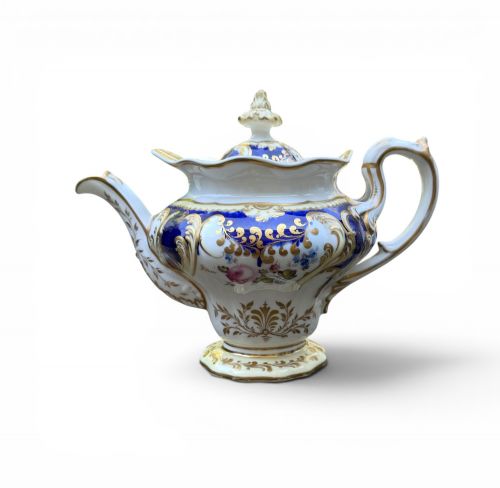
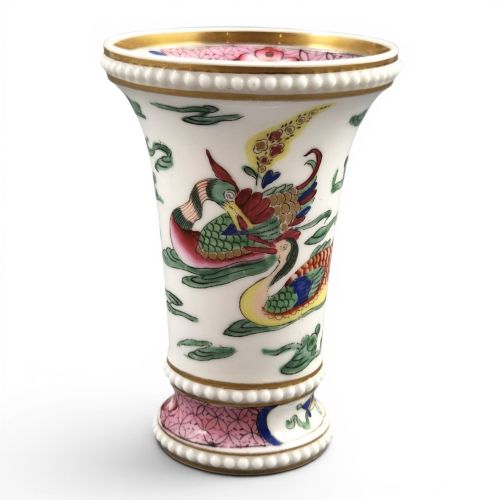
When searching for an english bone china pot, collectors encounter a diverse array of utilitarian and decorative vessels spanning the Georgian, Victorian, and mid-twentieth-century periods. These range from functional teapots and coffee pots to decorative ginger jars and pot pourri vases created by esteemed English potteries.
The pieces most frequently met on this page showcase traditional forms decorated with hand-painted motifs, cobalt enamel, and rich gilding. Styles stretch from classic Regency designs and rococo revival shapes to mid-century botanical and fruit compositions.
Craftsmanship and Materials
Makers utilised refined bone china and porcelain bases, forming vessels that balance delicate translucency with remarkable structural durability. Firing techniques allowed potteries to achieve smooth surfaces ideal for detailed overglaze decoration.
Artisans applied intricate surface finishes using gold leaf, gilding, and vibrant enamel colours. Many decorative pots feature hand-painted fruit and botanical scenes signed by notable artists, requiring precise brushwork and multiple kiln firings.
English Bone China Pot Retail Price Guide 2026
Typical asking prices for english bone china pot among the pieces listed under this phrase on Sellingantiques today, from the lower quarter to the upper quarter. They describe what is for sale here now, not the wider market.
The selection spans functional coffee pots and teapots alongside decorative ginger jars and pot pourri vessels.
Factors of Quality
Superior examples distinguish themselves through the precision of their hand-painted decoration and the crispness of their moulded porcelain forms. Master artists employed by premier factories achieved remarkable depth and realism in floral and fruit subjects.
The application of gold leaf and enamel also separates finer items from standard production pieces. Rich, burnished gilding and well-preserved polychrome enamel indicate skilled handiwork and careful preservation over centuries.
Derby Porcelain·Spode Porcelain·Coalport·Royal Worcester
The English Bone China Pot Glossary
- Bone china
- A type of porcelain composed of clay mixed with bone ash, producing a strong, milky-white body that transmits light. This material allows for thinner walls without sacrificing durability.
- Gilding
- The application of gold leaf or powdered gold paint to ceramic surfaces for ornamentation. It appears frequently along handles, rims, and painted borders.
- Cobalt enamel
- A deep blue vitreous pigment fused to the ceramic body during firing. It provides a striking contrast against white porcelain backgrounds.
- Sucrier
- A small covered sugar bowl designed to match a tea or coffee service. These vessels often mirror the decorative pattern and handle styling of their companion teapots.
- Pot pourri vase
- A decorative lidded vessel pierced or shaped to allow dried scented plant materials to fragrance a room. Many examples feature elaborate hand-painted panels.
- Spill vase
- A tall, narrow ceramic tube historically used to hold wooden spills for lighting candles or fires. They often share matching decorative motifs with larger table wares.
English Bone China Pot: Frequently Asked Questions
What is an english bone china pot?
An english bone china pot is a ceramic vessel created from bone ash and clay, historically used for serving tea or coffee, or as a decorative container like a ginger jar.
These pieces reflect the shifting artistic tastes of British ceramic design across multiple centuries.
How do I identify a period piece?
Period identification relies on examining the factory mark, the style of decoration, and the manufacturing technique visible on the base of the vessel.
Georgian and Regency items often display hand-painted floral patterns, while mid-century examples feature detailed fruit studies by named artists.
Were these pots used daily?
Many tea and coffee pots served practical daily functions in nineteenth-century households, enduring regular handling during formal dining.
Other ornamental forms, such as pot pourri vases, were strictly intended for display in drawing rooms and parlours.
How should I clean my pot?
Ceramic vessels require gentle hand washing in warm water using mild soap to protect fragile enamel and delicate gilding.
Harsh abrasives and modern dishwashers must be avoided to preserve the historic surface finishes and hand-painted details.