



Gilded Bone China Pot
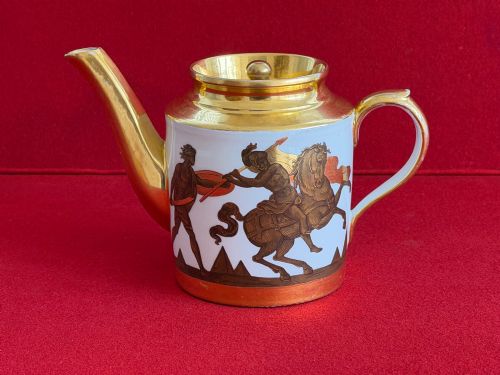
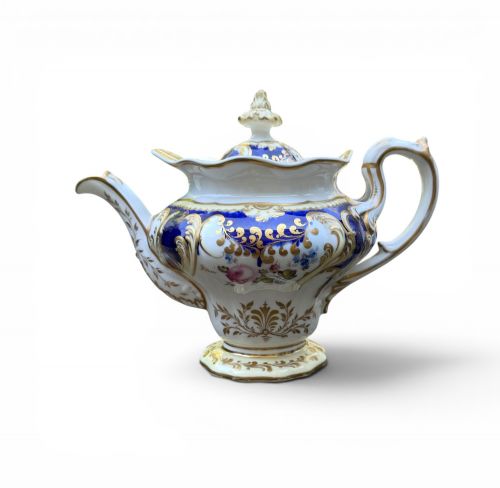
A gilded bone china pot brings brilliant hand-painted botanical or fruit motifs and gleaming metal leaf straight to a tabletop.
Gilded Bone China Pot
A gilded bone china pot encompasses teapots, coffee pots, sugar bowls, chocolate cups, ginger jars, and pot pourri vessels spanning from the Georgian and Regency eras through the Edwardian period and mid-twentieth century.
Makers such as Derby, Spode, and Royal Worcester created these ceramics for functional service or decorative display, frequently applying rich enamel palettes alongside bright gold leaf.
Buyers exploring this selection encounter traditional English porcelain forms decorated with elaborate handpainted details and lustrous gilding across various historic production years.
How they were made
Potters shaped fine bone china and porcelain bodies before firing them to create a durable, smooth base for subsequent artistic decoration.
Craftsmen applied intricate enamel colours and gold leaf by hand, often featuring detailed painted fruit or floral panels that required careful secondary kiln firings to fuse the metals and pigments.
Gilded Bone China Pot Retail Price Guide 2026
Typical asking prices for gilded bone china pot among the pieces listed under this phrase on Sellingantiques today, from the lower quarter to the upper quarter. They describe what is for sale here now, not the wider market.
Early nineteenth-century chocolate cups came with matching covers to keep spiced morning drinks warm while gossiping in bed.
What varies in quality
The sophistication of the handpainted decoration separates standard production pieces from masterwork creations, particularly when signed by known studio artists.
The precision and thickness of the gilding, alongside the purity of the bone china body, dictate the overall elegance and refinement of the vessel.
Derby Porcelain·Spode Porcelain·Royal Worcester
The Gilded Bone China Pot Glossary
- Bone china
- A type of porcelain incorporating animal bone ash, resulting in a strong, milky-white ceramic body. This material allows for thin, delicate walls while maintaining structural durability.
- Gilding
- The application of gold leaf or gold paint to the surface of ceramics. It highlights rims, handles, and decorative borders.
- Sucrier
- A covered sugar bowl designed for use during tea or coffee service. These vessels mirror the decorative patterns of their matching teapots.
- Pot pourri
- A decorative vase or jar featuring a pierced cover designed to diffuse dried scented flowers. These pieces often showcase elaborate handpainted fruit motifs.
- Enamel
- Opaque vitreous glass fused to the ceramic surface through firing. It provides vibrant, permanent colour to floral and pictorial scenes.
Gilded Bone China Pot: Frequently Asked Questions
What is a gilded bone china pot?
A gilded bone china pot is a ceramic vessel, such as a teapot, coffee pot, or ginger jar, finished with hand-painted details and metallic gold leaf.
These pieces range from early nineteenth-century Georgian tableware to mid-century decorative Royal Worcester art pottery.
How were these pots used?
Many of these vessels served practical functions during formal tea and coffee services in wealthy households.
Others, such as ginger jars and pot pourri vases, served purely decorative purposes in drawing rooms and parlours.
How do I date a piece?
Dating relies on maker marks, ceramic bodies, and stylistic indicators such as Regency neo-classical forms or Edwardian floral painting.
Comparing pattern numbers and artist signatures also helps establish the specific production era.