
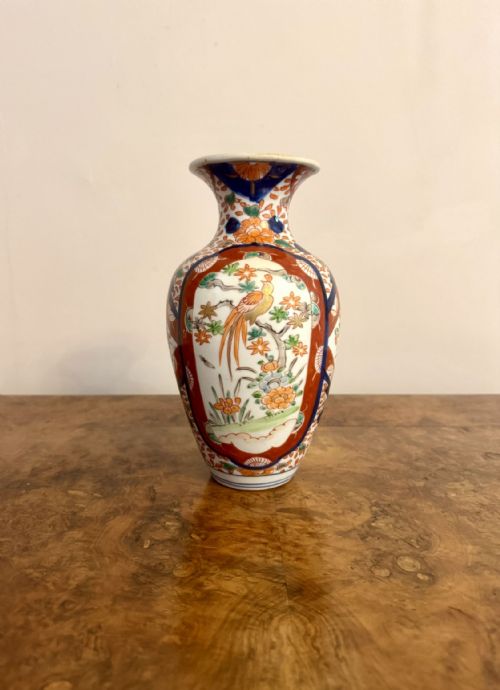


Hand Painted Imari Urn
A hand painted imari urn brings robust ceramic form and layered iron-red and cobalt decoration to a room, drawing the eye with rich Japanese export palettes.
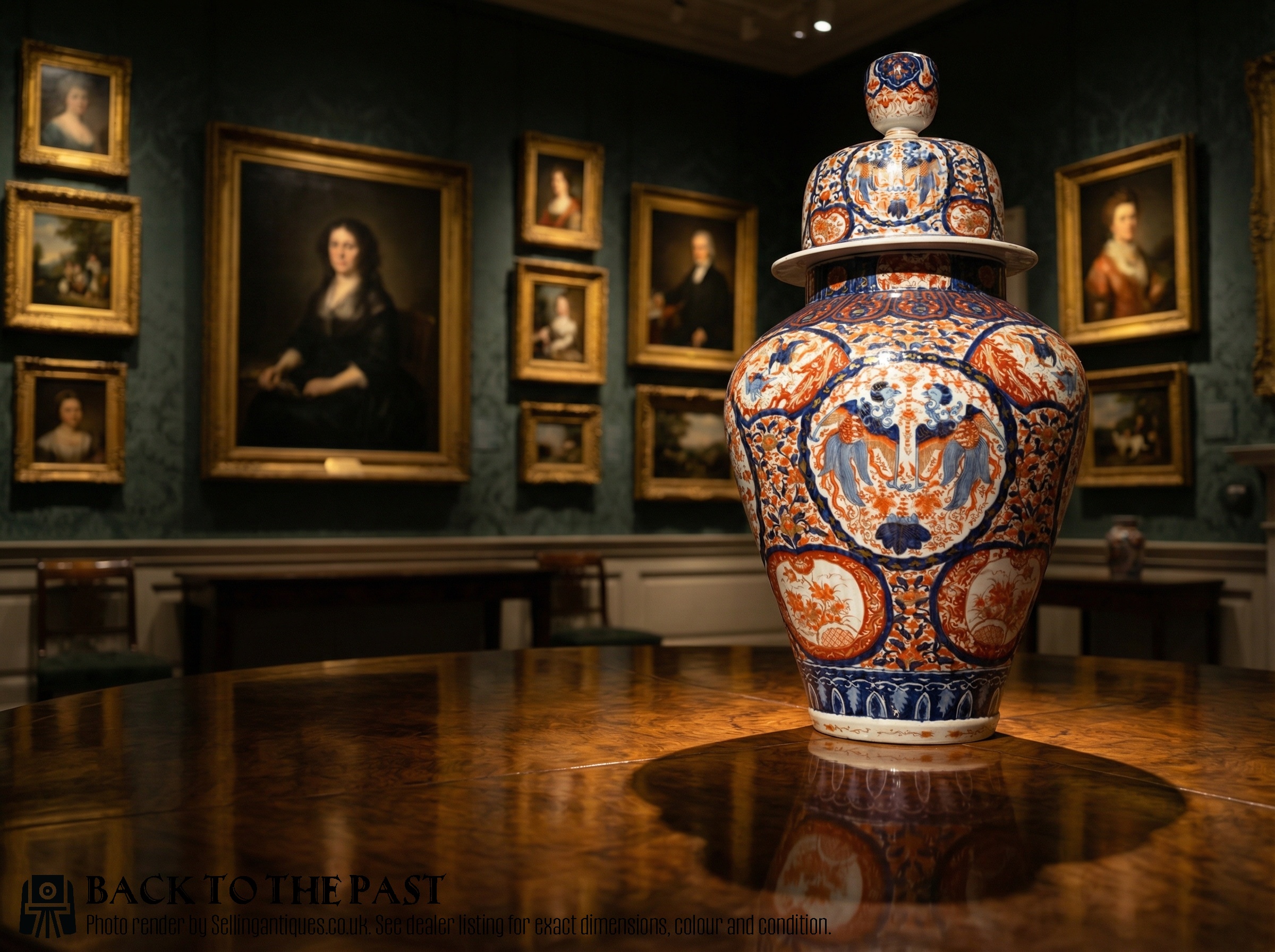
Hand Painted Imari Urn
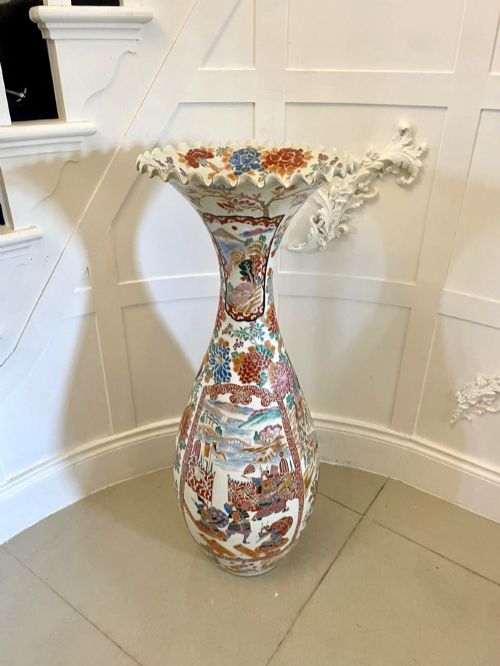
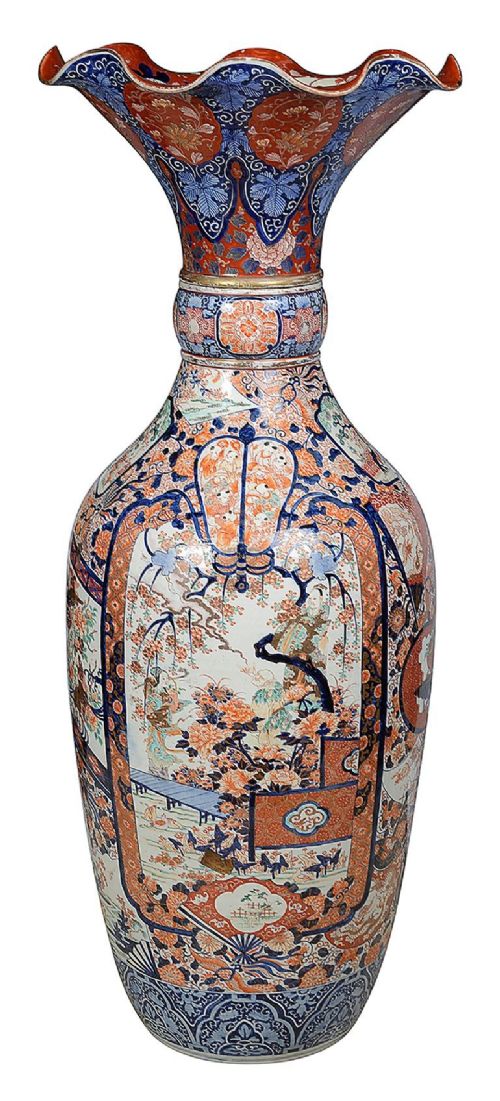
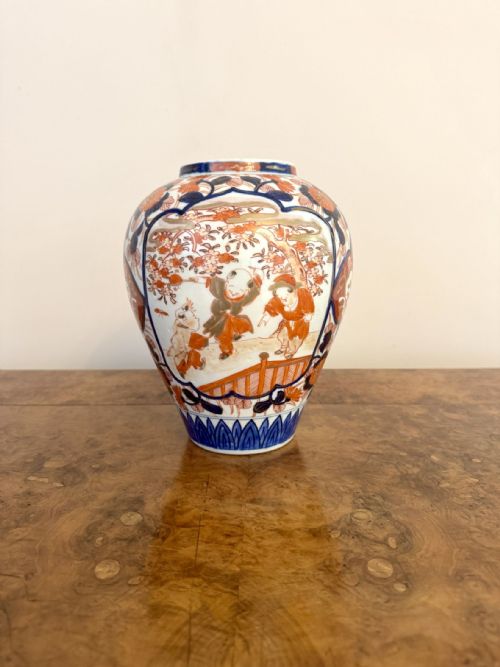
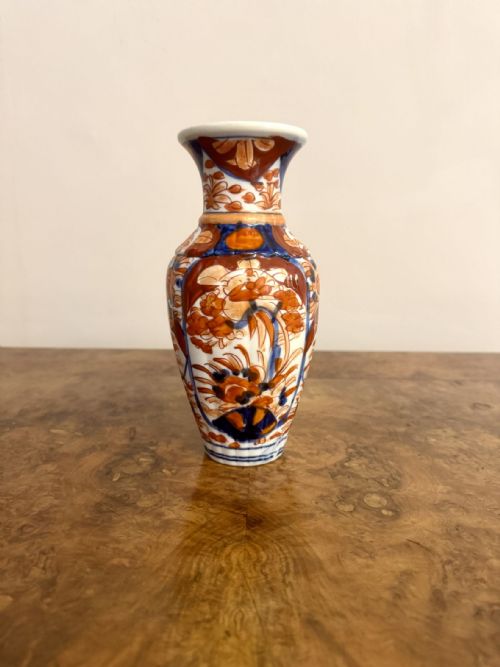
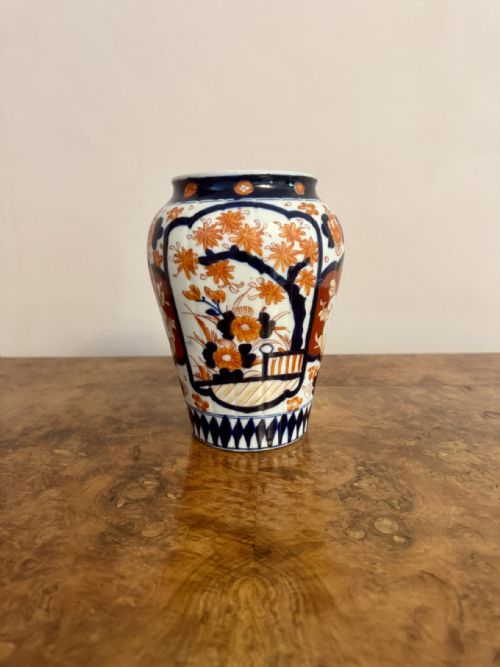
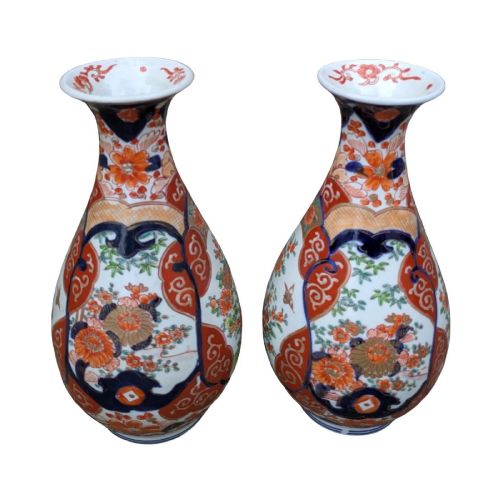
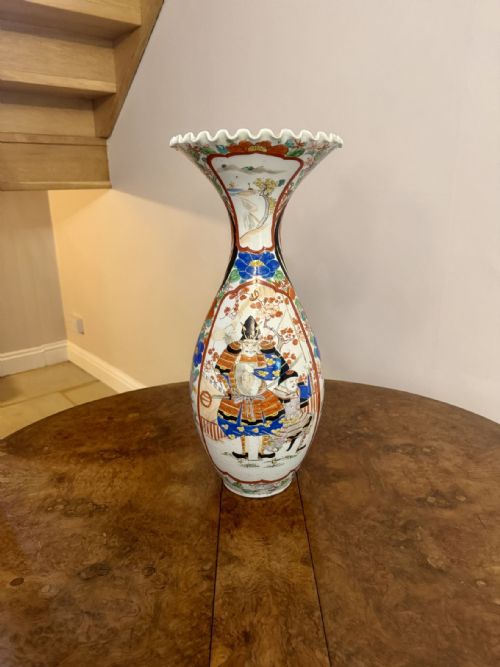
A hand painted imari urn encompasses large floor-standing vessels, covered ginger jars, and lidded vases designed for display. These pieces span Japanese Meiji and Edo periods, alongside later Victorian and Edwardian interpretations.
Buyers commonly encounter nineteenth-century productions alongside pieces from the turn of the twentieth century, formed as baluster bodies, double gourds, and fluted vessels.
Many examples originate from Arita, reflecting long-standing export traditions through distinctive traditional motifs executed in iron red, cobalt blue, and gilt.
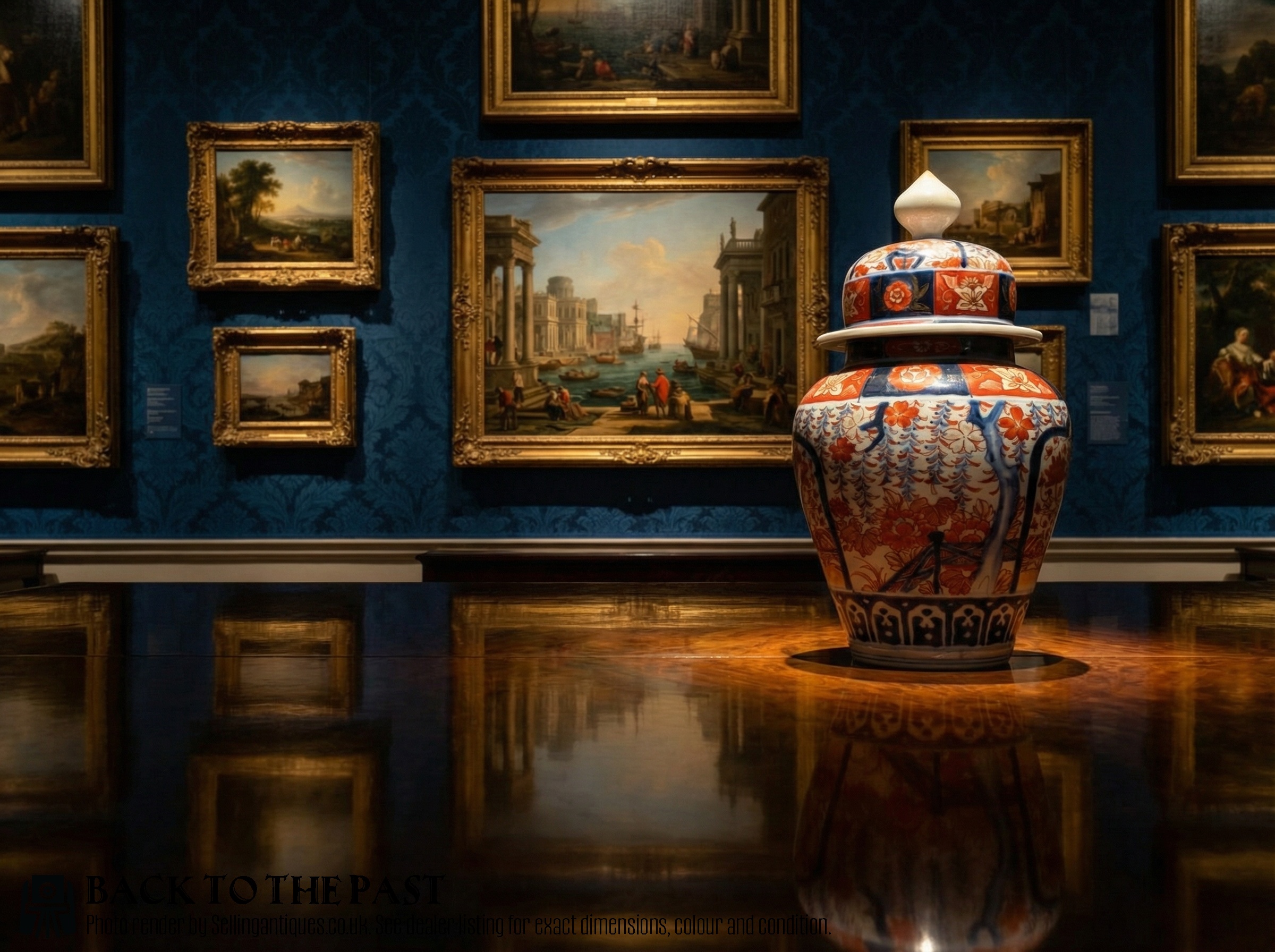
Materials and Construction
Vessels are thrown in porcelain and fired at high temperatures before receiving intricate hand-painted underglaze blue and overglaze iron-red enamel decoration, frequently heightened with gold leaf.
Glaze application seals the porcelain body, providing a glossy surface that protects the pigments and metallic detailing across centuries of handling.
Hand Painted Imari Urn Retail Price Guide 2026
Typical asking prices for hand painted imari urn among the pieces listed under this phrase on Sellingantiques today, from the lower quarter to the upper quarter. They describe what is for sale here now, not the wider market.
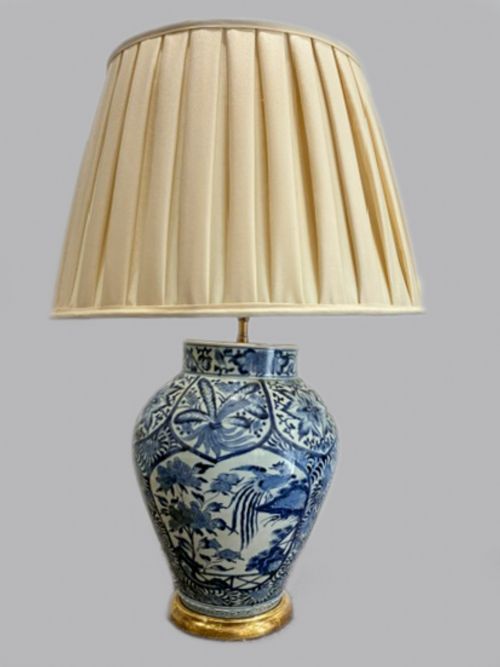
Selected vessels have shed their historical duties entirely, trading spice storage for electrical wiring as nineteenth-century table lamps.
Determinants of Quality
Quality rests upon the crispness of the hand-painted brushwork and the precision of the cobalt blue beneath the glaze, balanced against the vibrancy of the iron red and the application of gilt.
The weight and balance of the porcelain body, together with the proportion of the form - whether a tall floor vase or a covered ginger jar - signal the skill of the potter.
Fukagawa
The Hand Painted Imari Urn Glossary
- Imari
- A style of Japanese porcelain decorated in underglaze blue, iron red, and gold, named after the port from which the wares were shipped. This palette defines the visual weight of these vessels.
- Meiji Period
- The era in Japanese history spanning from 1868 to 1912, associated with significant export of decorative arts to Western markets. Pieces from this period often display confident, detailed brushwork.
- Baluster
- A vase form with a rounded body that tapers toward the base and swells above, creating a classic silhouette. This shape provides a stable canvas for complex surface patterns.
- Garniture
- A set of matched vases or jars designed to be displayed together on a mantelpiece or sideboard. These groupings typically comprise three or more matching vessels.
- Ginger Jar
- A decorative ceramic container with a broad rounded shoulder and a fitted lid, originally used for spices. In this context, they serve as prominent display pieces.
Hand Painted Imari Urn: Frequently Asked Questions
How were imari urns used originally?
These vessels were primarily produced for export and ornamental display in domestic interiors during the nineteenth and early twentieth centuries.
Larger floor vases and lidded jars sat in prominent reception rooms to showcase wealth and an appreciation for Japanese craftsmanship.
How do I identify a Meiji period piece?
Meiji period vessels typically date between 1868 and 1912, marked by dense decorative schemes and fine overglaze enamel work.
Examining the foot ring and the depth of the porcelain body helps distinguish these late nineteenth-century productions from earlier Edo wares.
Can these vases be used for fresh flowers?
While originally built as decorative objects, many lidded and open vases can hold water if the interior glaze remains intact.
Care should be taken with antique porcelain to avoid thermal shock or knocks to the rim during arrangement.
What is the difference between a jar and an urn?
Jars generally feature a wide, rounded body with a short neck and a fitted lid, often taking the form of ginger jars.
Urns and tall vases possess more elongated profiles, such as baluster or double gourd shapes designed for vertical presence.