
Hand Painted Display Cabinet
When you want a hand painted display cabinet, you are looking at glazed furniture and decorative plates bearing fine painted details from centuries past.
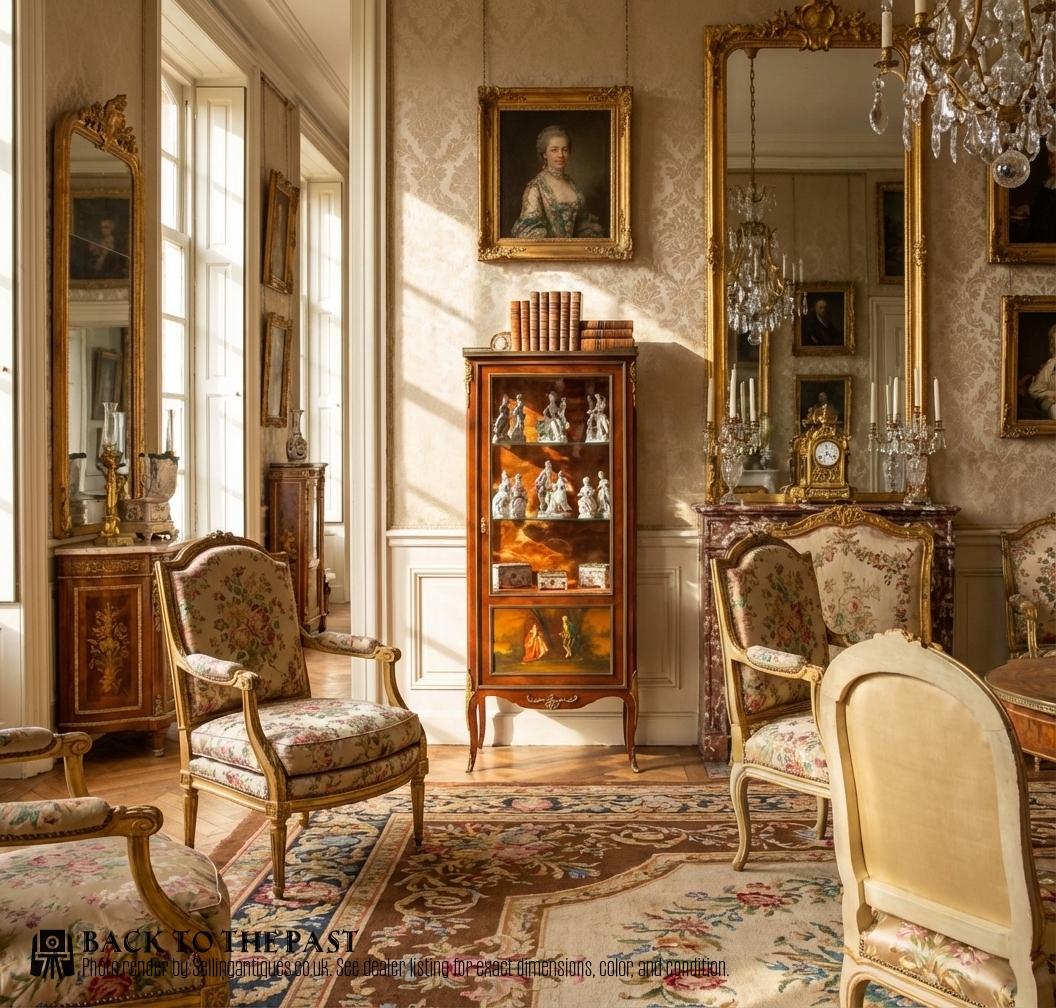
Hand Painted Display Cabinet
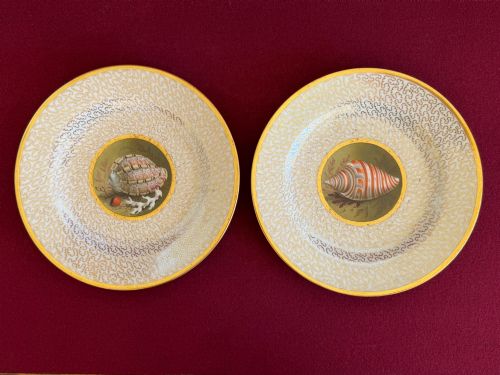
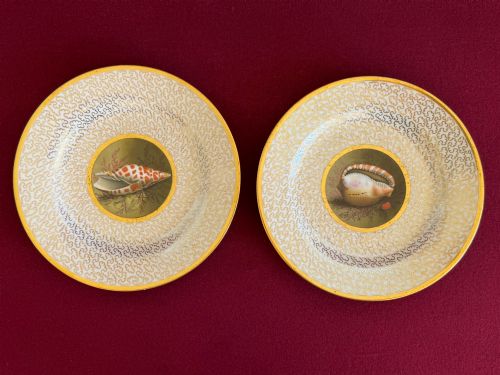
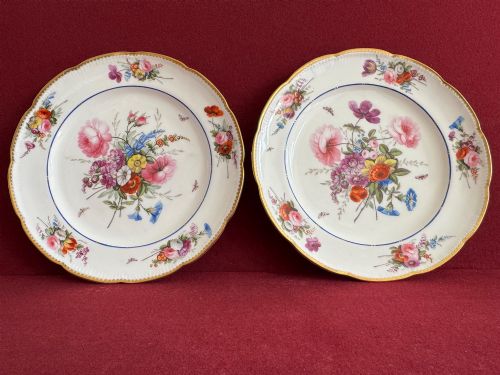
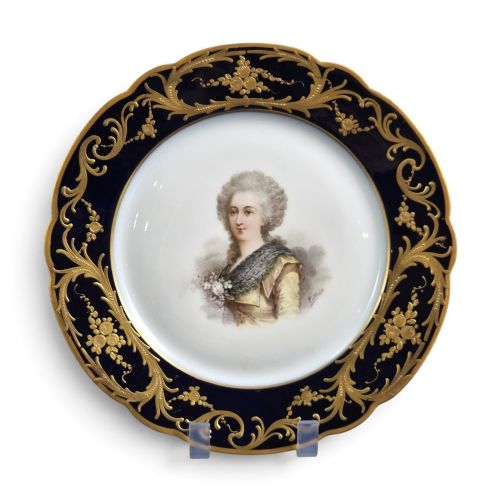
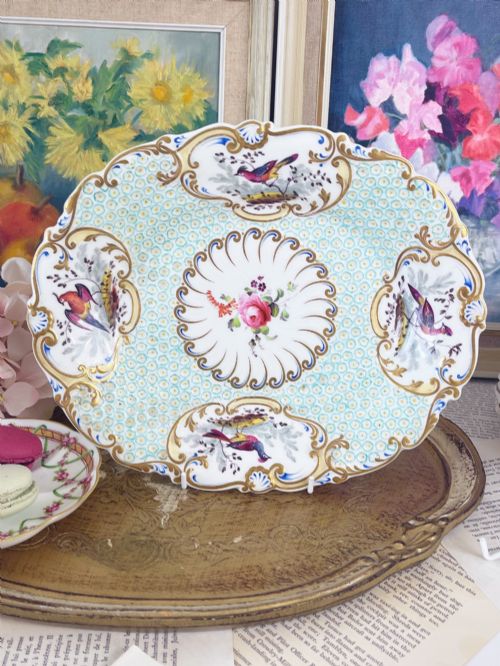
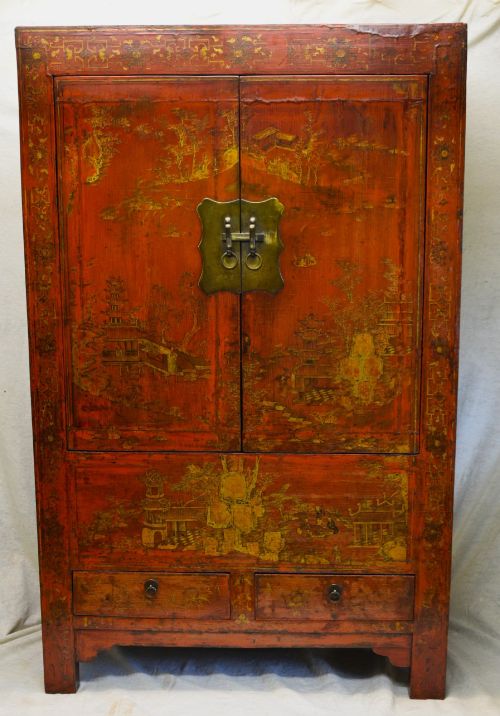
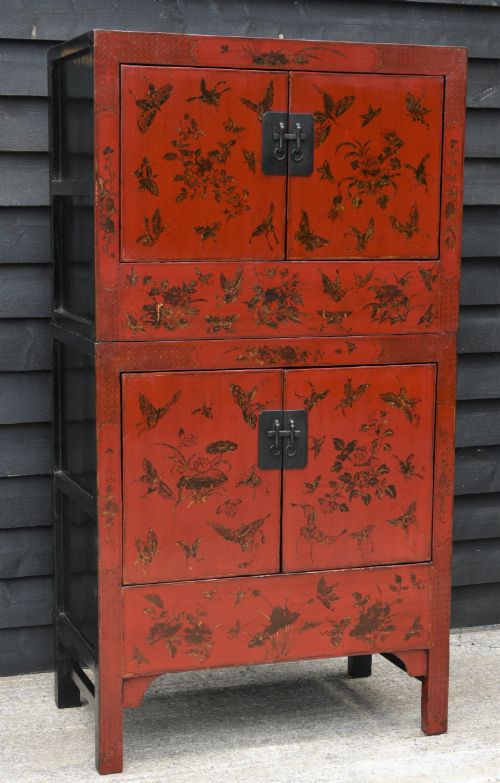
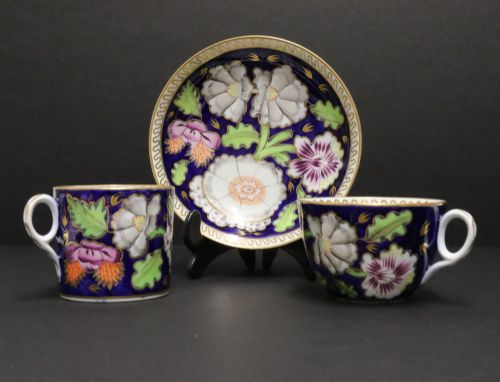
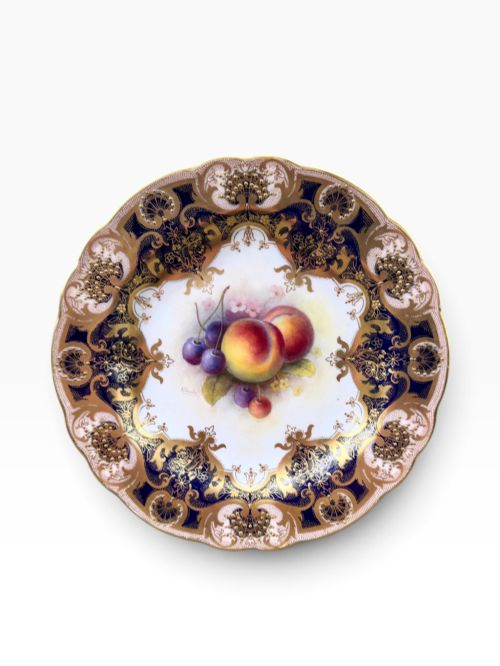
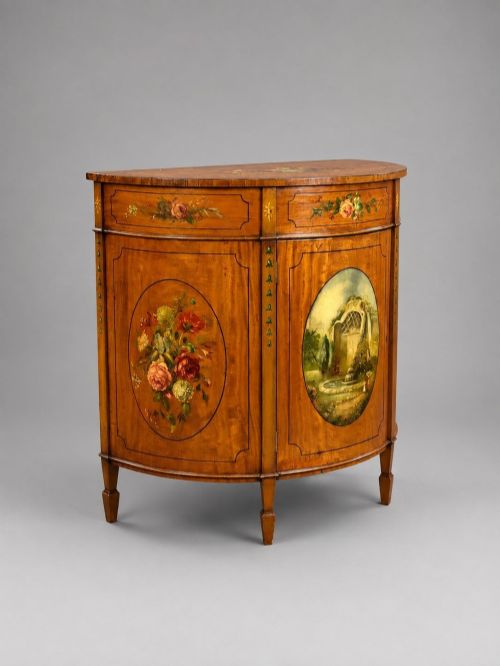
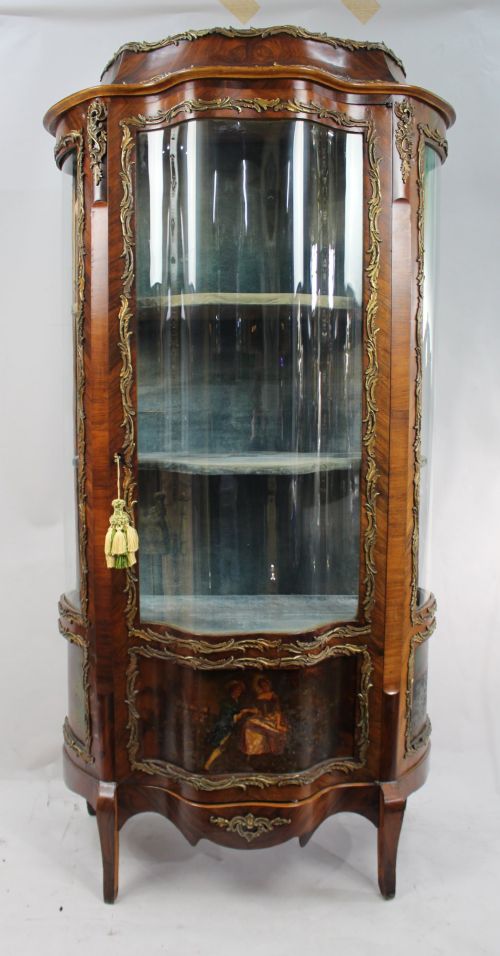
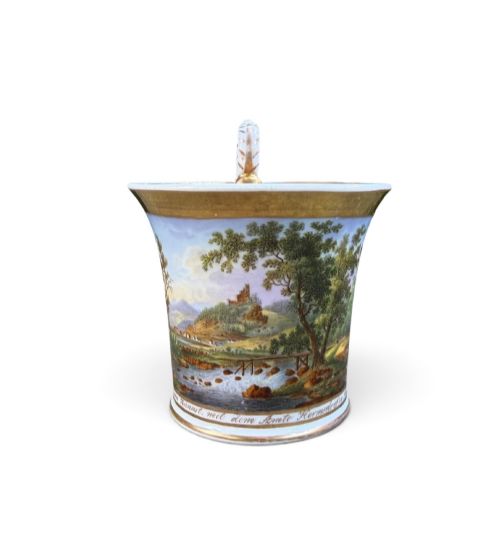
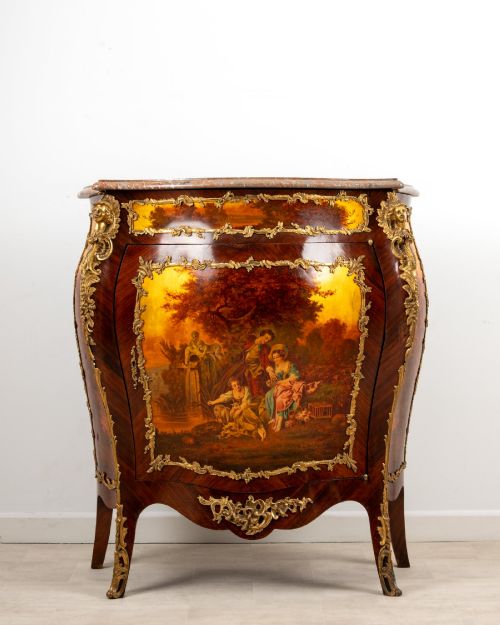
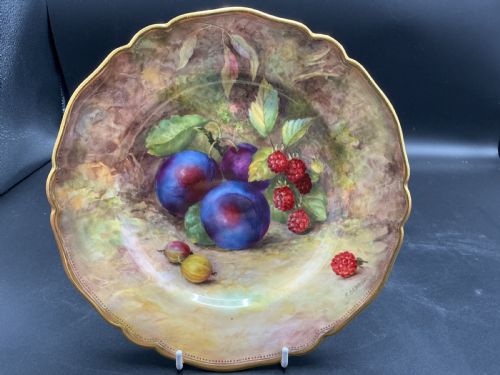
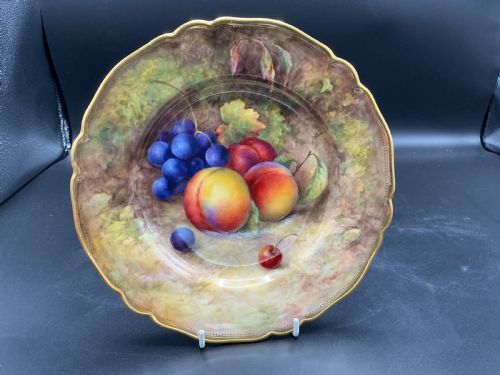
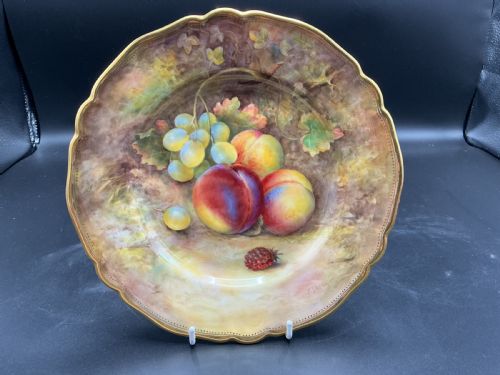
A hand painted display cabinet covers both glazed storage furniture and porcelain plates designed for show. The furniture ranges from Edwardian satinwood bow front cabinets and French Vernis Martin bombé pieces to Chinese red lacquered wedding storage. Alongside these stand porcelain cabinet plates, trios and cups from factories such as Royal Worcester, Minton and Wedgwood.
Buyers meet diverse forms on this page, shifting between upright wooden display vitrines and painted ceramic dessert dishes. The common thread is hand applied decoration, whether depicting botanical fruit, birds, topographical views or Chinoiserie scenes. Pieces span the 18th, 19th and 20th centuries, offering both functional storage and cabinet ceramics.
How they were made
Makers utilised wood such as satinwood, mahogany and pine for cabinetry, often combining lacquer, ormolu mounts and marble tops. For the ceramic items, porcelain and bone china provided the blank surfaces for detailed enamel painting, sometimes heightened with gold leaf and gilt.
Artisans applied pigments by hand, recording subjects like orchids, fruit, birds and fairies directly onto the pottery or wood panels. Glazes and varnishes, including Vernis Martin techniques on French pieces, sealed the painted decoration to preserve the surface.
Cabinet plates originally allowed Victorian households to display fine art without hanging pictures on every wall.
What varies in quality
The standard of execution in the painted brushwork dictates much of the appeal, with signed artist pieces commanding particular attention. The precision of the gilding and the crispness of porcelain bodies or cabinet mouldings separate the finer works from simpler production.
The preservation of the original lacquered surfaces, ormolu mounts and painted wood panels influences the standing of each piece. Intricate details on ceramic plates, such as named botanical views or ornithological studies, reflect the skill of the factory and painter.
H & R Daniel·Royal Worcester·Royal Crown Derby·Meissen·Minton·Royal Doulton·Aynsley
The Hand Painted Display Cabinet Glossary
- Cabinet plate
- A decorative ceramic plate intended for display rather than dining. These pieces often feature hand painted scenes, botanical studies or ornithological illustrations.
- Vernis Martin
- A simulated Japanese lacquer technique developed in 18th century France. It involves applying multiple layers of varnish to create a smooth, luminous decorative surface on furniture.
- Gilt
- A thin layer of gold or gold leaf applied to the surface of porcelain, wood or metal. It highlights borders, motifs and architectural details.
- Bow front
- A convex curved furniture front popular in Georgian and Edwardian cabinet making. This shape softens the corners of display cases and vitrines.
- Trio
- A set comprising a teacup, saucer and matching plate. In cabinet ceramics, these are often collected for their hand painted factory decoration.
Hand Painted Display Cabinet: Frequently Asked Questions
What is a cabinet plate?
A cabinet plate is a decorative ceramic dish made to be shown rather than used at the table. Factories produced them with hand painted views, flowers or birds specifically for display.
These pieces let artists showcase their skill outside standard tableware. They frequently appear on stands or mounted within cabinets.
How do I date a painted cabinet?
Dating relies on timber choices, construction methods and stylistic markers such as satinwood veneers or ormolu mounts. Edwardian and Victorian examples often show distinct revival styles or specific hardware.
Makers' marks on any integrated porcelain panels or ceramic items inside also help narrow the period of manufacture.
What is Vernis Martin?
Vernis Martin is a decorative lacquer finish developed in France to imitate Asian lacquerwork. Craftsmen applied successive coats of varnish to wood surfaces to achieve a glossy, translucent sheen.
Cabinets featuring this technique often display painted pastoral scenes beneath the protective clear layers.
How do I care for lacquered furniture?
Lacquered and painted cabinets require gentle dusting with a dry, soft cloth to protect the delicate surface finishes. Direct sunlight and sudden changes in room humidity should be avoided to prevent wood movement.
Keeping the environment stable preserves both the timber structure and the hand painted panels.