




Painted Panel Vitrine
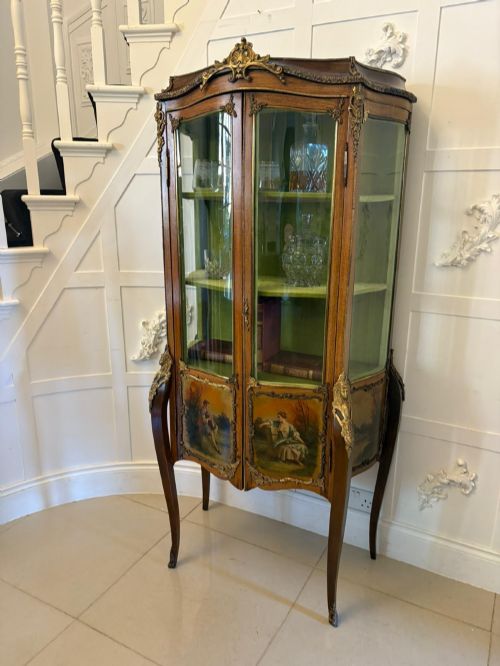
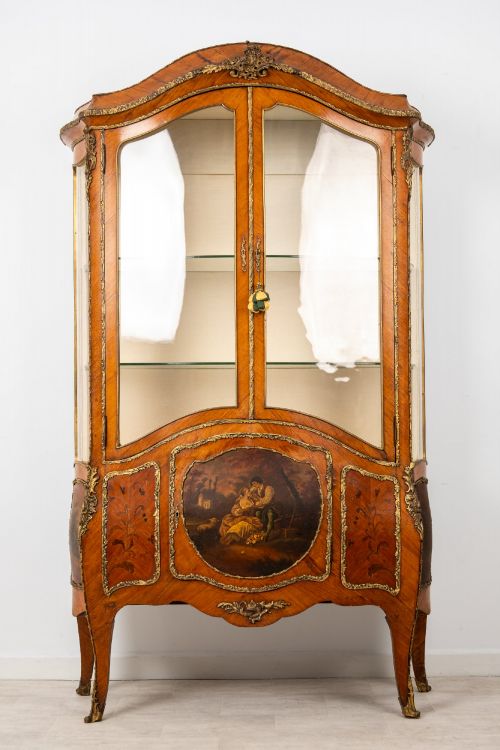
These painted panel vitrine cabinets bring together fine glass display and decorative artistry to showcase treasured objects.
Painted Panel Vitrine
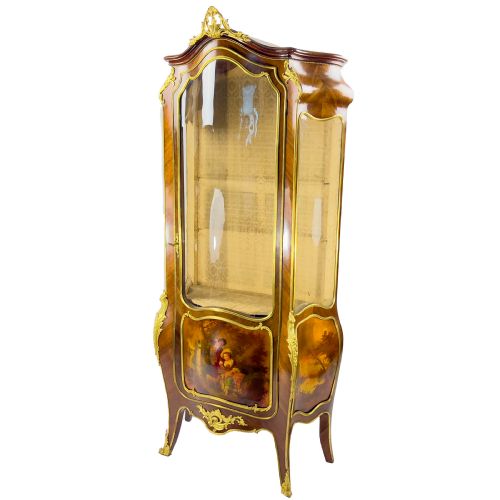
A painted panel vitrine combines a glazed display cabinet with hand-painted lower or side panels depicting pastoral scenes or figures. When you search for this phrase, you find French revival pieces primarily from the nineteenth century, including Victorian examples.
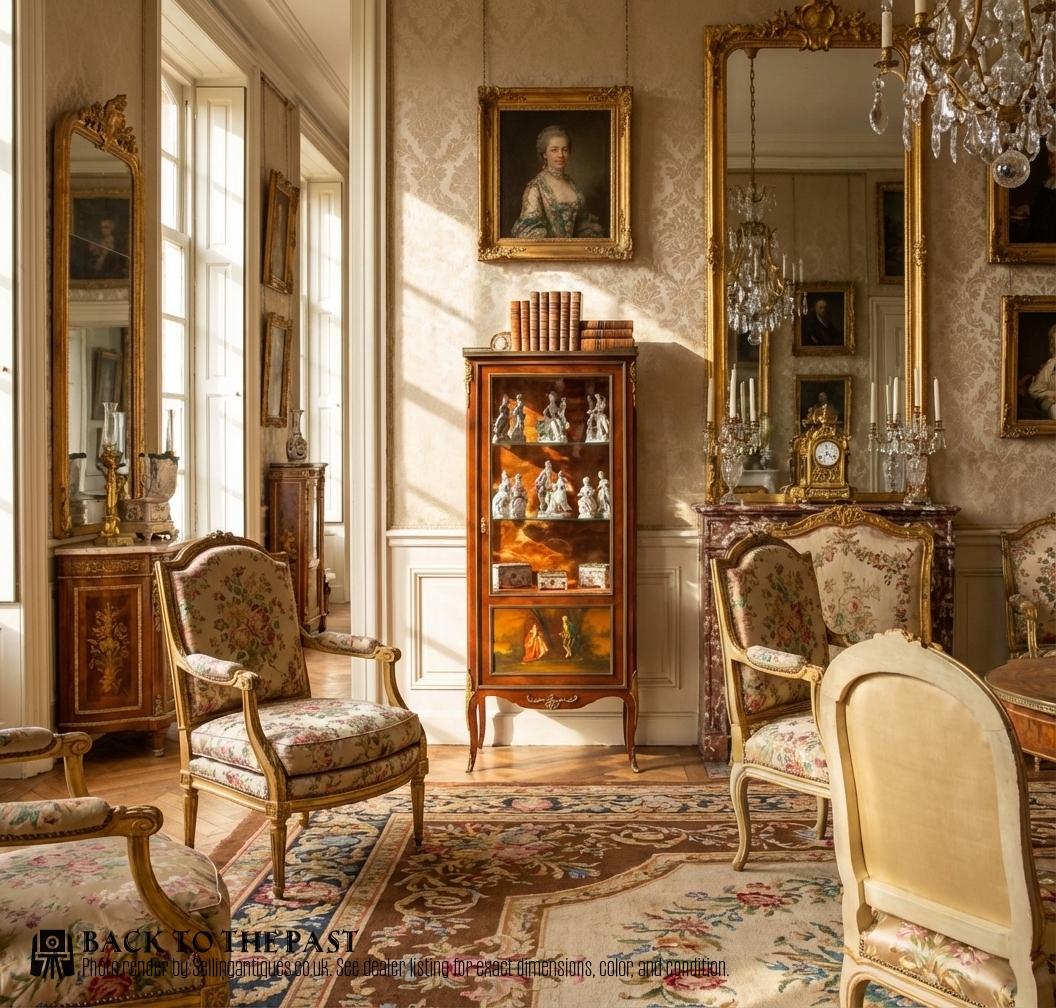
The dominant styles follow French Rococo and Louis XV revivals, characterised by serpentine forms and bombe shapes. These cabinets serve to exhibit porcelain, glassware and small collections while functioning as decorative centrepieces in a room.
Most items on this page originate from the nineteenth century, spanning specific dates around eighteen eighty and eighteen ninety alongside general Victorian and nineteen-twenty pieces. The form bridges functional storage and ornate display.
How they were made
Cabinetmakers constructed these pieces using primary hardwoods such as kingwood and mahogany, often applying lacquer for the Vernis Martin finish. Frames incorporated glass panels to allow light into the interior display space.
Gilt bronze and ormolu mounts accentuate the structural lines and corners, adding metallic warmth to the timber. Painted panels feature decorative artwork executed in traditional oil or lacquer techniques, set into the lower sections of the cabinet doors.
Painted Panel Vitrine Retail Price Guide 2026
Typical asking prices for painted panel vitrine among the pieces listed under this phrase on Sellingantiques today, from the lower quarter to the upper quarter. They describe what is for sale here now, not the wider market.
A cabinet designed to show off your porcelain collection while subtly reminding visitors you have very dainty tastes indeed.
What varies in quality
Quality in a painted panel vitrine rests on the fineness of the artwork and the weight of the bronze mounts. Smoother brushwork on the painted scenes and heavier, crisper ormolu casting elevate a piece above standard commercial production.
The choice of timber veneer also distinguishes the range, with select kingwood and figured mahogany providing richer grain patterns. Superior examples integrate marble tops and precise joinery that maintains the curved bombe contours without distortion.
The Painted Panel Vitrine Glossary
- Vitrine
- A glass-fronted cabinet designed specifically for the display of curiosities and porcelain. These pieces use transparent panels on the front and sides.
- Vernis Martin
- A type of simulated Japanese lacquer developed in eighteenth-century France and revived later. It involves multiple layers of varnish applied over painted decoration.
- Ormolu
- Gilded bronze used for decorative mounts and furniture trimming. The technique involves applying a gold-mercury amalgam to bronze before firing.
- Kingwood
- A dense, heavy timber with rich violet and brown contrasting stripes. Cabinetmakers utilised this wood for high-status French revival furniture.
- Bombe
- A swollen or bulging convex shape found on the lower sections of furniture. This contour defines many French Rococo revival display cabinets.
Painted Panel Vitrine: Frequently Asked Questions
What is a painted panel vitrine?
A painted panel vitrine is a glazed display cabinet featuring decorative painted artwork, typically on the lower panels. These cabinets originate mainly from nineteenth-century French revival periods.
They combine glass shelving for displaying small collections with ornate woodwork and metal mounts. The design draws heavily on Louis XV and Rococo aesthetics.
How were these cabinets used?
These cabinets served to exhibit porcelain, figurines and precious objects while keeping them protected from dust. The glass sides and front allowed maximum light to reach the displayed items.
In period interiors, they functioned as formal reception room furniture. They provided both storage and a decorative display surface.
What wood is used in these cabinets?
Maker workshops utilised woods such as kingwood and mahogany for the primary structure and veneer. These timbers provided a stable base for the intricate curves and applied mounts.
Some examples also feature giltwood frames or specific lacquer finishes like Vernis Martin. The timber selection reflects the French revival styles of the nineteenth century.
What is Vernis Martin?
Vernis Martin is a decorative lacquer technique imitating Asian lacquerwork, named after the French brothers who perfected it. It involves layering translucent varnishes over painted scenes.
This finish creates a luminous depth on the cabinet panels. It appears frequently on nineteenth-century revival vitrines.
How do you date a vitrine?
Dating relies on examining construction methods, timber types and stylistic markers such as Louis XV revival motifs. Nineteenth-century pieces often combine machine-cut elements with hand-finished ormolu mounts.
Specific dates mentioned in maker records or stylistic shifts help narrow the production era. Cabinet hardware and glass clarity also offer clues to the age.