


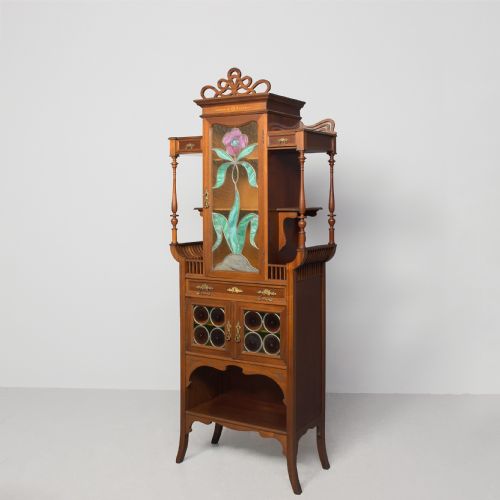
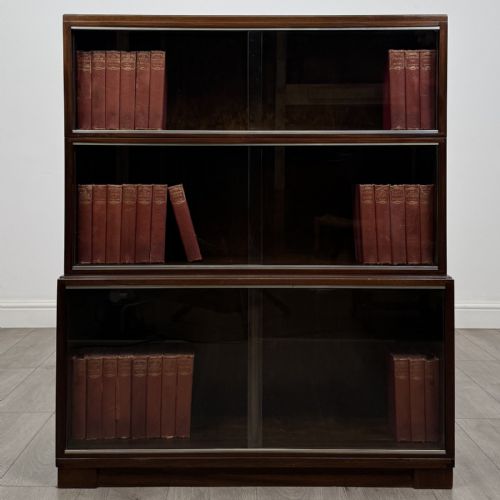
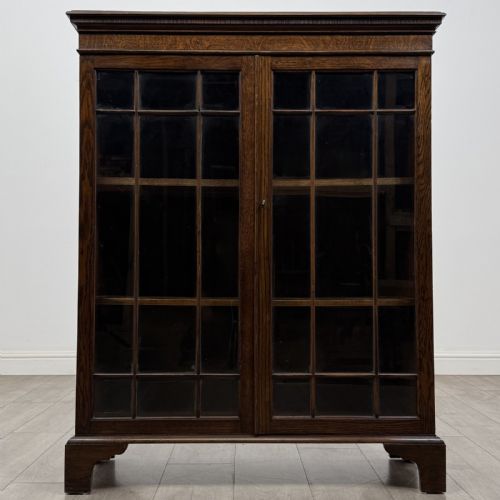
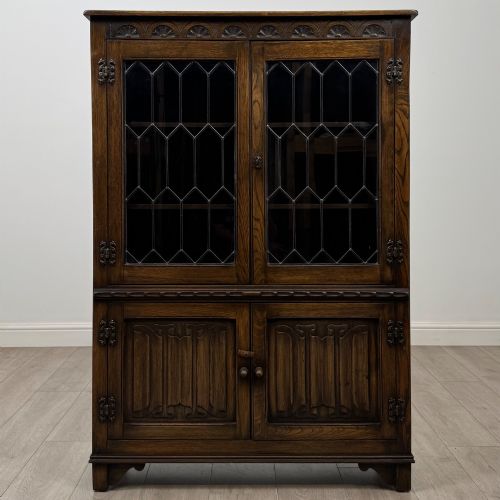

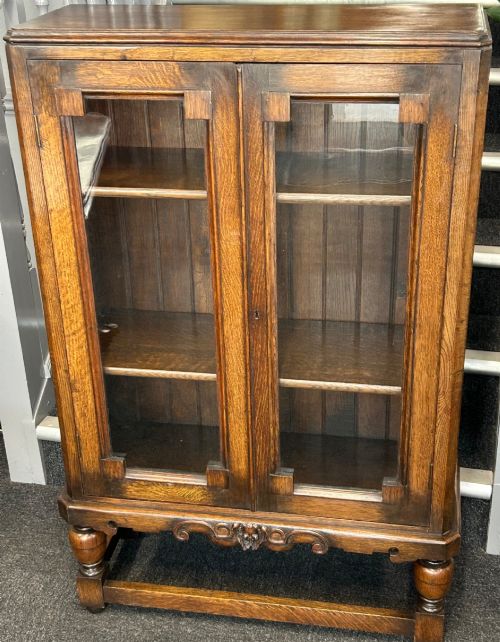
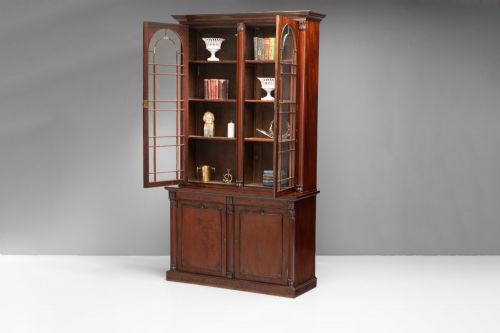


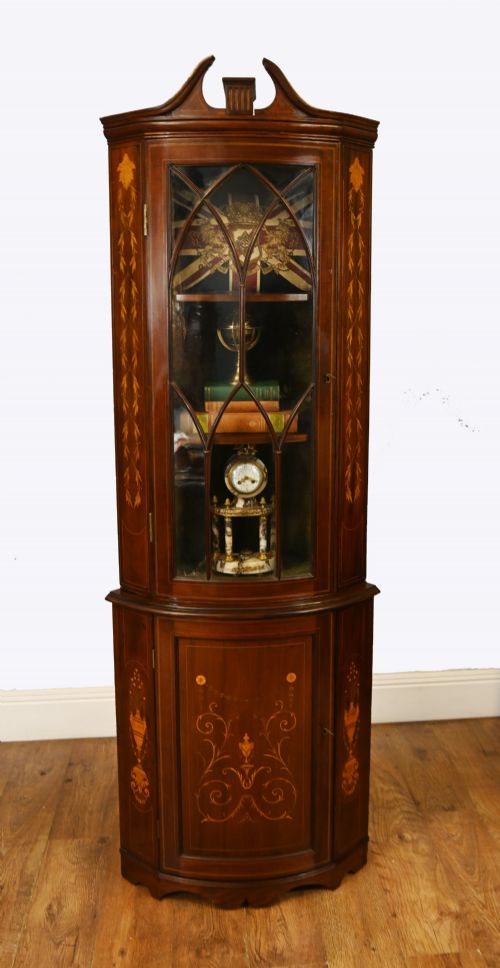

Vintage Glass Display Unit
A vintage glass display unit brings light and order to a room, showing off collections behind clear panels.
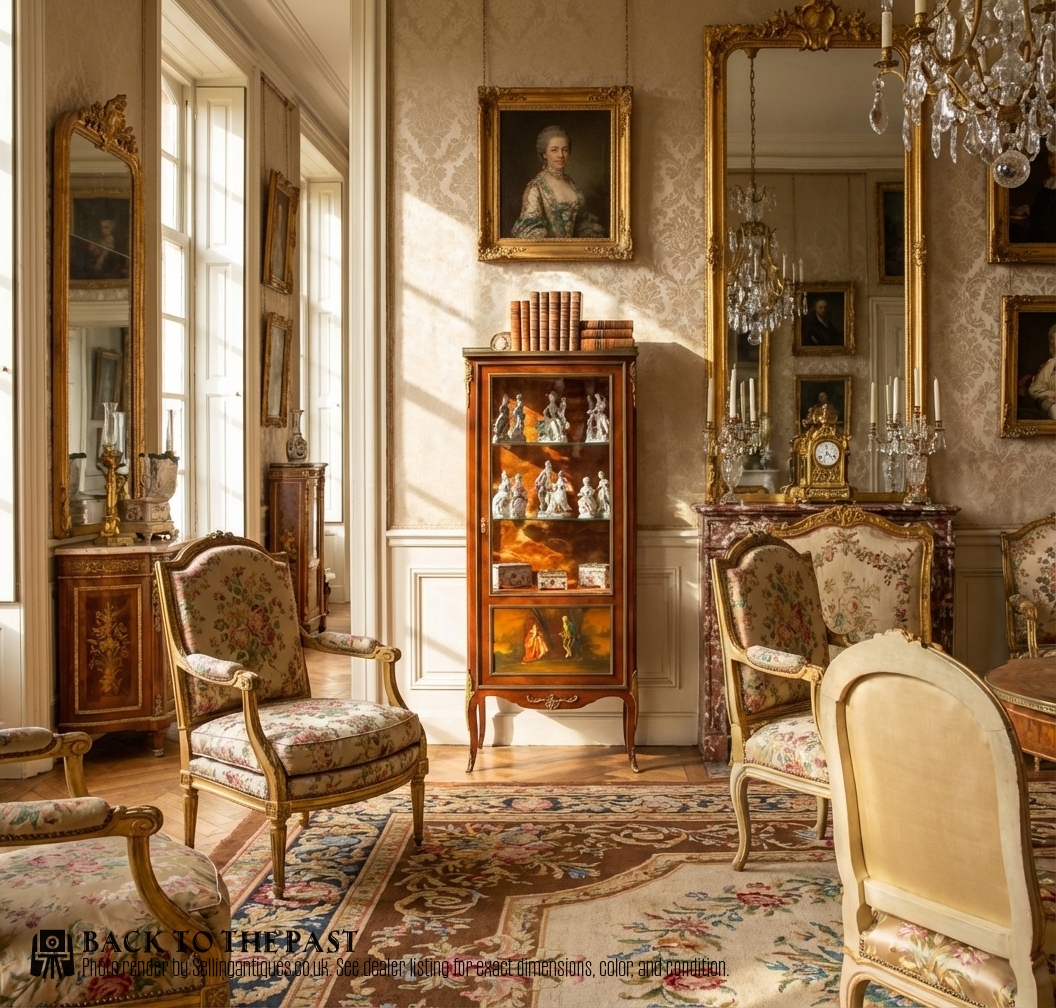
Vintage Glass Display Unit
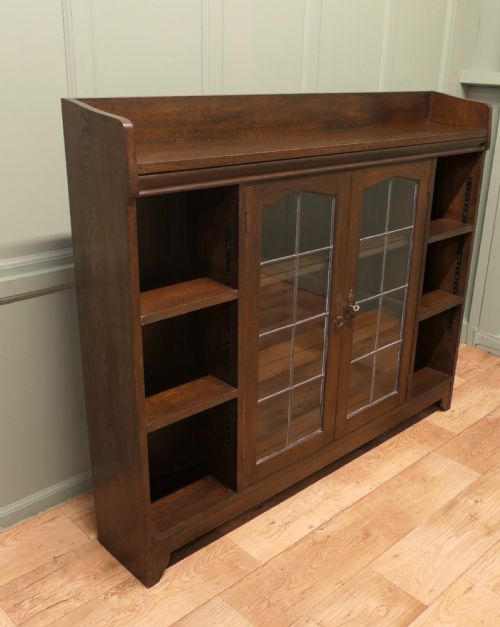
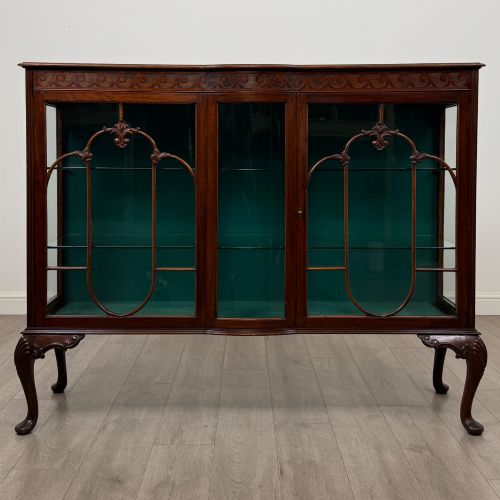
A vintage glass display unit organises and protects treasured objects while keeping them in plain sight. These items range from freestanding mahogany cabinets to wall-hung corner cupboards and shop counters.
The selections span the nineteenth century through the mid-twentieth century, with Edwardian mahogany pieces and 1930s oak designs appearing frequently. Styles stretch from Georgian revivals and Arts and Crafts to Art Deco and mid-century modern.
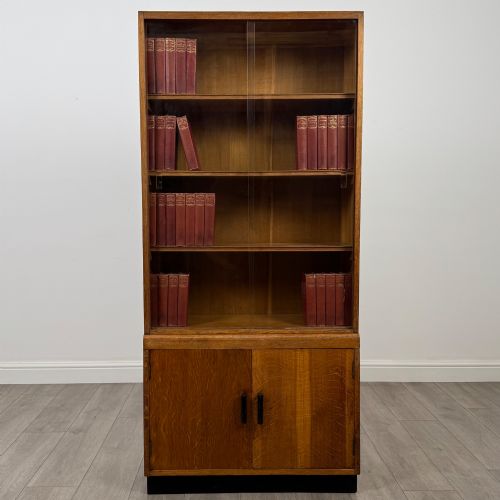
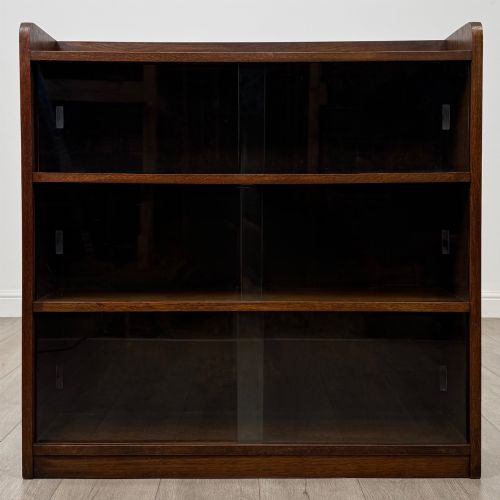
Buyers encounter corner cabinets, bookcases with glazed doors, and haberdashery counters fitted with drawers and glass. Oak and mahogany form the backbone of the available selection, often enhanced by brass and lead details.
How they were made
Cabinet makers constructed these units using solid timbers and veneered panels of mahogany, oak, walnut and sycamore. Joinery techniques included dovetailing for drawers and mortise and tenon joints for structural stability.
Glass panes were held securely within timber frames, sometimes reinforced with lead or brass framing. Inlaid details utilised lighter woods such as satinwood to create decorative contrast on cabinet doors and cornices.
Vintage Glass Display Unit Retail Price Guide 2026
Typical asking prices for vintage glass display unit among the pieces listed under this phrase on Sellingantiques today, from the lower quarter to the upper quarter. They describe what is for sale here now, not the wider market.
Object forms range from narrow corner cupboards and tall bookcases to broad haberdashery counters and medical cabinets.
What varies in quality
Quality rests upon the choice of timber, the crispness of the inlay work, and the fidelity of the period style. Finer examples display carefully selected grain patterns and balanced proportions, particularly in serpentine fronts and architectural cornices.
Hardware such as brass hinges, handles and framing marks the standard of construction. Original glass and well-fitted doors distinguish the superior maker's output from utilitarian workshop pieces.
F. Sage & Co·Dudley & Co·Epstein·Saml. Elliott & Sons·Liberty & Co·Edwards And Roberts·Phoenix Gallery
The Vintage Glass Display Unit Glossary
- Vitrine
- A glass-fronted cabinet designed for displaying fine porcelain, curiosities, or objects d'art. These pieces often feature glazed sides to maximise light reflection.
- Haberdashery cabinet
- A shop counter or storage unit fitted with multiple shallow glass-fronted drawers originally used for selling textiles and small wares. They provide modular storage within domestic interiors.
- Linenfold
- A carved wood panel motif imitating folded cloth, popular in Tudor revival and early twentieth-century oak furniture. It adds textured relief to cabinet doors.
- Marquetry
- Decorative patterns formed by fitting together thin veneers of different coloured woods onto a solid base. It appears on Edwardian and revivalist furniture.
- Etagere
- An open set of tiered shelves designed for displaying ornaments rather than storing books. Units often feature lightweight frames of wood or metal.
Vintage Glass Display Unit: Frequently Asked Questions
How do I place a corner cabinet?
A corner cabinet fits directly into an unused room junction, making efficient use of floor space while drawing the eye upward. Freestanding and wall-hanging versions both work well to anchor a room layout.
Ensure the door swing has adequate clearance from surrounding furniture. Placing a corner unit near a light source enhances the visibility of items kept inside.
What is the difference between Edwardian and Art Deco units?
Edwardian units lean towards traditional timber tones, classical proportions and delicate inlay work. They reflect revival styles like Sheraton and Chippendale.
Art Deco cabinets embrace geometric forms, contrasting wood grains such as burr walnut and sycamore, and metal framing. Their profiles look cleaner and more streamlined than Edwardian counterparts.
Can I use a shop display counter at home?
Commercial counters and haberdashery units suit domestic spaces by providing deep surface areas and segmented drawers. They bring industrial character and practical storage to kitchens or living rooms.
The glass fronts allow everyday objects to be organised cleanly while remaining visible. These pieces function well as kitchen islands or hallway consoles.
How do I identify a reproduction revival piece?
Revival furniture borrows stylistic cues from earlier eras such as Georgian or Jacobean periods. Examining the timber age, interior construction methods and hardware helps clarify the true production date.
Machine-cut joints and modern adhesives point to twentieth-century revivals. The listings indicate specific periods like Tudor revival alongside original items.