



Hand Painted Ceramic Statuette
These hand painted ceramic statuette examples capture centuries of modelled character, offering colourful porcelain and earthenware studies for display.
Hand Painted Ceramic Statuette
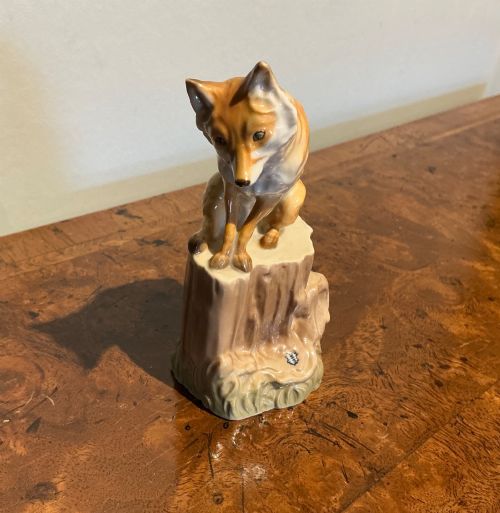
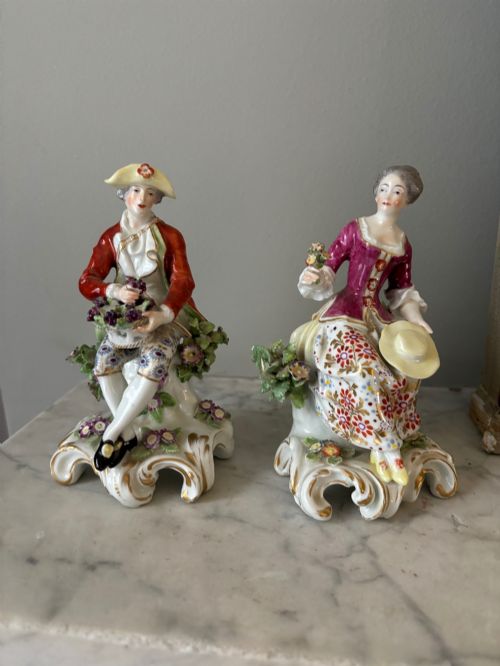
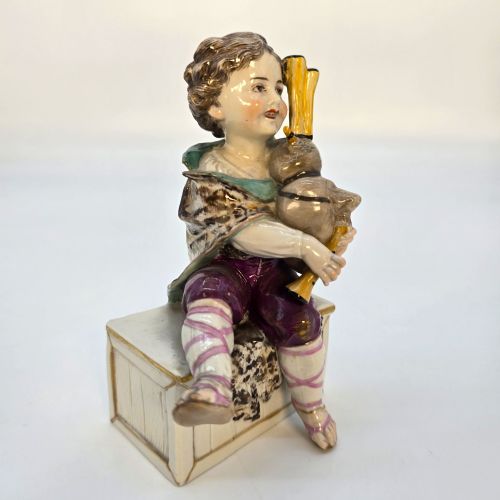
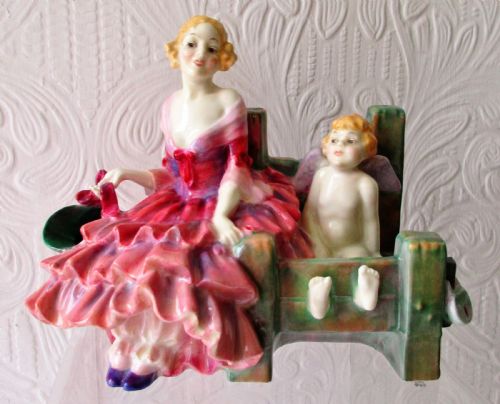
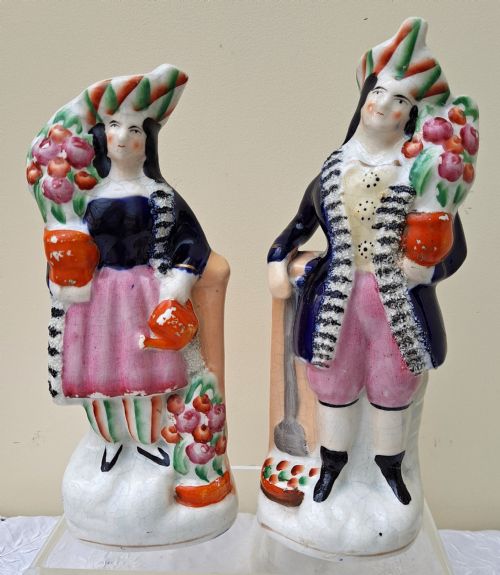
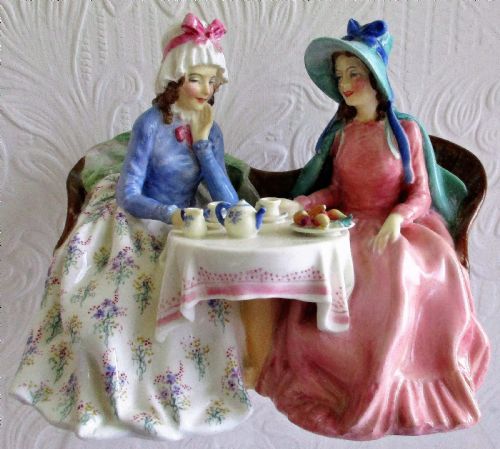
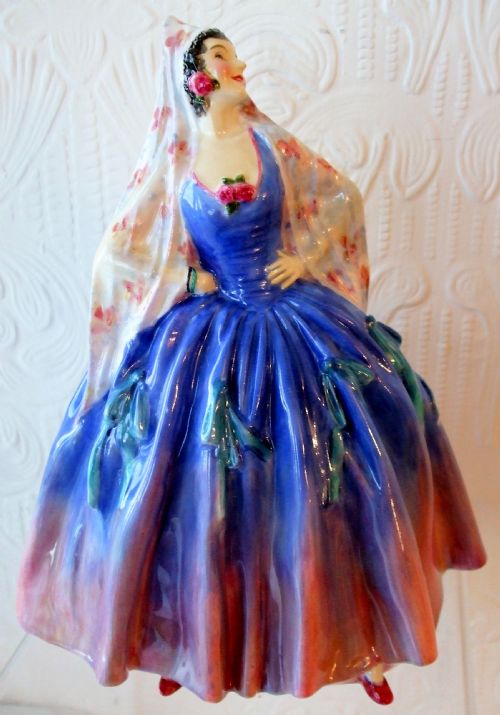
A hand painted ceramic statuette brings sculpted human, animal and pastoral subjects into domestic interiors through modelled clay and porcelain. The selection ranges from eighteenth-century Meissen street traders to Victorian Staffordshire gardeners and twentieth-century Royal Doulton figures.
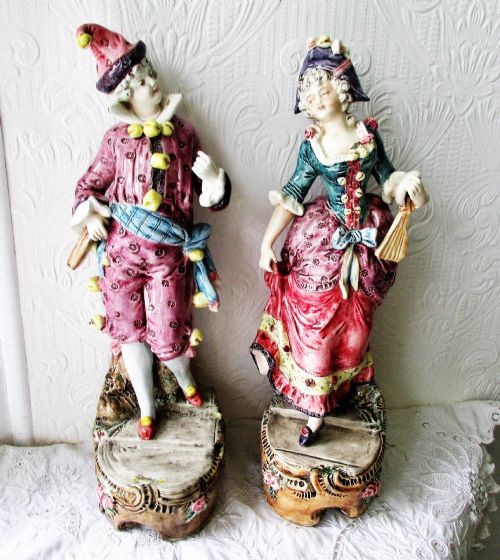
Most examples originate from European factories and potteries, spanning German porcelain works, French hard-paste porcelain, and English earthenware. Buyers encounter single figures alongside symmetrical pairs depicting musicians, vendors, and allegorical characters in various regional styles.
Forms extend from miniature continental dog figures to large French decorative groups and nineteenth-century Staffordshire pottery. These objects reflect changing sculptural tastes across the eighteenth, nineteenth, and early twentieth centuries.
How they were made
Makers shaped these pieces using porcelain, hard-paste porcelain, earthenware, and biscuit porcelain, often finishing surfaces with intricate glaze and enamel decoration. Artisans applied gold leaf, gilt, and gilding to highlight garments, bases, and structural details on many continental and English models.
The decorative process relied on careful hand painting over fired ceramic bodies to render facial expressions, botanical elements, and patterned attire. Factories like Meissen and Volkstedt utilised modelled clay forms combined with specialised firing techniques to achieve durable polychrome surfaces.
Listings include items from the 18th Century, 19th Century, and early 20th Century, spanning multiple European traditions.
What varies in quality
The distinction also lies in the fidelity of the sculptural form and the sophistication of the gilt or enamel embellishments. Earlier eighteenth-century works and pieces from established factories generally exhibit finer definition in hands, drapery, and bocage backgrounds than later mass-produced variants.
Nymphenburg·Edme Samson·Volkstedt Rudolstadt Factory·Royal Doulton·Meissen·La Coutille Factory·Royal Worcester·Chantilly·Ludwigsburg·Dressel Kister And Cie·Volkstedt Triebner Ens And Eckert·Helena Wolfsohn·Carl Thieme·Ernst Bohne And Sohne
The Hand Painted Ceramic Statuette Glossary
- Hard-paste porcelain
- A durable ceramic material composed of kaolin and petuntse fired at high temperatures. It forms the crisp, vitreous body of many continental figures.
- Biscuit porcelain
- Unglazed porcelain fired once to produce a matte, white surface resembling marble. This finish highlights fine sculptural detail without reflective glaze.
- Bocage
- An intricate background of modelled leaves and foliage applied behind figures. It appears frequently in English and continental pastoral groups.
- Gilt
- A thin layer of gold applied to surface details and borders. It adds metallic contrast to the painted ceramic body.
Hand Painted Ceramic Statuette: Frequently Asked Questions
What periods do these figures come from?
The selection spans from the eighteenth century through the Victorian era into the early twentieth century. Pieces reflect the prevailing aesthetic tastes of their respective decades.
Examples include mid-eighteenth-century German porcelain, nineteenth-century Staffordshire pottery, and twentieth-century English porcelain productions.
How were these decorative statuettes used?
They served primarily as ornamental objects for display on mantelpieces, tables, and cabinets within domestic interiors. Wealthy households arranged them in symmetrical pairs.
Many pieces celebrated pastoral themes, allegorical subjects, or contemporary trades, functioning as conversation pieces for visitors.
How do I identify different factory marks?
Factories often applied painted or impressed symbols, monograms, or numbers to the unglazed bases of their porcelain and earthenware. These marks indicate the producing workshop or period.
Reference guides help match specific anchors, crossed swords, and initials to makers such as Meissen, Samson, or Royal Doulton.
How should I care for ceramic figures?
Keep them away from direct sunlight to preserve the vibrancy of the hand-painted enamels and gilding. Dust gently with a soft, dry brush.
Avoid using liquid cleaners or abrasive cloths, as these can damage the delicate painted surfaces and exposed ceramic body.