
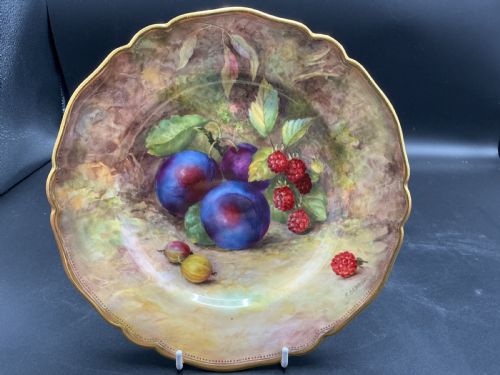
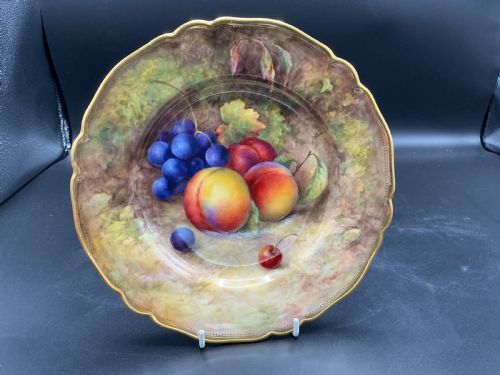
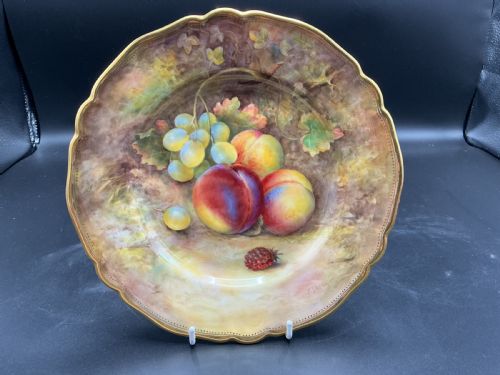
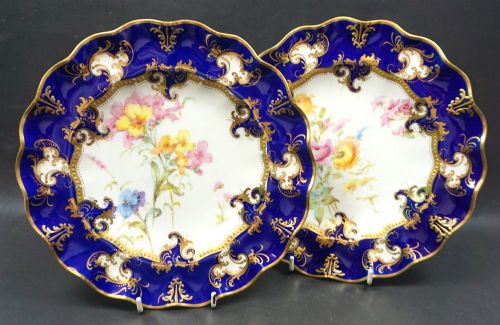
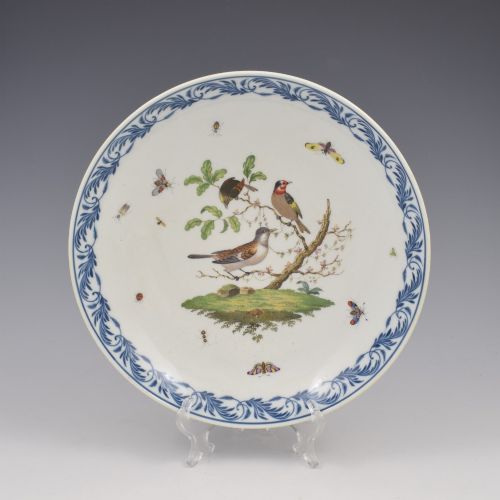
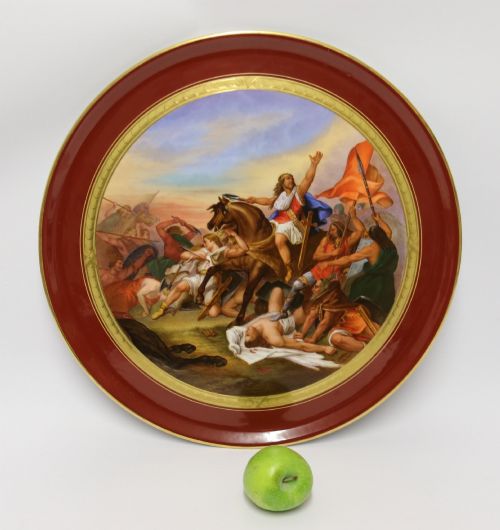
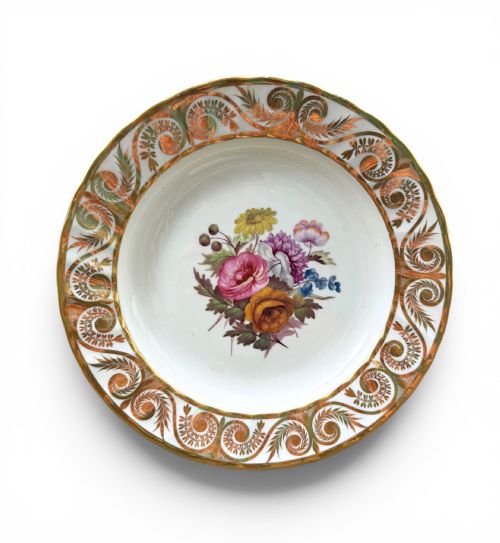
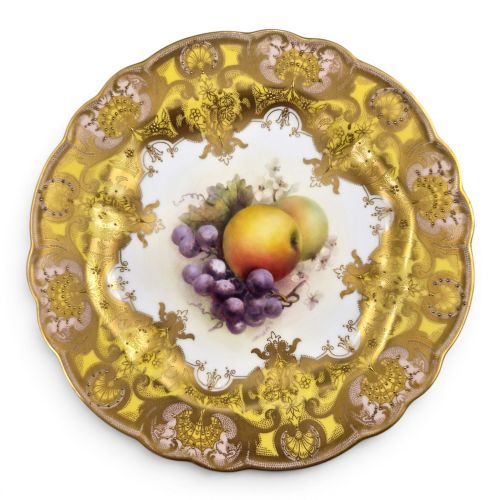
Hand Painted Cabinet Plate
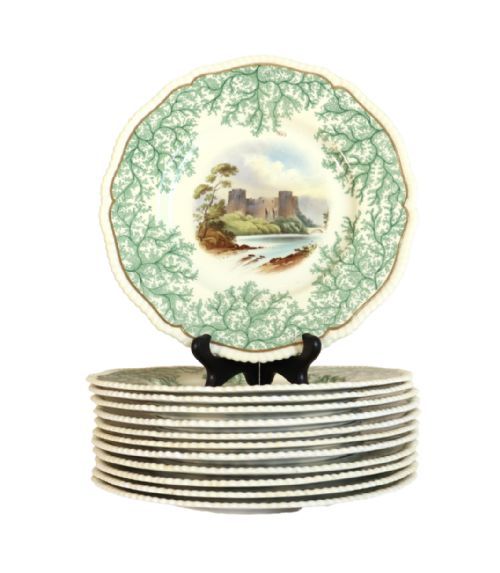
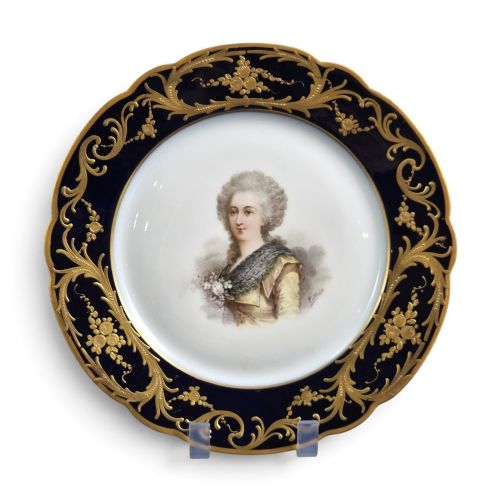
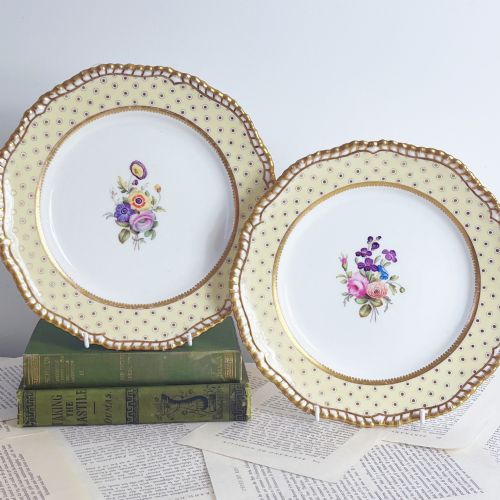
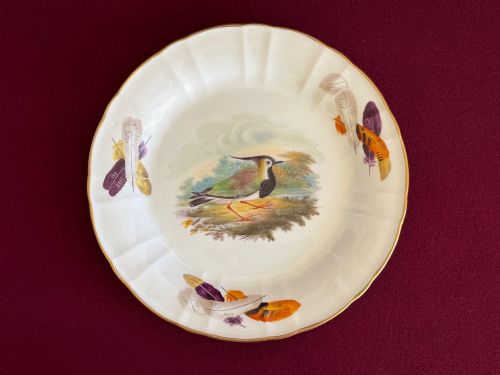
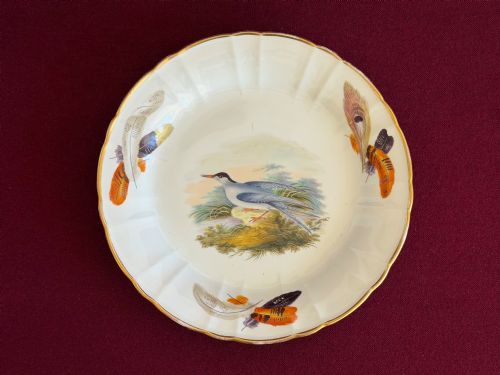
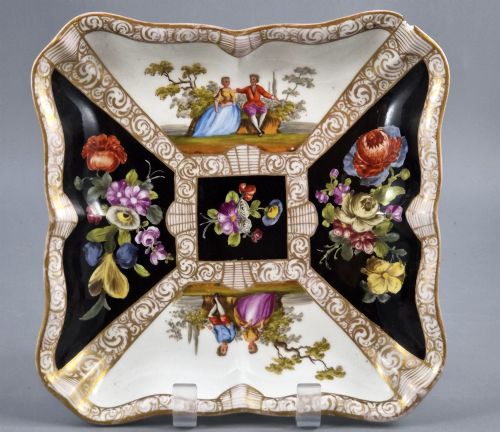
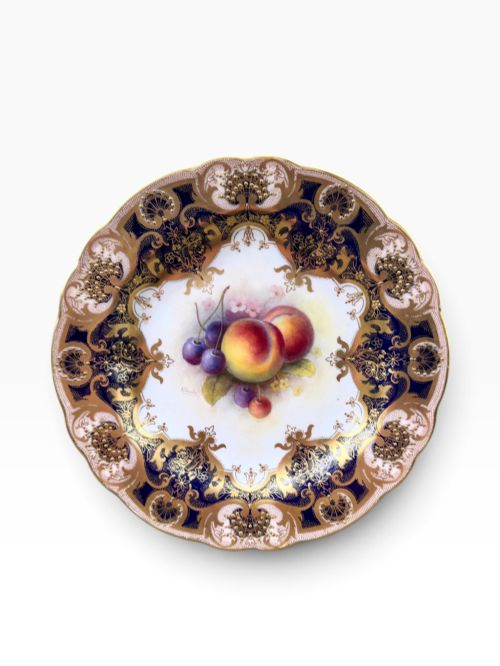
A hand painted cabinet plate brings rich pictorial subjects, botanical studies and historic scenes directly to the drawing room wall or display shelf.
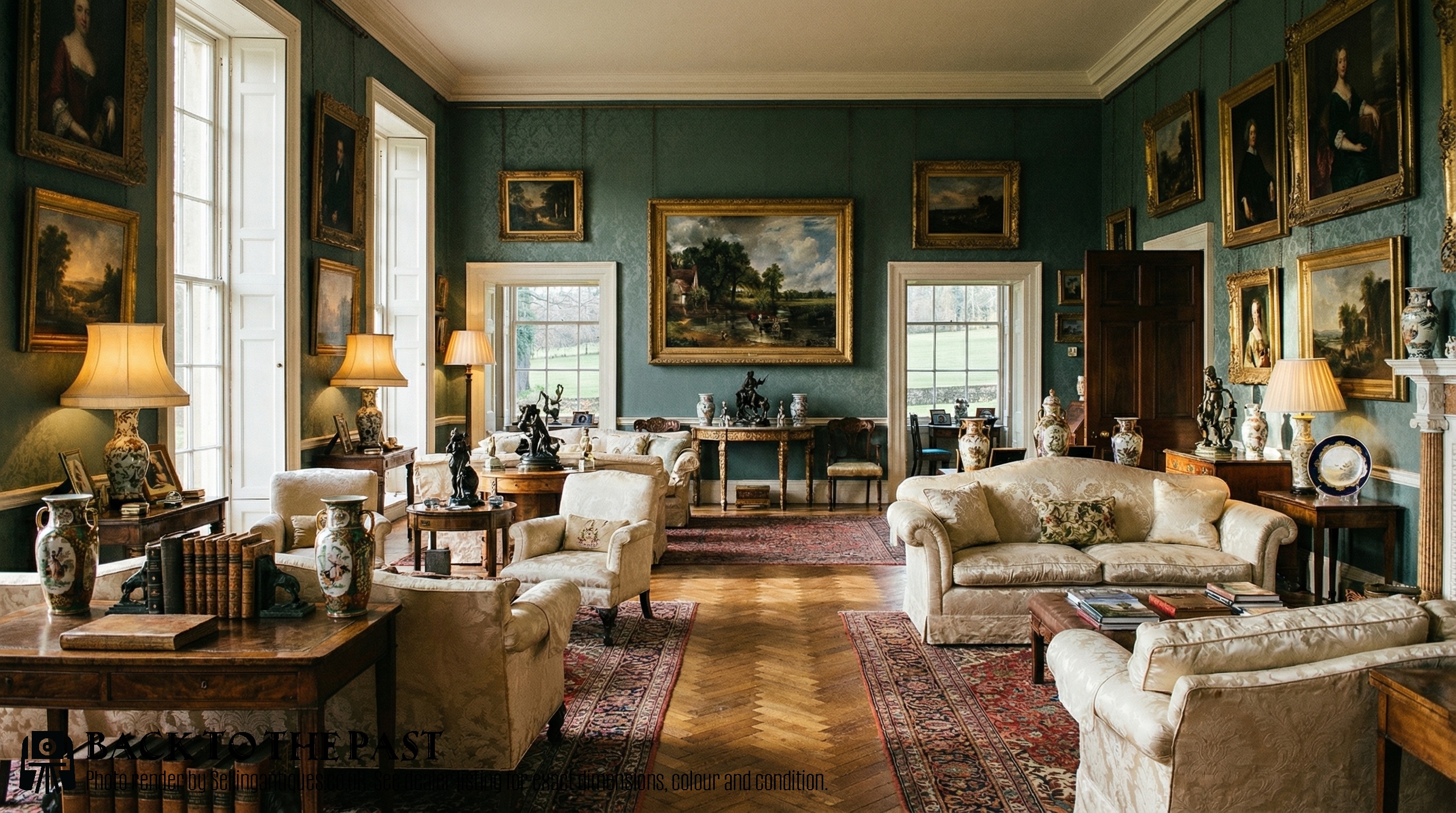
Hand Painted Cabinet Plate
A hand painted cabinet plate sits firmly within the tradition of fine ceramics made primarily for display rather than dining use. When browsing this page, one encounters pieces originating from major factories and studios spanning the eighteenth, nineteenth and early twentieth centuries.
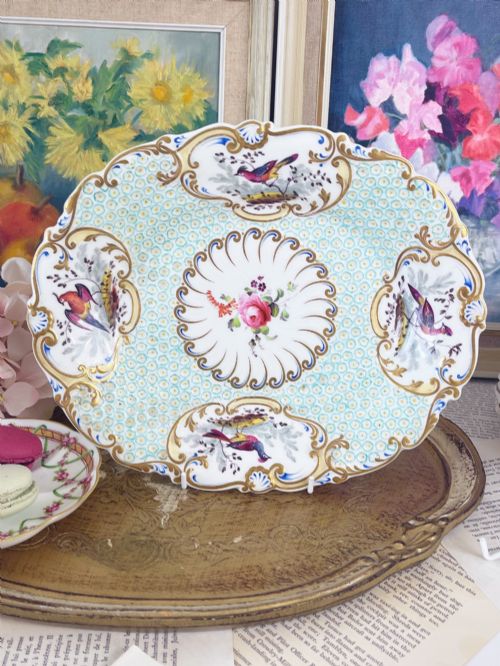
The selections range from botanical dessert dishes and ornithological studies to detailed portrait plaques and landscape scenes executed on porcelain, bone china and earthenware. These forms reflect centuries of changing tastes from Georgian and Regency refinement to Victorian exuberance and Edwardian artistry.
Makers utilised various display formats including shaped dishes, chargers and pierced plates designed to highlight individual artistic skill. Each item serves as a canvas recording historic flora, fauna and narrative subjects executed by named painters.
Materials and Technique
The foundation of these works relies on hard-paste porcelain, soft-paste porcelain, bone china or refined earthenware bodies shaped into plates and plaques. Potters threw or moulded these bases before applying white or tinted glazes that provided a smooth ground for the artist's brush.
Painters applied enamels and ceramic pigments by hand, often firing the pieces multiple times in a kiln to fix delicate colours and metallic details. Artisans incorporated gold leaf, gilding and rich cobalt grounds to accentuate the central painted subjects.
Hand Painted Cabinet Plate Retail Price Guide 2026
Typical asking prices for hand painted cabinet plate among the pieces listed under this phrase on Sellingantiques today, from the lower quarter to the upper quarter. They describe what is for sale here now, not the wider market.
Listings feature porcelain, bone china, and earthenware plates decorated with hand-painted birds, fruit, and landscapes from the nineteenth and twentieth centuries.
What Varies in Quality
The standard of a hand painted cabinet plate rests upon the sophistication and precision of the brushwork itself. Superior examples reveal the confident hand of a known artist who captured fine details in feathers, flora, or portraiture with exceptional depth.
The quality of the ceramic body and the richness of the surrounding gilding, cobalt grounds or raised enamel work dictate the tier of the piece. Meissen, Sèvres and Royal Worcester items often display higher levels of technical mastery in both the porcelain body and the miniature painting.
Royal Worcester·Meissen·Spode·Minton·Royal Doulton·Coalport·Wedgwood·H and R Daniel
The Hand Painted Cabinet Plate Glossary
- Cabinet plate
- A decorative ceramic plate intended for display in a cabinet or on a wall rather than for everyday dining use.
- Bone china
- A type of soft-paste porcelain incorporating animal bone ash, producing a strong, milky-white body favoured by English potteries.
- Gilding
- The application of gold leaf or powdered gold to ceramics, used to highlight borders, rims and raised patterns.
- Enamel
- Vitreous coloured glass fused to the surface of fired porcelain during low-temperature kiln cycles to create detailed painted designs.
- Charger
- A large decorative plate or dish, often utilised as a centrepiece or focal point in a display setting.
Hand Painted Cabinet Plate: Frequently Asked Questions
How were cabinet plates displayed originally?
Owners placed these decorative ceramics within glazed display cabinets, upon mantelpieces, or mounted them directly onto drawing room walls using wire hangers.
This manner of presentation protected the delicate painted surfaces and costly gilding from the wear associated with regular dining routines.
Can these plates still be used for food?
These pieces function primarily as works of art meant for visual appreciation rather than practical dining service.
Historic glazes and hand-painted enamel surfaces can suffer damage or abrasion from cutlery and modern washing methods.
How do I identify the period of a plate?
Makers frequently stamped, painted, or impressed factory marks, pattern numbers, and date ciphers onto the reverse of the ceramic body.
Comparing these ciphers alongside the painting style and material helps narrow down the decade of production.
Why are some plates signed by artists?
Master painters working at esteemed factories like Royal Worcester or Derby occasionally signed their miniature landscape, fruit, or portrait scenes.
Signed works reflect individual artistic attribution, distinguishing factory output executed by specific studio hands.