



Hand Blown Glass Goblet
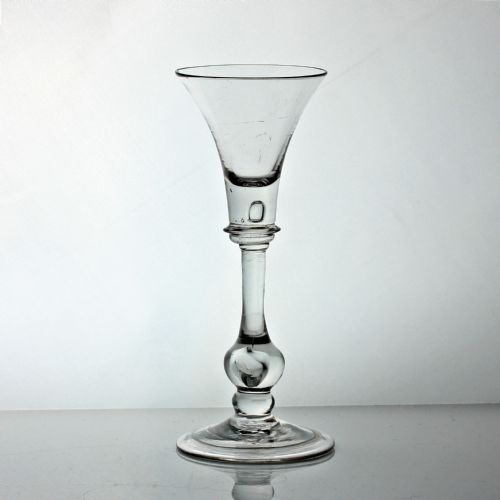
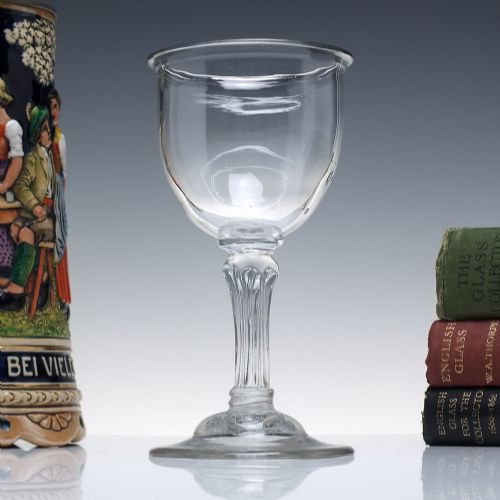
When you search for hand blown glass goblet, you enter a world of tactile drinking vessels spanning Georgian balusters to Victorian cranberry stems.
Hand Blown Glass Goblet
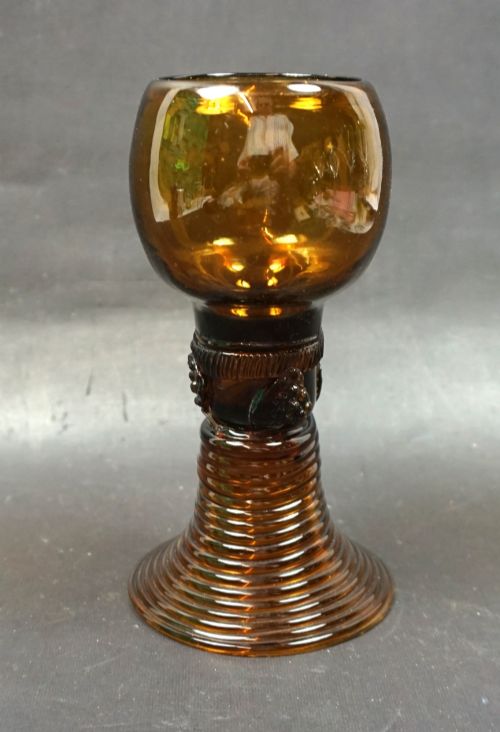
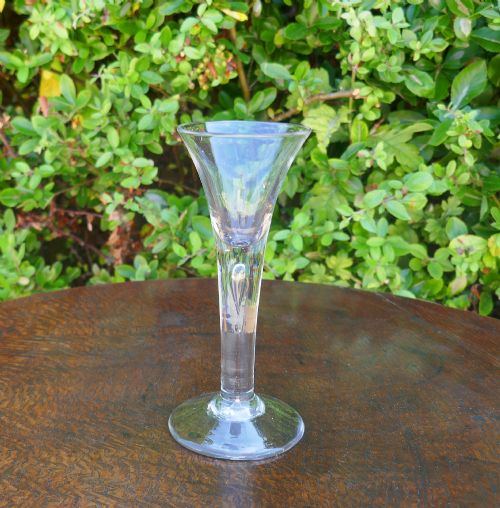
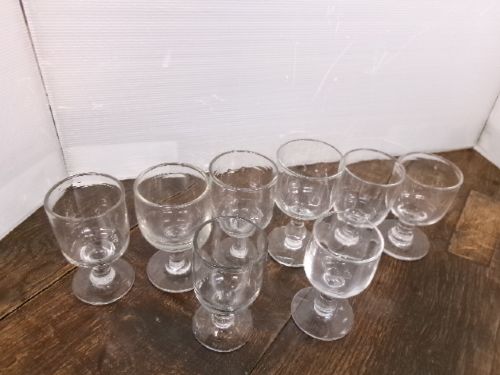
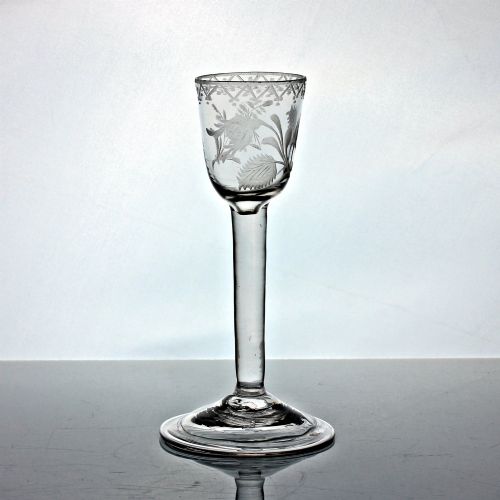
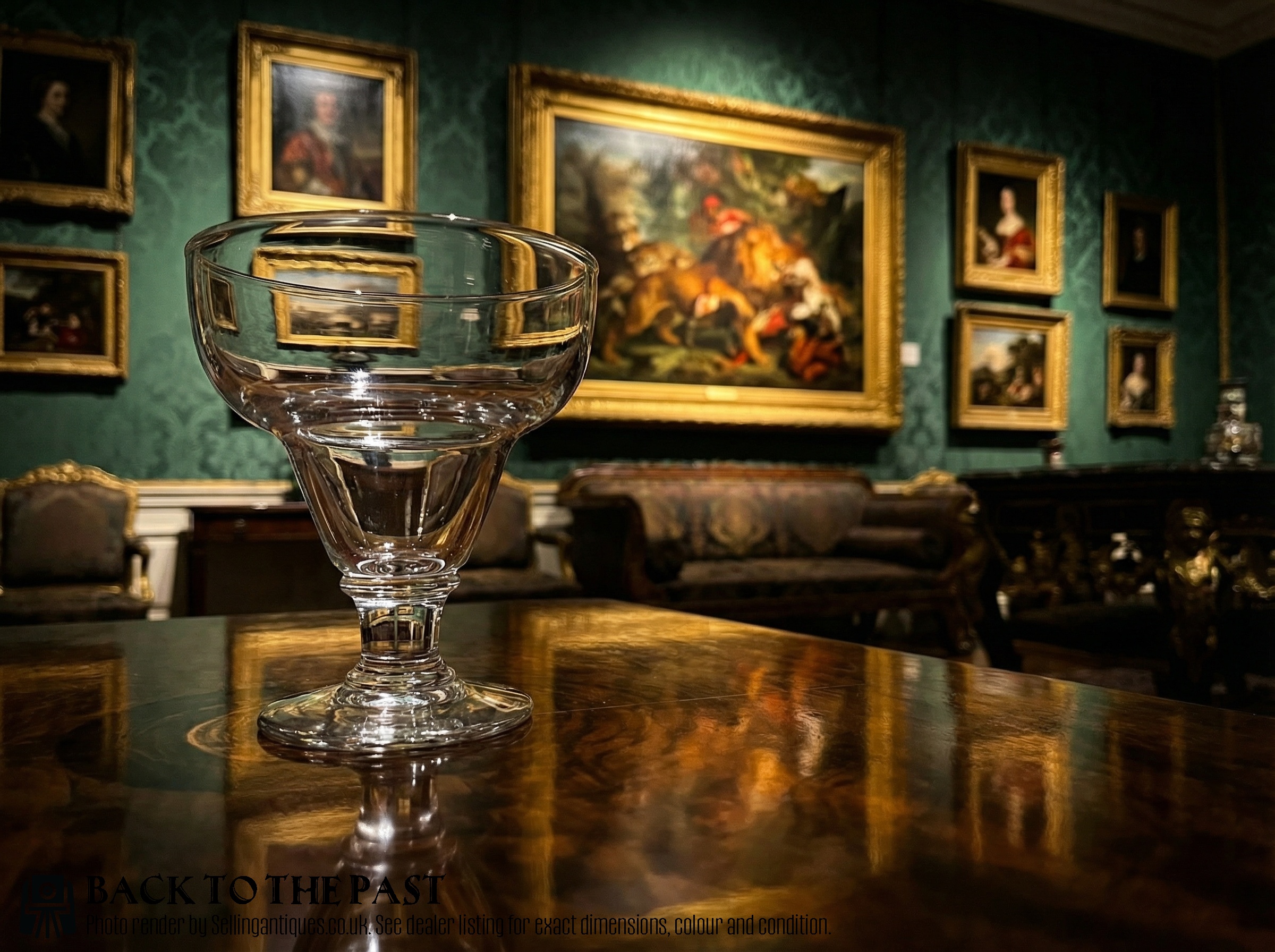
A hand blown glass goblet takes several distinct shapes across the centuries, ranging from robust rummers and tavern glasses to delicate wine vessels and pedestal champagne bowls. Buyers seeking a hand blown glass goblet encounter forms designed for specific drinks, including dram glasses, ale flutes, and cordial glasses.
The pieces on this page originate primarily from Georgian and Victorian workshops, alongside German, Venetian, and Austrian examples. Domestic British production sits alongside continental European output, showing varied regional tastes in drinking vessels from the eighteenth century onward.

Distinctions in Quality
The distinction between standard utility vessels and superior collector pieces rests on the dexterity of the gaffer and the purity of the metal. Weight distribution, balance in the hand, and the crispness of applied optical ribs separate masterwork items from basic tavern wares.
Visual clarity of the glass, the elegance of stem proportions, and the intentional placement of internal air tears define the upper tier of production. Subtle variations in wall thickness and pontil mark finishing reflect the individual workshop execution rather than mass output.
Hand Blown Glass Goblet Retail Price Guide 2026
Typical asking prices for hand blown glass goblet among the pieces listed under this phrase on Sellingantiques today, from the lower quarter to the upper quarter. They describe what is for sale here now, not the wider market.
Nut moulded Liege wine glasses carry the texture of a hazelnut pressed into the hot metal.
Harry Powell·James Powell·Salviati·Monart
The Hand Blown Glass Goblet Glossary
- Pontil mark
- The rough scar left on the base of a vessel where the punty rod was snapped off after blowing. This mark is often ground or polished smooth on finer pieces.
- Baluster stem
- A heavy, swelling stem shape reminiscent of architectural balusters, popular on eighteenth-century drinking vessels. It provides a substantial weight and secure grip.
- Air twist
- A spiral of elongated bubbles trapped within the solid stem of a glass during manufacture. Craftsmen create this effect by drawing and twisting the hot metal.
- Rummer
- A large, heavy goblet used for wine, punch, or ale during the Georgian and Victorian periods. These pieces typically feature thick walls and sturdy stems.
- Cranberry glass
- A rich red-pink glass coloured with gold chloride, widely utilised in Victorian tableware and decorative sets. The shade varies from pale pink to deep ruby.
Hand Blown Glass Goblet: Frequently Asked Questions
How do I date an antique glass goblet?
Dating relies on observing form, pontil finish, metal composition, and stem characteristics. Georgian pieces often display heavy lead metal and baluster or air-twist stems, while Victorian examples introduce vibrant cranberry colours and moulded decoration.
Changes in manufacturing techniques, such as the transition from rough pontil scars to smooth concave bases, provide further clues to chronology. Comparing specific bowl shapes against known period styles helps narrow the decade of production.
What is a rummer glass?
A rummer is a sturdy, capacious drinking glass designed for heavy wines, ale, or punch during the late eighteenth and nineteenth centuries. These vessels usually feature a bucket or pan-shaped bowl set on a short stem and a broad, stable foot.
Their robust construction made them practical for daily tavern or domestic use. Collectors value them for their tactile weight and honest craftsmanship.
Are these glasses safe to use?
Antique glass is generally stable for holding beverages, provided the metal shows no signs of active chemical breakdown or sickness. Hand washing in warm water preserves the historic surface.
Harsh detergents and automatic dishwashers should be avoided to protect fragile rims and subtle surface etching. Gentle handling ensures these historic vessels remain intact for daily enjoyment.
What is an air tear in a glass stem?
An air tear is a deliberate inclusion of a small bubble trapped inside the solid stem of a drinking glass. Eighteenth-century glassmakers manipulated the hot metal to draw air downward into an elongated droplet shape.
This technique adds visual interest and lightness to a heavy stem without compromising structural integrity. Its presence is a hallmark of skilled hand-blown manufacturing.