
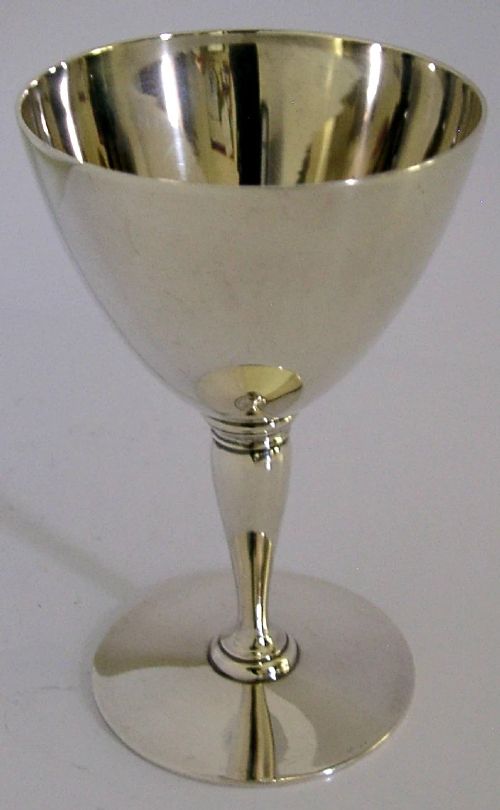

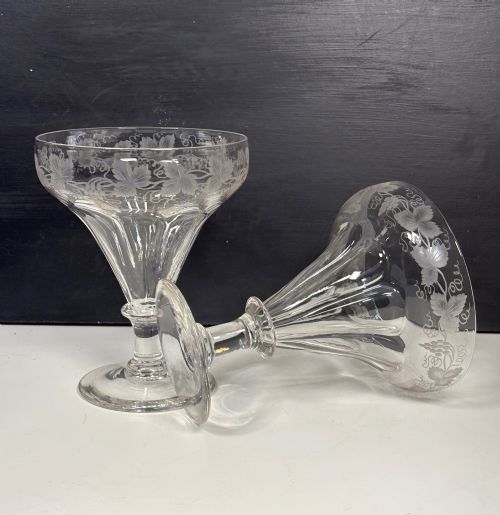


Vintage Glass Chalice
A vintage glass chalice brings ceremony to the table, and these drinking vessels and decorative goblets span centuries of skilled design.
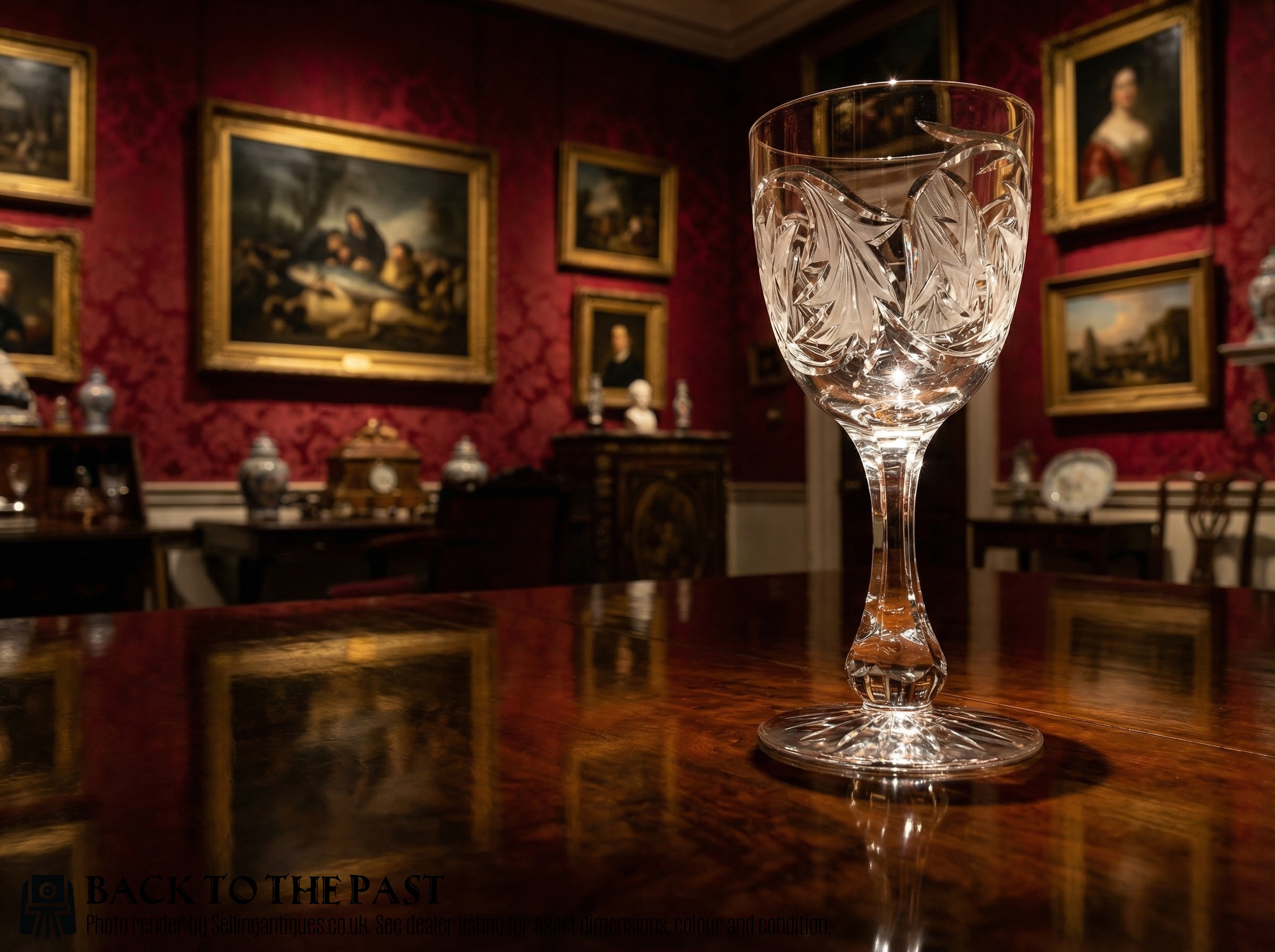
Vintage Glass Chalice
A vintage glass chalice is a substantial drinking vessel or decorative pedestal form, often taking the shape of a deep goblet, rummer, or roemer. When looking for a vintage glass chalice on this page, the pieces you encounter range from early eighteenth-century English balustroid drinking glasses to twentieth-century Art Deco and Jugendstil creations.
The selection includes English lead glass rummers engraved with hops and barley, tall Edwardian turquoise blue wine goblets, and Bohemian triple-cased gilt vessels. You will also find Murano millefiori glass chalice urn vases adorned with gold leaf alongside substantial Victorian cut and frosted wine goblets.
Forms extend beyond simple drinking vessels into barware, wine glasses, decorative bowls, and centrepiece bowls. These pieces cross various eras, uniting the centuries in their use of blown, moulded, and cut glass traditions.
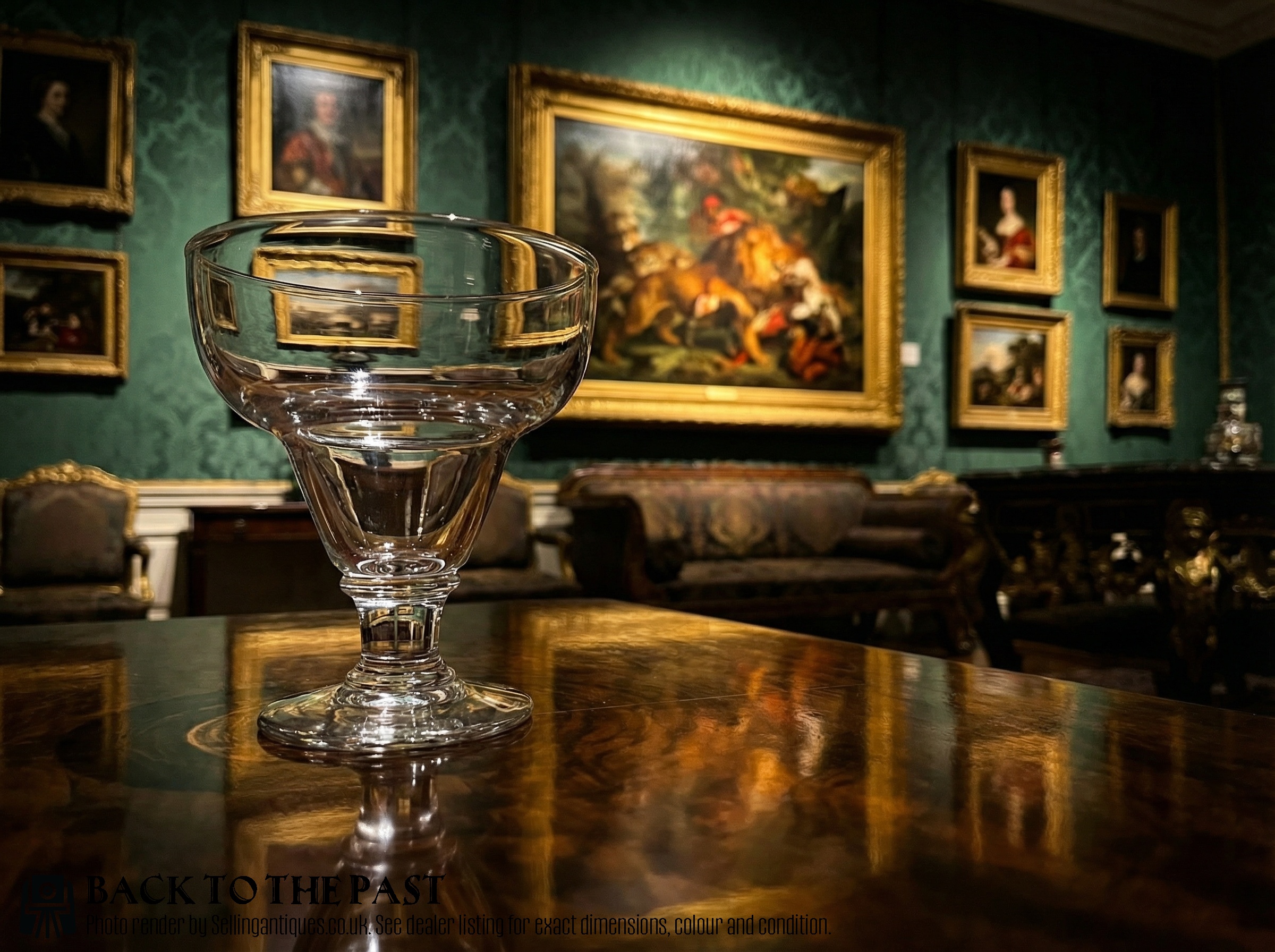
How they were made
Makers utilised clear glass, lead crystal, lead glass, and flint glass, shaping molten material through blowing and moulding techniques. Coloured glass variations appear in shades of turquoise blue, turquoise green, and pale green, sometimes layered as in Bohemian triple-cased pieces.
Surface ornamentation involved wheel engraving, etching, cutting, and frosting to create detailed motifs such as hops and barley. Artisans also applied gold leaf, polychrome enamel decoration, and animal motifs, while select pieces incorporate sterling silver mounts or components.
Vintage Glass Chalice Retail Price Guide 2026
Typical asking prices for vintage glass chalice among the pieces listed under this phrase on Sellingantiques today, from the lower quarter to the upper quarter. They describe what is for sale here now, not the wider market.
Listings feature periods from the early eighteenth century through the Victorian era up to 1920, incorporating lead crystal, gold leaf, and sterling silver.
What varies in quality
Quality rests upon the clarity of the metal, the weight and balance of the pedestal stem, and the precision of the hand-cut or engraved details. Earlier pieces demonstrate the depth of heavy lead glass and skilful balustroid forming.
Artistic execution distinguishes the work, seen in the clean lines of Jugendstil enamel decoration or the careful layering and gilding of Bohemian and Murano production. The harmony between the bowl, stem, and foot dictates the overall presence of the object.
TIFFANY & Co·Frits Hechert·Adelbert Niemeyer
The Vintage Glass Chalice Glossary
- Rummer
- A large, heavy drinking glass popular in the eighteenth and nineteenth centuries, typically featuring a short stem and wide bowl.
- Roemer
- A traditional Germanic drinking vessel with a large rounded bowl sitting on a cylindrical stem decorated with applied prunts.
- Balustroid
- A stem form on drinking glasses imitating the architectural baluster, common in mid-eighteenth-century English glassmaking.
- Millefiori
- A glasswork technique producing distinctive patterned mosaic canes, frequently seen in Italian art glass production.
Vintage Glass Chalice: Frequently Asked Questions
What is a glass chalice used for?
These vessels were originally made for consuming wine, ale, and rum during formal dining or ceremonial gatherings. Today they function equally well as decorative centrepieces or display objects.
Larger rummers and chalices provide a striking way to serve beverages at a table or hold small arrangements, bringing historical glasswork into daily domestic use.
How do I tell an 18th century chalice apart from a Victorian one?
Eighteenth-century drinking vessels often display heavier lead metal with balustroid or plain stems and simpler wheel-engraved motifs. Victorian examples frequently utilise deeper cutting, frosting, and more ornate Victorian styling.
Examining the pontil mark on the underside and the weight of the metal helps identify the manufacturing period and blowing technique.
Are these chalices safe for drinking?
Many historical rummers and wine glasses remain entirely functional for holding beverages. Lead glass and flint glass are stable materials for modern use.
Pieces featuring delicate enamel work, external gold leaf, or silver components are better reserved for display and gentle decorative use.