
Hall Table with Marble
A hall table with marble combines solid timber frames with stone surfaces, serving as a striking focal point for any entrance.
Hall Table with Marble
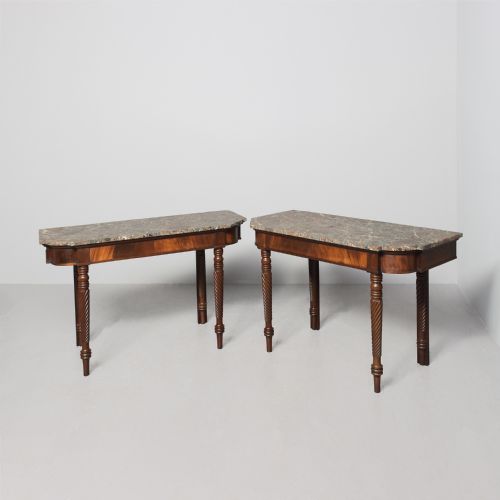
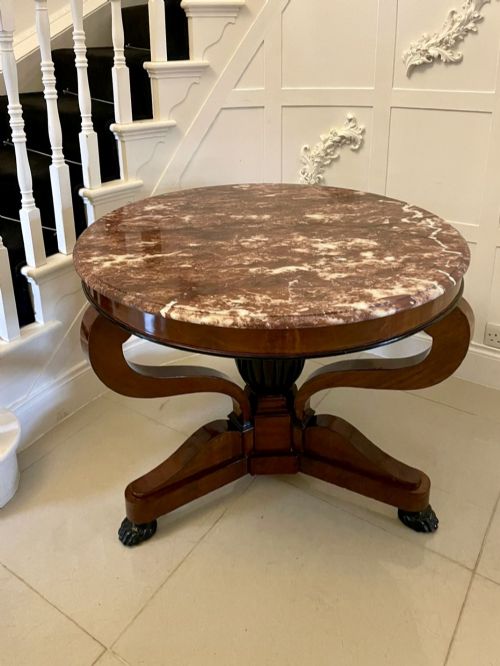
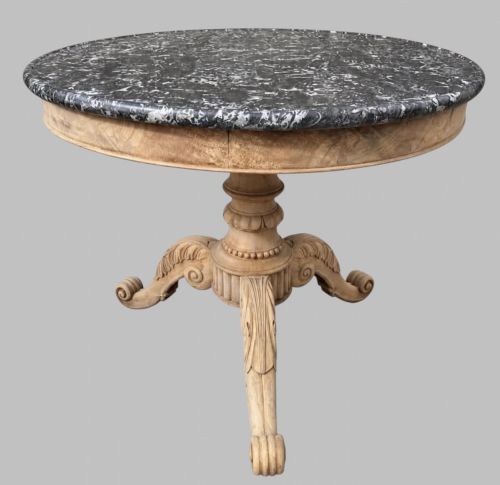
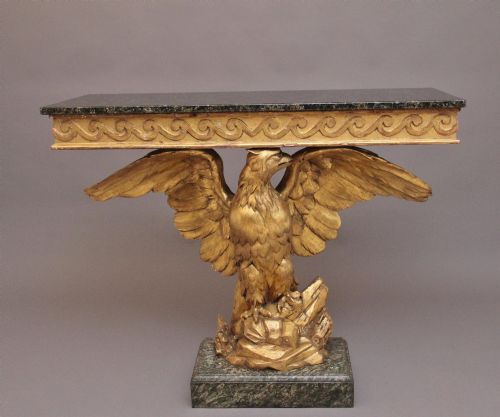
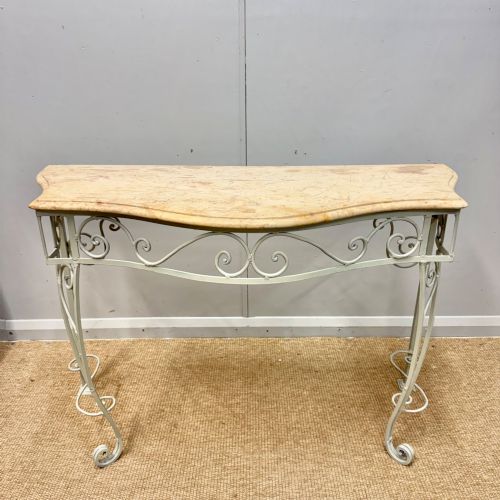
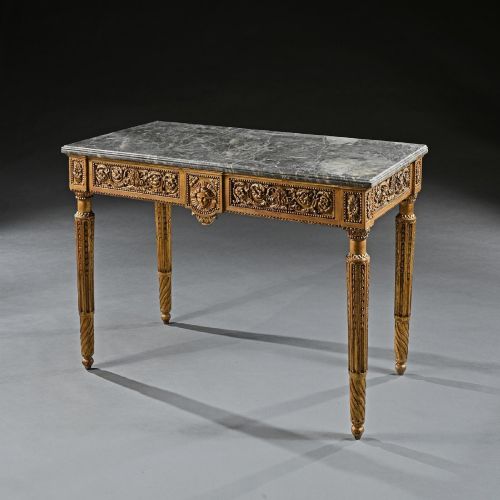
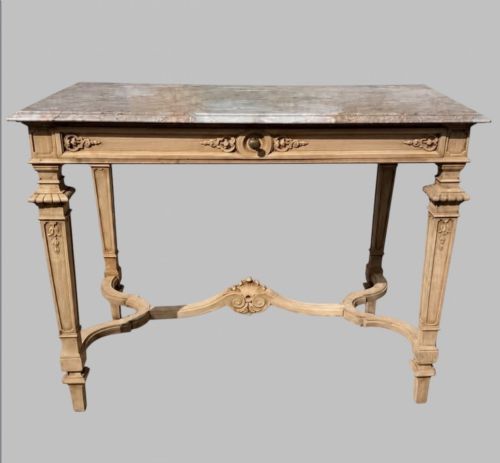
When you search for a hall table with marble, you encounter furniture designed primarily for entranceways, reception rooms, and hallways. These forms frequently appear as console tables, pier tables, centre tables, and occasional washstands.
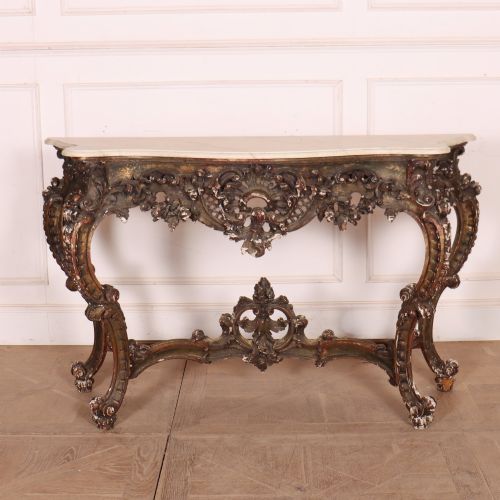
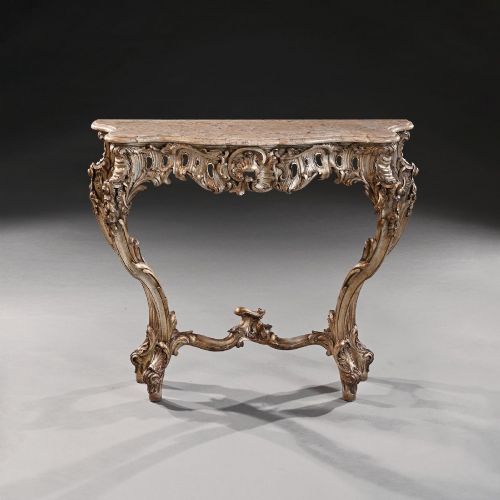
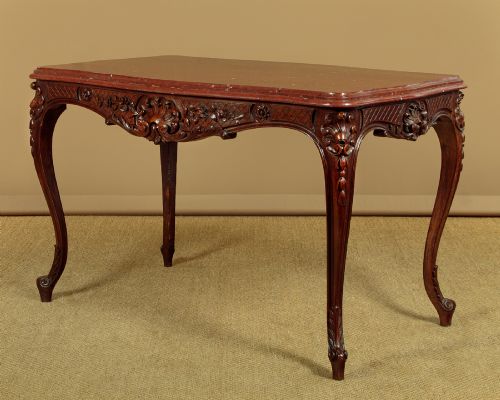
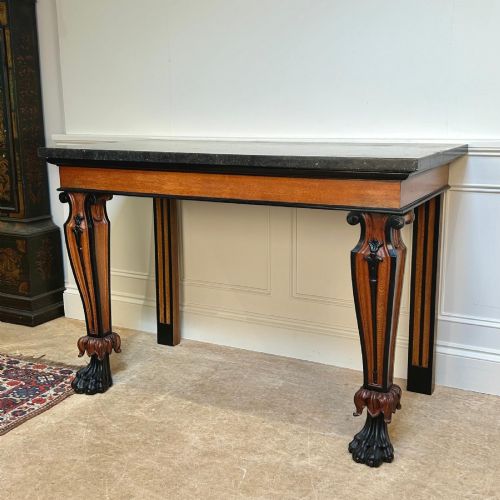
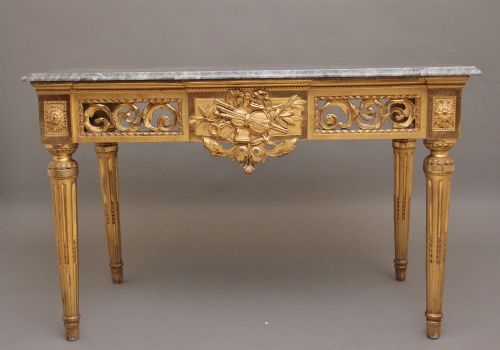
The pieces listed span various periods, with nineteenth-century examples dominating the selection alongside Edwardian and Victorian iterations. Common stylistic influences include French Empire, Regency, Neoclassical, and Baroque Revival designs.
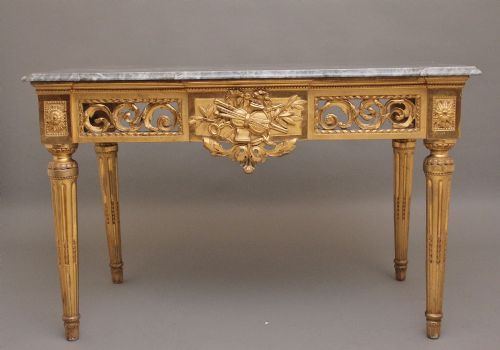
Makers utilised woods such as mahogany, walnut, rosewood, and pine for the base structures, pairing them with distinct stone surfaces. Many items feature mirror backs, giltwood frames, or painted finishes to enhance their decorative impact.
How they were made
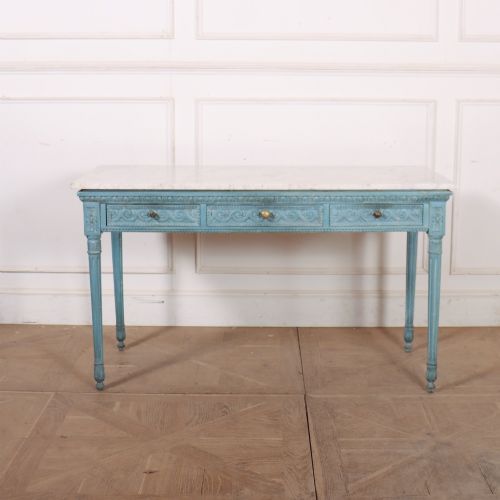
Cabinet makers constructed the foundational frames using dense timbers like mahogany, walnut, and rosewood, often applying parcel-gilt, gesso, or paint to the exterior surfaces. Pine also served as a primary material, particularly for pieces finished with painted faux marble.
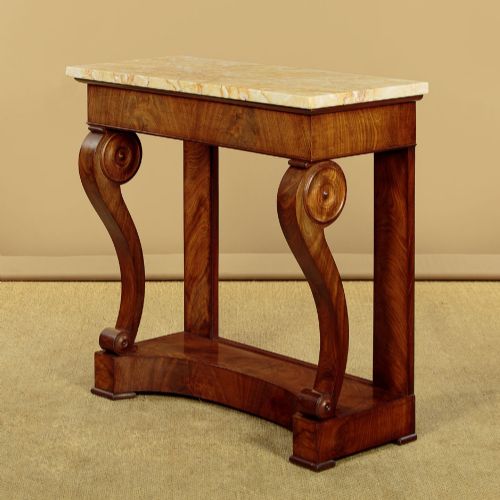
Masons shaped and polished the heavy stone surfaces, which include varieties such as carrara, onyx, breccia, and specimen marble. Ormolu mounts, brass details, and glass mirror plates were integrated to complement the polished stone tops.
The listings show nineteenth-century pieces alongside Edwardian and Victorian examples, constructed from mahogany, walnut, rosewood, and pine with various marble varieties.
What varies in quality
The standard of carving and gilding separates standard production from exceptional work, particularly on giltwood and polychrome frames. Crisp detailing on wooden elements and mountings indicates superior craftsmanship.
The selection and thickness of the stone slab influence the overall character of the piece. Fine figured, breccia, or specimen marble tops demonstrate careful material selection by the original maker.
Amleto Bertoni
The Hall Table with Marble Glossary
- Console table
- A table designed to stand against a wall, frequently supported by wall brackets or front legs. These items often feature shaped marble tops and mirror backs.
- Gueridon
- A small circular table originating in France, typically featuring a single central pillar or tripod base. They frequently incorporate marble tops.
- Pier table
- A low table built to fit beneath a pier glass or wall mirror between windows. They commonly utilise marble surfaces.
- Ormolu
- Gilded bronze used for decorative mounts and accents on furniture. It provides metallic contrast against timber and stone.
- Carrara marble
- A type of white or blue-grey stone quarried in Italy. It appears frequently on nineteenth-century French and English tables.
Hall Table with Marble: Frequently Asked Questions
How were these tables used originally?
Historically, homeowners placed these tables in grand entrance halls to create an impressive initial visual impact for visitors. Servants and residents used the durable stone surfaces to temporarily hold items upon entering or leaving the house.
In reception rooms or parlours, similar tables functioned as pier or centre tables to display decorative bronzes, clocks, or floral arrangements. Their placement against walls or in the middle of rooms depended on the specific room layout and table form.
How do I style a marble top table?
To style a marble top table, balance the heavy visual weight of the stone with simpler decorative accessories. Placing a ceramic bowl or a small tray on the surface helps organise everyday items while protecting the polish.
Consider the surrounding wall space, particularly if the table incorporates a mirror back or sits beneath a wall-mounted mirror. Keeping the arrangement uncluttered allows the natural grain and colour of the marble to remain the focal point.
How do I tell different periods apart?
Identifying the period relies on examining the combination of timber, carving style, and stone type. Regency and French Empire pieces often display classical proportions with mahogany, rosewood, and restrained ormolu mounts.
Later Victorian and Baroque Revival examples typically feature heavier carving, giltwood finishes, and more dramatic stone selections like breccia or pink marble. Edwardian washstands and tables generally show lighter woods such as satinwood or simpler painted pine structures.