




Hadley Royal Worcester Figure
These hadley royal worcester figure pieces capture Victorian and Edwardian character studies through meticulous porcelain modelling and blush ivory glaze.
Hadley Royal Worcester Figure
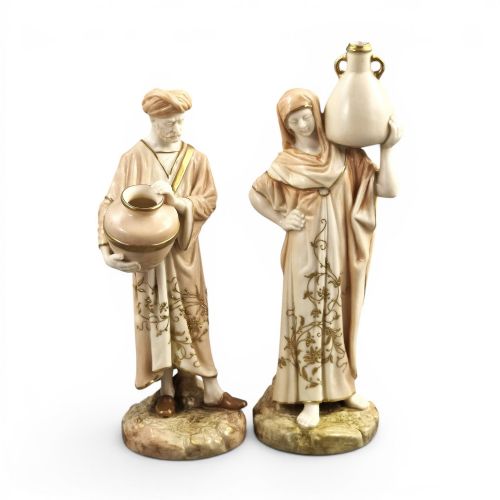
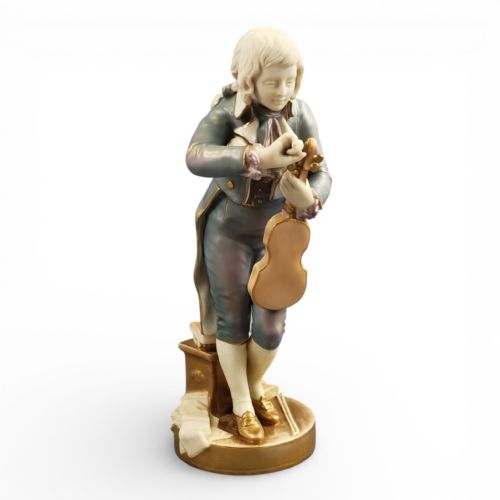
A hadley royal worcester figure brings domestic cabinet sculpture into focus through specific ceramic models designed by James Hadley. You meet figures depicting water carriers, musicians, and regional character studies spanning the Victorian and Edwardian eras.
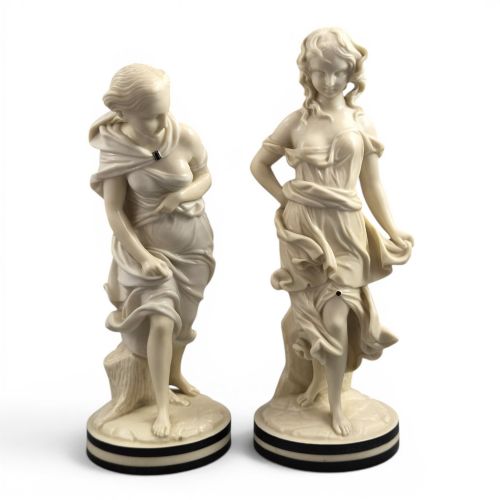
The selection ranges from solo decorative statuettes to matched pairs of candlesticks and candelabra. Orientalist subjects and classical figures sit alongside genre pieces representing specific figures like the monk or the coppersmith.
Materials and Technique
The manufacture relies upon porcelain bodies finished with glaze, enamel, and gold leaf gilding. Many examples utilise the distinctive blush ivory glaze developed during the late nineteenth century.
Model creation involves intricate moulding and hand-finishing by modellers, followed by careful application of polychrome enamel and metallic accents. Pieces frequently carry registration numbers, pattern numbers, or signatures.
Listings feature porcelain, blush ivory glaze, enamel, and gold leaf applied across Victorian and Edwardian periods.
Distinctions in Quality
Quality rests upon the crispness of the modelling and the subtlety of the enamel work on the porcelain surface. Fine examples maintain precise facial expressions and sharp drapery folds without softening from worn moulds.
The preservation of the delicate blush ivory glaze and the crisp application of gold leaf gilding determine the visual success of each piece. Larger sculptural groups and complex candelabra demonstrate greater ambition in the kiln.
James Hadley·Royal Worcester
The Hadley Royal Worcester Figure Glossary
- Blush Ivory Glaze
- A softly tinted matte ceramic surface developed by Royal Worcester in the late Victorian period. It provides a warm background for hand-painted floral and figurative details.
- Parian Ware
- A fine white unglazed porcelain resembling marble, used for Victorian figural pieces. It allows high detail retention in sculpture.
- Patent Metallic
- A specialised glaze finish applied to certain Victorian figures to simulate bronze or other metals. It creates deep metallic tones across the porcelain body.
- Gilding
- The application of gold leaf or gold paint to ceramic surfaces. It highlights decorative trim, garments, and accessories on figural works.
- Model Number
- A numeric code stamped or painted on the base of a ceramic piece. It corresponds to factory records for shape identification.
Hadley Royal Worcester Figure: Frequently Asked Questions
What subjects do these figures depict?
The pieces portray an array of subjects including water carriers from Cairo, musicians, regional characters, and classical maidens. Many reflect Victorian Orientalism alongside British and European occupational figures.
Modelling extends to functional objects such as candlesticks and candelabra that incorporate figural elements into their design.
How do I identify a Hadley piece?
Look for factory marks, pattern numbers, and signatures associated with James Hadley on the base of the porcelain. The presence of blush ivory glaze or patent metallic finishes often points toward his production.
Style characteristics include naturalistic poses and detailed period costumes spanning the late nineteenth and early twentieth centuries.
Where should I display porcelain figures?
Cabinet display in a stable environment protects delicate porcelain, enamel, and gilt surfaces from accidental damage. Avoid placing pieces in direct sunlight to preserve the painted enamel colours.
Paired figures and candelabra look best balanced on mantelpieces or sturdy side tables where their full detail remains visible.
How do Victorian and Edwardian figures differ?
Victorian pieces often embrace heavy ornamentation, Orientalist themes, and complex glazing techniques like patent metallic or blush ivory. Edwardian examples tend toward refined classical subjects and updated model iterations.
Both periods share the underlying porcelain body and detailed hand-finishing characteristic of the factory.