
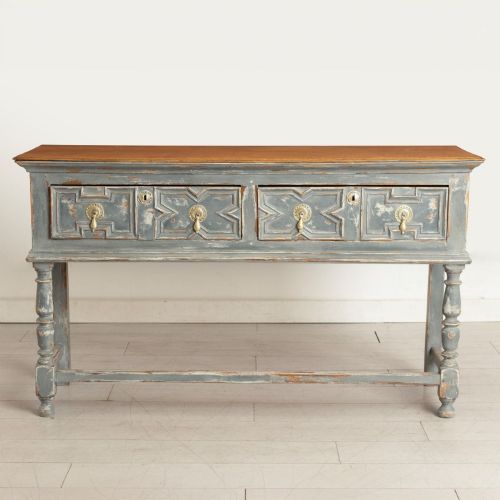
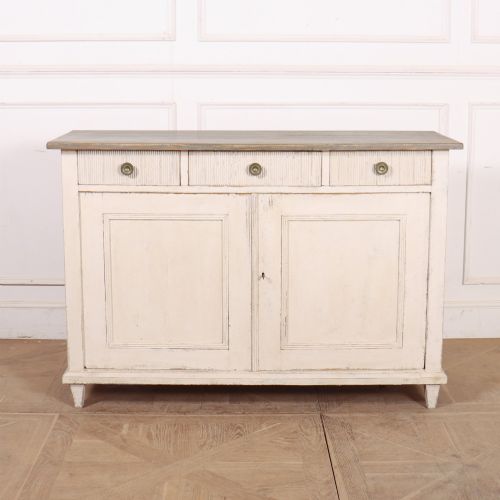
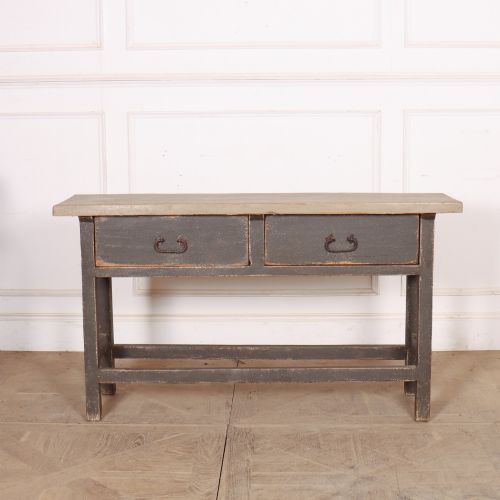
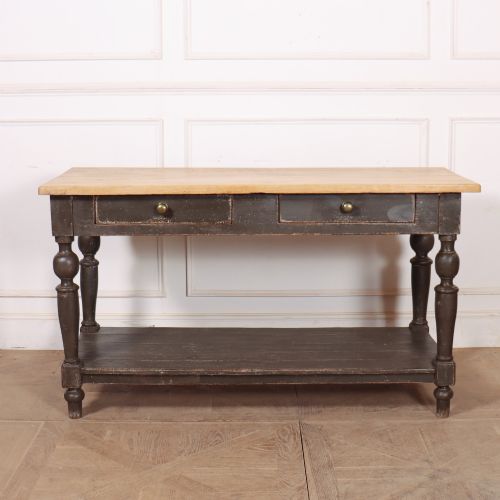
Grey Painted Drawers
Grey painted drawers bring muted elegance to a room, offering practical storage through pieces shaped by regional European and British cabinet-making traditions.
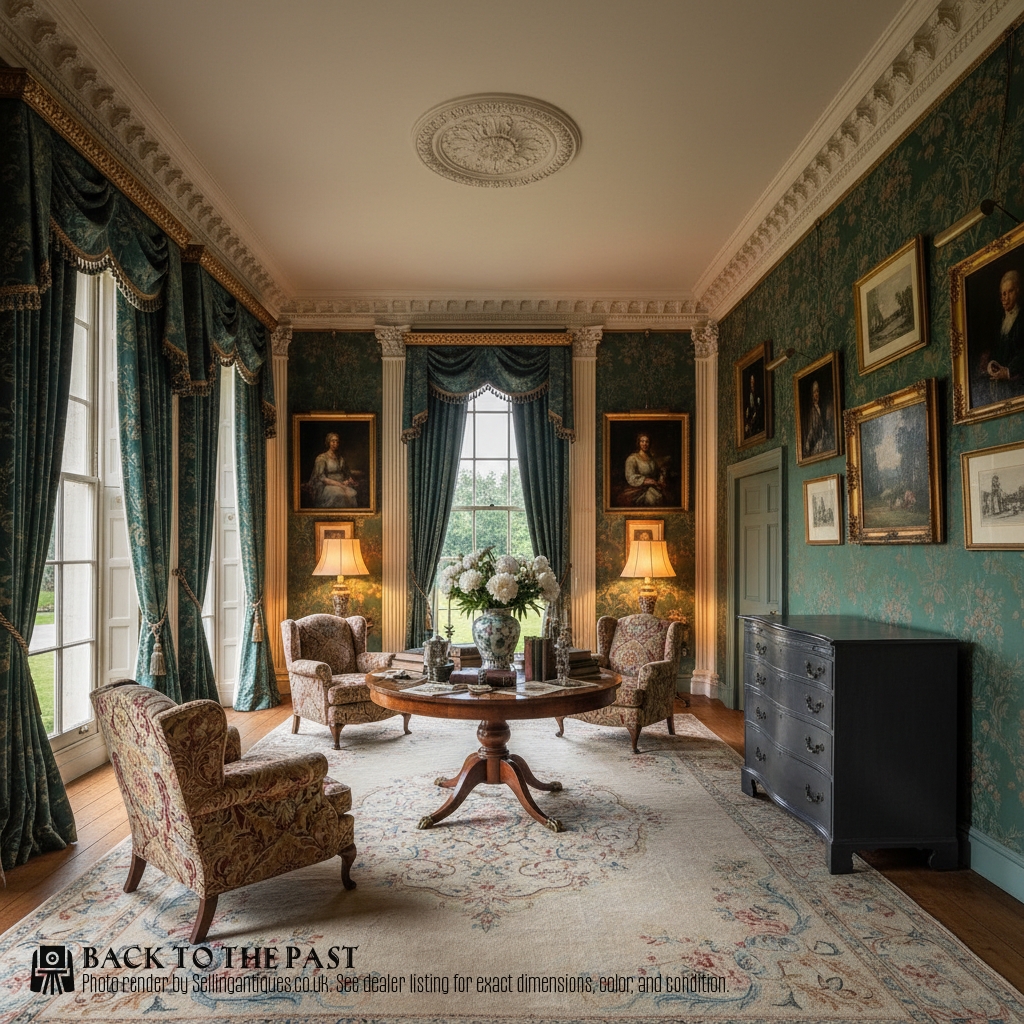
Grey Painted Drawers
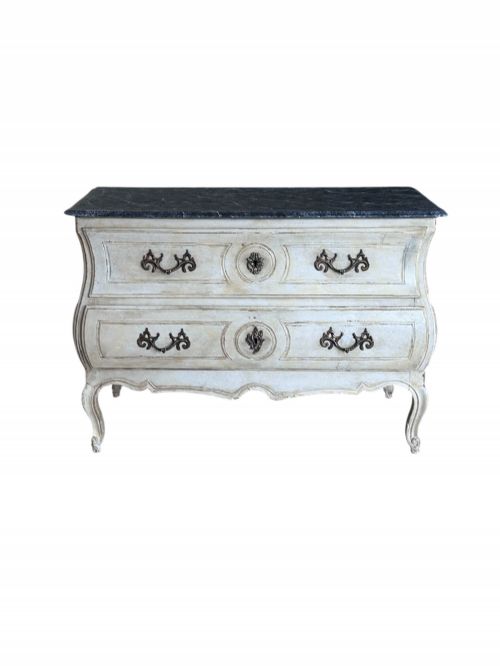
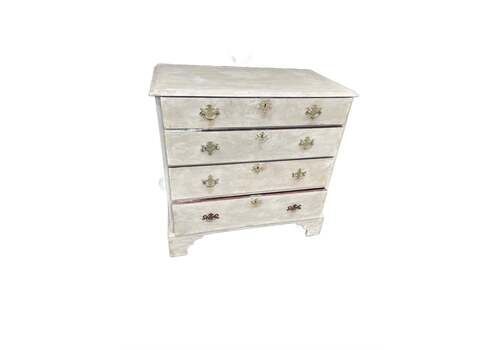
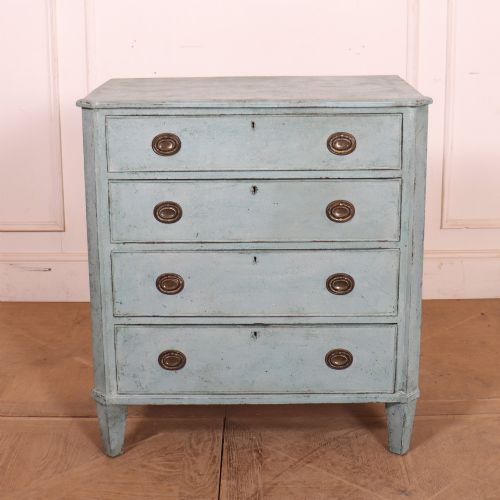
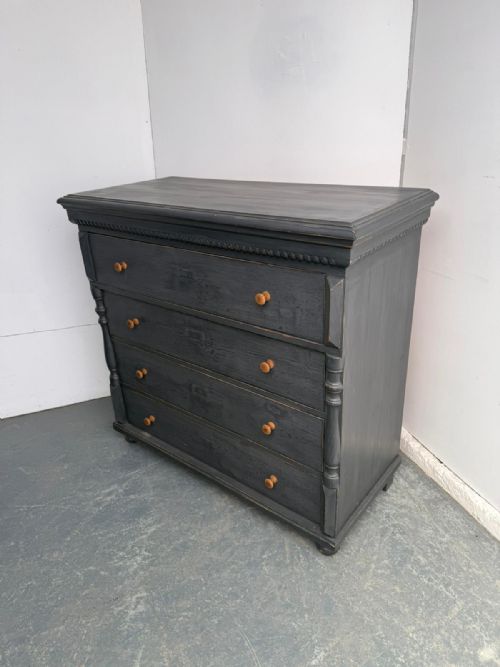
When you search for grey painted drawers, you encounter storage furniture ranging from grand continental commodes to sturdy British country chests. The forms span from nineteenth-century Victorian pine uprights to eighteenth-century Swedish Gustavian commodes with serpentine or bombe profiles.
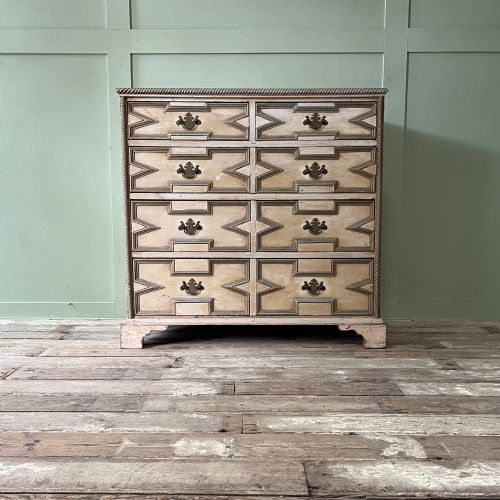
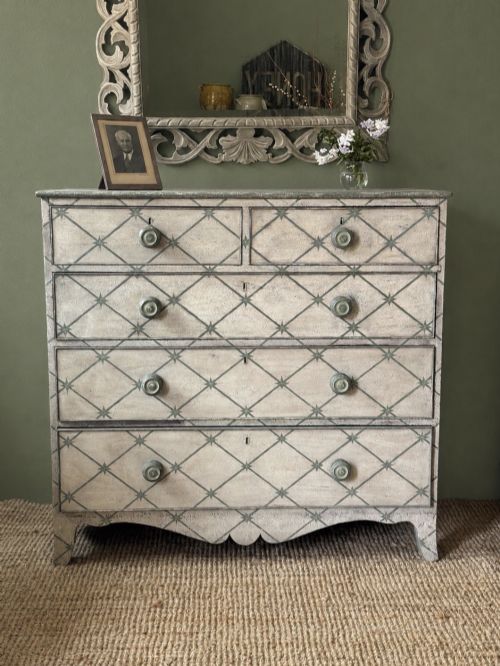
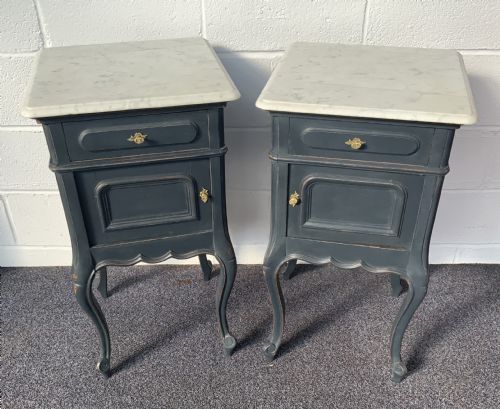
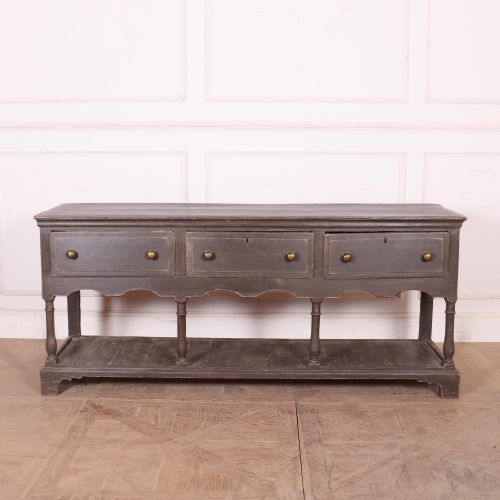
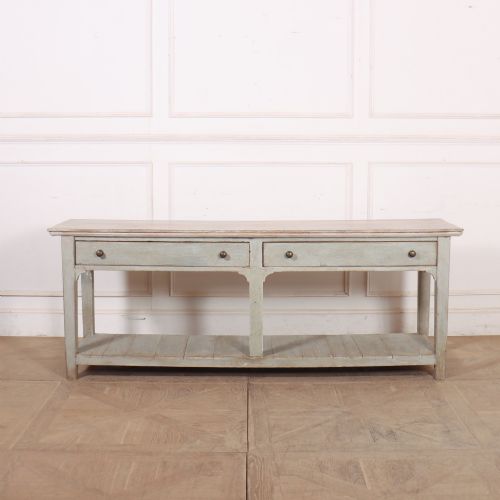
The most common pieces on this page are chest of drawers configurations in pine and oak, often carrying layers of historic or contemporary grey paint. Alongside standard chests, you find bedside tables, dresser bases, and sideboards suited to various domestic rooms.
Geographic origins heavily influence the silhouette, shifting from the restrained neoclassical lines of Scandinavia to the carved oak panels of French provincial workshops. These items combine utilitarian capacity with decorative paint finishes developed over centuries.
How they were made
Constructed primarily from solid pine, oak, and other native hardwoods, these carcasses rely on traditional joinery such as dovetailing for drawer boxes and mortise and tenon frames. Timber selection depended largely on regional availability, with Baltic pine and English oak dominating domestic and provincial output.
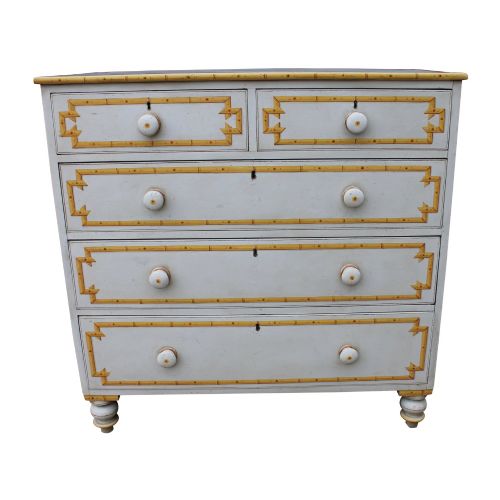
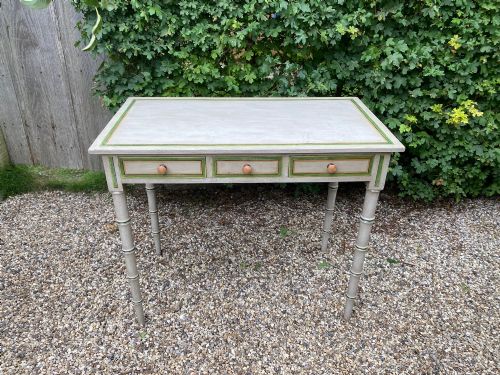
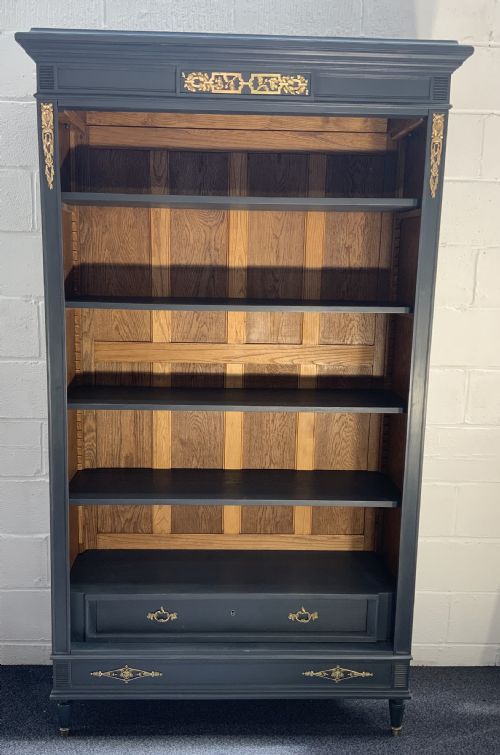
Surface treatments involve layered paint applications, sometimes combined with gilding, brass hardware, and faux bamboo or faux marble decorative details. Over time, original pigments have frequently received later overpainting or surface ageing to suit changing interior tastes.
Several pieces embrace the nineteenth-century fascination with exotic plants by featuring hand-carved faux bamboo mouldings alongside traditional European drawer configurations.
What varies in quality
Quality rests on the integrity of the underlying timber structure and the harmony of the proportions, distinguishing provincial utility items from high-style urban commissions. Finer pieces maintain crisp carving, well-fitted drawers, and decorative hardware that matches the period style.
The treatment of the paint surface also dictates the character of the piece, whether through retained historic layers with natural patina or specialist decorative finishes. Structural alterations, such as later marble tops added to commodes, shift a piece away from its original factory state.
Sir Clough Williams-Ellis·Edwards and Roberts
The Grey Painted Drawers Glossary
- Commode
- A low cabinet or chest of drawers, often French or continental in origin, standing on relatively short legs. They frequently feature decorative front profiles such as bombe or serpentine shapes.
- Gustavian
- The Swedish neoclassical style spanning the late eighteenth century, characterised by restrained symmetry, fluted columns, and pale painted finishes. These pieces adapt heavier continental motifs to lighter proportions.
- Bombe
- A swelling, outward-curved contour found on the front and sides of certain continental chests of drawers and commodes. This technique demands advanced joinery to shape the timber accurately.
- Potboard
- An open slatted lower shelf incorporated into traditional dresser bases for storing kitchen ceramics. This utilitarian feature anchors the design of country dining furniture.
- Faux bamboo
- Carved or turned woodwork moulded to imitate natural bamboo stalks, popular during the nineteenth century. Makers applied this decorative technique to drawer frames and table legs.
Grey Painted Drawers: Frequently Asked Questions
How do I date a painted chest?
Dating relies on examining the construction methods of the drawer boxes, such as hand-cut dovetails, alongside the timber species and hardware style. Secondary woods inside the carcass often provide the clearest indication of the manufacturing period.
Paint layers also tell a story, though many older pieces have been refinished or overpainted during their lifespan. Comparing the carcass proportions to known regional styles helps narrow down the decade of production.
Are these finishes original?
Many items carry a mixture of original and later paint layers applied as interior fashions shifted across the nineteenth and twentieth centuries. Listings often specify whether a piece retains early surface decoration or has undergone later refreshing.
Evaluating the wear patterns around the drawer pulls and edges helps determine how long the current finish has been in place. Both historic patinated paint and newer decorative applications hold distinct appeal for different interiors.
How do I care for painted furniture?
Keep painted timber away from direct sunlight and steady heat sources to prevent the wood beneath from expanding and cracking the surface. Dust gently with a dry or slightly damp cloth without harsh chemical polishes.
Maintain stable room humidity levels to protect both the historic joints and the decorative paint layers from flaking. Routine gentle care preserves the character accumulated over generations of use.
What is a Gustavian commode?
A Gustavian commode is a Swedish neoclassical chest of drawers influenced by French royal styles but interpreted with northern restraint. They typically display pale grey or cream paint, subtle fluting, and balanced proportions.
These pieces emerged during the late eighteenth century and remain sought after for their luminous, uncluttered aesthetic. Their refined carving provides a counterpoint to heavier Victorian storage furniture.