
Green Pottery Vase
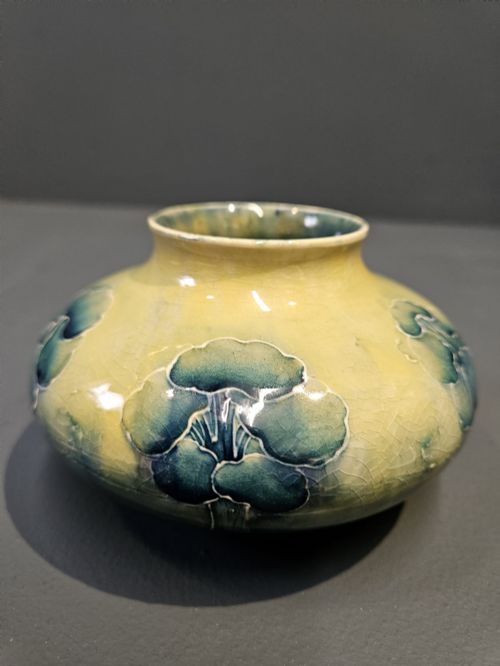
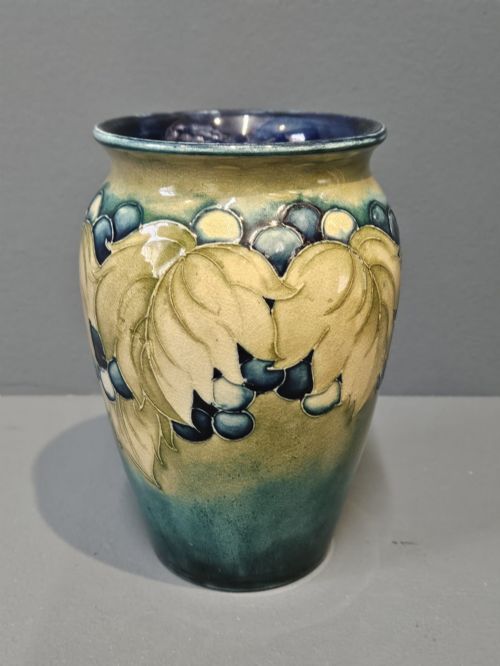
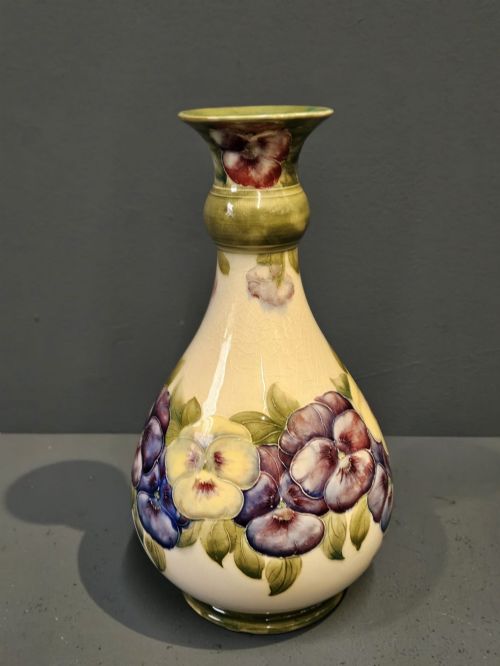
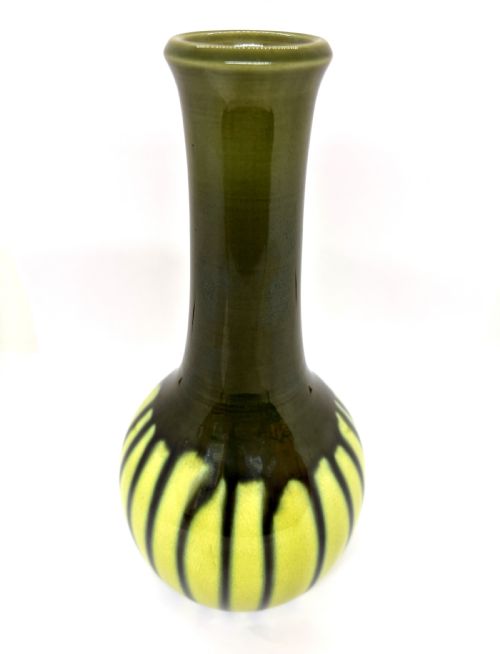
A green pottery vase brings deep colour and tactile weight to a room, ranging from fluid Art Nouveau stoneware to earthy Victorian earthenware.
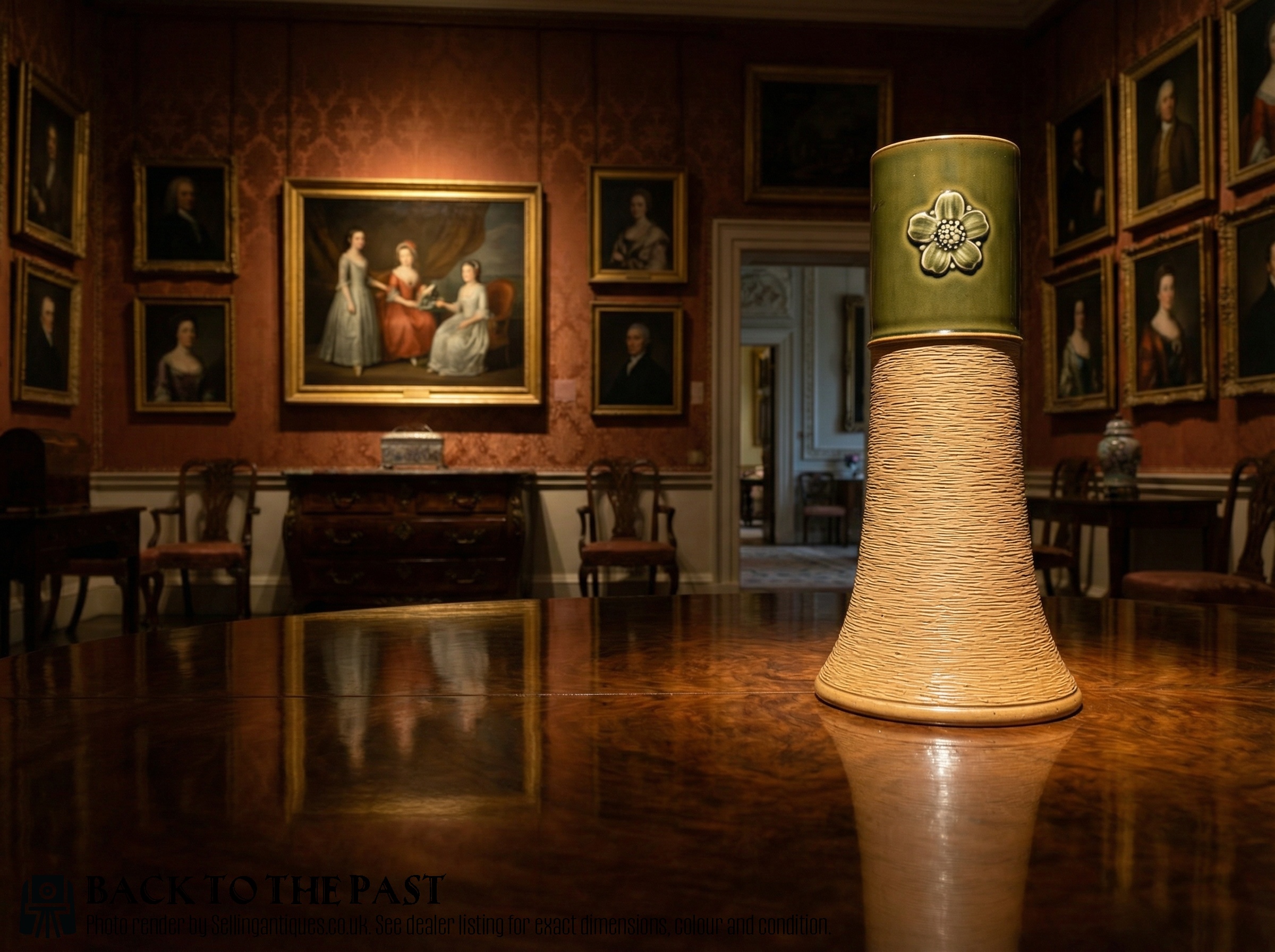
Green Pottery Vase
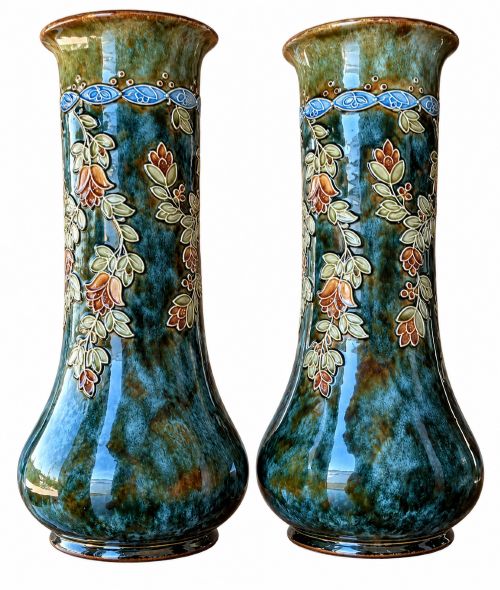
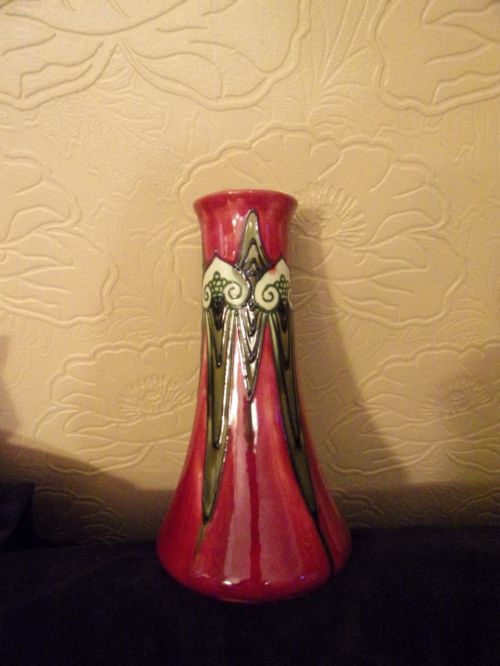
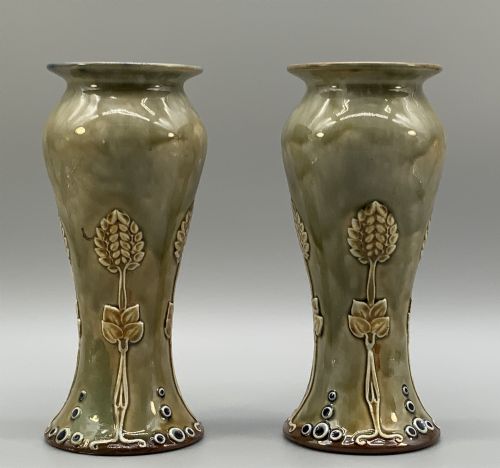
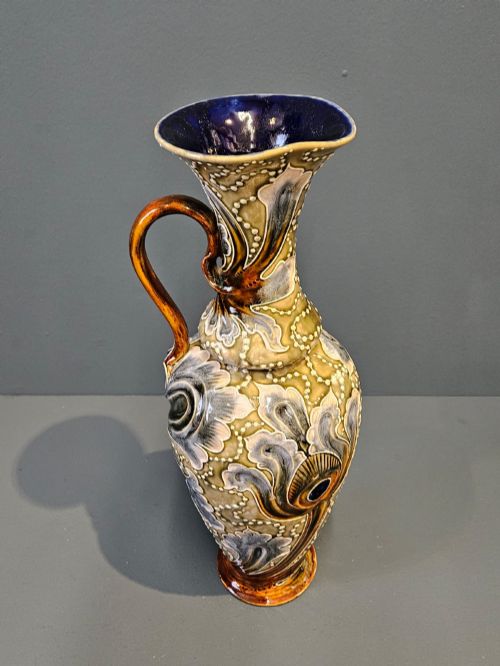
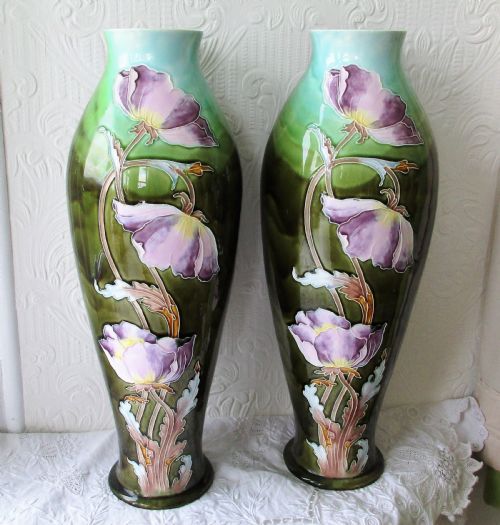
When you search for a green pottery vase, you encounter a wide span of vessels shaped across the nineteenth and early twentieth centuries. The selection on this page leans heavily toward nineteenth century earthenware, Victorian stoneware, and pieces bearing the organic curves of the Art Nouveau and Arts and Crafts movements.
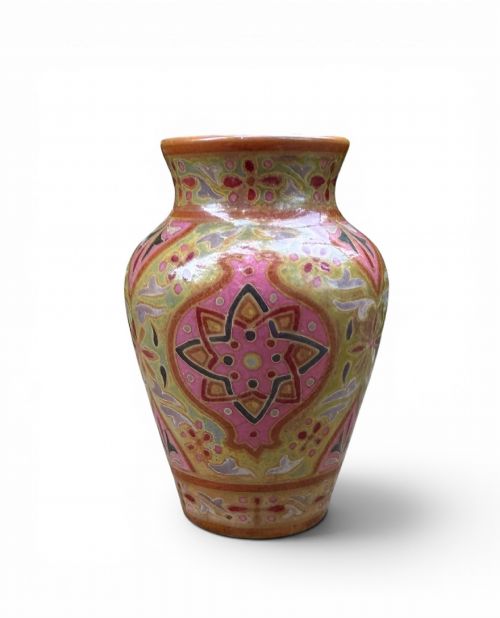
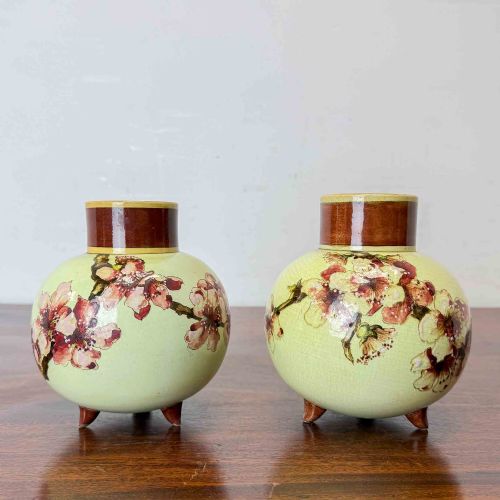
Forms vary significantly, encompassing standard vases, spill vases, decorative ewers, and confit pots. You will find English studios alongside French faience, Japanese sculptural works, and Hungarian lustre pieces.
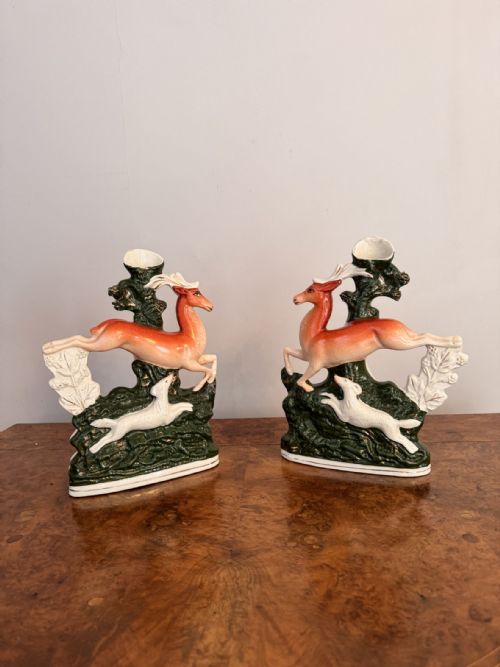
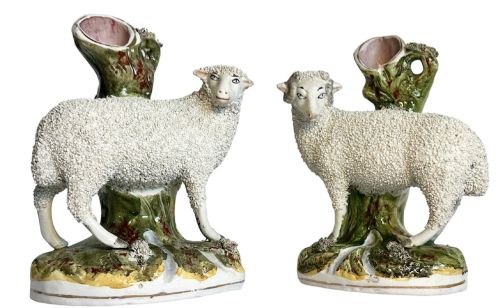
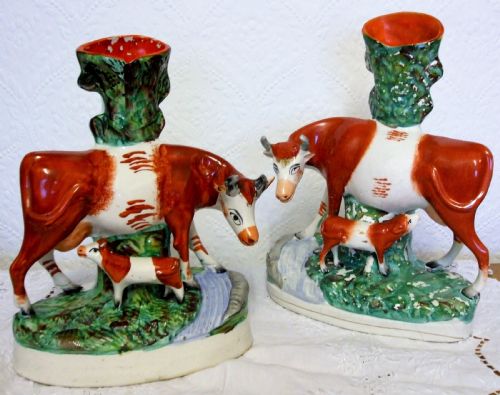
Most items reflect domestic display habits of their respective eras, from mantelpiece pairs of Staffordshire animals with spill holders to tall studio pottery baluster vessels.
How they were made
Potters relied on base bodies of earthenware, stoneware, terracotta, and porcelain, shaping them either by hand, on the wheel, or in moulds. Glazes defined the final surface, incorporating enamel, majolica tin-glazes, and rich celadon or tea dust formulations.
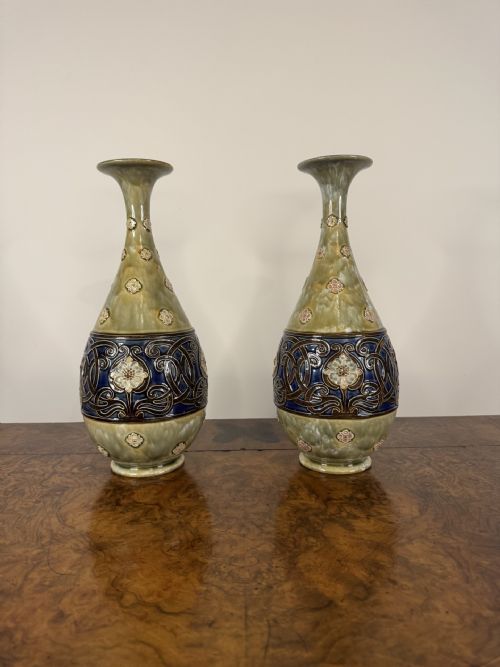
Decoration techniques included tube lining, whereby liquid clay mapped out raised patterns before glazing, and lustre finishes that produced metallic sheens under controlled kiln firings.
Staffordshire potters modelled spirited cows, sheep, and deer onto spill vases with charmingly earnest expressions.
What varies in quality
Quality rests in the precision of the potter's hand and the depth of the glaze chemistry. A superior piece exhibits a controlled, even distribution of colour across complex contours, whereas lesser examples show flat, uniform tones without variation.
Design execution separates standard production ware from masterworks, particularly where sculptural elements, hand-painted details, or complex tube-lined motifs remain sharp and crisp.
Royal Doulton·Minton·Moorcroft·Burmantoft s Pottery·Zsolnay Pecs·Sir Edmund Harry Elton·Ulisse Cantagalli·Turn Vienna·Royal Lancastrian
The Green Pottery Vase Glossary
- Spill vase
- A small container designed to hold wooden spills used for lighting fires or pipes. They often take figurative shapes such as animals or architectural motifs.
- Earthenware
- Porous pottery fired at lower temperatures, requiring a glaze to achieve water tightness. It forms the body of many nineteenth century regional and studio pieces.
- Stoneware
- A dense, vitreous pottery fired at high temperatures until the body becomes non-porous. It accepts salt and heavy glazes exceptionally well.
- Tube-lining
- A decorative technique where trailing lines of liquid clay are squeezed onto the vessel body to create raised outlines for enamel or glaze infill.
- Majolica
- A type of earthenware coated with an opaque tin-glaze and painted with metallic oxide colours. It produces vibrant surfaces associated with nineteenth century revival styles.
Green Pottery Vase: Frequently Asked Questions
What is Art Nouveau pottery?
Art Nouveau pottery emerged around the turn of the twentieth century, prioritising asymmetrical organic lines, stylised plant motifs, and flowing botanical shapes. Makers utilised rich glazes to accentuate these fluid contours.
Living with these pieces involves placing them where natural light can catch the varied surface sheens and subtle colour transitions.
How do I date an antique vase?
Dating relies on combining the stylistic markers, such as Art Nouveau or Victorian design traits, with base stamps, impressed factory marks, and artist signatures. Material composition also indicates the manufacturing era.
Comparing the recorded period of production against known studio active years clarifies the age of the vessel.
Where were confit pots used?
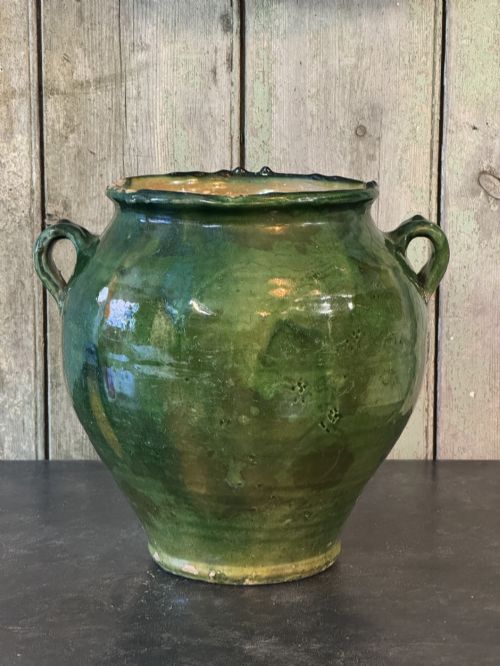
Confit pots originated in France as utilitarian vessels designed for food storage and preservation in cellars and larders. Potters glazed the upper interiors and rims while leaving the lower terracotta unglazed.
Today, they serve as decorative floor or table pots that introduce rustic texture and deep green earthy tones into modern interiors.