


Green Porcelain Figurine
A green porcelain figurine brings the character and colour of past centuries directly to a room through modelled ceramics.
Green Porcelain Figurine
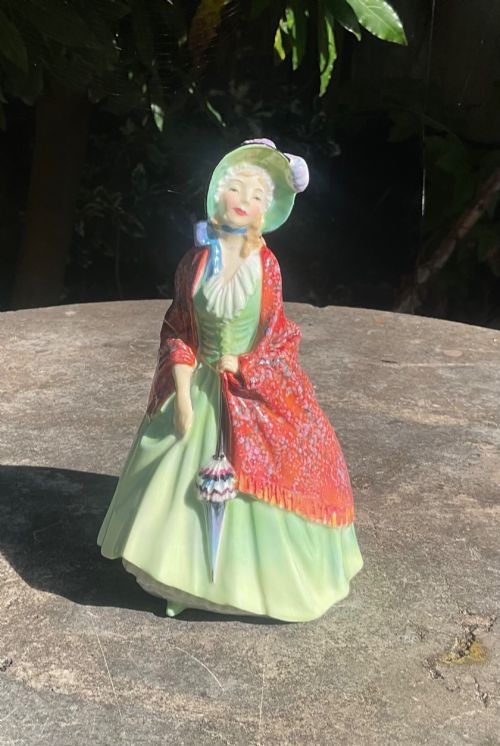
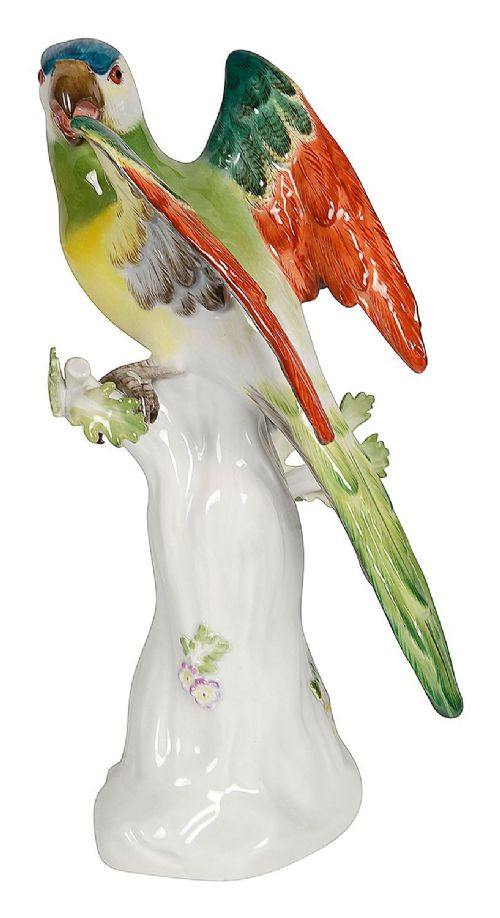
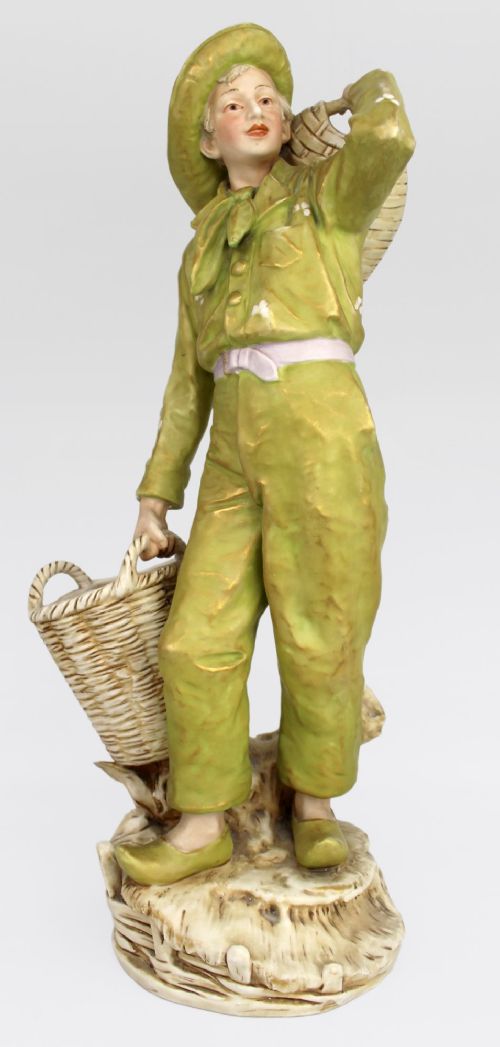
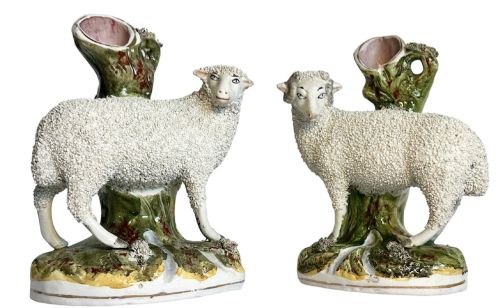
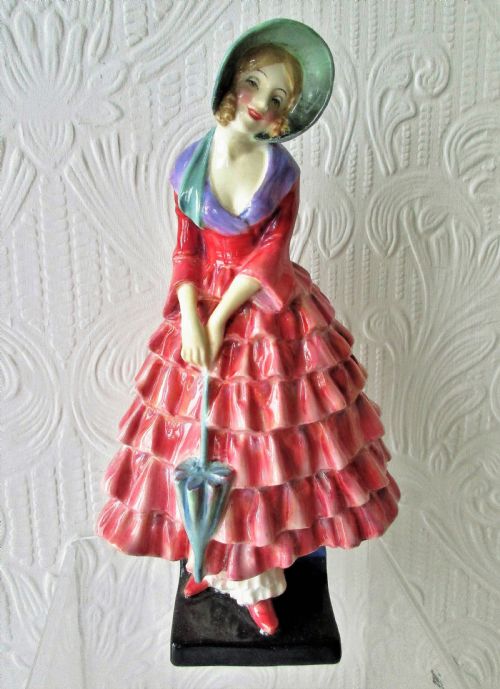
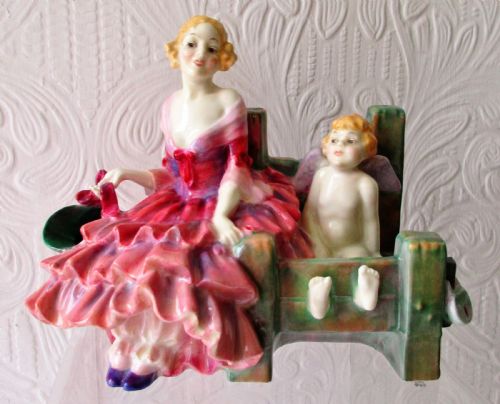
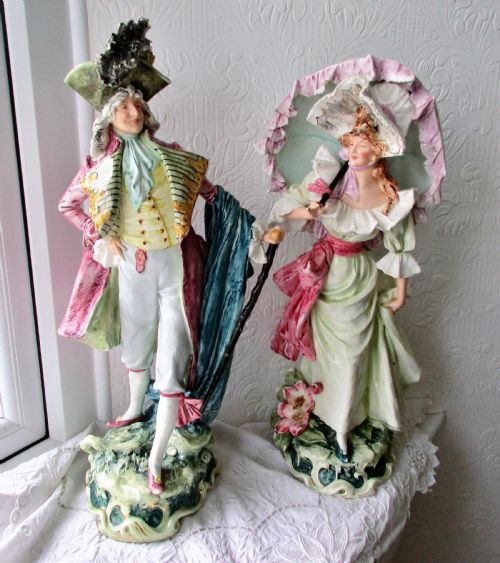
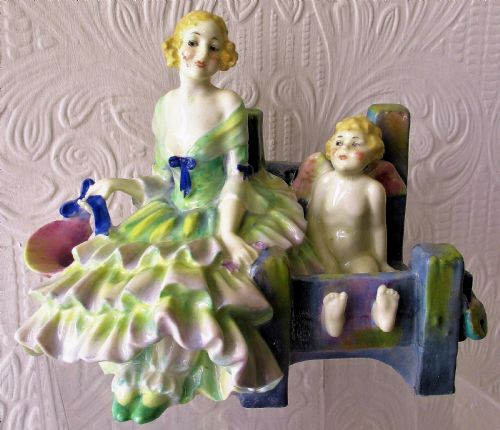
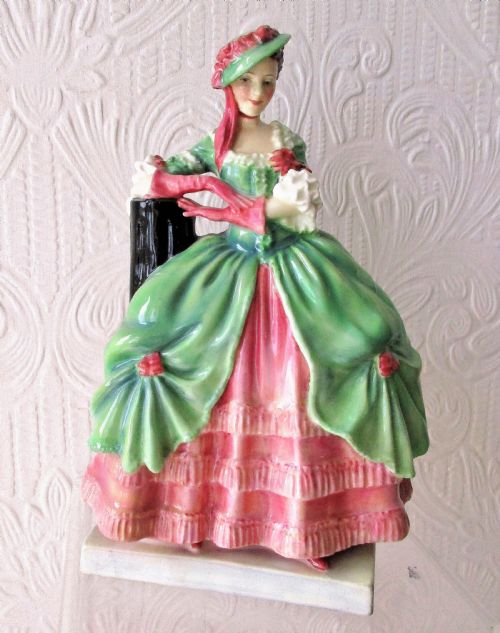
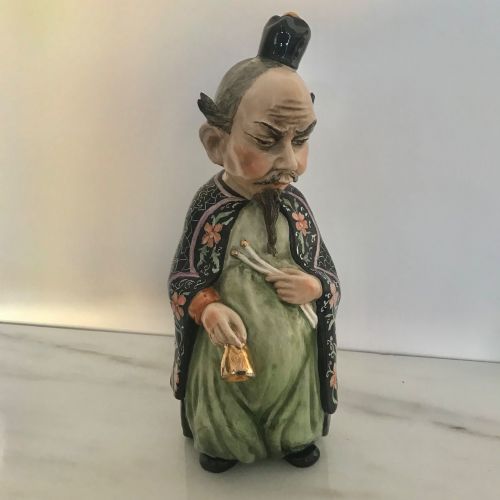
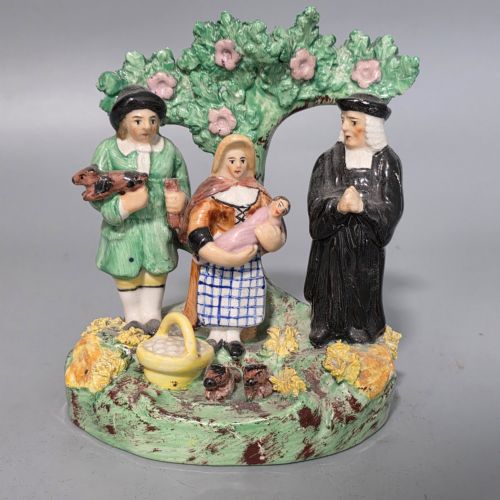
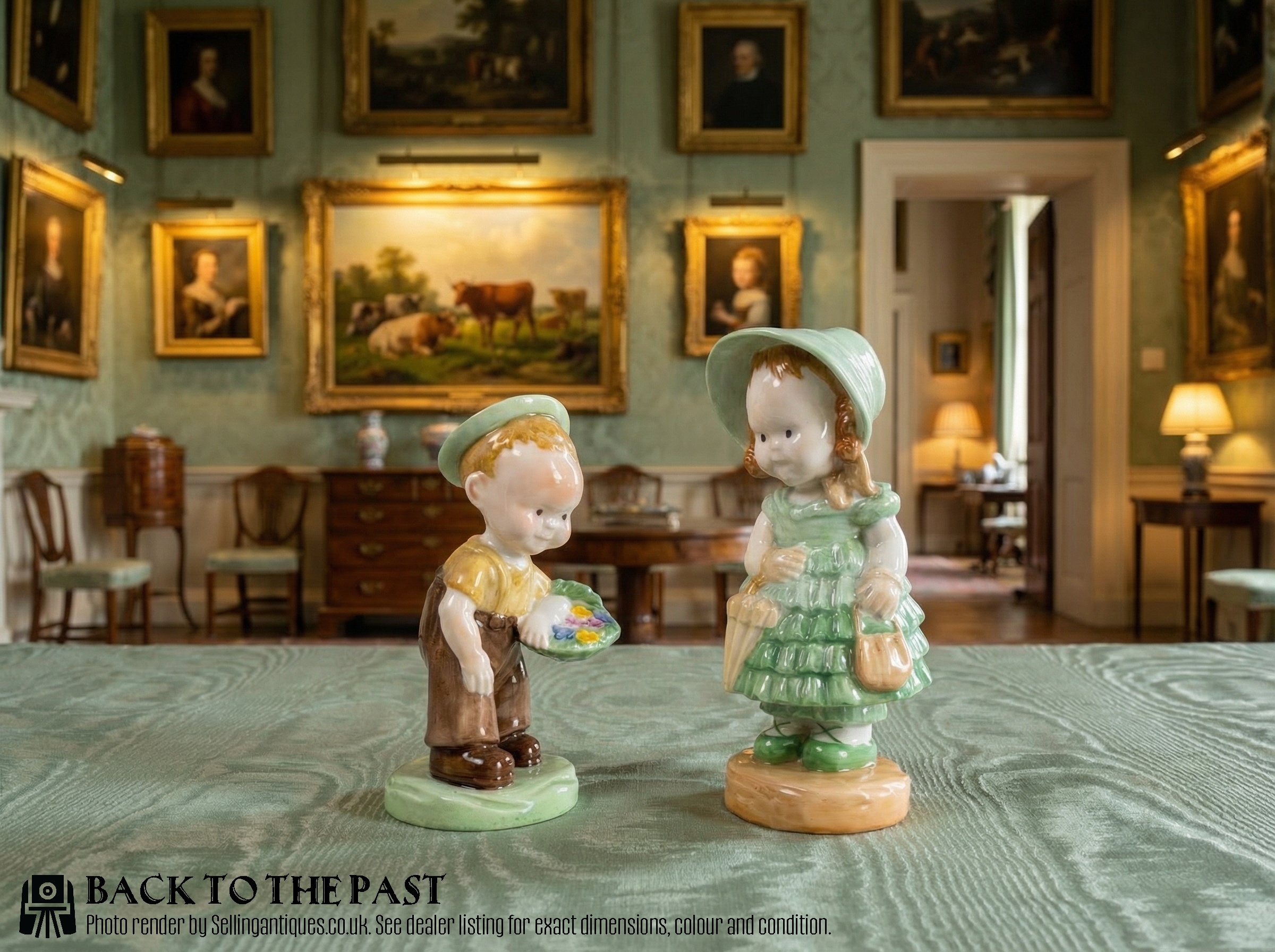
A green porcelain figurine embodies modelled human, animal or allegorical forms created across multiple periods from the eighteenth century to the mid-twentieth century. These objects include decorative table figures, spill vases, candlesticks, and half dolls produced by European factories and Asian kilns.
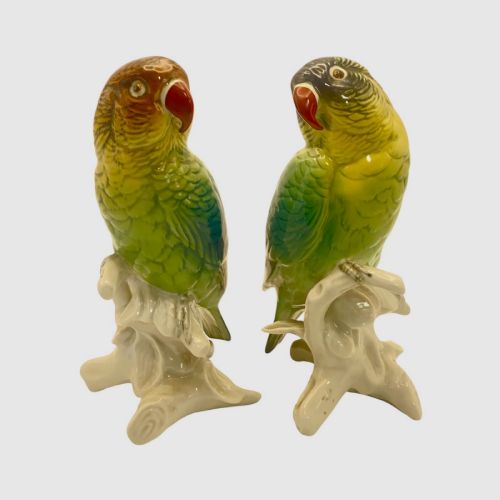
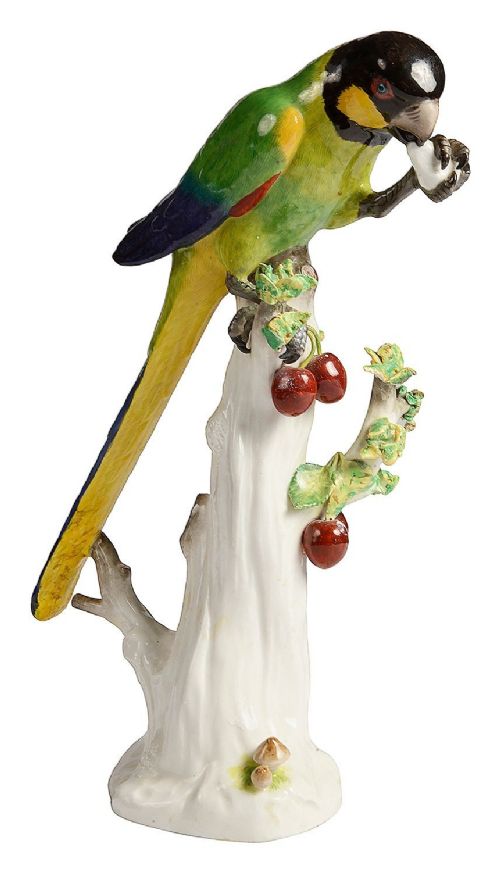
Moulded groupings, pairs of birds, and individual figures demonstrate how makers applied green glazes, enamels, and celadon washes to accent drapery, foliage, and natural settings. Each piece functions as a decorative object that records the changing tastes of collectors over several hundred years.
How they were made
Firing techniques determined the depth of the glaze, allowing Sancai, celadon, and glossy green coatings to vitrify across the surface of the ceramic body. Many nineteenth and twentieth-century pieces relied on precise kiln temperatures to bond the coloured enamel decoration firmly to the biscuit or glazed porcelain base.
Green Porcelain Figurine Retail Price Guide 2026
Typical asking prices for green porcelain figurine among the pieces listed under this phrase on Sellingantiques today, from the lower quarter to the upper quarter. They describe what is for sale here now, not the wider market.
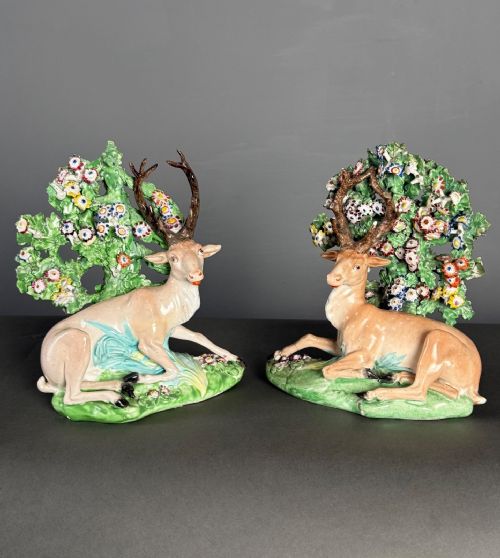
Listings span multiple periods, ranging from eighteenth-century George III Derby animal models to Art Deco twentieth-century ceramic figures.
What varies in quality
The sophistication of the glaze chemistry and the richness of the enamel application also divide standard production pieces from finer sculptural works. Consistency in the firing finish and the preservation of delicate applied elements like leaves or lace indicate the original tier of manufacture.
Karl Ens·Royal Doulton·Meissen·Royal Dux Bohemia·Fasold and Stuach·Ernst Wahliss·Minton
The Green Porcelain Figurine Glossary
- Celadon
- A pale green or grey-green glaze originating in East Asian ceramics, prized for its resemblance to jade. This glaze relies on iron oxide fired in a reducing kiln atmosphere.
- Biscuit
- Unglazed ceramic or porcelain that has been fired once, offering a matte, porous finish resembling fine marble. Parian ware is a notable type of biscuit porcelain.
- Spill vase
- A hollow ceramic figure combined with a small cylindrical receptacle designed to hold wooden spills for lighting candles or fires. These dual-purpose items were common on nineteenth-century mantelpieces.
- Half doll
- A porcelain figure modelled from the waist up, historically utilised to decorative effect as a cover for tea cosies, powder boxes, or pincushions during the early twentieth century.
- Famille verte
- A Chinese porcelain palette dominated by green enamels, developed during the Qing dynasty and later imitated by European potteries. It relies on transparent green overglaze combined with other colours.
Green Porcelain Figurine: Frequently Asked Questions
How are green porcelain figurines cleaned safely?
Dust these ceramic pieces gently with a soft dry brush to prevent accumulation in recessed moulded folds and painted details. Avoid submerging older figures in water, particularly those with delicate hand-applied enamel or gilt highlights.
Water can penetrate unglazed biscuit porcelain or weaken historical repairs. Wipe surfaces sparingly with a barely damp cloth only when strictly necessary.
What distinguishes eighteenth-century figures from later copies?
Early pieces from periods like the eighteenth century typically exhibit unglazed base rims, patch marks from kiln supports, and hand-modelled variations in the clay body. Later reproductions often feature smooth, fully glazed bases and uniform moulded lines that lack the spontaneity of early work.
Examining the weight, paste texture, and pigment application helps determine whether a figure belongs to an early factory period or a later revival era.
Where were spill vases placed in historical homes?
Spill vases sat prominently on mantelpieces in nineteenth-century sitting rooms, positioned near fireplaces to keep wooden tapers ready for lighting lamps and hearth fires. Their dual role as decorative ornaments and practical fire-lighting accessories made them household staples.
Collectors today display them on shelves or side tables as standalone ceramic sculptures.
Why do some figures feature gold leaf accents?
Gilt and gold leaf were applied over the fired glaze to highlight decorative elements such as garment hems, jewellery, or the bases of candlesticks. This final layer added a touch of luxury suited to formal domestic interiors.
The presence of intact gilding often indicates a higher tier of factory production.