

Green Ceramic Plate
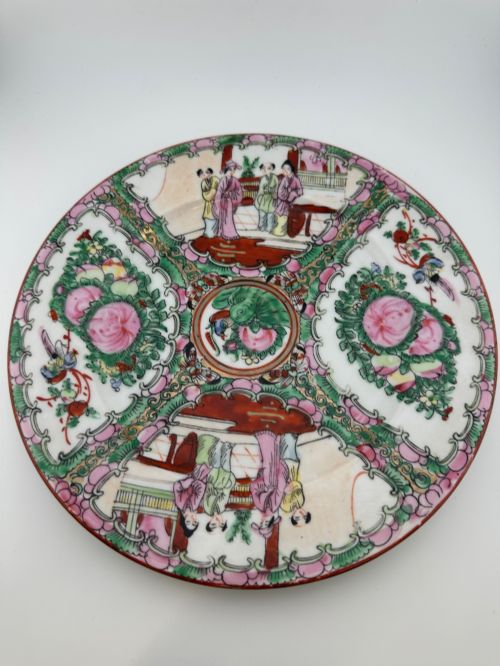
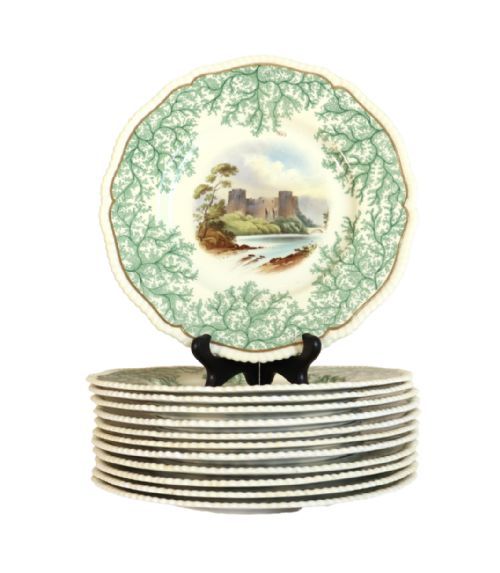
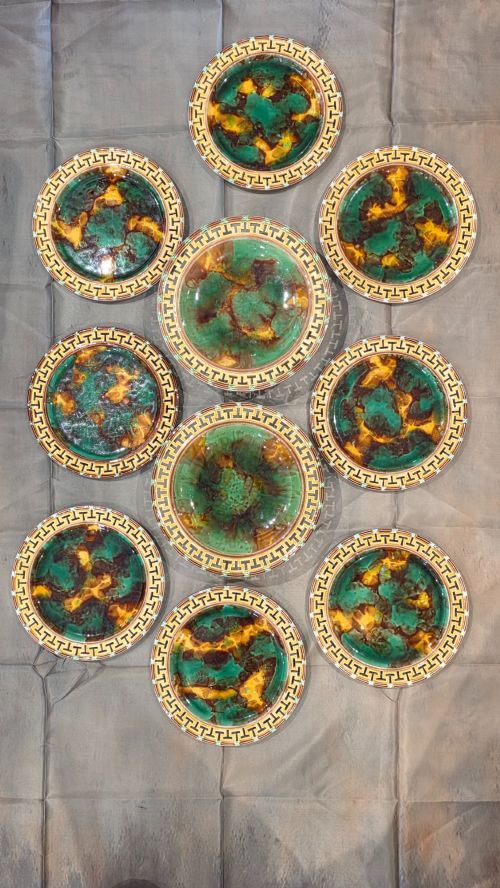
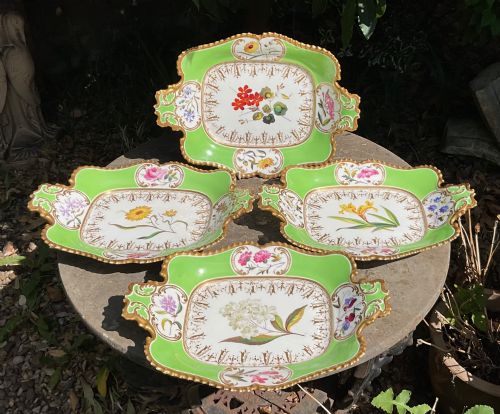
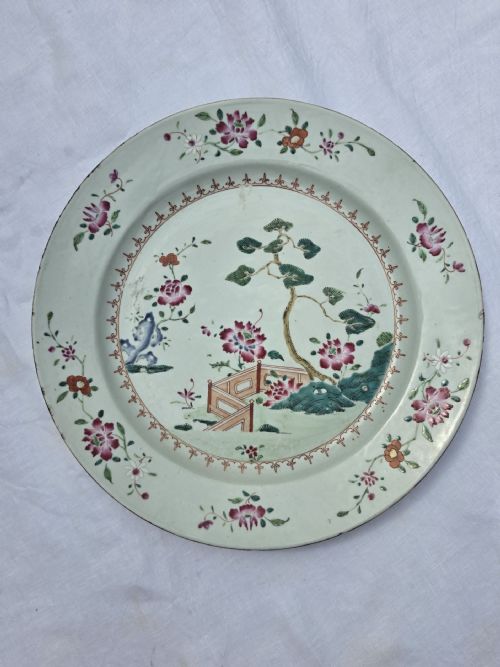
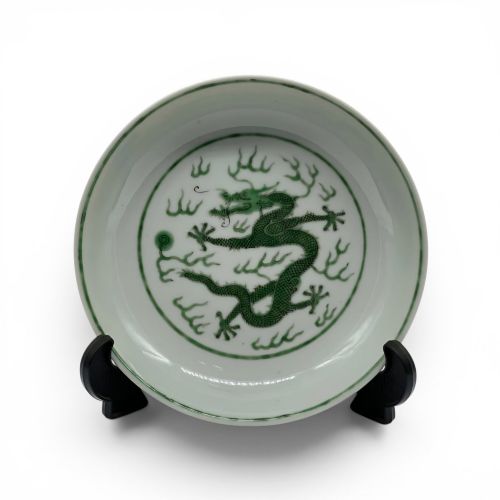
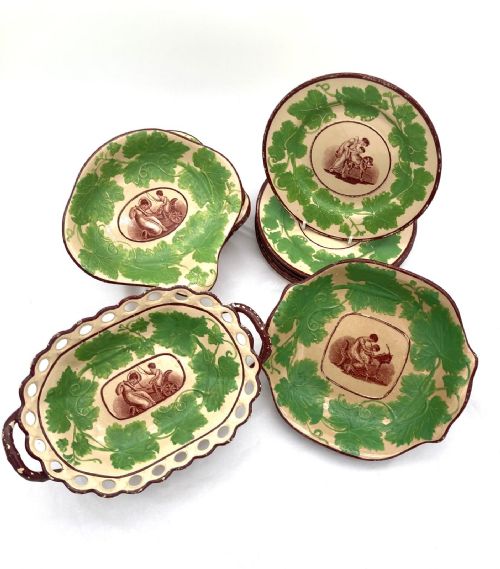
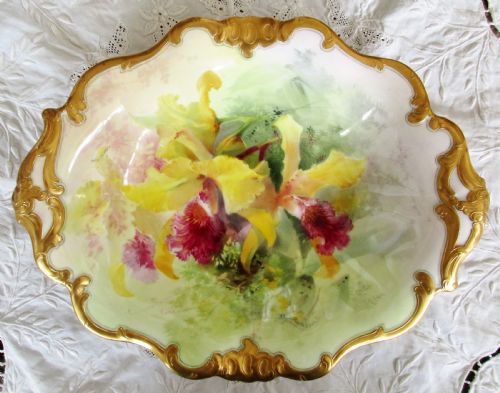
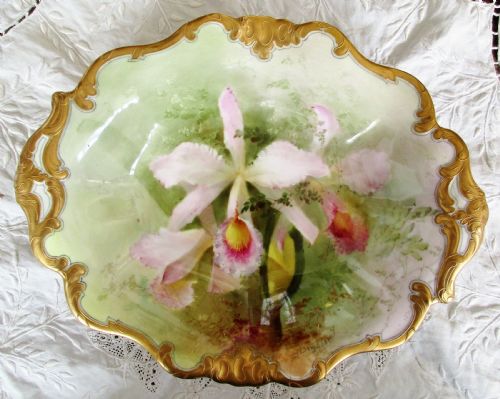
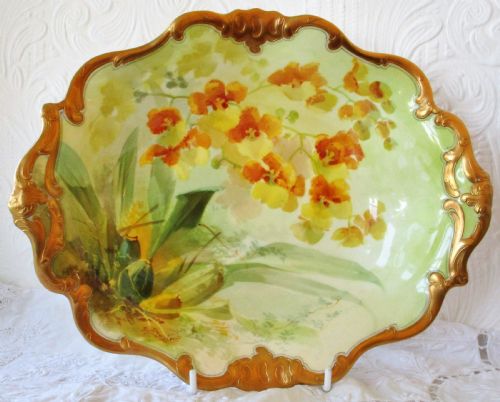
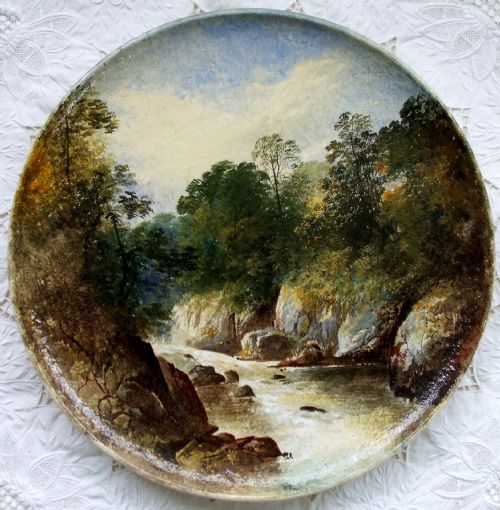
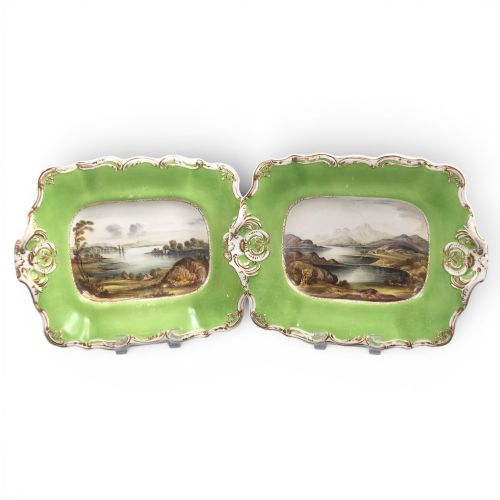
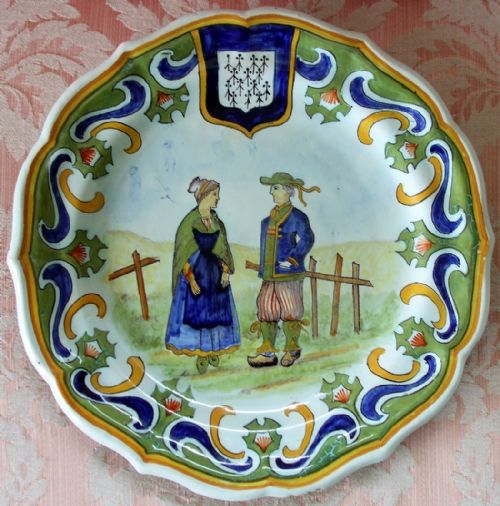
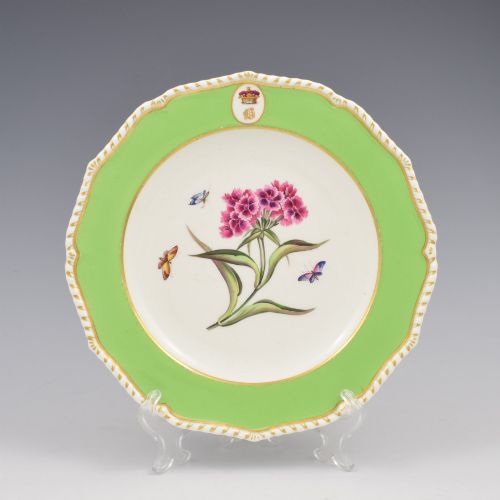
These pieces are a green ceramic plate, prized by collectors for their rich coloured glazes and decorative impact in domestic interiors.
Green Ceramic Plate
A green ceramic plate represents a diverse category spanning centuries of global pottery traditions, from English earthenware and porcelain to Chinese celadon and Japanese wares. When searching for a green ceramic plate, collectors encounter everything from Georgian botanical dessert plates to large Qing Dynasty chargers.
The selections on this page lean heavily toward 19th-century European porcelain and earthenware, alongside earlier Asian ceramics featuring celadon and green ground glazes. Forms vary from small cabinet dishes and dessert services to broad chargers and decorative plaques.
Originating from varied periods including the Georgian era, Regency period, and the 20th century, these objects reflect distinct regional aesthetics. English factories like Minton, Spode, and Worcester sit alongside Chinese export wares and Japanese porcelain.
Materials and technique
Makers utilised ceramic bodies ranging from fine porcelain and bone china to sturdier earthenware and faience, shaping them on the wheel or pressing them into moulds. Artisans applied coloured glazes, notably celadon and apple green, often combining them with hand-painted enamels and gilding.
Firing techniques determined the depth and permanence of the colour, with high-fired porcelain achieving a vitrified finish while earthenware relied on glaze absorption for its characteristic hue. Surface decoration frequently involved intricate hand-painted motifs, transfer printing, or moulded relief patterns.
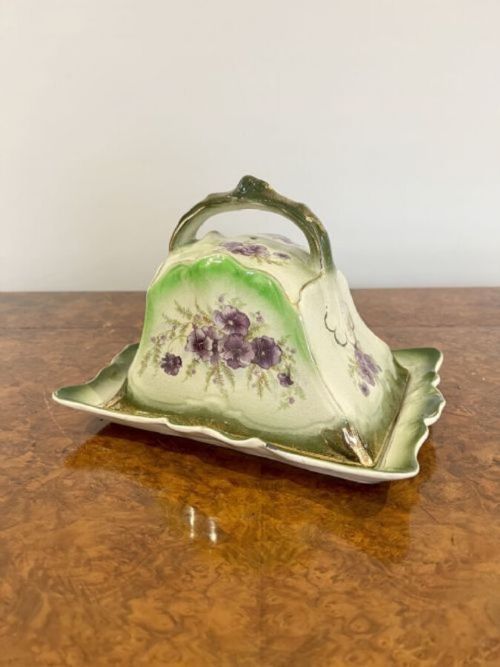
Among the historical kitchenware are dishes dedicated entirely to comforting cheese and keeping food warm during long Victorian dinners.
Assessing quality and craftsmanship
Quality rests upon the precision of the form, the evenness and depth of the glaze, and the skill evident in any hand-painted or gilt decoration. Superior examples display crisp moulding, vibrant and stable colour application, and refined potting without distortion from the kiln.
Artistic provenance also elevates an object, with pieces decorated by known factory artists or bearing distinct armorials and historical documentation commanding greater interest. The harmony between the ceramic body, the glaze coverage, and the secondary ornamentation defines the tier of the piece.
Spode·Wedgwood·Chamberlains Worcester·Royal Doulton·Copeland and Garrett·Bloor Derby·Minton·Flight Barr and Barr
The Green Ceramic Plate Glossary
- Celadon
- A transparent green glaze, often with a jade-like crackle, developed extensively in historic Chinese kilns such as Longquan.
- Charger
- A large ornamental plate or dish, typically exceeding standard dinner plate dimensions, designed primarily for display.
- Earthenware
- Porous pottery fired at lower temperatures, requiring a vitreous glaze to render it impermeable to liquids.
- Armorial
- Ceramic decoration featuring a family coat of arms, crest, or heraldic insignia commissioned by the original owner.
- Dessert Service
- A matched set of plates and serving dishes specifically configured for the final course of a formal meal.
Green Ceramic Plate: Frequently Asked Questions
How were antique dessert plates used?
Antique dessert plates formed part of coordinated services utilised for serving fruit, sweets, and pastries during formal nineteenth-century dining.
Set out toward the end of a meal, these matched services often featured botanical paintings, armorials, or coloured borders to impress guests.
How do I care for antique ceramic plates?
Antique ceramic plates require gentle hand washing in lukewarm water with mild soap, avoiding modern dishwashers entirely.
Display them securely using padded wall hangers or stable plate stands to protect the glaze and any delicate gilt edges from wear.
How do I distinguish Regency from Victorian plates?
Regency plates typically exhibit neoclassical restraint, botanical accuracy, and fine hand-painted armorials on porcelain bodies.
Victorian pieces often display bolder majolica glazes, transfer-printed details, or heavier moulded earthenware forms reflecting changing industrial techniques.