





Antique Bird Plate
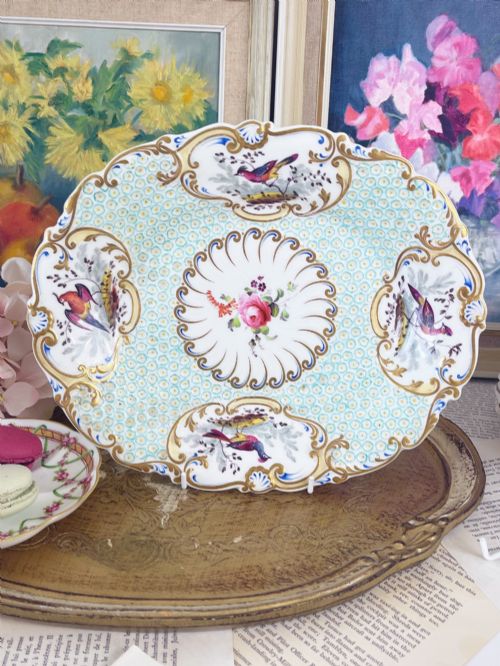
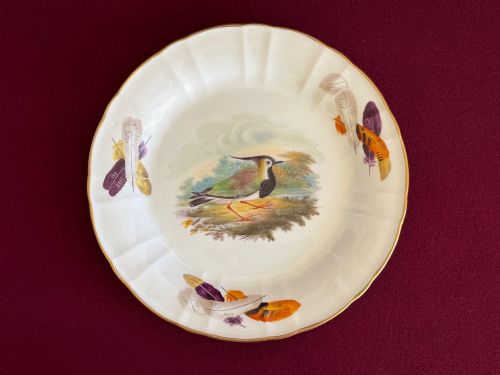
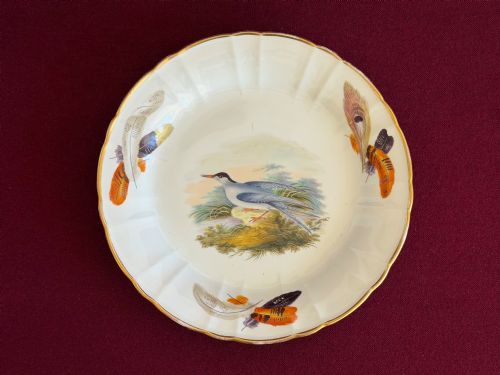
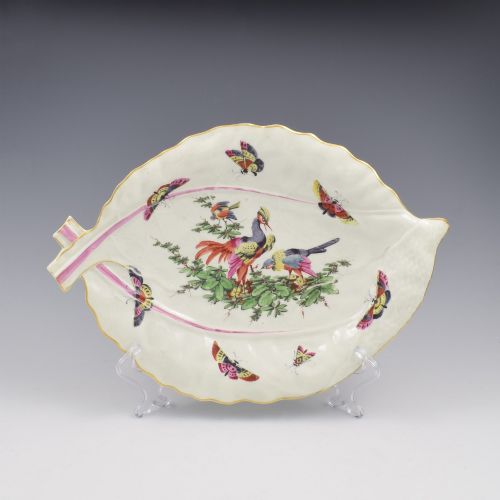
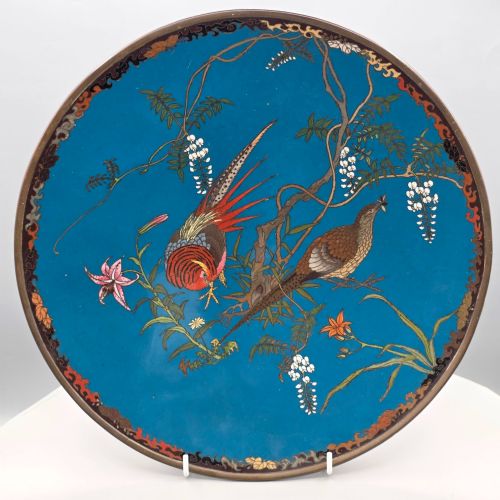
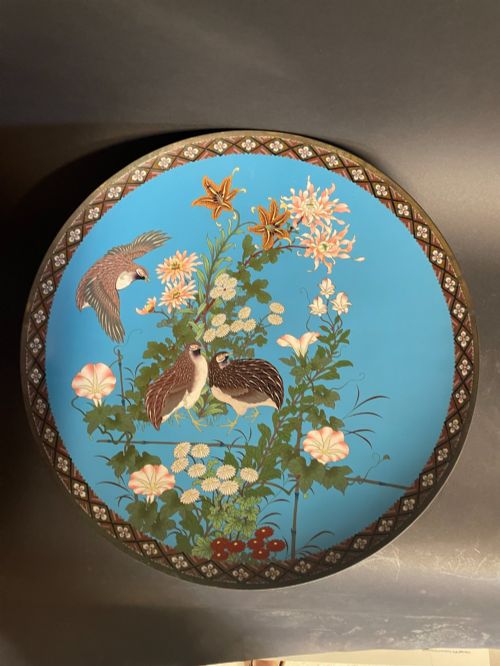
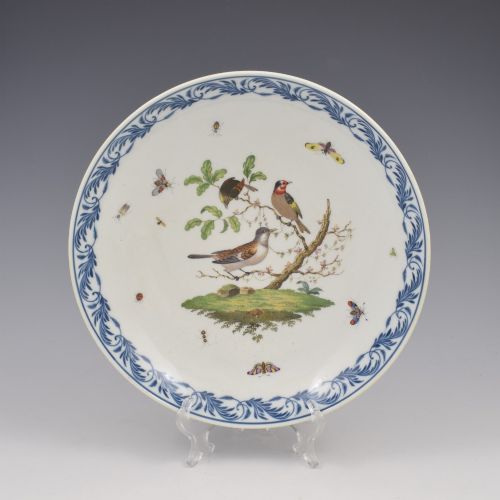
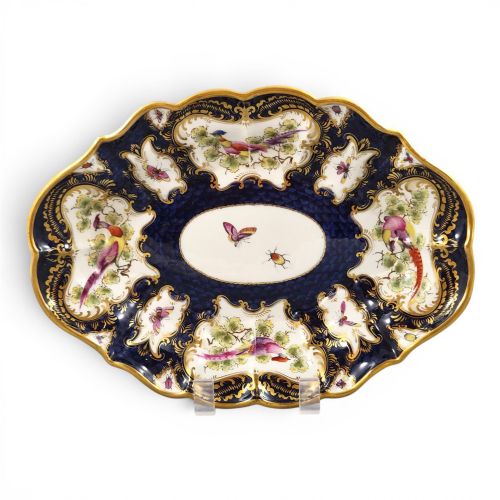
These antique bird plate examples bring hand-painted avian subjects and detailed cloisonne work directly to the table.
Antique Bird Plate
An antique bird plate displays hand-painted or enamelled avian subjects across porcelain, ironstone, and ceramic surfaces. The selection spans 18th century English Worcester and Wedgwood bone china through to 19th and early 20th century Japanese Meiji period cloisonne and Imari wares.
Buyers encounter decorative chargers, cabinet plates, and dessert dishes alongside octagonal trays and leaf dishes. These forms range from small cabinet pieces to large chargers measuring over thirty centimetres across, originating from both European porcelain factories and Asian workshops.
How they were made
Potters shaped fine porcelain and ironstone before applying intricate glazes, enamel colours, and hand-painted pigments. Many English and European pieces incorporate gilding, gold leaf, and cobalt blue scales to frame the central avian motifs.
Japanese cloisonne plates utilise wirework cells attached to metal bases, filled with coloured enamels and fired multiple times. Imari techniques combine underglaze blue with rich iron-red and gilt overglazes on porcelain bodies.
Materials recorded across the selection include enamel, copper, gold leaf, silver plate, and underglaze blue ceramic glazes.
What varies in quality
The precision and detail of the hand-painting separate standard production from finer output, particularly in the rendering of plumage and exotic birds. Worcester, Meissen, and high-grade Meiji cloisonne pieces demonstrate superior control over line work and enamel depth.
The composition of the design across the plate surface dictates artistic merit. Superior examples balance the bird subject with surrounding floral or landscape elements, utilising gilding and reticulated borders that complement the central artwork.
Wedgwood·Dr Wall Worcester·Meissen·Royal Worcester·Coalport·Mason·Grainger and Co
The Antique Bird Plate Glossary
- Charger
- A large decorative plate or platter, typically measuring over thirty centimetres across, intended for display rather than standard dining use.
- Cloisonne
- A decorative metalwork technique where fine wires form raised cells that hold coloured enamel pastes before firing.
- Imari
- Japanese porcelain decorated in underglaze blue, iron-red, and gold, named after the port from which these wares were exported.
- Reticulated
- Having an openwork pattern or pierced lattice design executed along the rim or border of a ceramic plate.
- Famille Rose
- A palette of Chinese porcelain enamels featuring an opaque pink or rose colour introduced during the Qing dynasty.
Antique Bird Plate: Frequently Asked Questions
How do I display an antique bird plate safely?
Use wall-mounted spring hangers with protective rubber tips or secure wire display stands designed for heavy chargers. Ensure the mounting hardware supports the specific weight of the ceramic or metal piece.
Keep display locations away from direct sunlight and areas subject to sudden temperature shifts to protect fragile enamels and delicate gilt rims over time.
Can I use these plates for dining?
Antique plates featuring hand-painted enamels, gilt highlights, or cloisonne wirework are intended for display and decorative use. Daily dining wear can damage delicate overglaze pigments and historical ceramic surfaces.
Wash pieces gently by hand using lukewarm water and mild soap when cleaning is necessary, avoiding modern dishwashers entirely.
How do I distinguish English porcelain from Japanese export wares?
English examples from factories like Worcester or Wedgwood typically employ soft-paste or bone china bodies with naturalistic botanical and avian painting. Japanese pieces frequently utilise Imari palettes or dense cloisonne wirework on metal bases.
Examining the foot ring and reverse of the plate reveals distinct potting characteristics and factory marks unique to each region.
What periods do these bird plates cover?
The pieces span from the 18th century through the Regency, Victorian, Edwardian, and Meiji periods. Earlier examples include 18th century English porcelain dessert dishes, while later items feature early 20th century ironstone and Japanese cloisonne.
Stylistic shifts reflect changing tastes from Georgian botanical accuracy to Victorian opulence and Japanese Meiji craftsmanship.