


Vintage Majolica Plate
A vintage majolica plate brings vibrant colour and relief modelling to a table, combining earthenware with rich lead and tin glazes.
Vintage Majolica Plate
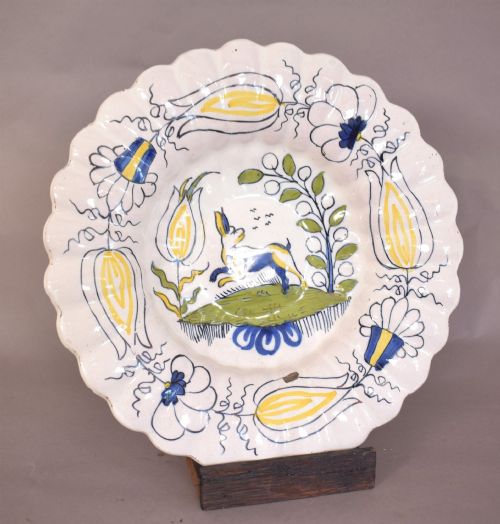
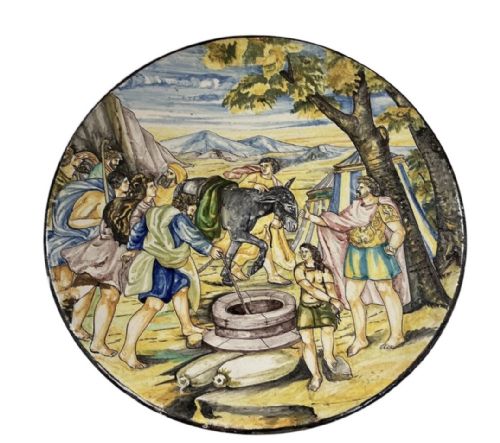
When you search for a vintage majolica plate, you are looking at glazed earthenware vessels that range from 17th century delft chargers to 19th century Victorian tableware and larger decorative chargers. These pieces span several centuries, with the 19th century producing the majority of the colourful, relief-moulded serving dishes and plates found here.
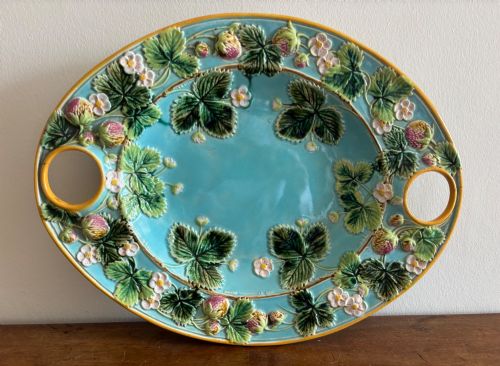
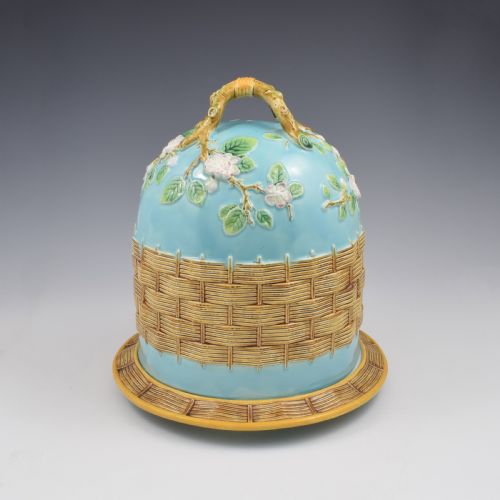
The forms on this page include large wall chargers, salad bowls, bread plates, and strawberry dishes alongside cheese domes and stands. Italian maiolica and Portuguese majolica sit alongside French provincial bowls and Dutch baroque chargers, showing wide geographical origins.
Victorian majolica introduces naturalistic fruit and blossom motifs, whilst earlier pieces display tin-glazed earthenware traditions with polychrome pigments. Buyers meet both flat plates and deep charger plates designed for display or serving.
How they were made
Potters shaped earthenware bodies on the wheel or pressed them into moulds to create high-relief fruit, flowers, and architectural borders. These clay bases received either lead glazes for vibrant coloured effects or tin glazes to form an opaque white ground for hand-painted pigments.
Firing fixed the polychrome pigments beneath or within the glossy glaze layers, producing the distinctive reflective surfaces characteristic of both Italian maiolica and 19th century Victorian pieces.
Listings feature earthenware bodies decorated with lead glaze or tin glaze across periods spanning the 17th to the 20th century.
What varies in quality
Quality depends upon the crispness of the relief moulding and the control shown in the hand-painted polychrome pigments. Superior examples maintain sharp botanical details and smooth, even glaze coverage without excessive pooling or dull patches.
The ambition of the form separates standard tableware from substantial display pieces, such as large chargers or complex cheese domes with matching stands. Early tin-glazed pieces rely on the fineness of the painting, whilst 19th century wares depend on sculptural depth.
George Jones·Bassano pottery works·Jose Alvez Cunah
The Vintage Majolica Plate Glossary
- Charger
- A large decorative plate traditionally used for ceremonial dining or wall display rather than everyday eating. These pieces dominate the larger formats in this category.
- Earthenware
- Porous pottery fired at lower temperatures than stoneware or porcelain. It forms the structural base for all majolica, delft, and faience wares.
- Polychrome
- Decoration utilising multiple distinct colours painted onto the ceramic body or glaze. This technique defines the visual richness of these plates.
- Lead Glaze
- A glossy surface coating containing lead that deepens the intensity of underlying pigments. It is typical of 19th century colourful majolica wares.
Vintage Majolica Plate: Frequently Asked Questions
Can I use a vintage majolica plate for food?
Most of these pieces function well for serving dry foods, bread, or fruit. Historical lead and tin glazes mean they suit modern display or light dining rather than heavy daily use.
Gentle hand washing preserves the glaze surface and prevents moisture penetration into the porous earthenware body beneath.
How do I hang a wall charger safely?
Large chargers require purpose-built, coated wire hangers that distribute the weight evenly across the rim and base. Avoid springs that grip too tightly against the earthenware edge.
Ensure the wall fixing anchors securely into masonry or studwork rather than relying on standard plaster hooks.
What is the difference between majolica and delft?
Majolica usually refers to 19th century wares with rich lead glazes and high-relief botanical or figurative modelling. Delft describes earlier tin-glazed earthenware, often featuring blue and white painting influenced by imported porcelain.
Both fall under the broader umbrella of tin or lead-glazed pottery but represent distinct aesthetic periods.
How do I date a 19th century piece?
Victorian majolica relies on moulded registration marks, distinctive naturalistic motifs like apple blossoms or strawberries, and heavy lead glazes. Later 19th century examples often show bolder, brighter polychrome palettes than 17th or 18th century precursors.
Maker attributions and stylistic hints such as Renaissance Revival borders also help narrow down the decade.