


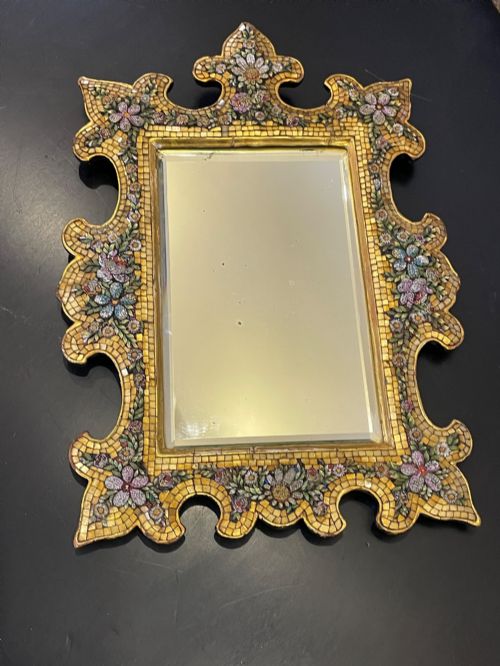


Grand Wall Mirror
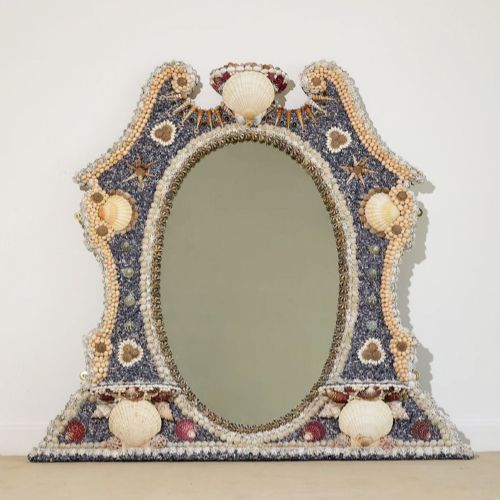
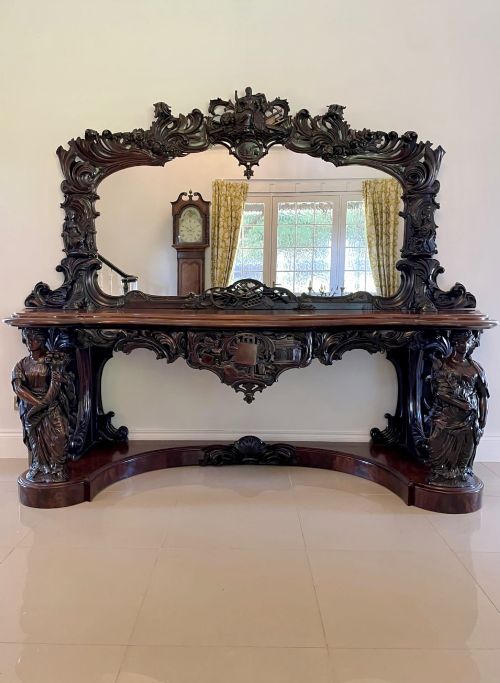
A grand wall mirror anchors a room with scale and reflected light, spanning ornate overmantels and commanding Victorian and Georgian frames.
Grand Wall Mirror
A grand wall mirror stands as a commanding architectural presence, designed to occupy significant wall space above mantelpieces, consoles, or between large windows. These imposing pieces transform the light and proportions of a room through their substantial scale.
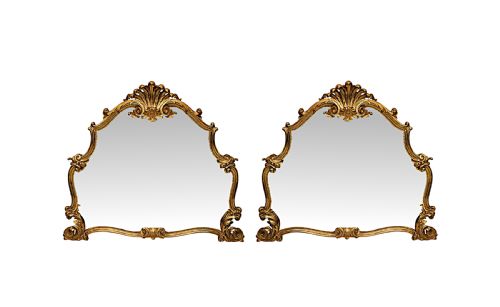
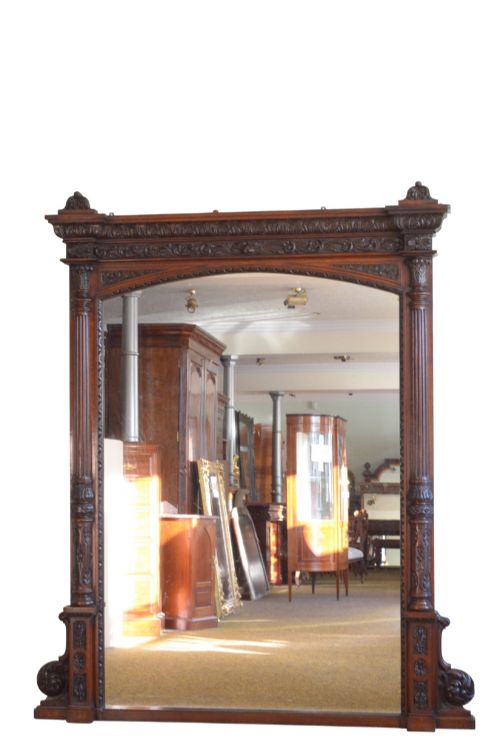
The evidence shows these mirrors primarily manifest as large overmantels, pier mirrors, and trumeau panels from the eighteenth and nineteenth centuries. Examples range from solid carved oak and mahogany to opulent giltwood and gesso frames reflecting Victorian, Georgian, and Neoclassical tastes.
Buyers are most likely to encounter nineteenth-century English and Italian pieces on this page, particularly Victorian overmantel mirrors with ornate carved details. These items frequently combine traditional craftsmanship with grand proportions suited to high-ceilinged period interiors.
How they were made
Makers constructed the structural frames of these large mirrors using solid hardwoods such as oak, walnut, and mahogany. These sturdy timbers provided the necessary skeletal strength to support the immense weight of large glass plates.
Surfaces destined for a gilded finish received an application of gesso, a plaster-like mixture built up over the wood to create smooth or relief-moulded details. Craftsmen then applied gold leaf or paint over this gesso base to achieve the desired metallic lustre.
Mirror glass of the period was set directly into these elaborate wooden and gesso frameworks, often retained by original backing boards. Specialist glass techniques allowed for bevelled edges and large continuous panes depending on the specific era and style.
The selection includes Italian Grand Tour pieces alongside English Victorian overmantels and French trumeau mirrors.
What varies in quality
The depth and dexterity of the woodcarving separate standard production from master craftsmanship in these large frames. Crisp, undercut foliage and figures demonstrate a sculptor's hand rather than mass-produced moulding.
The integrity of the original giltwood and gesso surface dictates the visual authority of the piece. Finer examples retain their original gold leaf and hand-applied layers without heavy modern intervention or loss of underlying detail.
Scale and proportion define the upper tier of these mirrors, where the architectural harmony of the frame matches the heavy glass plate. Well-balanced composition ensures that even massive overmantels maintain a sense of elegance rather than mere bulk.
The Grand Wall Mirror Glossary
- Overmantel Mirror
- A large mirror specifically designed to be hung above a fireplace mantel. These pieces often follow the horizontal width of the hearth below.
- Giltwood
- Timber that has been coated with gold leaf. This finish gives the frame a brilliant metallic appearance that catches and multiplies room light.
- Gesso
- A mixture of binder and chalk applied to wood frames to prepare them for gilding or painting. It allows craftsmen to carve intricate relief details onto the surface.
- Pier Mirror
- A tall mirror designed to hang on the wall space between two windows, known as the pier. They often match the height of adjacent console tables.
- Trumeau Mirror
- An architectural mirror incorporating a painted or carved panel above the glass. This French style brings a formal decorative element to a wall.
Grand Wall Mirror: Frequently Asked Questions
Where should a grand wall mirror hang?
These mirrors traditionally anchor reception rooms by mounting securely above a fireplace mantel or serving as a focal point on a primary wall. Their sheer scale requires solid wall fixings to support the considerable weight of the timber and glass.
Placing the mirror opposite a window maximises natural light distribution across large spaces. They also pair effectively above console tables to create a unified architectural elevation.
How do I identify a Victorian mirror?
Victorian examples often feature robust carved details in oak, mahogany, or heavily gessoed giltwood reflecting revivalist tastes like Gothic, Rococo, or Classical. The framing timbers and construction methods typically point to mid-to-late nineteenth-century British or European workshops.
Examinations of the reverse often reveal period pine backing boards and hand-cut fixings consistent with the era. The presence of original mirror glass with appropriate light oxidation further confirms the period.
What is a trumeau mirror?
A trumeau mirror incorporates a decorative panel, often featuring oil painting or carved wood motifs, positioned directly above the glass plate. This French decorative form integrates wall panelling aesthetics with a functional looking glass.
Such pieces bring distinct Continental proportion and classical elegance to a room. They function well in spaces where traditional overmantels might prove too low or wide.
How are heavy antique mirrors supported?
Large mirrors demand heavy-duty wall anchors fixed directly into structural masonry or substantial wall studs to bear the load safely. Professional installation is essential given the immense weight of combined wood, gesso, and thick glass plates.
The frame itself relies on sound internal joinery and sturdy original backing boards to maintain its structural rigidity over time. Ensuring the weight distributes evenly across the hanging brackets prevents distortion of the frame.