




Grand Tour Bronze Putti
Grand tour bronze putti are classical souvenir sculptures that bring Renaissance mythological charm into a room.
Grand Tour Bronze Putti
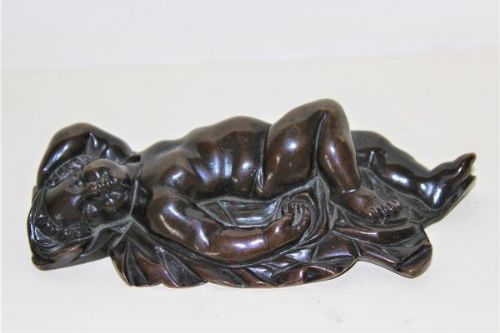
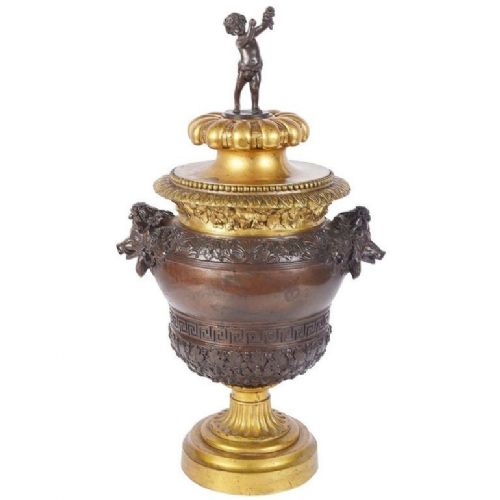
Grand tour bronze putti capture the classical spirit of travel through winged infants and cherubs rendered in metal and marble. These nineteenth-century pieces take the form of statuettes, oil lamps, and display urns shaped by neoclassical and renaissance revival tastes.
The version most likely to meet you on this page is a nineteenth-century Italian or French cast bronze figure seated on a stone base. They often appear singly or in pairs, depicting mythological scenes with children playing or resting.
How they were made
These sculptures rely on traditional metal casting methods to capture fine anatomical details in bronze. Artisans frequently applied patination to achieve dark, rich surface tones that mimic ancient artefacts.
Many figures are mounted upon heavy stone plinths, combining bronze with marble and ormolu mounts. Some designs incorporate iron structural elements or rest on inlaid wood bases.
Grand Tour Bronze Putti Retail Price Guide 2026
Typical asking prices for grand tour bronze putti among the pieces listed under this phrase on Sellingantiques today, from the lower quarter to the upper quarter. They describe what is for sale here now, not the wider market.
Listings show nineteenth-century pieces combining cast bronze with marble bases, patinated surfaces, and ormolu mounts.
What varies in quality
The choice of supporting base also dictates refinement, with dense red marble or carefully fitted wood plinths elevating the presence of the bronze figures.
The Grand Tour Bronze Putti Glossary
- Putto
- A plump, naked male child figure found in classical art. They often appear as winged cherubs or cupids in nineteenth-century decorative metalwork.
- Grand Tour
- A traditional trip of Europe undertaken by upper-class young European men of the eighteenth and nineteenth centuries to study the arts. Souvenirs bought along the way included small bronze sculptures and urns.
- Patina
- A thin layer that naturally or artificially develops on the surface of bronze over time. It alters the colour and protects the metal beneath.
- Neoclassical
- A Western cultural movement drawing inspiration from the classical art and culture of ancient Greece or Rome. It dominated the design of these nineteenth-century figures and decorative urns.
- Ormolu
- Gilding technique of applying finely ground, high-carat gold-mercury amalgam to an object of bronze. It provides a bright golden finish on decorative mounts.
Grand Tour Bronze Putti: Frequently Asked Questions
How were these figures used originally?
Wealthy travellers displayed them in libraries, studies, and drawing rooms as tokens of their cultural education and artistic taste.
Some examples also served functional roles as oil lamps, andirons, or decorative display urns and centerpiece bowls.
How should I clean bronze putti?
Dust them gently with a dry, soft cloth to prevent dirt accumulation without disturbing the surface patina.
Avoid using water, chemical polishes, or abrasive cleaners, which can strip away the historical finish and damage the metal.
How can I tell the period?
Examine the casting quality, the composition of the base, and the nature of the patina for nineteenth-century characteristics.
French and Italian pieces from this era frequently reflect specific revival styles such as the Neoclassical or Renaissance Revival movements.