

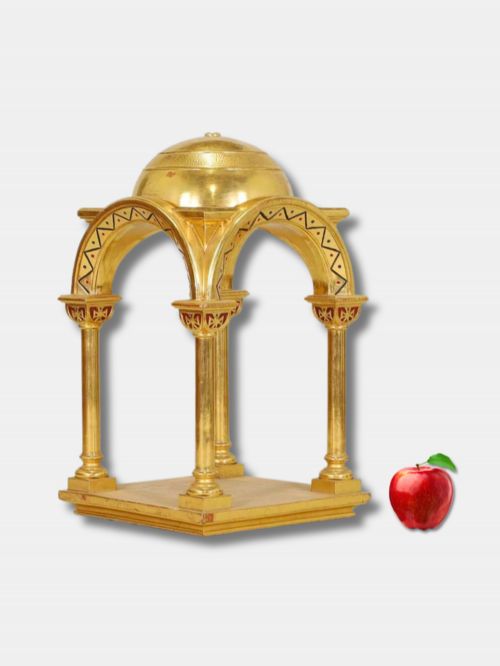
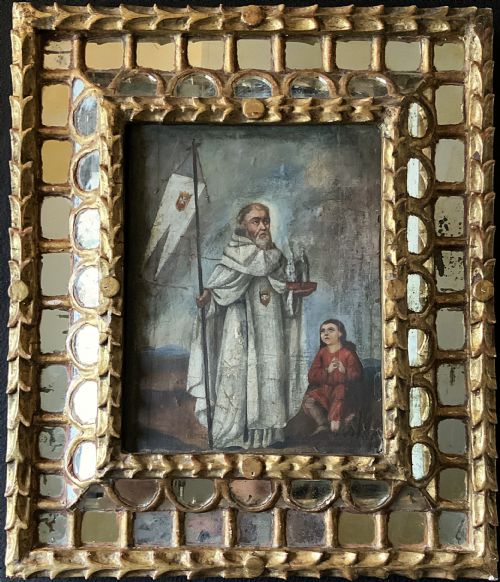

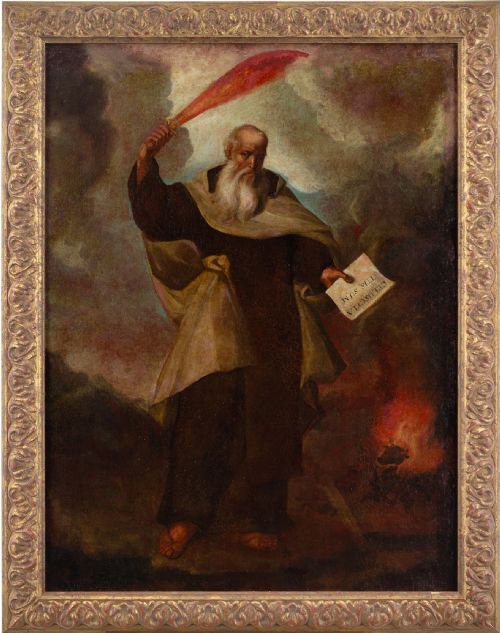


Gold Leaf Religious Painting
These gold leaf religious painting examples bring devotional art into the home through centuries of sacred imagery.
Understanding the Pieces
A gold leaf religious painting unites sacred iconography with historic craftsmanship across different traditions and centuries. When you search for gold leaf religious painting, you encounter works spanning the seventeenth, eighteenth and nineteenth centuries.
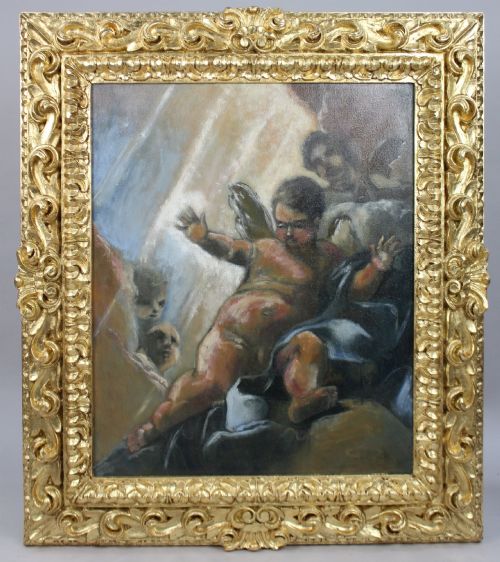
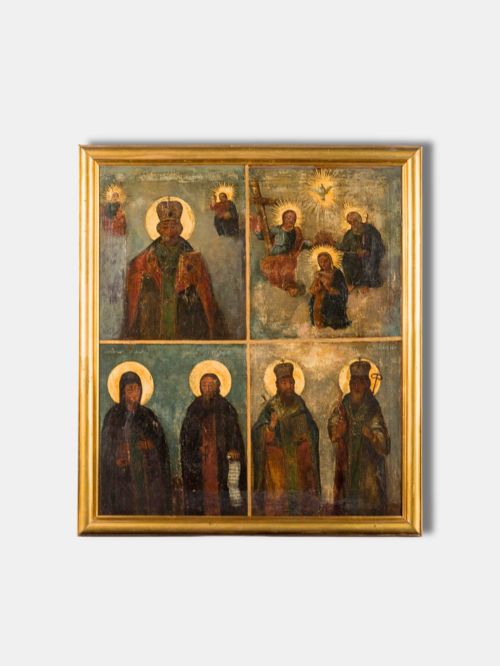
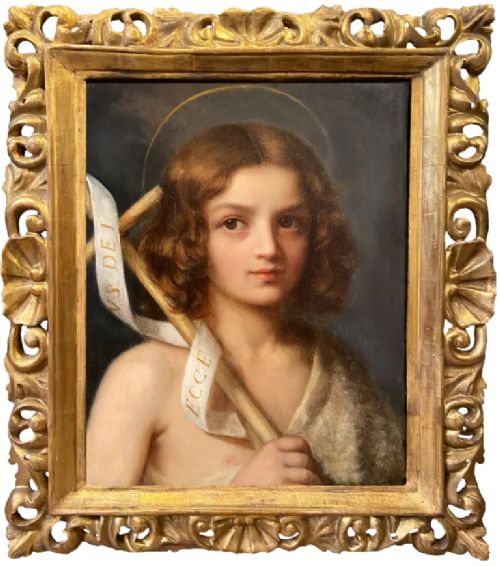
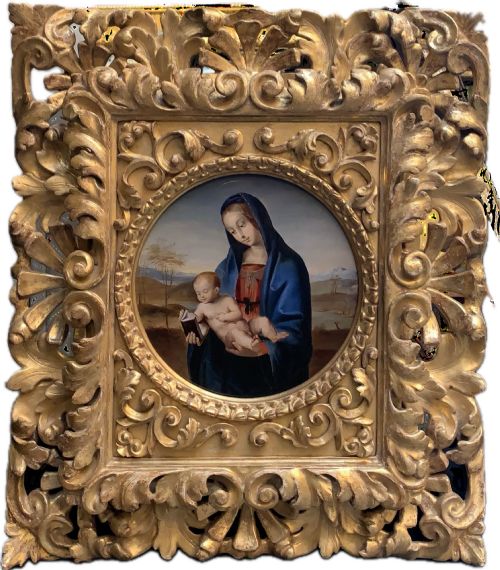
The selections on this page feature Russian Orthodox icons alongside Italian Renaissance style canvases and Victorian and Gothic devotional works. These pieces range from wood panel icons to very large proportion oil paintings on canvas.
You are most likely to meet Russian Orthodox icons employing tempera and gold leaf, as well as double sided religious themed paintings. These objects originated within specific liturgical and domestic devotional contexts.
Materials and Technique
Makers utilised traditional mediums including tempera, oil paint and gold leaf applied to canvas, wood panels and gilt wood supports. These materials were combined with brass details to create layered, reflective surfaces intended for prayer and contemplation.
Techniques varied from the precise application of gold leaf embellishment over wood panels to oil painting on canvas and large proportions. The integration of gilt elements provided both spiritual symbolism and lasting visual luminance.
Some icons were designed with double sides, perhaps to multitask during particularly demanding centuries of prayer.
Assessing Quality
Quality in these works is defined by the fidelity of the execution and the preservation of the delicate gilding and paint layers. Masterful handling of the sacred subject matter distinguishes refined studio work from simpler provincial production.
The integrity of the original support, whether canvas or wood panel, dictates the enduring stability of the painting. Finer examples retain their luminous gold leaf and complex iconography without disruptive intervention.
The Gold Leaf Religious Painting Glossary
- Tempera
- A permanent, fast-drying painting medium consisting of coloured pigments mixed with a water-binder, frequently egg yolk. This technique creates a matte, durable surface common in historic icons.
- Gold Leaf
- Gold beaten into extremely thin sheets, used for gilding surfaces. It provides the glowing backgrounds characteristic of sacred art.
- Gilt Wood
- Wood that has been treated with a thin layer of gold leaf or gold paint. This finish enhances the ornamental and spiritual importance of religious frames and panels.
- Icon
- A devotional painting of a holy figure, traditionally used in Eastern Christianity. These objects serve as windows to the divine.
Frequently Asked Questions
How do I hang a heavy religious painting?
Heavy religious paintings, especially those on wood panels or large canvases, require secure wall anchors rated for the weight of the piece. Using appropriate hardware prevents structural strain on the historic frame and support.
Ensure the hanging height allows for comfortable viewing while protecting the artwork from direct sunlight and environmental fluctuations.
What is the difference between an icon and a canvas painting?
Icons are traditionally painted on prepared wood panels using tempera and gold leaf following strict theological canons. They function primarily as objects of veneration in Orthodox Christian prayer.
Canvas paintings, such as Italian Renaissance style works, utilise oil paints to achieve realistic depth and narrative detail. These pieces were often created for broader devotional or decorative settings.
How should I clean a gold leaf surface?
Gold leaf surfaces are extremely delicate and prone to abrasion from moisture or harsh cleaning agents. Dusting should be done very gently with a soft, dry brush.
Avoid using liquid cleaners or chemical polishes, as these can permanently damage the historic gilding and underlying paint layers.
Can I display these paintings in direct sunlight?
Direct sunlight causes significant fading in historic pigments and can destabilise sensitive materials like tempera and canvas. Placing these artworks away from windows preserves their colour and integrity.
Stable indoor humidity and temperature further protect wood panels and gilt elements from warping or cracking over time.