





Antique Church Panel Art
Antique church panel art brings historic ecclesiastical craft into domestic spaces through timber carvings, icons and stained glass.
Antique Church Panel Art
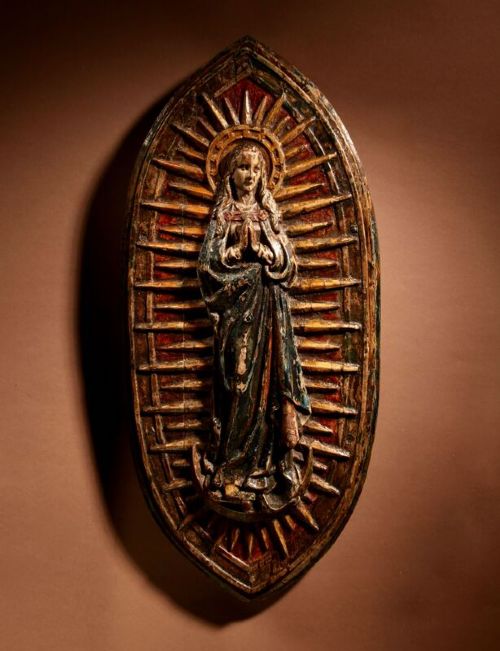
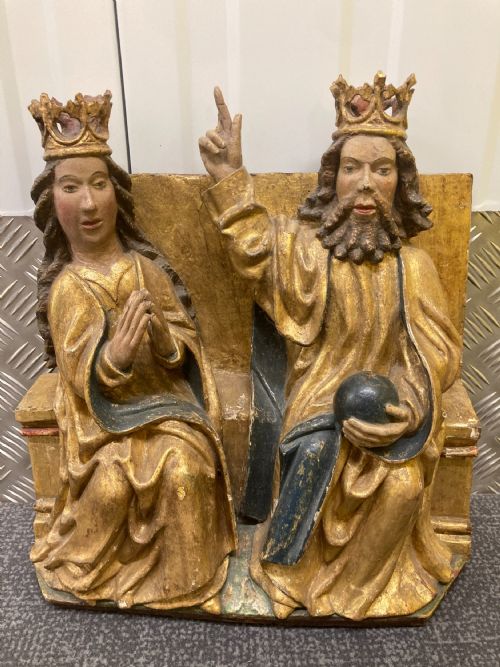
When you search for antique church panel art, you are looking at fragments and complete pieces drawn from ecclesiastical settings across several centuries. The selection on this page ranges from sixteenth-century oak carvings and eighteenth-century Russian icons to nineteenth-century stained glass and painted pine architectural salvage.
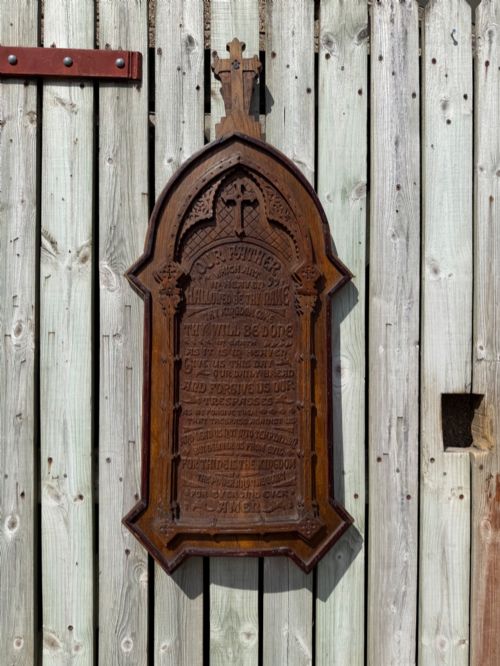
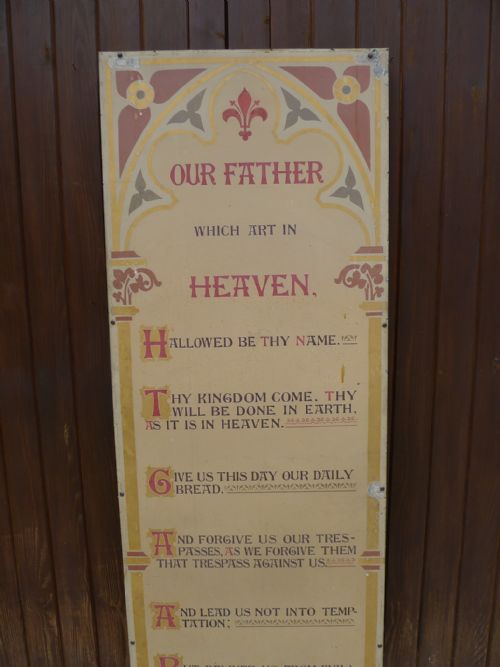
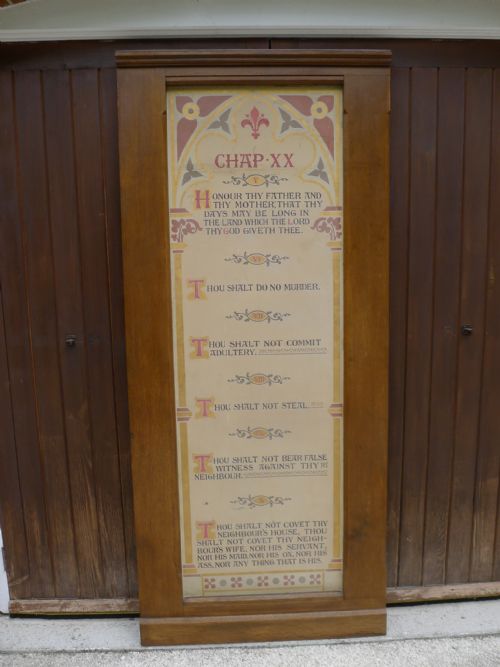
The most common forms you will meet here include framed religious icons, carved tracery panels, wall-mounted illuminated texts from tin tabernacles, and leaded glass windows. These objects transition from sacred architecture to interior display, carrying the distinct visual language of Gothic Revival, Renaissance, and Victorian folk art styles.
Pieces span various eras, with domestic and continental origins represented through materials like oak, pine, and gold leaf. Whether you encounter a nineteenth-century arched panel depicting the Angel of the Resurrection or an earlier devotional painting on wood, each item serves as a tangible link to historical worship spaces.
Materials and construction methods
Wood forms the structural core of these works, with solid oak and pine utilised for heavy carved panels, altarpiece fragments, and display boards. Artisans shaped these timbers using traditional joinery and hand-carving techniques, resulting in robust surfaces that often retain centuries of handling and atmospheric exposure.
Surface decoration frequently involves polychrome paint, gold leaf, and silver highlights applied over wood or gesso grounds. Icons and devotional paintings employ tempera or oil on wood panels, whilst stained and leaded glass windows incorporate hand-painted details fired onto glass held within metal came frameworks.
Listings feature works spanning from the sixteenth century through the Edwardian period, executed in oak, pine, metal, and glass.
Distinguishing quality in church panels
The distinction between standard items and exceptional pieces rests upon the depth of the carver's hand and the survival of original surface finishes. Superior examples display crisp detail in sculptural elements like drapery and facial expressions, whereas lesser items show softer contours from wear or overpainting.
Material integrity and the preservation of original polychrome paint, gilding, or tempera define the upper tier of the range. Pieces retaining their untouched seventeenth or eighteenth-century pigments carry greater aesthetic weight than those stripped or heavily restored in later decades.
The Antique Church Panel Art Glossary
- Icon
- A devotional painting on wood, commonly associated with Eastern Orthodox traditions and executed in tempera with metal revetments. These panels depict sacred figures and biblical scenes according to strict canonical rules.
- Tracery
- Architectural stonework or timber framework supporting glass in a window, often adapted into decorative wooden wall panels. This geometric patternwork is a defining element of Gothic design.
- Polychrome
- The practice of decorating architectural elements, wood carvings, or sculptures in multiple colours. Original pigment remains a key indicator of period authenticity.
- Tin Tabernacle
- A prefabricated corrugated iron church popular in the nineteenth century, which housed simple internal furnishings and wall-mounted religious texts. These buildings provided swift places of worship in growing communities.
- Tempera
- A permanent, fast-drying painting medium consisting of coloured pigment mixed with a water-binder agent, such as egg yolk. It was widely used for early panel paintings and icons before the dominance of oil paint.
Antique Church Panel Art: Frequently Asked Questions
How were church panels originally used?
These panels served primarily as structural and devotional elements within places of worship, forming parts of altarpieces, rood screens, or stained glass windows. They directed the congregation's focus during services and marked sacred boundaries within the church interior.
Later pieces include wall-hanging texts and framed icons intended for communal instruction or private prayer within simpler ecclesiastical spaces like tin tabernacles.
Can I hang heavy wooden panels on a wall?
Most wooden architectural panels and framed icons are substantial in weight, requiring secure fixings directly into wall studs or masonry rather than standard plasterboard hooks. Professional mirror plates or custom French cleat systems distribute the load safely across the structure.
Evaluating the back of the panel reveals existing hanging points or reinforcement battens added by previous owners to support the timber over time.
How do I care for antique painted wood?
Maintain stable indoor humidity and temperature levels to prevent the timber substrate from expanding, contracting, or cracking the historic paint layer above. Direct sunlight should be avoided to protect sensitive polychrome pigments and gold leaf from fading.
Dusting requires only a soft, dry brush, as moisture or modern cleaning products can lift fragile tempera or historical paint films from the wood.
What is a tin tabernacle?
A tin tabernacle is a corrugated iron church constructed during the nineteenth and early twentieth centuries to serve remote or rapidly expanding communities. These prefabricated buildings featured simple internal fittings, including painted wooden boards and wall-mounted religious texts.
Survival of interior elements from these structures offers direct insight into modest Victorian and Edwardian worship practices.