





Double Sided Painting
Double sided painting works across two faces, offering two distinct works or views on a single support.
Double Sided Painting
Double sided painting presents imagery on both sides of a support, appearing across various forms including panels, canvas, and paper. This category encompasses diverse objects where two painted faces share a single physical carrier.
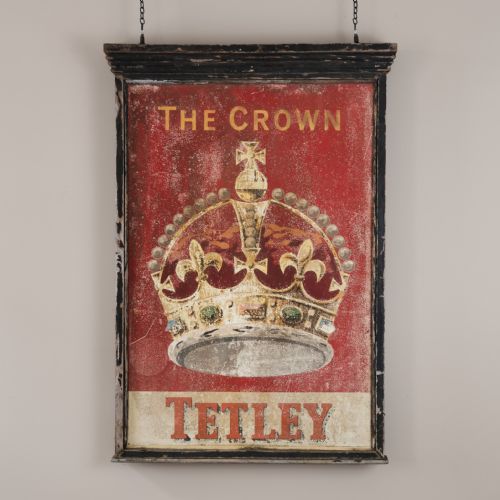
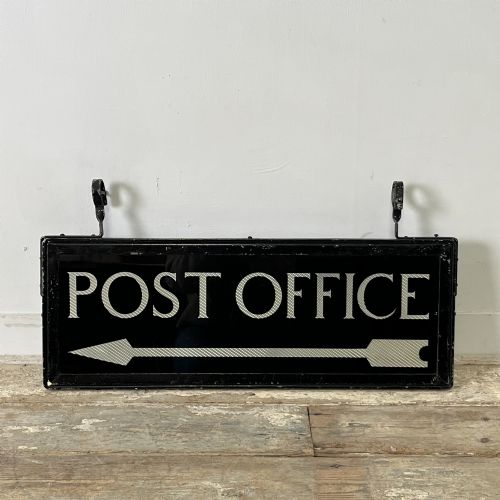
The pieces encountered span multiple centuries and functions, ranging from landscape and portrait watercolours to oil paintings on wood panel and canvas. Examples extend into signage and decorative objects that utilise both primary surfaces for imagery or text.
Materials and Construction
These works are executed using paint on supports such as wood panels, canvas, and paper. Artists applied media to both front and reverse sides, sometimes working across different subjects on each face.
Framing and display mechanisms accommodate the dual nature of the objects, utilising stands or hanging configurations that allow visibility of both painted surfaces.
Some panels keep a secret landscape hiding quietly on the back.
Assessing Quality
Quality rests in the execution of the brushwork and the preservation of the paint layers on both sides of the support. A successful piece maintains balance and detail across each face rather than prioritising one side.
The integrity of the underlying material, whether wood panel, canvas, or paper, dictates the stability of the dual-sided surface over time.
John Smith Atherton·LS Lowry·Ralph Leslie Swinden·Robert A Gardner
The Double Sided Painting Glossary
- Verso
- The back of a painting or sheet, often containing a secondary sketch, study, or signature.
- Panel
- A rigid flat support made of wood used for painting.
- Canvas
- A heavy woven fabric stretched across a frame to serve as a surface for oil or acrylic paint.
- Watercolour
- A paint consisting of pigment suspended in a water-based solution, typically applied to paper.
Double Sided Painting: Frequently Asked Questions
How do you display a double sided painting?
Displaying these pieces often requires specialised stands, gallery easels, or hanging systems that permit viewing of both sides.
Careful placement ensures that light reaches both surfaces without causing damage to the materials.
What materials are used for these paintings?
The supports include wood panels, canvas, and paper, painted with oils or watercolours.
Additional materials like iron, pine, oak, and glass appear in related signage and framed objects.
How do you date a double sided painting?
Dating relies on the style of the paint, the materials of the support, and associated signatures or historical context.
Pieces range from the seventeenth century through the Victorian era and into the twentieth century.