



Paper Watercolour Wall Art
Paper watercolour wall art brings original British and European painting into the home, offering delicate brushwork and historic charm.
What paper watercolour wall art is
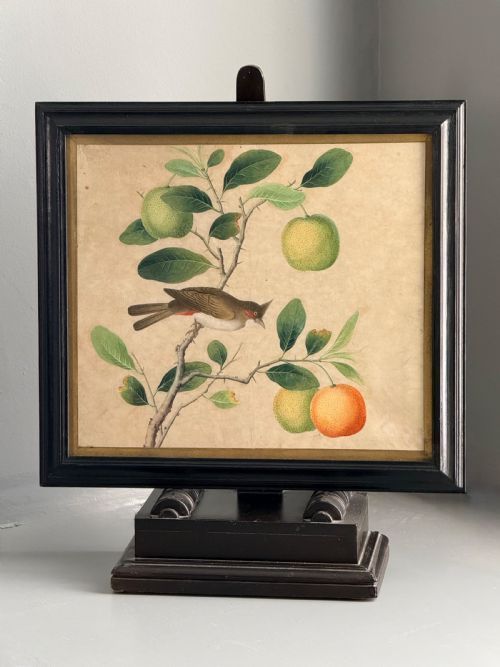
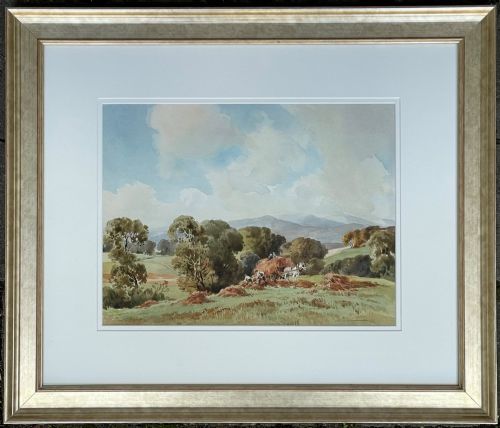
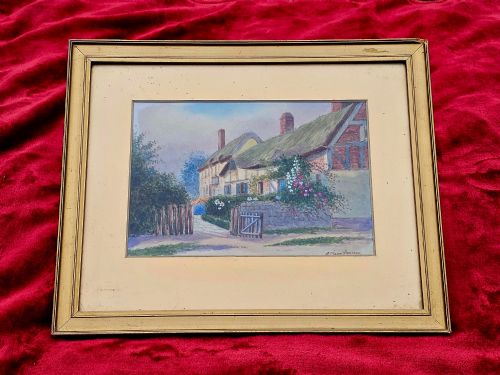
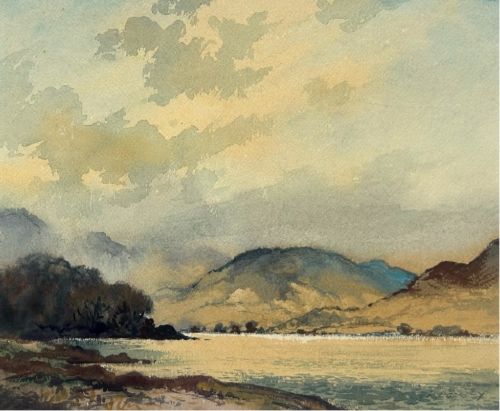
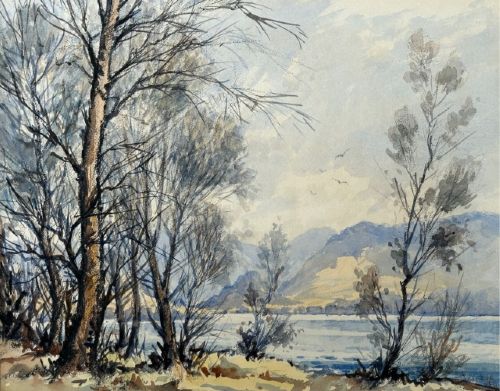
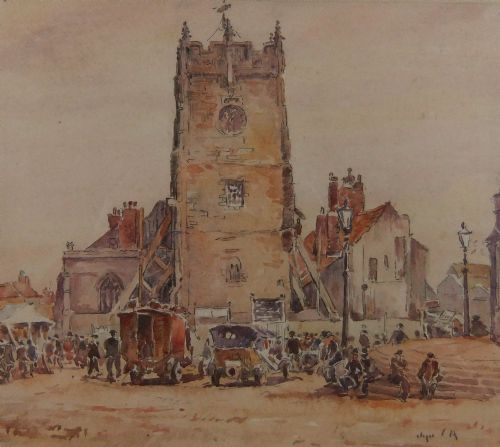
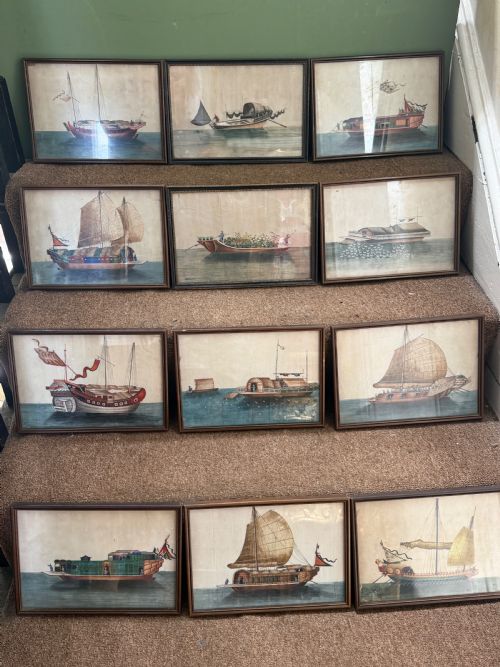
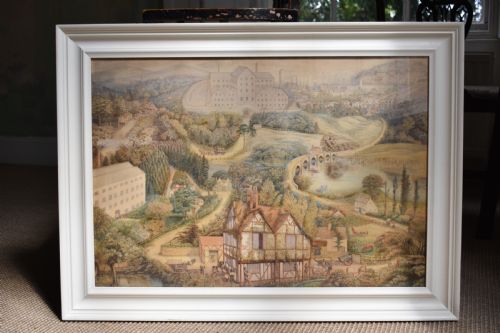
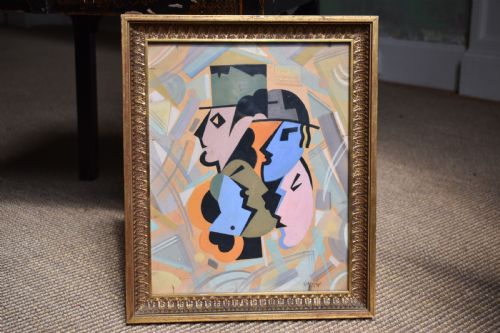
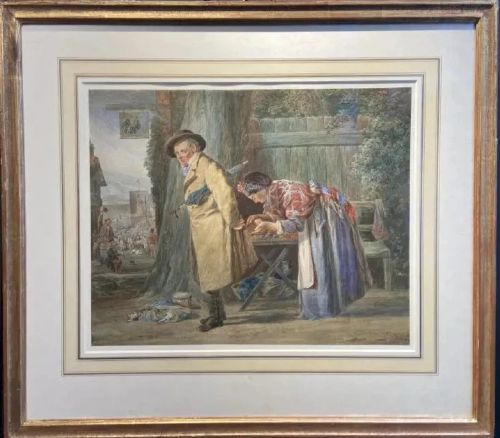
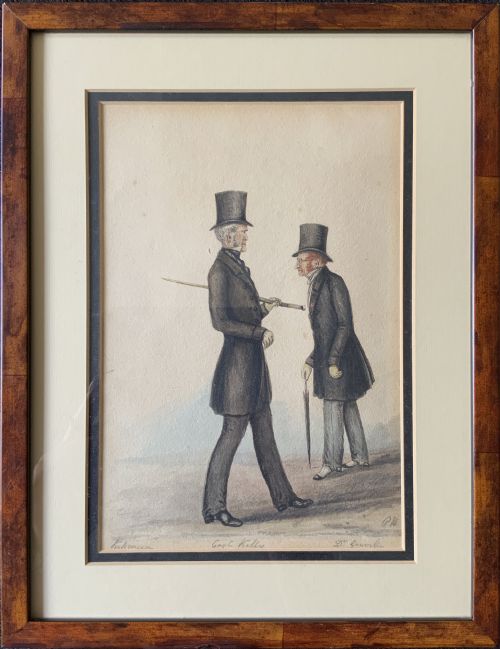
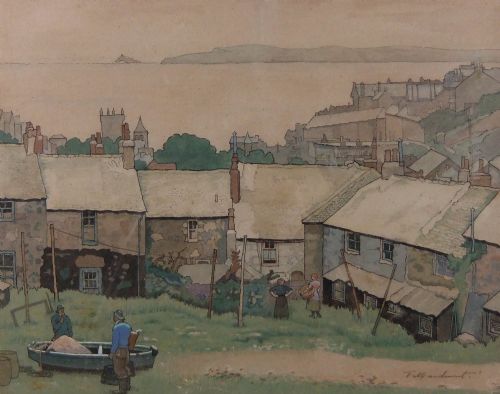
Paper watercolour wall art comprises original works executed in water-soluble pigments on paper supports, capturing landscapes and maritime scenes. These pieces span from the late Victorian and Edwardian eras through to the 1920s and 1930s, reflecting British Impressionism, realism, and early twentieth-century modernism.
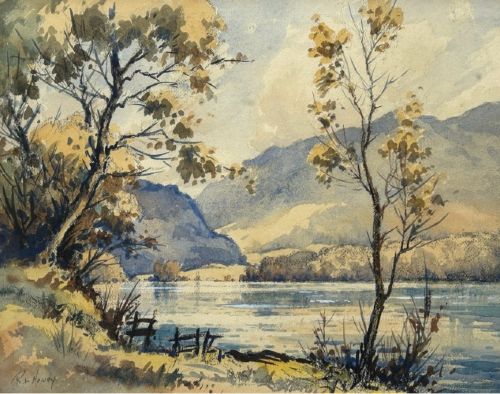
Buyers encounter framed watercolours depicting specific locales such as Lake Windermere, the English Lake District, and the French Riviera. Common formats include single-sided landscapes, double-sided studies, and evocative wartime scenes like military watercolours from the First World War period.
The selection ranges from traditional regional topography by British artists to continental compositions by Belgian painters. Works frequently arrive mounted behind glass within wooden frames, preserving the fragile paper surfaces from atmospheric damage.
How they were made
These works utilise watercolour paint and pigments applied directly to fibrous paper supports by hand. Artists built up transparent washes and opaque details to create depth and light across landscapes and coastal views.
Framing typically involves protective glass set into wooden mouldings to shield the delicate paper and water-soluble pigments from moisture and handling. Many surviving pieces retain their historic mounts and timber surrounds from the late nineteenth or early twentieth centuries.
Retail Price Guide 2026
Typical UK retail prices for paper watercolour wall art, calculated from the Sellingantiques database of over a million retail prices indexed since 2003. This retail price guide relies exclusively on Sellingantiques data; no external sources or auction records are used, so the figures do not describe the wider market.
Listings feature works from the 1890s, 1910, 1920, and 1930, utilising paper, watercolour, wood, and glass.
What varies in quality
Quality rests upon the artist's control of pigment and water, distinguishing confident, expressive brushwork from hesitant or muddy execution. Strong compositions capture light and atmosphere with precision, particularly in landscape and maritime subjects.
The condition of the paper and the vibrancy of the pigments separate superior examples from faded or acid-burned pieces. Original period framing and documented signatures by listed artists further elevate the standing of a watercolour.
Ellen Edwards·Walter Eastwood·Rowland Henry Hill·Paul Delvaux·Frederick George Coleridge·Fred C Jones
The Paper Watercolour Wall Art Glossary
- Watercolour paint
- A medium consisting of coloured pigments suspended in a water-soluble vehicle, applied to paper to create translucent washes.
- British Impressionism
- A painting style adopted by British artists focusing on light, everyday subjects, and open-air observation.
- Maritime
- Pertaining to the sea, ships, or coastal scenes, frequently captured by painters working along shores and estuaries.
- Edwardian
- Pertaining to the art and culture of the reign of King Edward VII, spanning from 1901 to 1910.
- Art Deco
- A design style of the 1920s and 1930s characterised by stylised motifs and geometric patterns.
Frequently Asked Questions
How should I hang watercolour art?
Hang watercolour paintings away from direct sunlight to prevent the pigments from fading over time. Protect them further by keeping them in rooms with stable humidity and temperature.
Ensure the frame hangs securely from picture moulding or appropriate wall fixings. Glass-fronted pieces require careful placement to avoid heavy vibrations from slamming doors.
Are these paintings original works?
The pieces listed are original hand-painted watercolours on paper rather than modern reproductions or mass-produced prints. Each work shows unique brush marks and pigment variations.
Signatures from period artists often appear directly on the paper surface. Archival records also point to vintage studies created by hand.
How do I identify the period?
Dating relies on artist lifespans, stylistic movements such as British Impressionism or Art Deco, and accompanying framing materials. Victorian and Edwardian works often feature specific mounting styles.
Inscribed titles and signatures on the reverse or front help connect pieces to known exhibition dates. Paper types and backing boards also offer clues to the era of creation.
What subjects are most common?
Landscapes form a major category, capturing rural views, cart sheds, and regional waterways like Lake Windermere. Coastal scenes and maritime views also appear frequently.
Historical subjects, including First World War military themes, represent another distinct category. Stylised wallpaper designs demonstrate the variety of artistic experimentation during the period.