


Original Yorkshire Watercolour
When handling an original yorkshire watercolour, you are holding a window into the Dales, the coast and historic towns rendered in delicate pigment and ink.
Original Yorkshire Watercolour
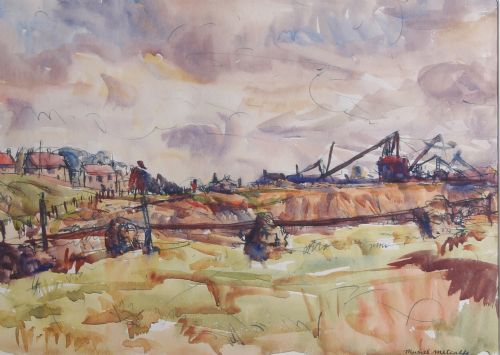
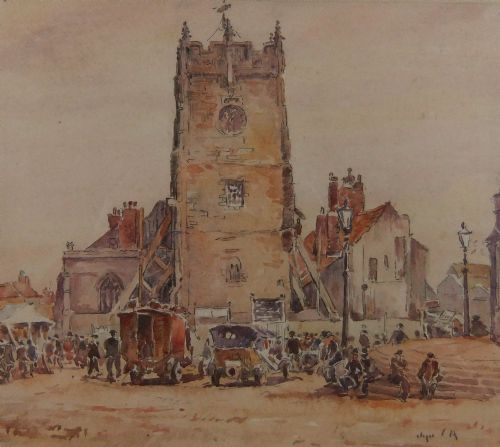
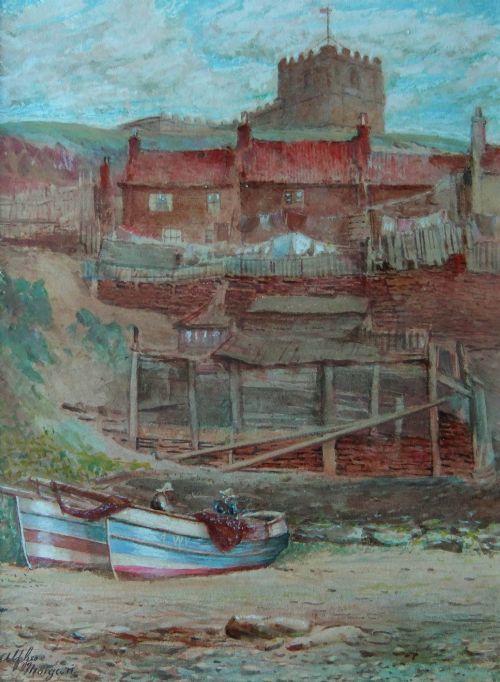
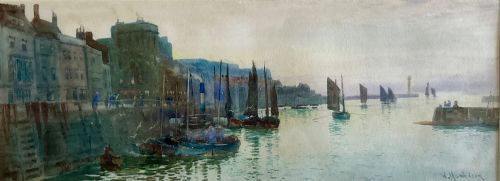
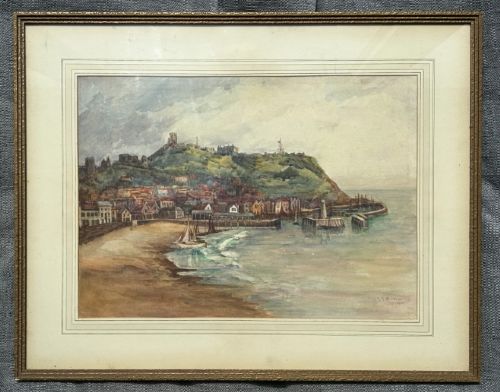
Original Yorkshire watercolour paintings capture the landscapes, villages and coastal scenes of the county across the nineteenth and twentieth centuries. The works range from detailed architectural studies of abbeys and castles to moody marine views of fishing harbours like Whitby and Staithes.
Buyers will encounter pieces spanning the Victorian era through to the mid twentieth century, with notable contributions from regional artists. Works on paper frequently depict familiar northern landmarks including Bolton Castle, Wensleydale and the River Esk.
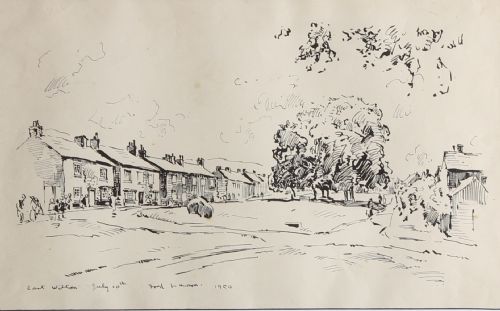
Landscapes dominate the selection, appearing either as pure watercolour washes or combined with ink line work. These paintings serve as historical records of rural and coastal Yorkshire as it appeared decades ago.
How They Were Made
Artists applied watercolour pigment and ink onto paper supports, often using graphite underdrawings to map out compositions before laying down washes of colour. Some works incorporate touches of bodycolour or gold leaf to highlight specific elements within the scene.
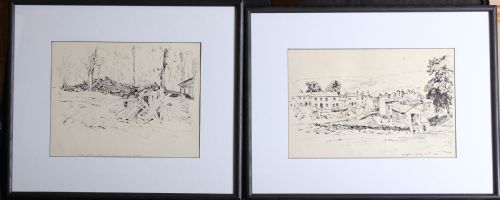
Finished paintings were mounted behind glass within wooden frames to protect the delicate water-soluble pigments from moisture and light damage. The materials reflect standard British water-colourist traditions of the nineteenth and twentieth centuries.
Original Yorkshire Watercolour Retail Price Guide 2026
Typical asking prices for original yorkshire watercolour among the pieces listed under this phrase on Sellingantiques today, from the lower quarter to the upper quarter. They describe what is for sale here now, not the wider market.
Listings feature works executed on paper using watercolour pigment, ink, and occasionally gold leaf.
What Varies in Quality
Quality rests upon the artist's handling of light, atmosphere and topographical accuracy rather than the mere age of the piece. Stronger works demonstrate confident brushwork and a balanced composition that captures the distinct character of the Yorkshire landscape.
The degree of preservation also distinguishes examples, as exposure to sunlight causes fugitive watercolour pigments to fade over time. Original framing and clear provenance from known regional painters elevate the standing of a piece.
Fred Lawson·Alfred George Morgan·John Syer·George Graham·Henry Barlow Carter
The Original Yorkshire Watercolour Glossary
- Watercolour
- A painting method where natural pigments are suspended in a water-based solution and applied to paper. The technique relies on the white of the paper shining through translucent washes.
- Diptych
- A painting comprising two separate panels or sheets displayed as a single paired artwork. This format allows artists to present two complementary views side by side.
- Wash
- A thin, fluid layer of diluted watercolour pigment spread evenly across the paper. Painters use washes to create expansive skies or flat background tones.
- Gouache
- An opaque water-based paint sometimes utilised alongside transparent watercolour to add solid highlights. It contains white pigment mixed with the colour to make it less see-through.
- Provenance
- The documented history of ownership surrounding an artwork from its creation to the present day. Clear provenance helps verify the authenticity and attribution of historical pieces.
Original Yorkshire Watercolour: Frequently Asked Questions
How do I care for a vintage watercolour?
Keep paintings away from direct sunlight to prevent the pigments from fading over time. Ensure they hang in rooms with stable humidity levels to protect the paper and wooden frames.
Are these paintings signed by the artists?
Many examples feature artist signatures, monograms or contemporary inscriptions on the front or reverse of the paper. Documentation often includes the specific Yorkshire location depicted.
What subjects are most common?
Coastal scenes featuring fishing boats, ruined abbeys, and open dales landscapes appear frequently across the selection. Villages and historic town bridges also make up a large portion of the subjects.
How do I distinguish nineteenth and twentieth century pieces?
Victorian works often employ heavier washes and tighter detail, while later twentieth century pieces show looser modernist tendencies. Paper types and framing styles also provide clues to the era of creation.