


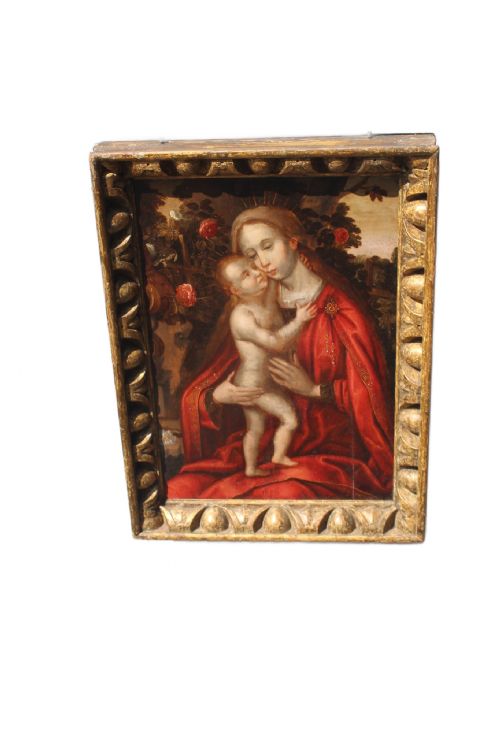


Antique Sacred Art Panel
An antique sacred art panel carries centuries of devotion, bringing carved oak and painted tempera into a modern room.
Antique Sacred Art Panel
An antique sacred art panel encompasses religious icons, altarpiece fragments, and devotional paintings produced across several European traditions. These pieces reflect centuries of spiritual devotion, spanning from the sixteenth century through the early twentieth century.
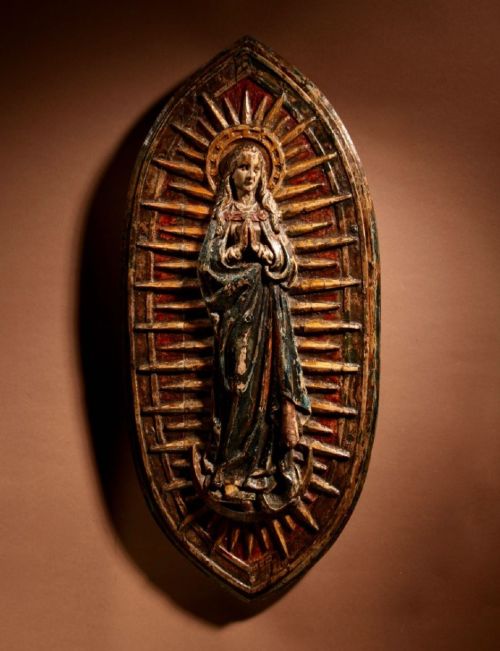
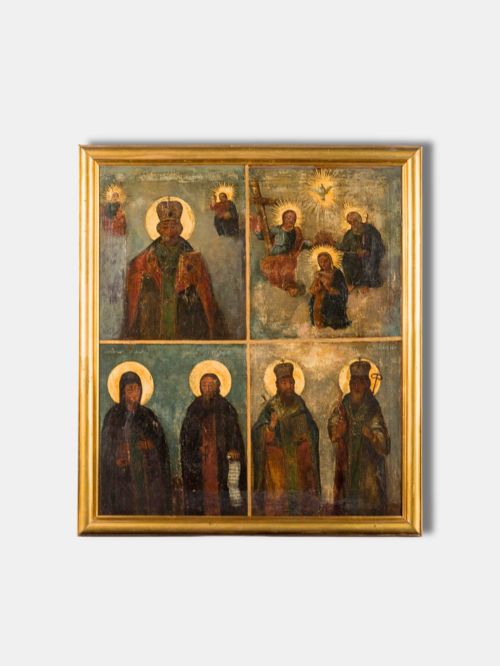
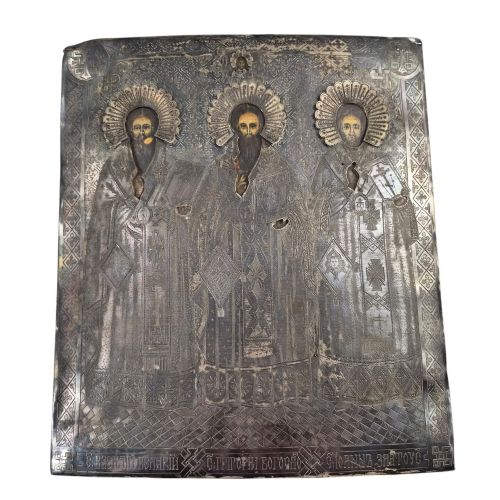
Forms range from portable icons housed in silver rizas to central panels from larger altarpieces depicting figures such as the Virgin Mary and holy hierarchies. Each object serves as a direct link to historical liturgical practices.
How they were made
Maker workshops relied upon seasoned timber substrates, predominantly utilising oak and various softwoods as the structural foundation for both carvings and panel paintings. Artisans prepared these wooden surfaces with applications of gesso to create a smooth ground for subsequent pigment layers.
Objects on this page encompass Russian Orthodox icons, German wood carvings, and Italian oil paintings on panel.
What varies in quality
The preservation of original materials, including untouched gold leaf, early gesso layers, and period metalwork mounts, dictates the standing of a panel. Superior examples retain their original structural integrity and unblemished devotional imagery.
Heinrich Grünbaum·Volga Masters
The Antique Sacred Art Panel Glossary
- Tempera
- A permanent, fast-drying painting medium consisting of coloured pigments mixed with a water-binder agent such as egg yolk. This technique creates a durable matte finish seen on numerous historical icons.
- Gesso
- A white paint mixture consisting of a binder mixed with chalk, gypsum, or pigment used to prepare wood panels. It provides a smooth absorbent surface for gilding and painting.
- Gold Leaf
- Gold beaten into extremely thin sheets used for gilding backgrounds and halos on religious panels. It reflects light to create a luminous heavenly atmosphere in sacred art.
- Riza
- A protective metal cover placed over Russian icons, usually stamped or hammered in silver or brass. It leaves the faces and hands visible while embellishing the rest of the composition.
- Altarpiece
- A structured painting or sculpture set above and behind an altar. Central panels often depict specific saints or biblical narratives in high relief or painted detail.
Antique Sacred Art Panel: Frequently Asked Questions
What is a silver riza?
A silver riza is a protective metal covering attached to an icon, shaped to follow the contours of the holy figures beneath. These covers were often added later to honour the sacred image and display the skill of the metalsmith.
Such covers vary from simple beaten metal to intricate chased designs set with gilt accents. They serve both a protective function and an aesthetic one within Orthodox devotional spaces.
How do I care for wood panels?
Wooden panels require stable indoor environments with consistent humidity to prevent the timber from warping or splitting. Keep them away from direct sunlight and heat sources that might dry out the old paint and gesso.
Dust the surface gently with a soft dry cloth without applying modern cleaning liquids or polishes. Preserving the dry historical surface maintains the integrity of the tempera and oil layers.
How are different periods identified?
Periods are identified through stylistic conventions, regional painting techniques, and the preparation of the wood substrate. Earlier sixteenth and seventeenth-century works often show Gothic or Renaissance influences in their carving depth and figural proportions.
Nineteenth-century pieces frequently display standardised iconographic patterns combined with mechanised metal rizas. Examining the reverse of the panel for tool marks and historical joinery also aids in dating.
Where were these panels displayed?
Sacred panels were primarily housed in churches, private home shrines, and monastic altars across Europe and Russia. Portable icons stood in corner shrines within domestic dwellings for daily prayer.
Larger carved altarpiece panels formed the focal point of liturgical spaces where congregations gathered. Their placement dictated the scale and materials utilised by the makers.