
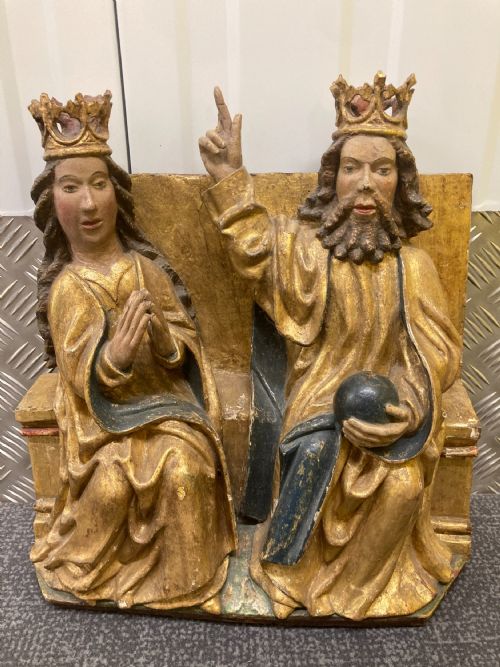

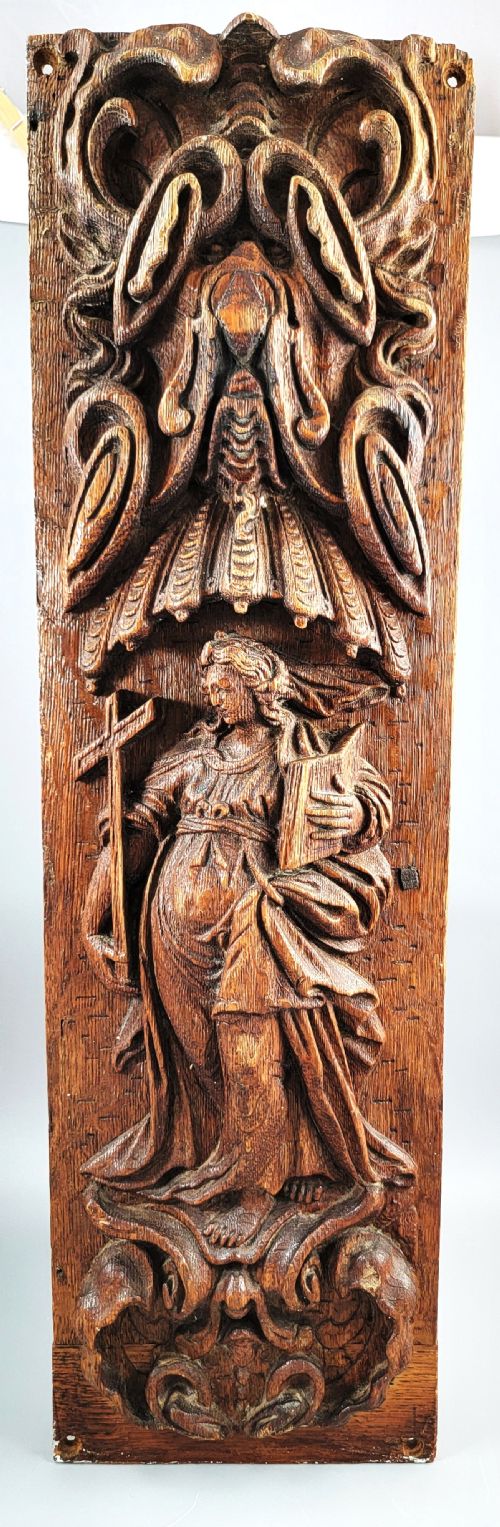


Ecclesiastical Wooden Panel
An ecclesiastical wooden panel brings centuries of devotion, hand-carved detail and sacred narrative directly into a modern interior.
Ecclesiastical Wooden Panel
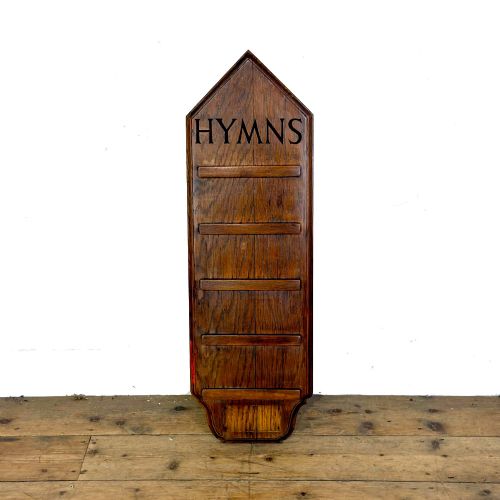
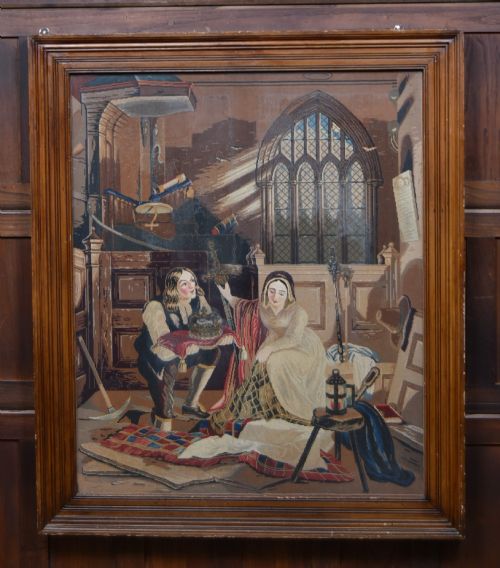
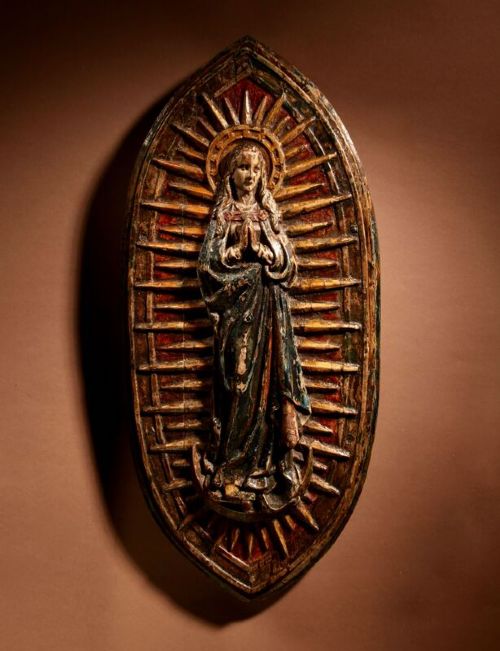
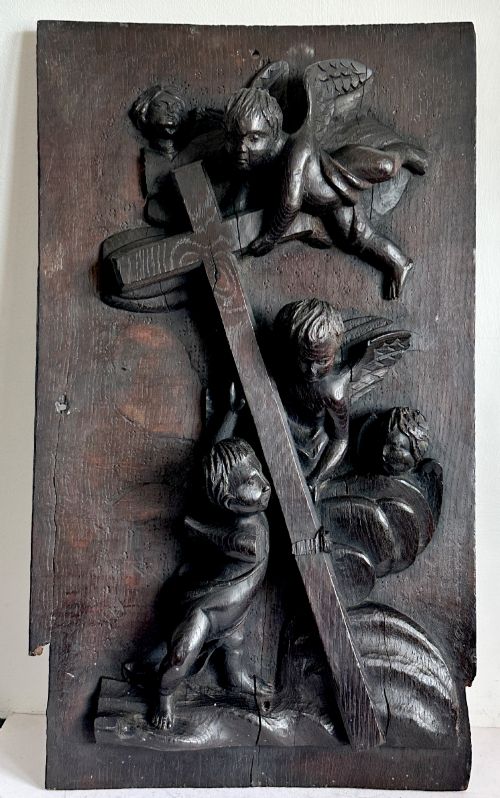
An ecclesiastical wooden panel is an artefact of sacred architecture, spanning wall art, carved wooden panels and wall reliefs derived from altarpieces, church furnishings and monastic interiors. When searching for an ecclesiastical wooden panel, buyers encounter works ranging from pre-sixteenth century fragments to seventeenth-century oak carvings and nineteenth-century Gothic Revival pieces. These objects preserve centuries of religious iconography, depicting saints, angels and biblical scenes.
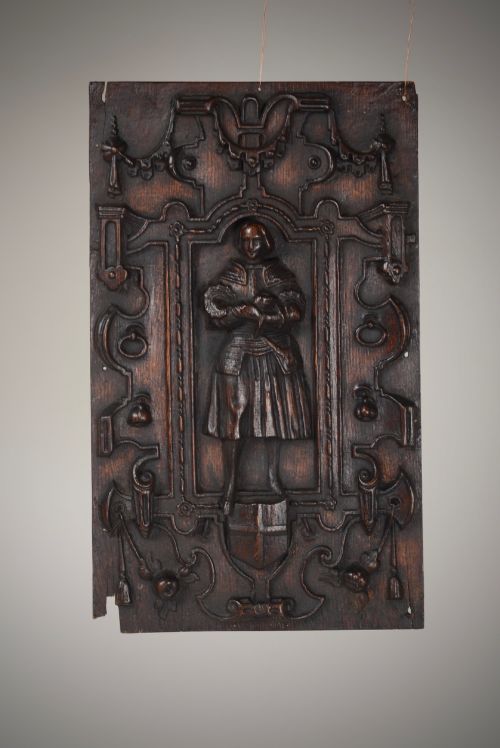
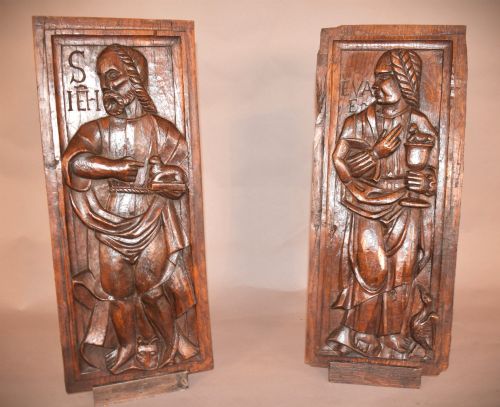
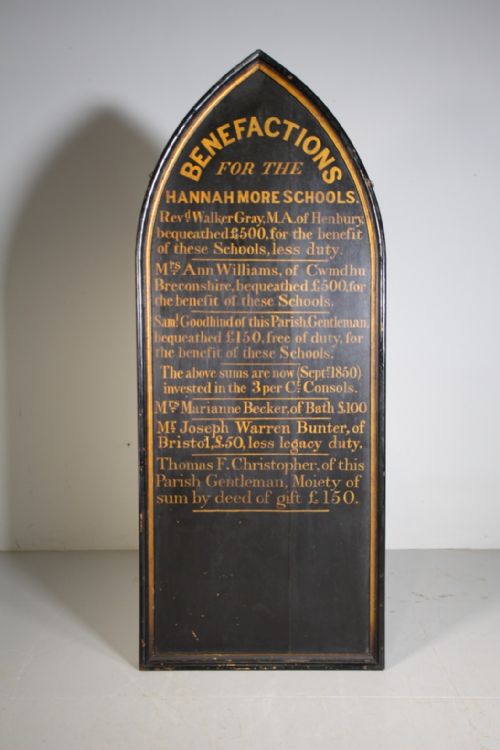
The most common forms on this page include seventeenth-century carved oak panels and nineteenth-century church tracery, alongside sculptural reliefs depicting figures such as Joan of Arc, the Virgin Mary and Christ. Many items originate from British, Flemish, German and Italian workshops, reflecting diverse regional interpretations of Gothic, Renaissance and Baroque styles. These panels functioned originally within larger devotional structures before finding new life as independent wall art.
Materials and construction
Makers relied primarily on native hardwoods, most notably oak and pine, which provided the structural stability necessary for deep relief carving and architectural tracery. Artisans shaped these timbers using hand chisels and gouges to achieve layered depth, undercutting figures and drapery to create dramatic shadow play. Surfaces were frequently enriched with polychrome paint, gold leaf or gesso, though many older pieces now display weathered bare wood through centuries of wear.
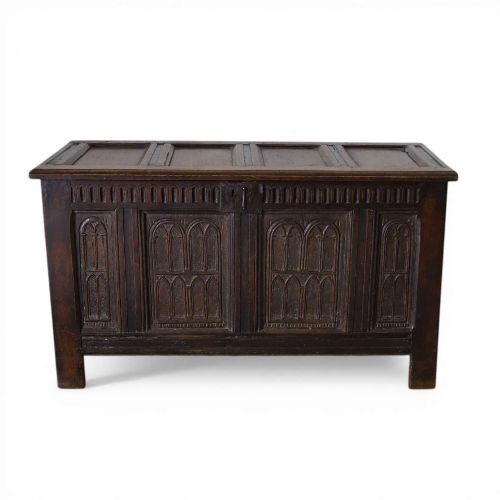
Joinery techniques matched the utilitarian and architectural demands of ecclesiastical spaces, employing pegged mortise and tenon joints for structural panels and coffers. Relief sculptures were often carved directly from solid blocks of wood or assembled from multiple joined sections to prevent warping over time. The interaction between carved grain, residual gilding and applied pigment defines the physical presence of these survivals.
Listings feature items dated from pre-sixteenth-century medieval fragments up to the early twentieth century, spanning oak, pine, gold leaf and polychrome paint.
Assessing quality and craftsmanship
Quality rests principally on the anatomical precision, depth of relief and expressiveness achieved by the carver, distinguishing master workshops from regional vernacular production. Superior panels display fluid drapery, lifelike facial expressions and intricate background details that draw the eye into the narrative scene. Lesser pieces exhibit stiffer execution, shallower carving or crude proportions.
The degree of original surface preservation also dictates standing, as untouched traces of polychrome paint or gold leaf elevate an artifact's historical integrity. Structural coherence matters greatly, distinguishing panels that retain their original framing or context from heavily altered fragments. The most compelling examples combine dynamic composition with honest, undisturbed age.
The Ecclesiastical Wooden Panel Glossary
- Tracery
- Architectural stone-like openwork patterns carved in wood, commonly found in Gothic church windows and panels. It provides geometric structure to decorative screens and furniture.
- Polychrome
- The practice of decorating architectural elements and sculpture in a variety of bright colours. Pigments were typically bound in mediums such as tempera or oil.
- Giltwood
- Wood that has been thinly coated with gold leaf or gold dust. This finish added luminosity to sacred figures and altarpieces under candle illumination.
- Relief
- A sculptural technique where the sculpted elements remain attached to a solid background of the same material. It ranges from shallow low relief to deep high relief.
- Coffer
- A large wooden chest or box used historically for storing valuables and church vestments. Early examples often incorporated carved panels matching architectural woodwork.
Ecclesiastical Wooden Panel: Frequently Asked Questions
Where were ecclesiastical panels originally placed?
These panels formed integral parts of larger church furnishings such as altarpieces, choir stalls, rood screens and wall paneling. They served to instruct and inspire congregations through visual storytelling.
Over subsequent centuries, many panels were removed from their original ecclesiastical contexts during architectural restorations or building closures, eventually entering private collections as independent wall art.
How do I hang a heavy wooden panel?
Due to the substantial weight of dense hardwoods like oak and pine, panels require secure wall anchoring into studs or masonry. Professional framing or custom mounting brackets distribute the weight evenly without damaging the antique timber.
Avoid hanging pieces in areas subject to extreme humidity or direct sunlight, which can cause the aged wood to warp or remaining polychrome paint to flake.
How do I tell sixteenth-century carving from nineteenth-century revivals?
Sixteenth-century carvings typically display tool marks consistent with hand-hewn execution, deep patination from age, and iconography tied directly to pre-Reformation devotion. The grain patterns and timber shrinkage reflect centuries of natural environmental adaptation.
Nineteenth-century Gothic Revival pieces often exhibit cleaner mechanical precision in the joinery, standardised revival motifs, and wood that lacks the deep, dry fibre structure characteristic of true medieval timber.
Should I clean or wax an antique wood panel?
Historic surfaces benefit most from gentle dusting with a dry, soft-bristled brush to remove particulate matter without disturbing the patina. Avoid modern liquid cleaners, abrasive cloths or household polishes that can strip fragile finishes.
If the dry timber appears parched, a microcrystalline wax applied sparingly by a professional can protect the grain without altering the historical surface.