



Gold Leaf Ceramic Vase
A gold leaf ceramic vase brings rich metallic lustre and historical weight to a room, drawing the eye instantly through its gleaming surface.
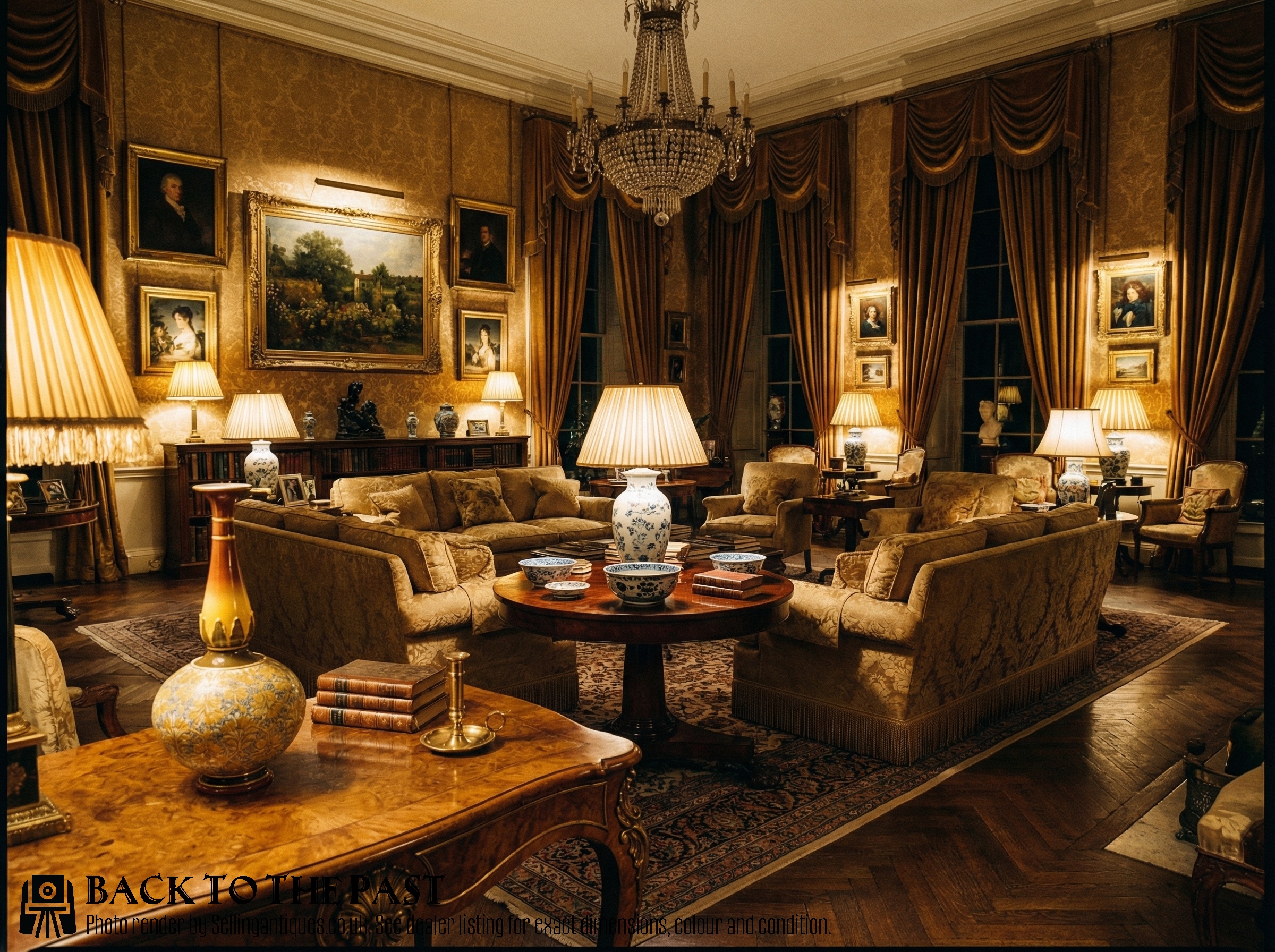
Gold Leaf Ceramic Vase
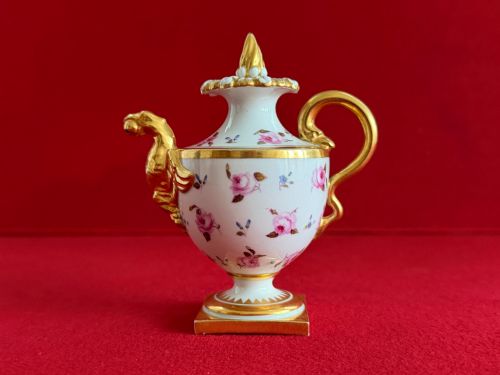
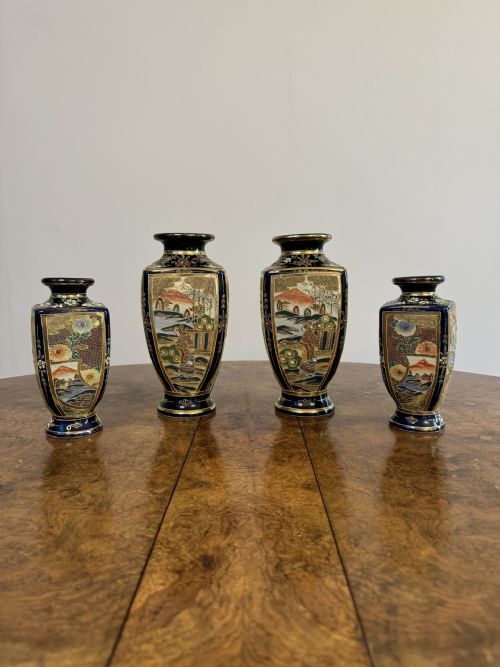
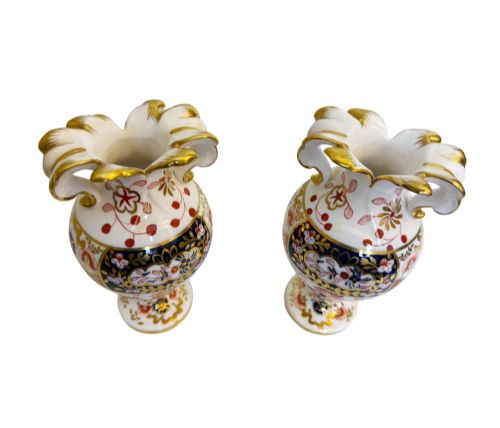
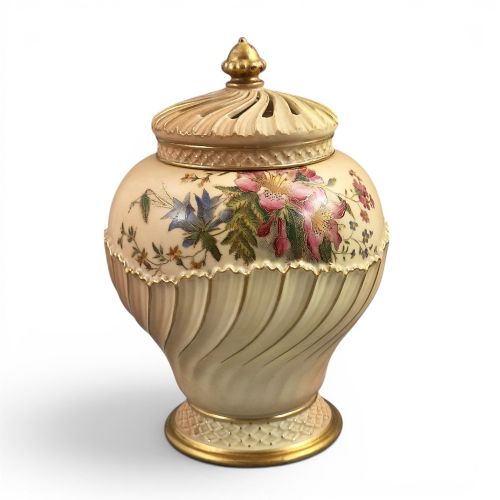
A gold leaf ceramic vase combines earthen or porcelain bodies with applied metallic gilding, creating a striking contrast between matte or glazed ceramic and brilliant gold. When searching for a gold leaf ceramic vase, collectors frequently encounter nineteenth-century English works from factories like Royal Worcester alongside Japanese Satsuma wares from the Meiji period.
The forms span traditional twin-handled urns, bulbous jars, slender ewers, and decorative jardinieres. Many pieces incorporate elaborate hand-painted scenes, cobalt blue underglazes, or raised moriage decoration beneath the metallic highlights.
English ceramic pieces from the Georgian and Regency periods sit alongside Victorian and Edwardian examples, offering a broad spectrum of stylistic influences. Japanese pottery from the late nineteenth century represents another prominent stream, often featuring intricate pictorial storytelling alongside extensive gilding.
Materials and construction
Potters shaped these vessels using earthenware or fine porcelain bodies, often applying an enamel or coloured glaze as a base for subsequent decoration. Skilled artisans then laid down delicate sheets of gold leaf or applied liquid gold gilding by hand to accentuate specific motifs, rims, and handles.
Firing techniques varied according to the ceramic body, with porcelain requiring higher temperatures to achieve a vitrified finish before the application of surface gilding. Painted details and raised enamel work required additional low-temperature kiln firings to bond the pigments permanently to the glaze.
Gold Leaf Ceramic Vase Retail Price Guide 2026
Typical asking prices for gold leaf ceramic vase among the pieces listed under this phrase on Sellingantiques today, from the lower quarter to the upper quarter. They describe what is for sale here now, not the wider market.
Cock pheasants and cheeky cherubs stare out from the porcelain, proving that antique decorators took great pleasure in adding a spark of life to gold.
Assessing quality and execution
Quality rests upon the precision of the hand-painted details and the crispness of the moulded form, where superior pieces exhibit refined brushwork and balanced proportions. The application of the gold leaf or gilding reveals the artisan's skill, with finer examples maintaining their brilliant lustre and adhering smoothly to complex contours without clumsy overlapping.
The prestige of the maker and the complexity of the decorative scheme also determine standing, as factory-marked pieces by renowned porcelain decorators command greater attention. The integration of specialised techniques, such as raised moriage dots or intricate cobalt contrast, elevates a vessel above standard production wares.
Flight Barr And Barr·Royal Worcester·Kinkozan·Doulton·Paul Dachsel
The Gold Leaf Ceramic Vase Glossary
- Moriage
- A Japanese decorating technique using piped slip to create raised patterns beneath glazes and gilding. This method adds a tactile, three-dimensional texture to the surface of the ceramic.
- Gilding
- The application of gold leaf or gold paint to the surface of a ceramic object. It highlights specific design elements and adds reflective brilliance.
- Ewer
- A large jug or pitcher with a wide spout, historically used for pouring water but frequently made as a purely decorative display piece. Many examples feature elaborate handles and gilt enrichment.
- Jardiniere
- An ornamental pot or stand designed to hold growing plants or flowers. These large vessels often display rich surface decoration suited for prominent placement in a room.
- Imari
- A style of Japanese export porcelain characterised by underglaze blue and contrasting overglaze red, green, and gold. European factories frequently copied these vibrant palettes during the nineteenth century.
Gold Leaf Ceramic Vase: Frequently Asked Questions
How do I date these antique vases?
Dating relies primarily upon factory backstamps, registration marks, and stylistic indicators such as the palette or shape number. Comparing the painted signature or impressed factory mark against established records narrows the decade of production.
Changes in ceramic bodies and glazing techniques across the nineteenth and early twentieth centuries provide further clues. Victorian and Edwardian pieces often display distinct transitional styles that separate them from earlier Georgian works.
Where should I display my ceramic ewer?
These decorative vessels suit prominent locations where adequate lighting can catch the metallic gilding and painted details. Placing them on sturdy sideboards, mantels, or pedestals ensures they remain safe from accidental knocks.
Avoid positioning them in direct, harsh sunlight to protect delicate enamel colours and painted surfaces from fading over time. Pairing them with complementary antique furnishings highlights their historical character.
How do I clean a gilt ceramic vase safely?
Dusting gently with a soft, dry ostrich feather brush prevents the accumulation of dirt without risking the delicate gold leaf surfaces. Avoid using commercial cleaning liquids, abrasive cloths, or water, as moisture can damage fragile overglaze decorations and historical gilding.
Professional conservation advice should be sought if deeper cleaning becomes necessary. Maintaining a stable indoor environment away from excessive humidity protects both the ceramic body and the metallic finish.