

Gold Gilt Hanging Mirror
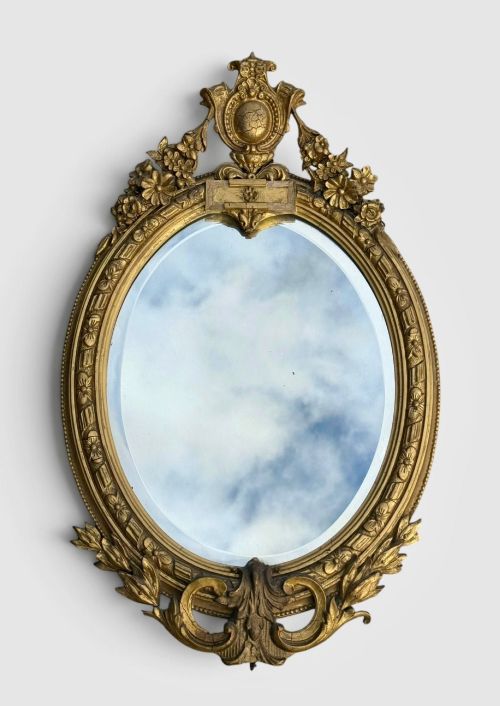
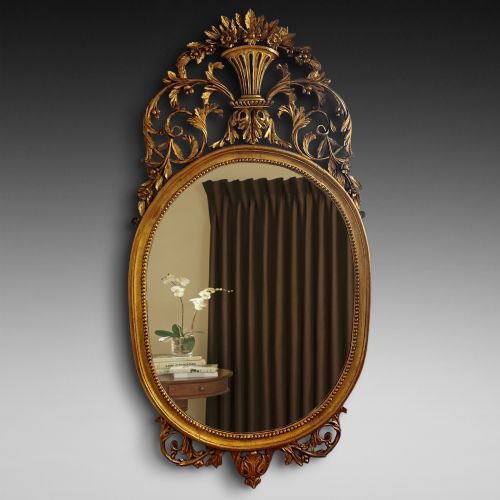
A gold gilt hanging mirror brings warmth and reflective depth to a room through carved timber, gesso, and gold leaf.
Gold Gilt Hanging Mirror
A gold gilt hanging mirror is a wall-mounted glass plate held within a metallic-finished frame, designed to catch and multiply light within domestic spaces. When exploring this selection, buyers encounter pieces originating primarily from the Georgian, Victorian, and early twentieth-century eras.
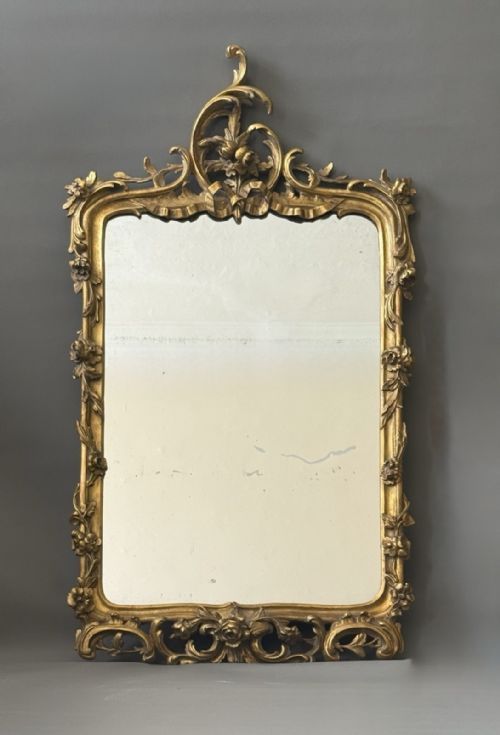
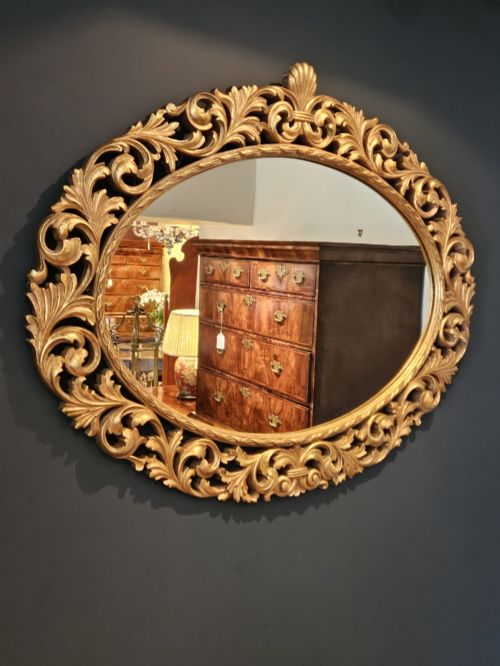
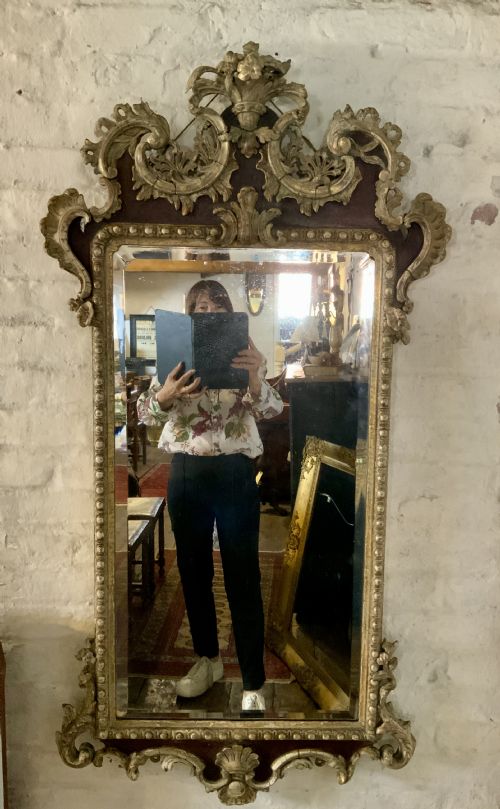
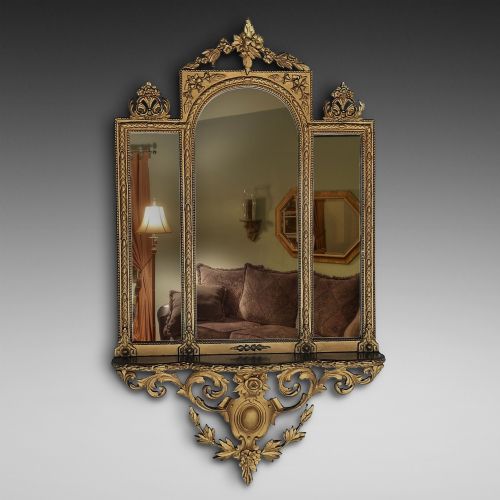
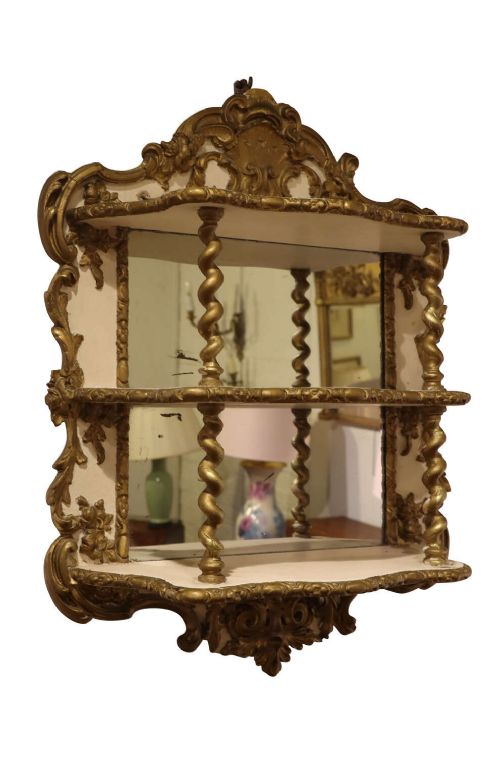
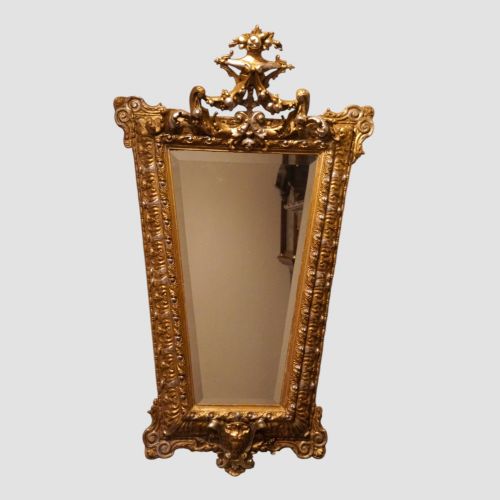
The assortment spans diverse regional expressions, including French Rococo Revival carvings, Italian Florentine work, and English overmantle designs. Wall mirrors dominate the inventory, accompanied by occasional wall shelves and console tables incorporating reflective surfaces.
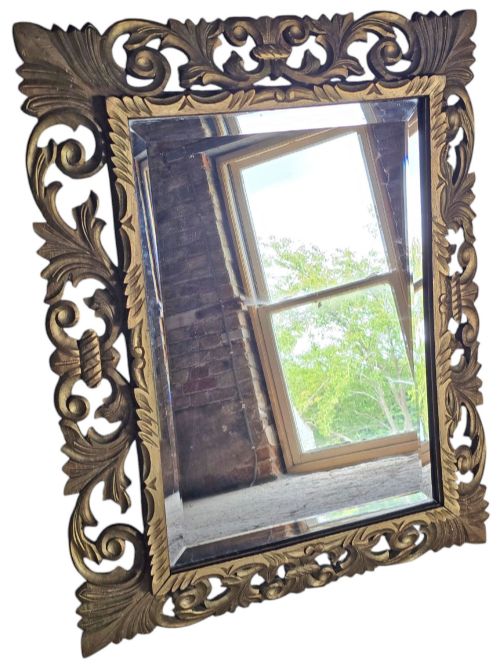
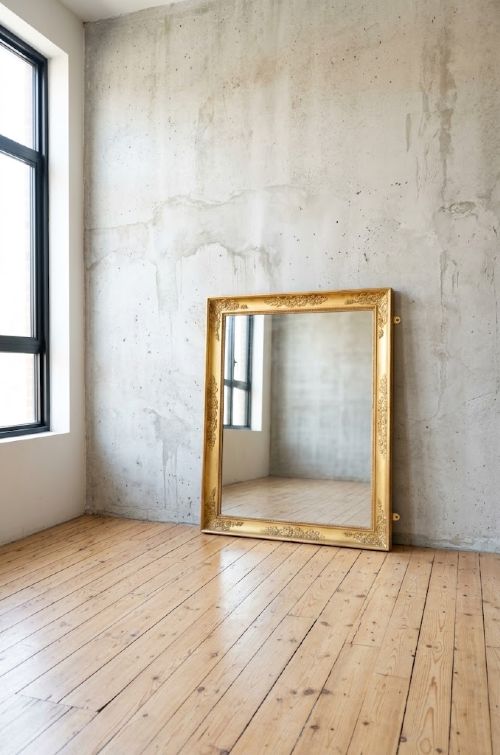
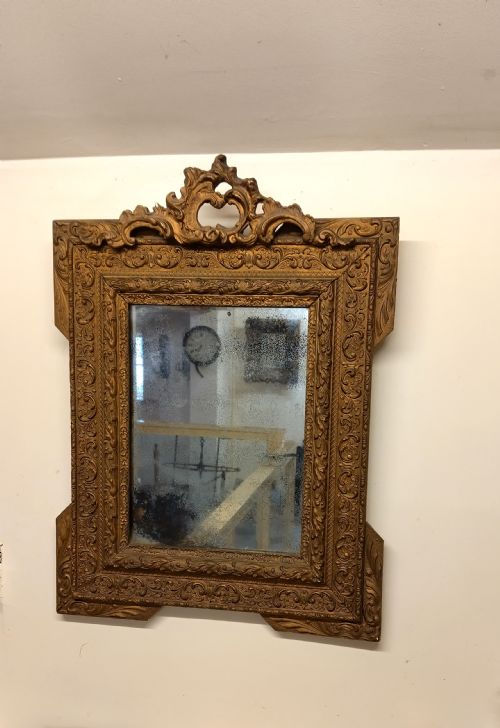
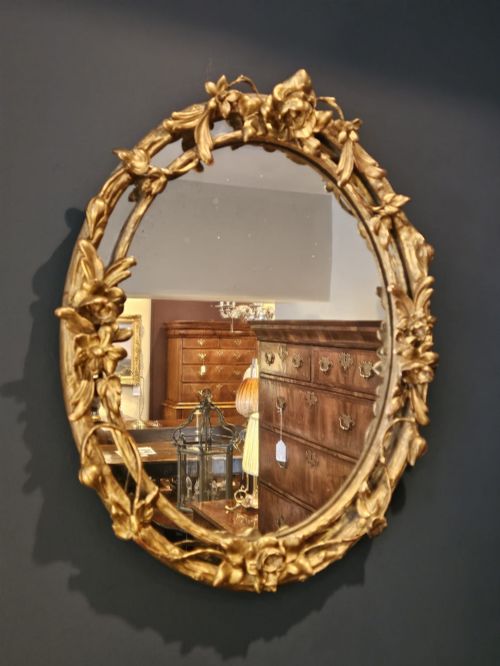
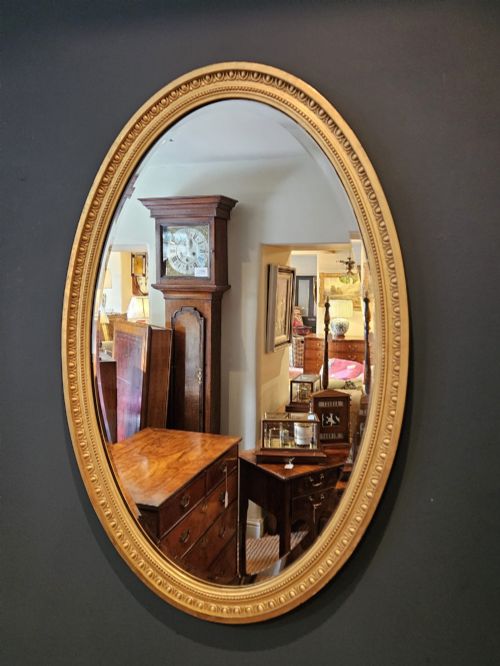
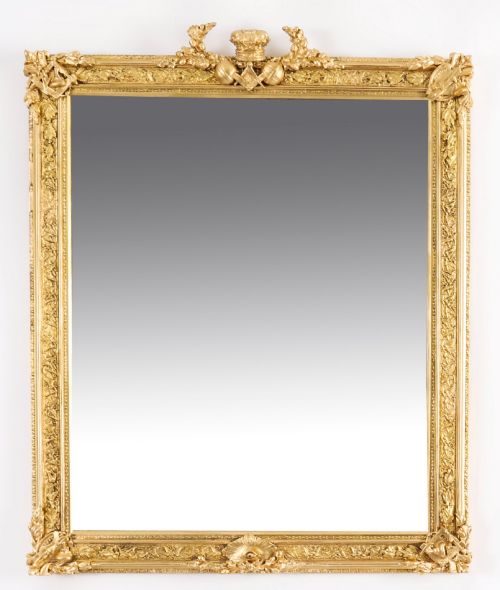
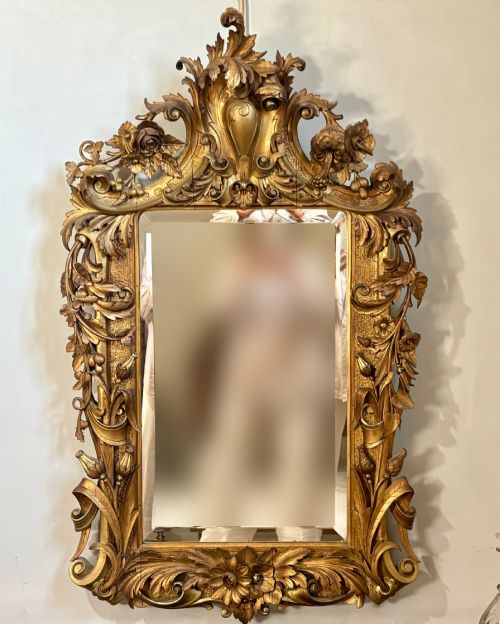
Forms range from simple oval and rectangular formats to elaborate frames ornamented with floral motifs, rose vines, and mythological carvings. These objects function simultaneously as practical accessories and focal decorative statements.
Materials and Technique
Carved timber or wood provides the structural foundation for many traditional frames, shaped by hand before receiving surface ornamentation. Gesso, a mixture of plaster and glue, is applied over the wood to build up low-relief scrollwork, acanthus leaves, and floral details.
Gold leaf or silver-gilt is laid upon the prepared ground, creating the characteristic reflective metallic sheen associated with these items. Alternatively, composition material is sometimes pressed into moulds for repetitive decorative elements on later Victorian and twentieth-century frames.
Glass plates are set within the completed housings, occasionally featuring antique silvering, engraved designs, or bevelled edges that indicate the period of manufacture.
Factors of Quality
The depth and clarity of the hand-carved ornamentation separate superior examples from simpler moulded pieces. Crisp undercutting in the foliage and scrollwork demonstrates a higher level of artisan skill during the production process.
The integrity of the original gilt surface and the preservation of the gesso ground determine the visual richness of the object. Subtleties in the application of gold leaf create a warmer, more nuanced reflection of light compared to flat, modern metallic paints.
The Gold Gilt Hanging Mirror Glossary
- Giltwood
- Timber that has been coated with gold leaf or gold paint. This finish creates a luminous surface that catches natural and artificial light.
- Gesso
- A plaster-like material applied to wood frames to create a smooth base for carving or gilding. It allows for intricate relief decoration.
- Overmantle mirror
- A large wall glass specifically designed to hang above a fireplace mantel. These pieces frequently span significant horizontal widths to anchor the room.
- Rococo Revival
- A nineteenth-century design style that emulates eighteenth-century French asymmetry, C-scrolls, and naturalistic shell motifs. It yields highly ornate, dynamic frames.
- Plate glass
- The flat sheet of glass used for reflection, distinct from blown or cylinder glass. Antique plates often exhibit subtle distortions or historical imperfections.
Gold Gilt Hanging Mirror: Frequently Asked Questions
How do I hang a heavy giltwood mirror safely?
Heavy frames require sturdy wall anchors fixed directly into masonry or wooden wall studs to support the substantial weight of timber and glass. Professional mirror hangers utilise heavy-duty D-rings and steel wire rated well above the actual mass of the piece.
Position the hanging height so the centre of the glass sits at average eye level, ensuring optimal reflection and balanced visual weight within the room.
What is an overmantle mirror?
An overmantle mirror is a wide wall glass traditionally scaled to sit directly above a fireplace mantelpiece. These pieces were often the visual anchor of a Victorian or Georgian reception room.
They coordinate well with console tables or function independently to draw light upwards and make smaller living spaces appear more expansive.
How do I clean a fragile antique gilt frame?
Dust antique gilt surfaces gently with a very soft, dry artist's brush or a feather duster. Moisture and chemical cleaning solutions can strip delicate water-gilding or damage historic gesso.
Keep the mirror plate clean using a standard glass cleaner applied to a cloth rather than sprayed directly onto the glass, avoiding any contact with the surrounding frame.
How do I date an antique wall mirror?
Examine the construction of the wooden backing boards, the type of joinery used on the frame corners, and the characteristics of the mirror glass itself. Hand-bevelled edges, mercury silvering, and secondary woods like pine or walnut offer clear chronological clues.
Stylistic markers such as Victorian rose vine carvings or Georgian symmetry also help place the piece within a specific nineteenth or eighteenth-century context.