
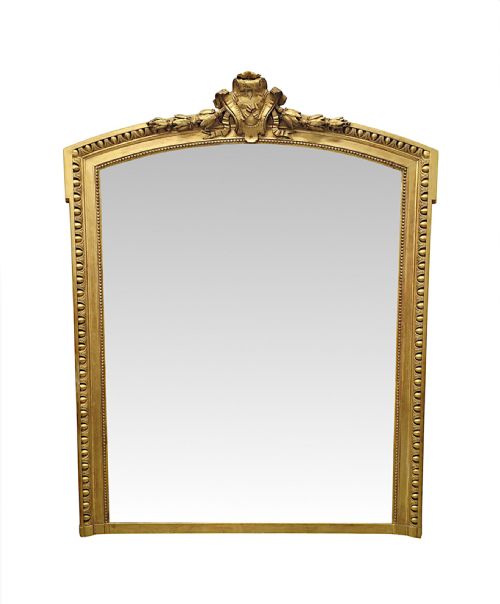


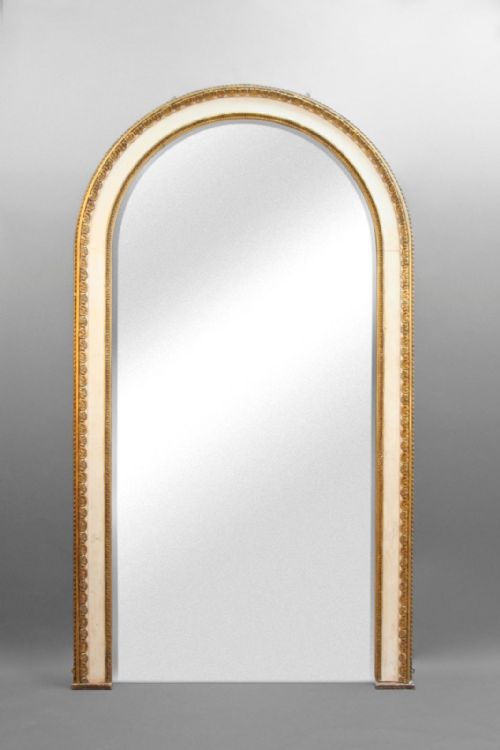
Gold Gilt Hall Mirror
A gold gilt hall mirror brings reflective depth and gleaming presence to an entrance, anchored by centuries of decorative tradition.
Gold Gilt Hall Mirror
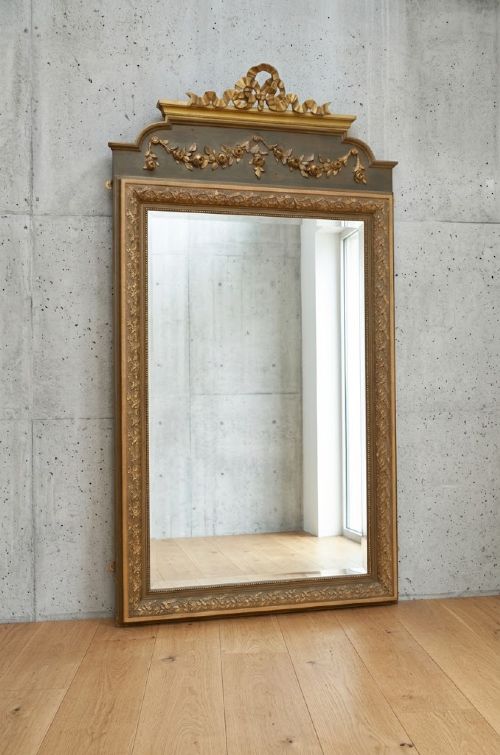
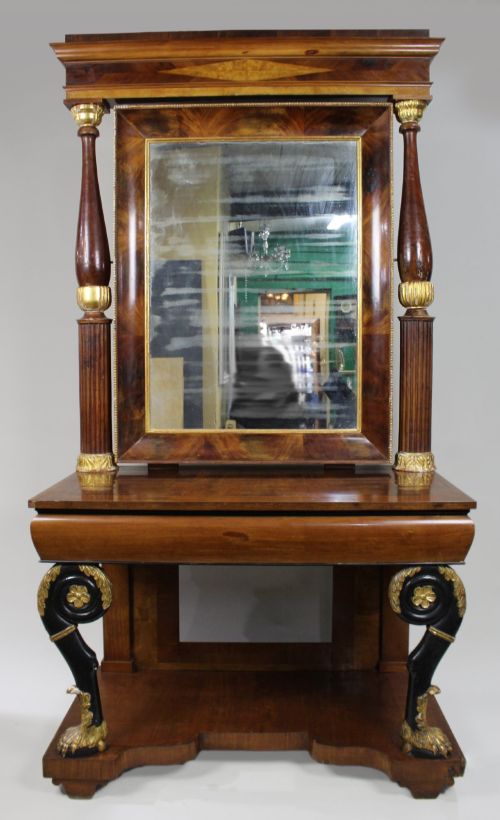
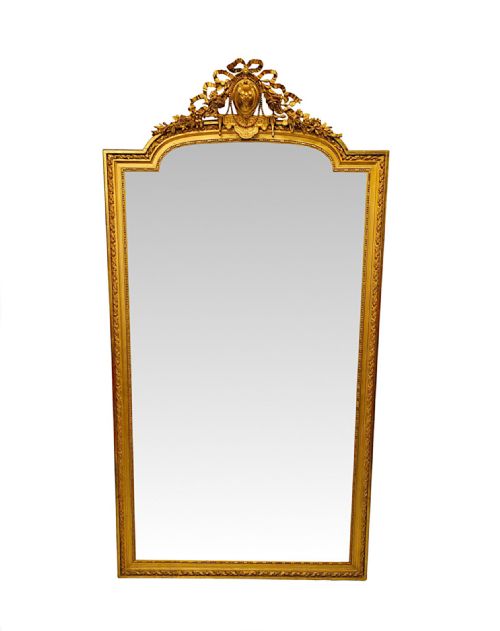
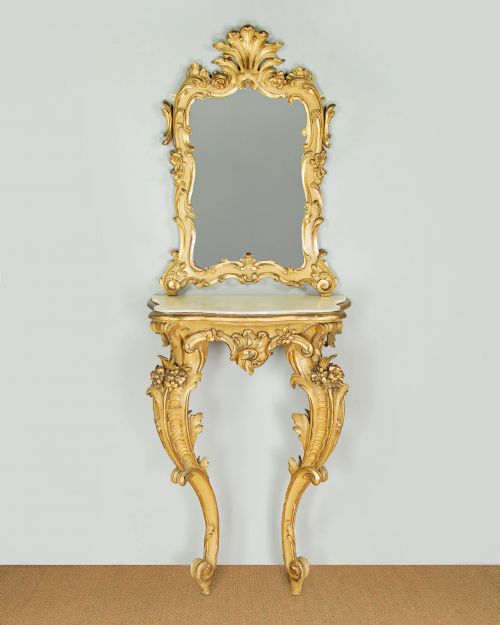
A gold gilt hall mirror serves as a primary decorative anchor for an entranceway, combining reflective glass with ornate framing. When searching for a gold gilt hall mirror, buyers encounter numerous forms spanning the nineteenth century, including pier mirrors, overmantels, and console table combinations.
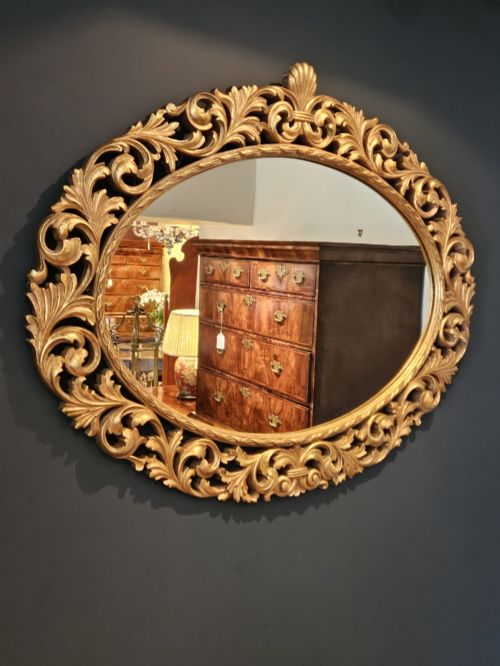
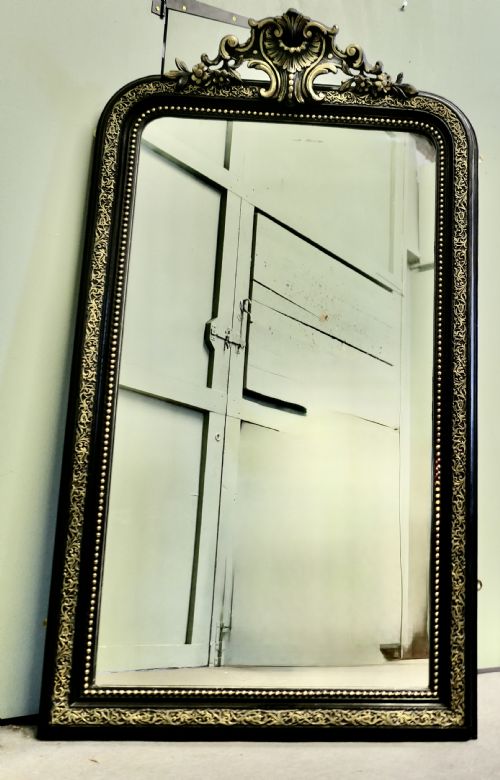
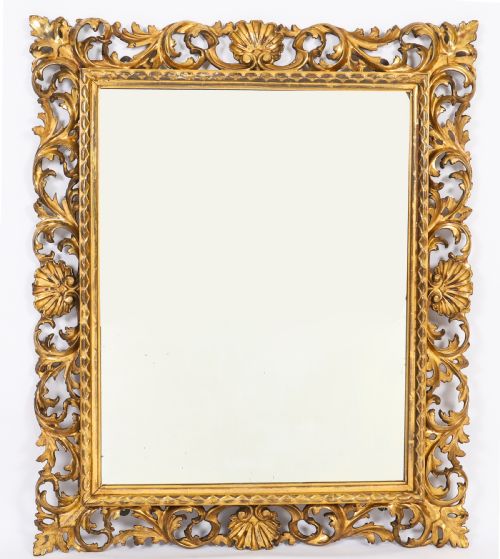
The selection ranges from restrained Regency designs to exuberant Rococo Revival frames carved with scrolls and flowers. Many pieces reflect French influence, particularly through Louis Philippe and Napoleon III styles, alongside Italian Florentine work.
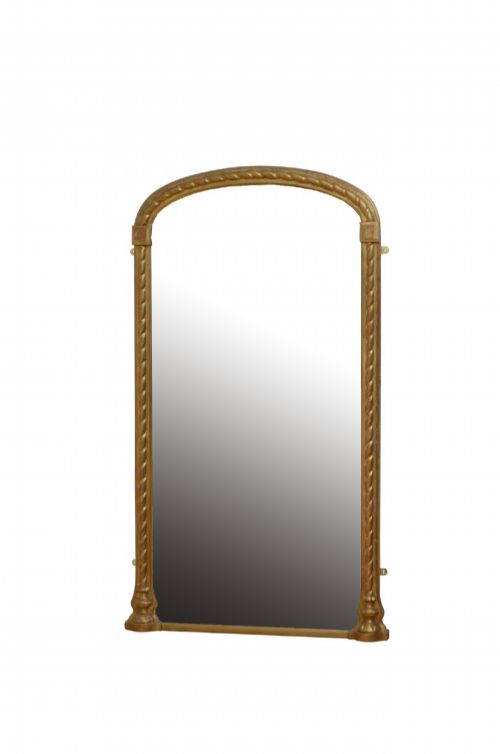
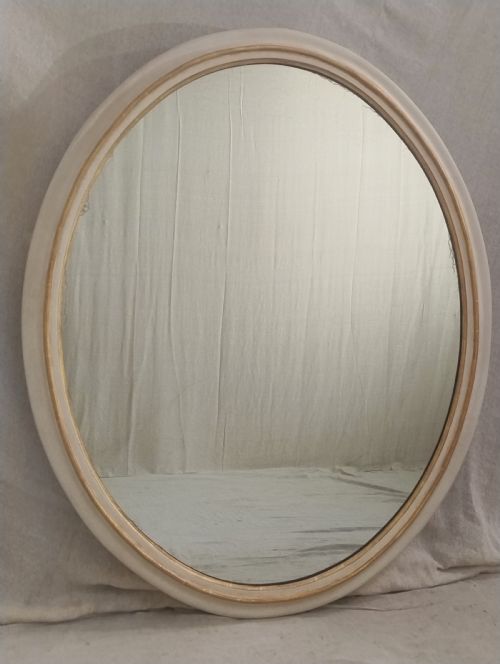
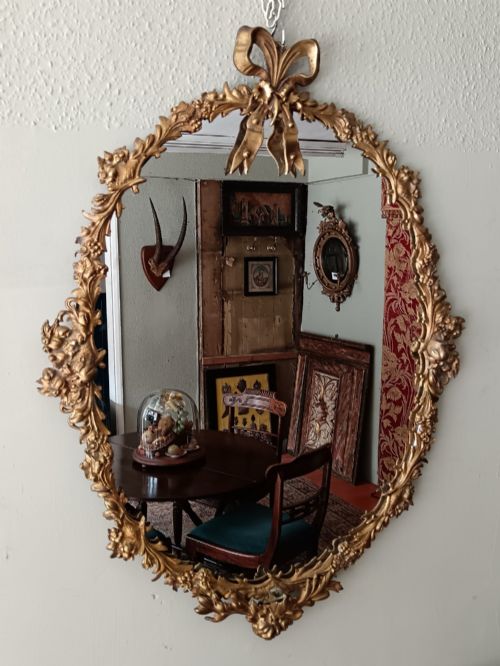
Tall pier mirrors and grand oval shapes dominate the offerings, often designed to hang above console tables or stand against narrow wall spaces. These items derive from Georgian, Victorian, and later periods, utilising traditional proportions to brighten transitional spaces.
How they were made
Frames rely upon carved timber, wood and gesso, or solid giltwood as a foundation for decorative ornamentation. Artisans applied gold leaf or applied gilding over preparation layers, sometimes integrating ebonised wood or parcel gilt details for contrast.
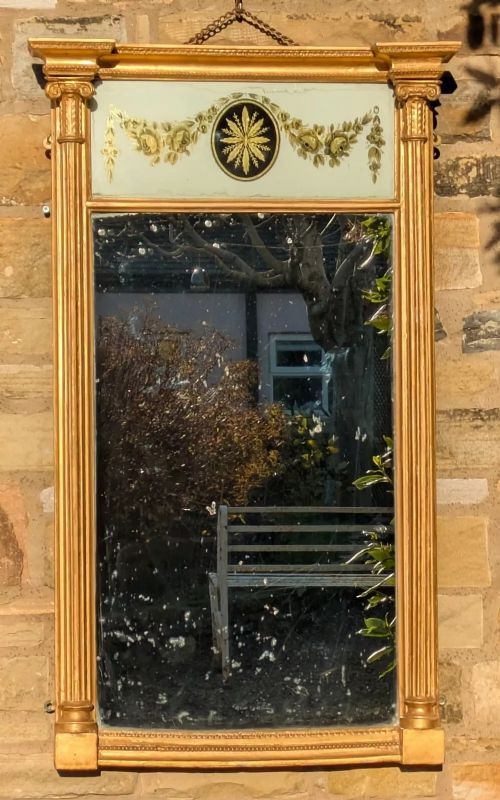
Complex motifs such as rope twists, cartouches, and ribbon crests were hand-carved directly into the timber or moulded in gesso. Many examples incorporate original bevelled glass or specialised elements like verre eglomise panels.
What varies in quality
Depth and crispness of the carving distinguish finer frames from simpler production, particularly where gesso ornaments meet the underlying wood. The integrity of the gilding, whether gold leaf or traditional preparation, dictates how the surface catches light over decades.
Proportion and scale play a crucial role in perceived merit, where harmonious sightlines between the glass plate and the surrounding frame elevate the piece. The survival of original components, such as bevelled mirror glass or glass panels, alters the character of the object.
The Gold Gilt Hall Mirror Glossary
- Giltwood
- Wood that has been coated with gold leaf or a gold-coloured metallic finish. This material forms the primary structure of many traditional frames.
- Gesso
- A plaster-like mixture applied to wood frames to create a smooth surface for gilding and low-relief carving. It allows intricate decorative details to be moulded onto the structure.
- Pier Mirror
- A tall, narrow mirror specifically designed to hang on the wall space between two windows, often paired with a console table below.
- Verre Eglomise
- A cold decoration technique where design is applied to the reverse of glass using gold or silver leaf and pigment. This creates a reflective, decorative panel often seen in upper sections of mirrors.
- Parcel Gilt
- A finishing method where only specific parts of an object are gilded, leaving other areas like exposed mahogany or ebonised wood visible.
Gold Gilt Hall Mirror: Frequently Asked Questions
Where should I hang a hall mirror?
These mirrors suit narrow entrance spaces, vestibules, or transitional hallways where they can bounce natural light from adjacent rooms.
Position them at eye level or mount them directly above a console table to create a balanced focal point upon entering the home.
How do I identify a Victorian gilt mirror?
Victorian examples often feature heavy gesso ornamentation, floral carvings, and deep frames influenced by Rococo Revival or classical styles.
Look for robust timber construction beneath the gilding, alongside period-specific proportions designed for nineteenth-century domestic interiors.
Can these mirrors stand on the floor?
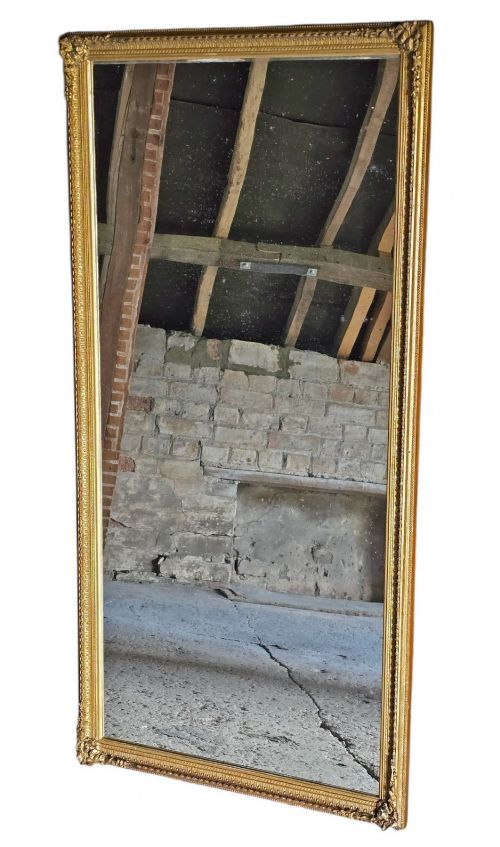
Certain larger formats, such as leaner mirrors or full-length floor mirrors, are constructed to rest against a wall rather than hang.
Heavier frames benefit from additional wall anchoring for stability while retaining their intended leaning posture.