

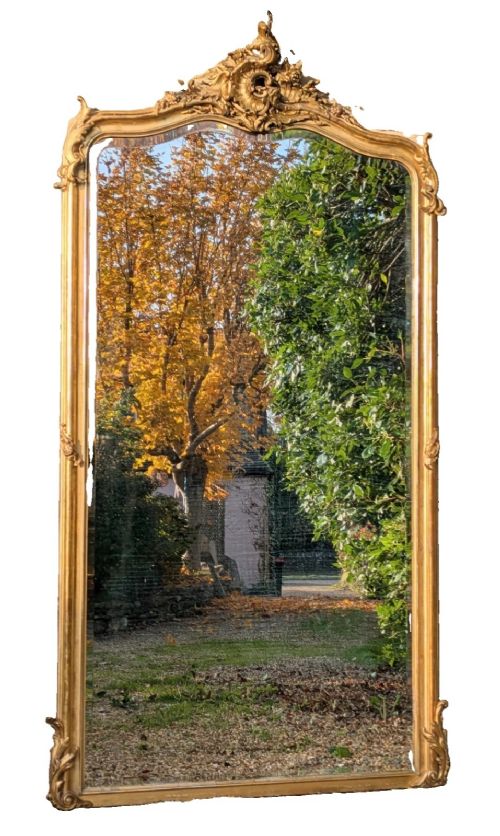
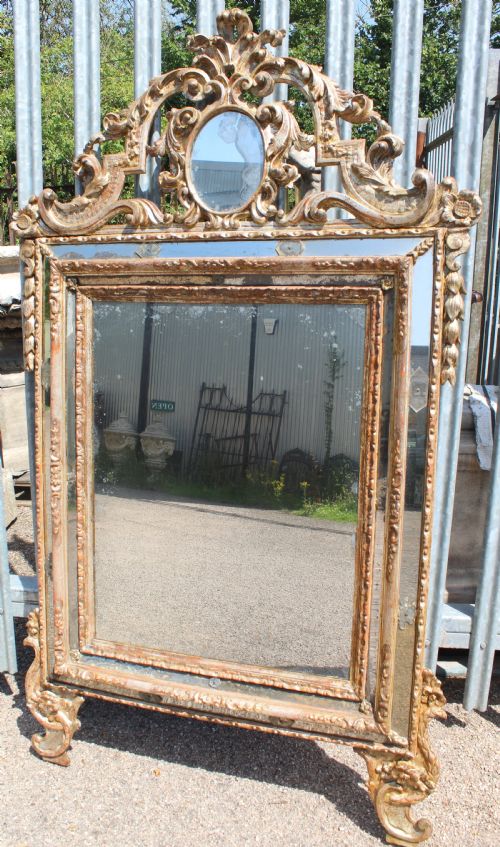
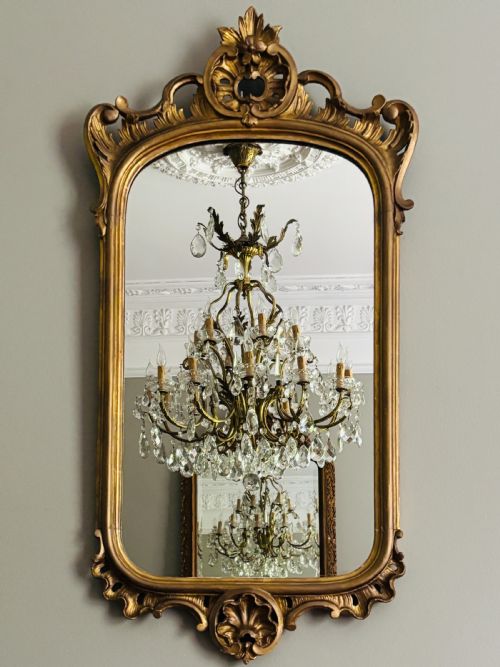
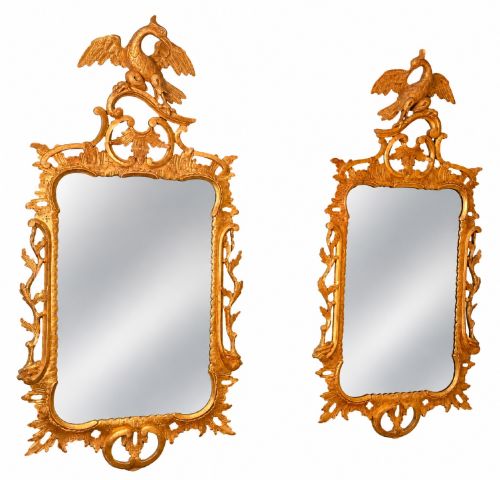
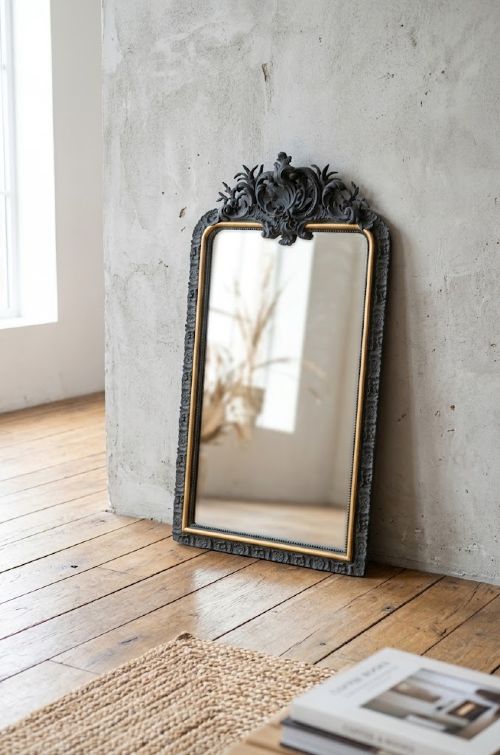
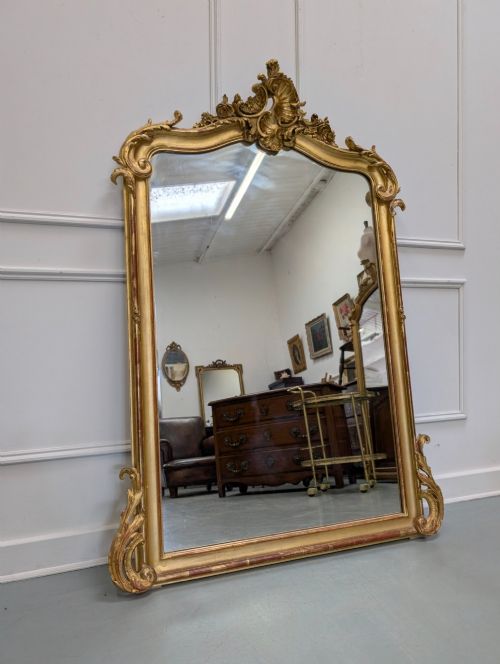
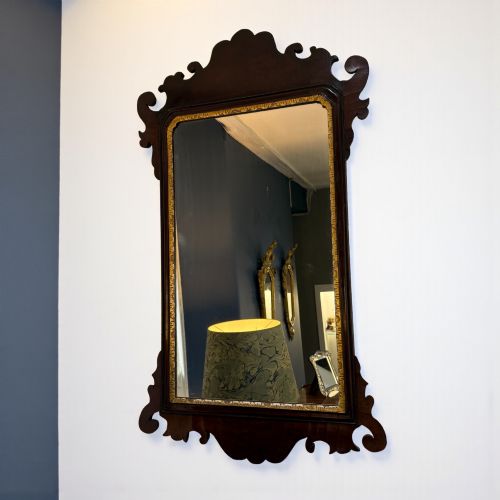
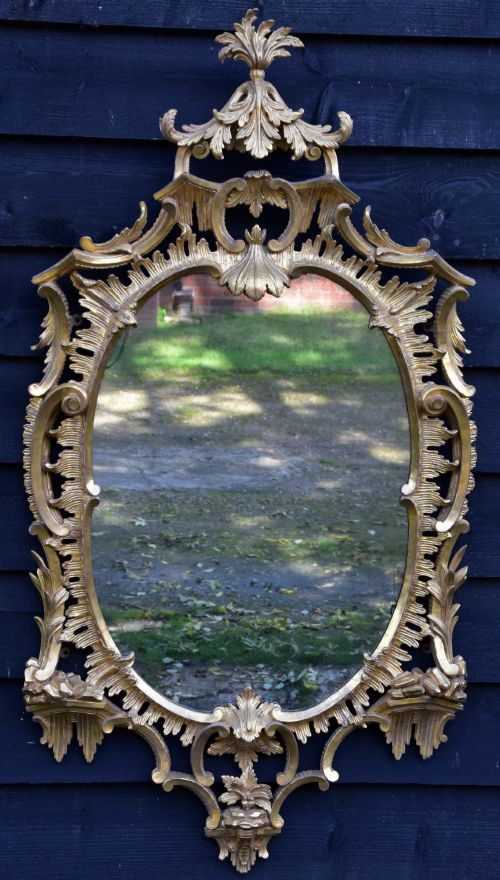
Carved Wood Pier Glass
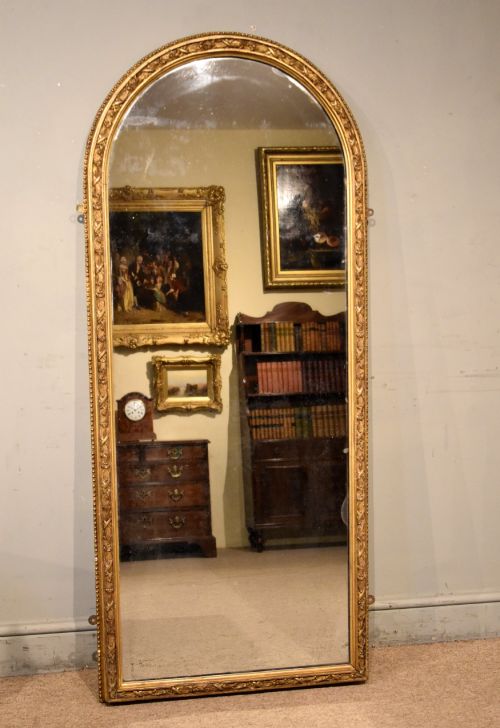
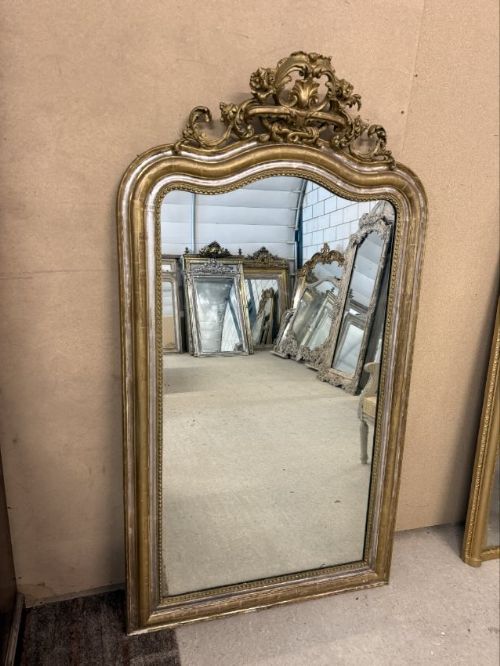
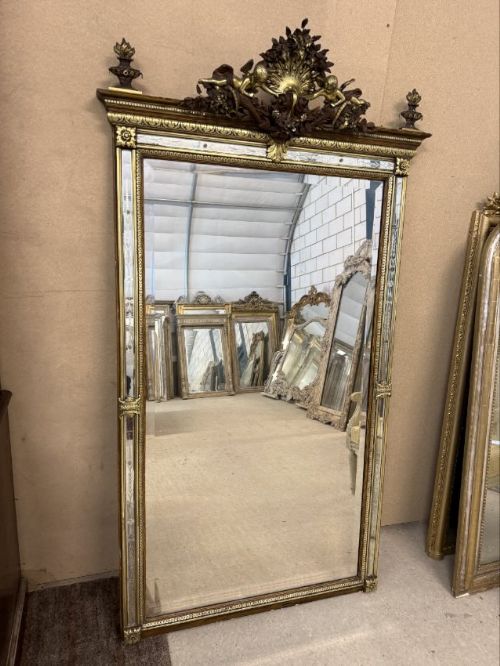
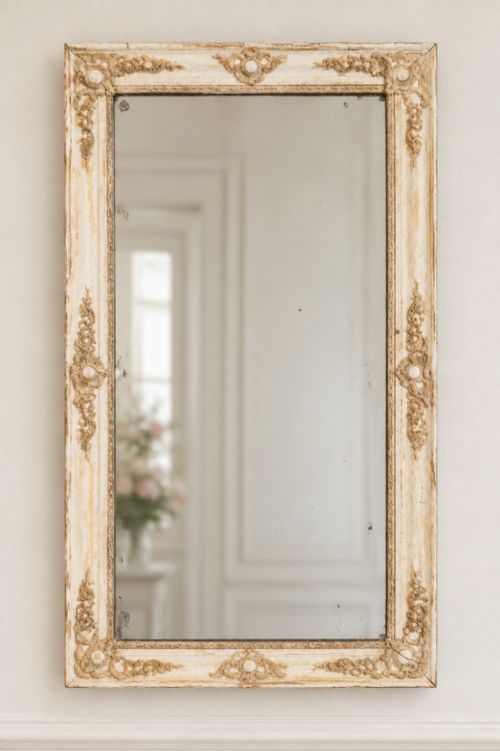
Carved wood pier glass mirrors bring monumental presence to a room, hung between windows or above console tables.
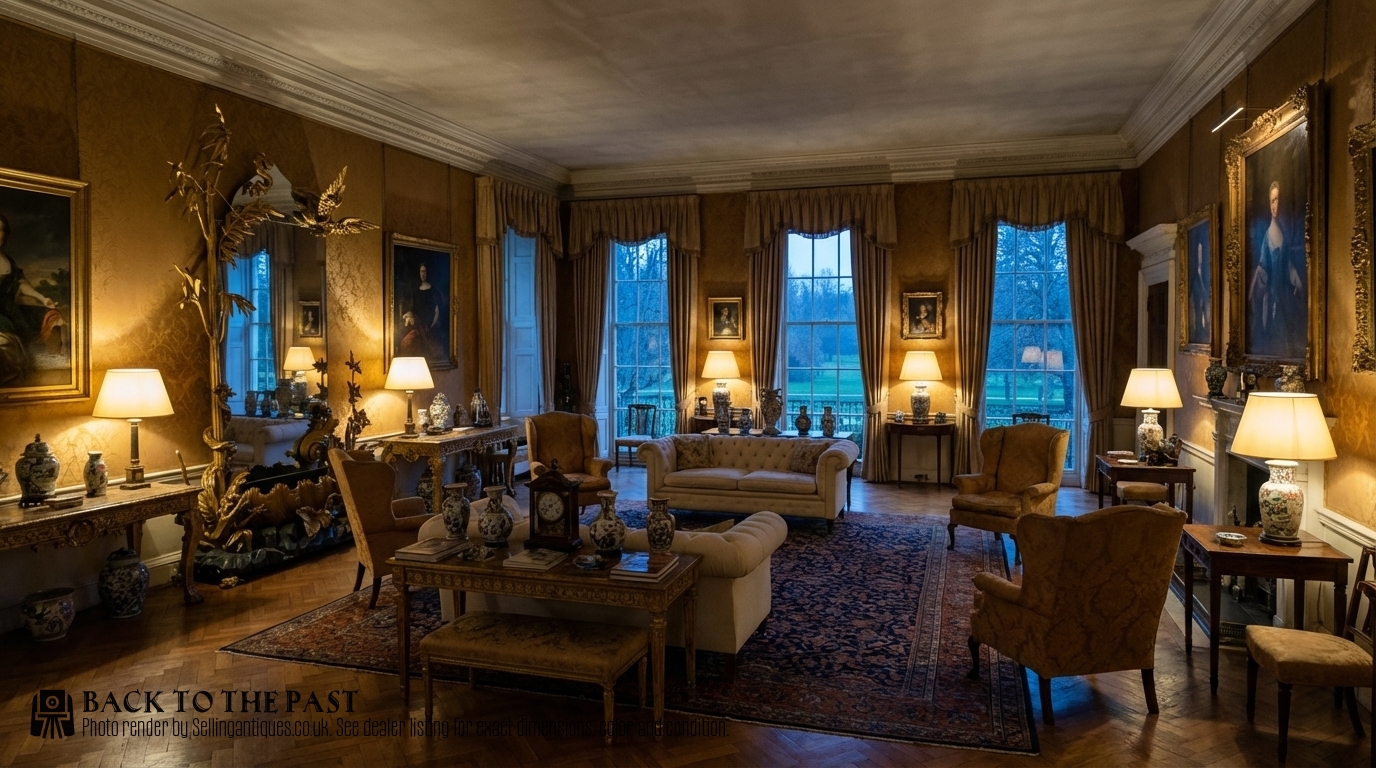
Carved Wood Pier Glass
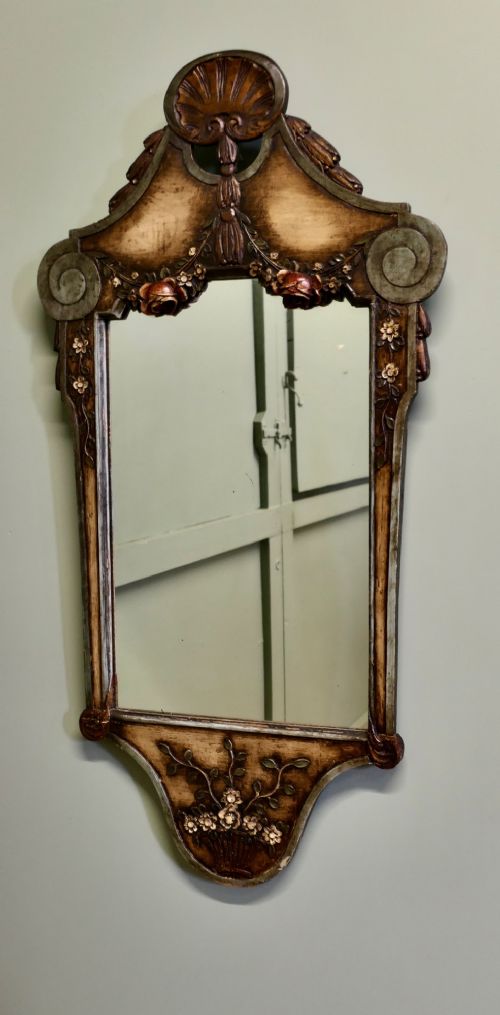
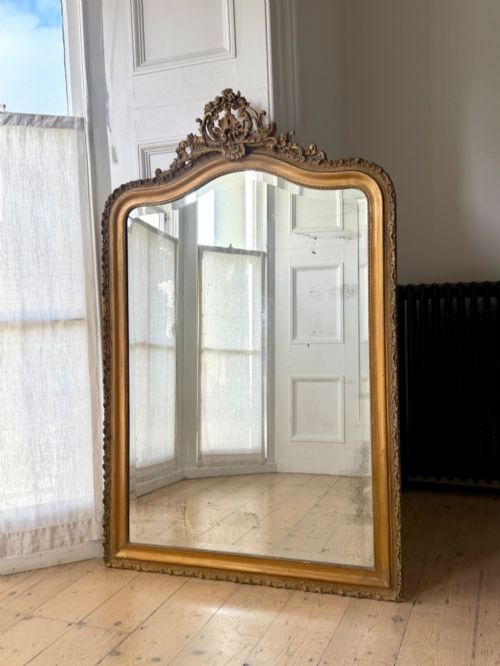
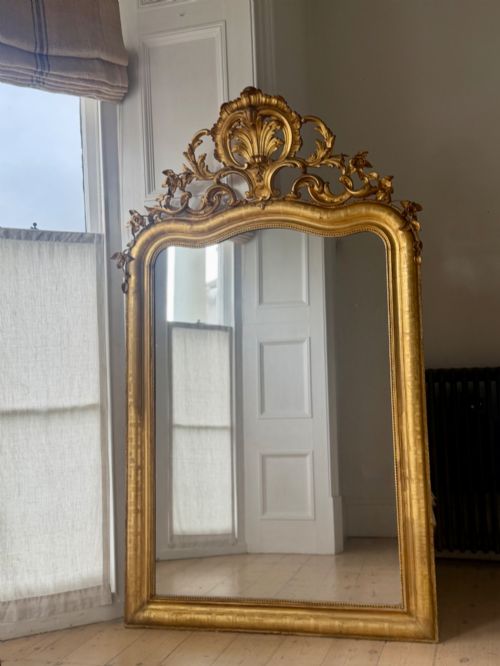
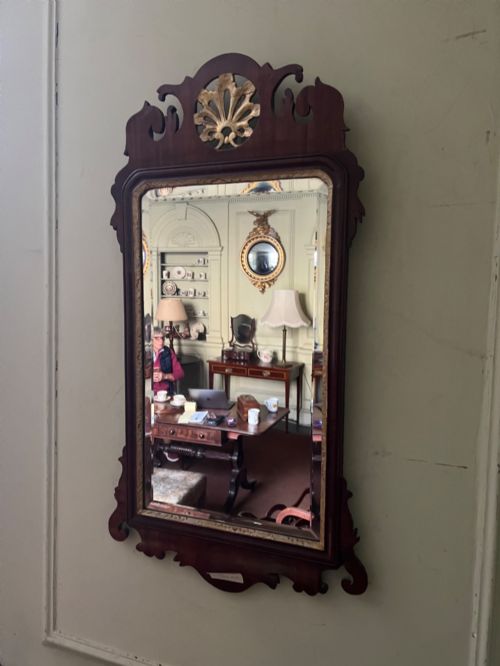
A carved wood pier glass is a tall vertical wall mirror designed originally to hang on the masonry pier between two windows. Buyers find examples spanning the eighteenth and nineteenth centuries, taking forms from George II and George III periods through to French Rococo Revival and Italian workshops.
The most common pieces on this page are nineteenth century French and Italian giltwood wall mirrors alongside eighteenth century walnut and mahogany frames. These range from substantial console table combinations to ebonized, painted, and architectural trumeau formats.
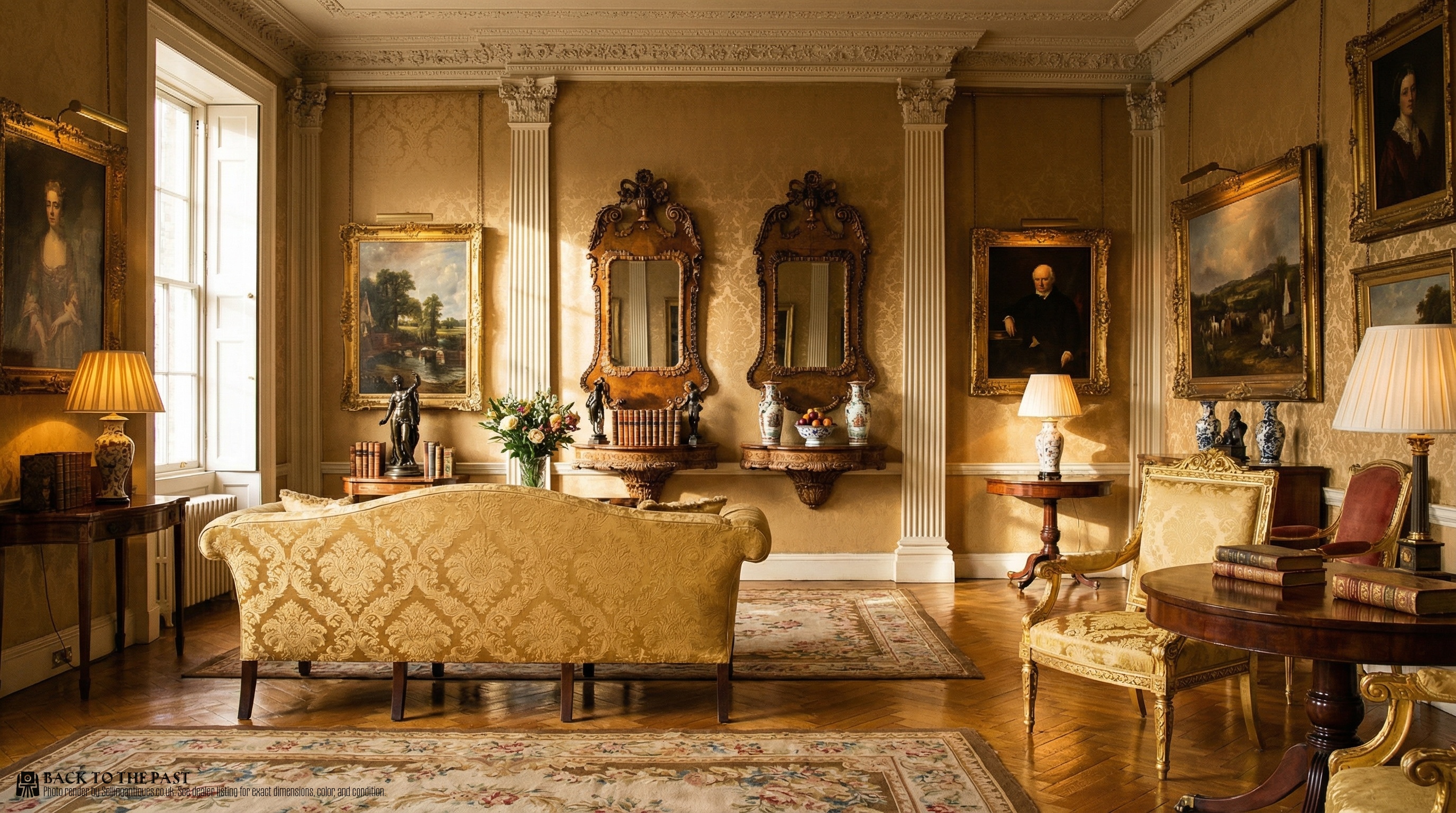
Materials and construction
Carpenters shaped frames from foundational timbers like mahogany, walnut, and softer woods before applying layers of gesso to receive intricate hand carving. Gilders then laid gold leaf over the prepared surfaces or applied silver leaf and paint finishes.
Mirrors utilised silvered mercury glass or early plate glass, often displaying natural foxing and ageing across centuries. Joinery relied on period pegging and secure backing boards to support the considerable weight of heavy glass plates.
Carved Wood Pier Glass Retail Price Guide 2026
Typical asking prices for carved wood pier glass among the pieces listed under this phrase on Sellingantiques today, from the lower quarter to the upper quarter. They describe what is for sale here now, not the wider market.
Listings feature walnut, mahogany, and giltwood frames spanning the Georgian, Victorian, and Edwardian periods.
Assessing quality in frames and glass
Quality rests in the depth and crispness of the hand carving, where superior pieces exhibit undercut relief rather than shallow moulding. The integrity of the original gesso and gilding layers dictates the visual weight of the frame.
Original mirror plates retain historical character through subtle imperfections and foxing, whilst replacement glass alters the ambient reflection. The balance of proportions between the frame width and the reflective surface separates standard decorative mirrors from exceptional examples.
Gillows Of Lancaster·John Belchier
The Carved Wood Pier Glass Glossary
- Pier glass
- A tall mirror designed specifically for placement on the wall space between windows. These pieces frequently match console tables placed directly beneath them.
- Giltwood
- Timber coated with fine gold leaf applied over a prepared gesso ground. This technique creates a luminous surface that catches natural daylight.
- Gesso
- A plaster mixture applied to wood frames to provide a smooth base for carving and gilding. Artisans model fine details directly into this pliable medium.
- Foxing
- Age-related spots and discoloration appearing within the silver backing of old mirror glass. Collectors value genuine foxing as proof of considerable age.
- Parcel gilt
- A decorative finish combining painted or polished wood surfaces with selectively gilded highlights. This highlights specific carved details on walnut and mahogany frames.
Carved Wood Pier Glass: Frequently Asked Questions
Where should I hang a pier glass?
These tall mirrors suit narrow wall spaces between tall windows, echoing their original architectural placement. They also function effectively above mantlepieces or console tables in principal reception rooms.
Ensure the wall construction supports substantial weight, as period frames incorporating thick timber and heavy glass plates require robust fixings.
How do I identify an 18th century mirror?
Eighteenth century examples typically display dense secondary timbers behind the frame, hand-cut screws, and deep walnut or mahogany patination. Carving styles adhere to distinct Georgian or Regency design idioms.
Glass plates in these pieces often show characteristic distortion and heavy foxing, distinguishing them from later nineteenth century reproductions.
Are these mirrors suitable for daily use?
Period mirrors function well for daily reflection, though historic glass provides a softer, less clinical image than modern float glass. Their robust wooden construction ensures they remain stable for everyday domestic environments.
Position them away from direct moisture sources to protect delicate gesso and gold leaf finishes from unnecessary deterioration.
What is a trumeau mirror?
A trumeau is an architectural mirror incorporating a painted panel or an oil painting directly into the upper section of the wooden frame. Originating largely in France, these pieces combine wall decoration with reflective glass in a single vertical unit.
They bring considerable decorative presence to salons and dining spaces, functioning as integrated wall panelling.