
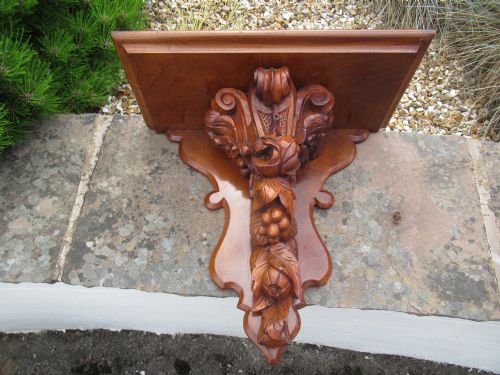
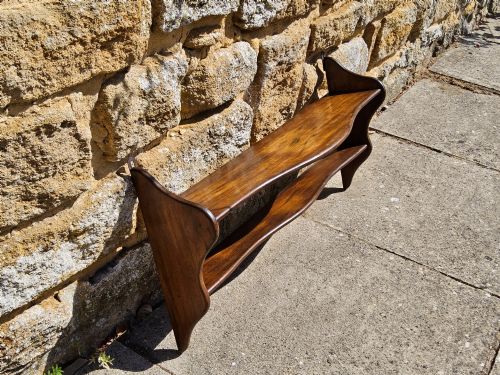
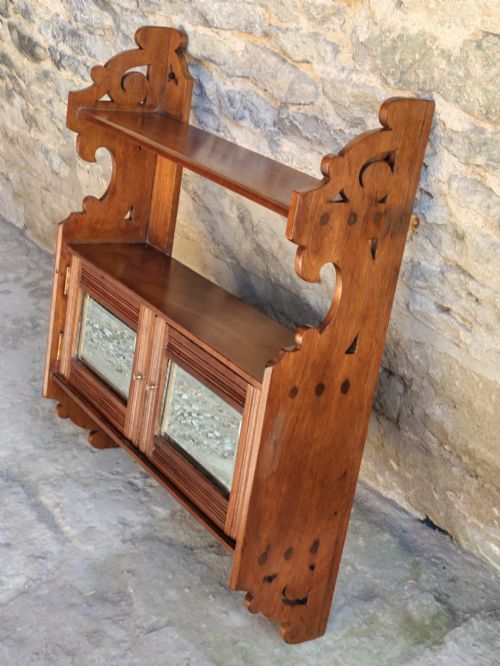


Carved Walnut Wall Shelves
Carved walnut wall shelves are timber display ledges shaped by chisel and lathe, offering collectors rich grain and historic wall presence.
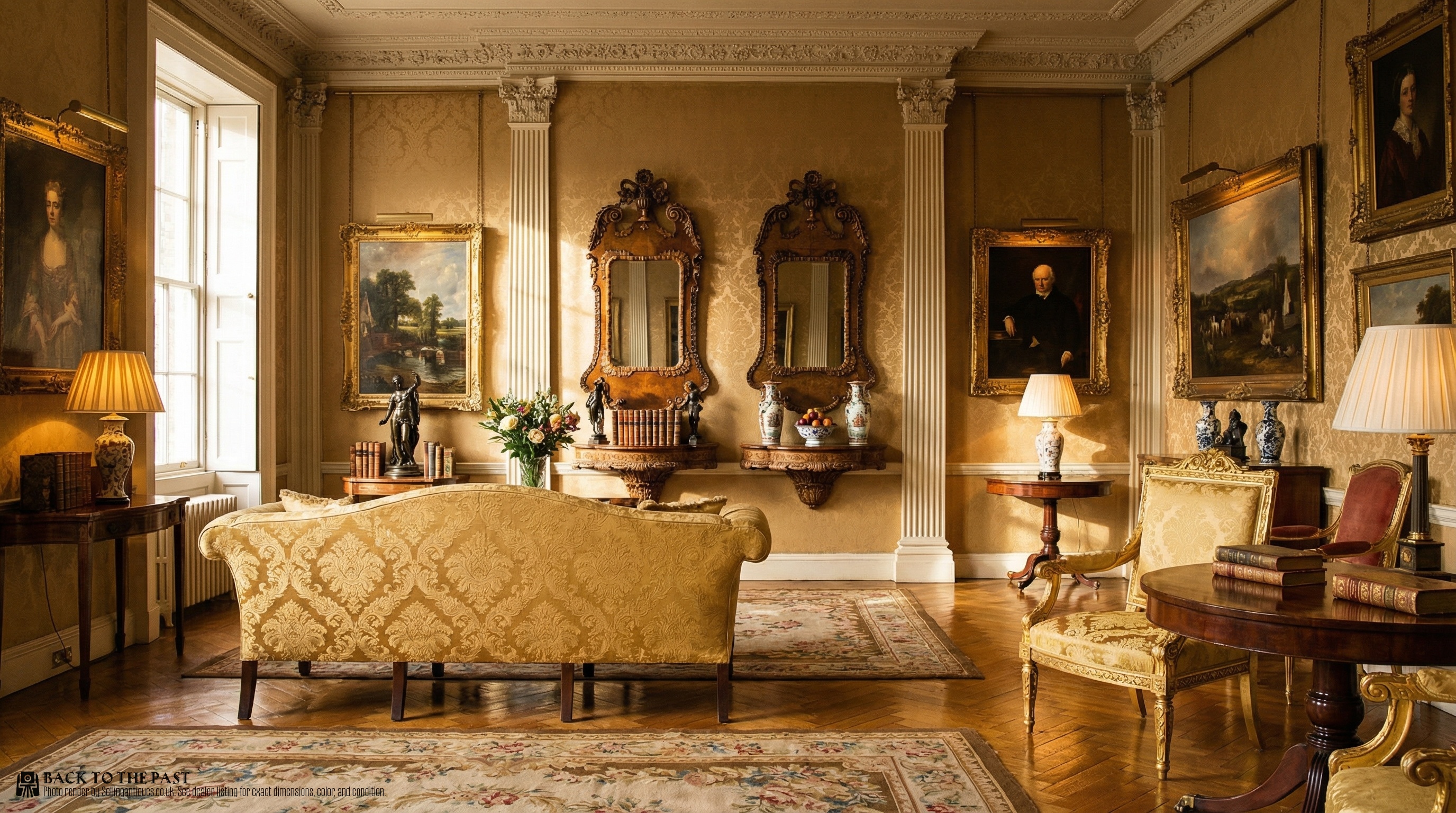
Carved Walnut Wall Shelves
Carved walnut wall shelves encompass wall brackets, hanging cabinets, and console tables fashioned predominantly during the nineteenth century, Victorian, and Edwardian eras. These pieces serve as functional display ledges for smaller objects, bringing distinct architectural depth to domestic walls.
The selection on this page ranges from simple nineteenth-century brackets to intricate French and Italianate Revival designs. Buyers encounter everything from modest red walnut corbel supports to elaborate wall cabinets inlaid with mother-of-pearl.
Many items in this category blur the line between pure shelving and compact storage, incorporating mirrored panels, key cabinets, and small cupboards. This variety reflects how nineteenth-century makers adapted walnut timber for both decorative impact and practical utility in hallways and reception rooms.
How they were made
Makers utilised solid walnut and red walnut for its dependable density and rich, dark grain, often enhancing the timber with deep hand-carving. Secondary materials such as glass, brass, and mirror glass appear frequently in pieces that incorporate doors, brackets, or reflective backings.
Techniques range from robust Victorian joinery to delicate fretwork and surface inlay using mother-of-pearl. Certain examples feature parcel-gilt highlights applied over carved walnut surfaces, echoing Renaissance Revival and George I revival aesthetics.
One exceptional nineteenth-century piece on record bears the carved signature of master craftsman Luigi Frullini, featuring the devil himself gazing out from the walnut.
What varies in quality
The standard of carving defines the upper tier of these pieces, where crisp undercutting and balanced proportions elevate simple timber ledges into sculptural works. Master carvers brought considerable anatomical precision to figural brackets and foliate scrolls.
Selection of the walnut timber itself creates a marked distinction between items, as richly figured grain patterns and thoughtful matching of veneers command greater visual weight. Integrated details, from bevelled mirror glass to well-fitted brass hardware, further separate standard production work from exceptional craftsmanship.
Connell of London·Luigi Frullini
The Carved Walnut Wall Shelves Glossary
- Walnut
- A dense, dark hardwood prized for its durable qualities and prominent grain patterns. It was the primary medium for nineteenth-century decorative carving.
- Corbel
- A structural bracket projecting from a wall to support a weight above it. In wall shelves, these elements are often heavily carved with scrolls or foliage.
- Pier Glass
- A tall mirror designed to hang on the wall between windows, frequently paired with console tables or brackets beneath.
- Whatnot
- An open set of multi-tiered shelves used for displaying ornaments and small decorative objects. They appear in wall-mounted formats alongside traditional floor-standing versions.
- Parcel-gilt
- Partially gilded with gold leaf or paint to highlight specific carved details against a dark walnut background.
Carved Walnut Wall Shelves: Frequently Asked Questions
How do I secure heavy walnut shelves to the wall?
Most hanging cabinets and heavy brackets rely on sturdy rear mounting points or internal screw holes positioned behind the shelving space. It is essential to anchor these fixtures directly into wall studs or use appropriate heavy-duty fixings suited to the timber weight.
Because walnut is a dense and heavy hardwood, proper weight distribution prevents strain on the original joints and keeps the piece secure against the plaster.
Were these shelves used in specific rooms?
Nineteenth-century interiors utilised these pieces across reception halls, living rooms, and bedrooms. Smaller brackets held clocks or figurines, while mirrored variations served practical roles in hallways for last-minute checks.
Bathroom versions and shaving mirrors with integrated shelves also appear from the Edwardian period, demonstrating how domestic spaces adapted these timber fixtures for daily grooming.
How do I tell Victorian pieces from Edwardian ones?
Victorian walnut shelves generally feature heavier proportions, darker finishes, and deep, elaborate carving influenced by Renaissance Revival or Italianate styles. The decoration tends to be dense, dramatic, and focused on sculptural depth.
Edwardian examples often show lighter construction, sometimes incorporating Art Deco design elements or cleaner lines alongside modest display surfaces. The timber treatment can also appear slightly brighter than the heavy polish seen on earlier nineteenth-century items.
Can these shelves support heavy decorative objects?
While solid walnut construction provides considerable natural strength, the load capacity depends entirely on the integrity of the wall brackets and the mounting method. Lighter brackets are best suited for small ceramics, clocks, or glass items rather than heavy bronze sculptures.
Checking the stability of the joints where the shelf meets the backplate will indicate whether the piece is engineered for display utility or purely decorative impact.