

Victorian Pier Glasses
Victorian pier glasses combine grand scale and gilded presence, designed to hang between windows to reflect light in nineteenth-century interiors.
Victorian Pier Glasses
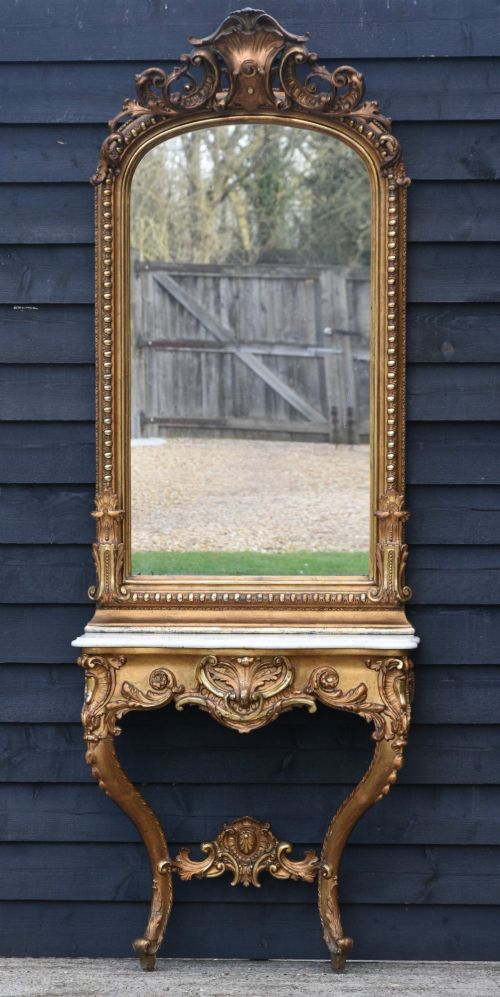
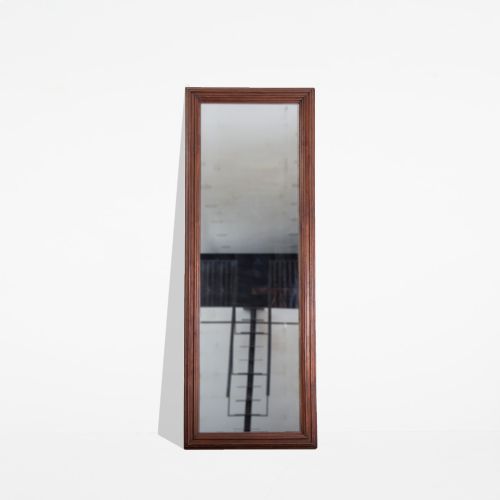
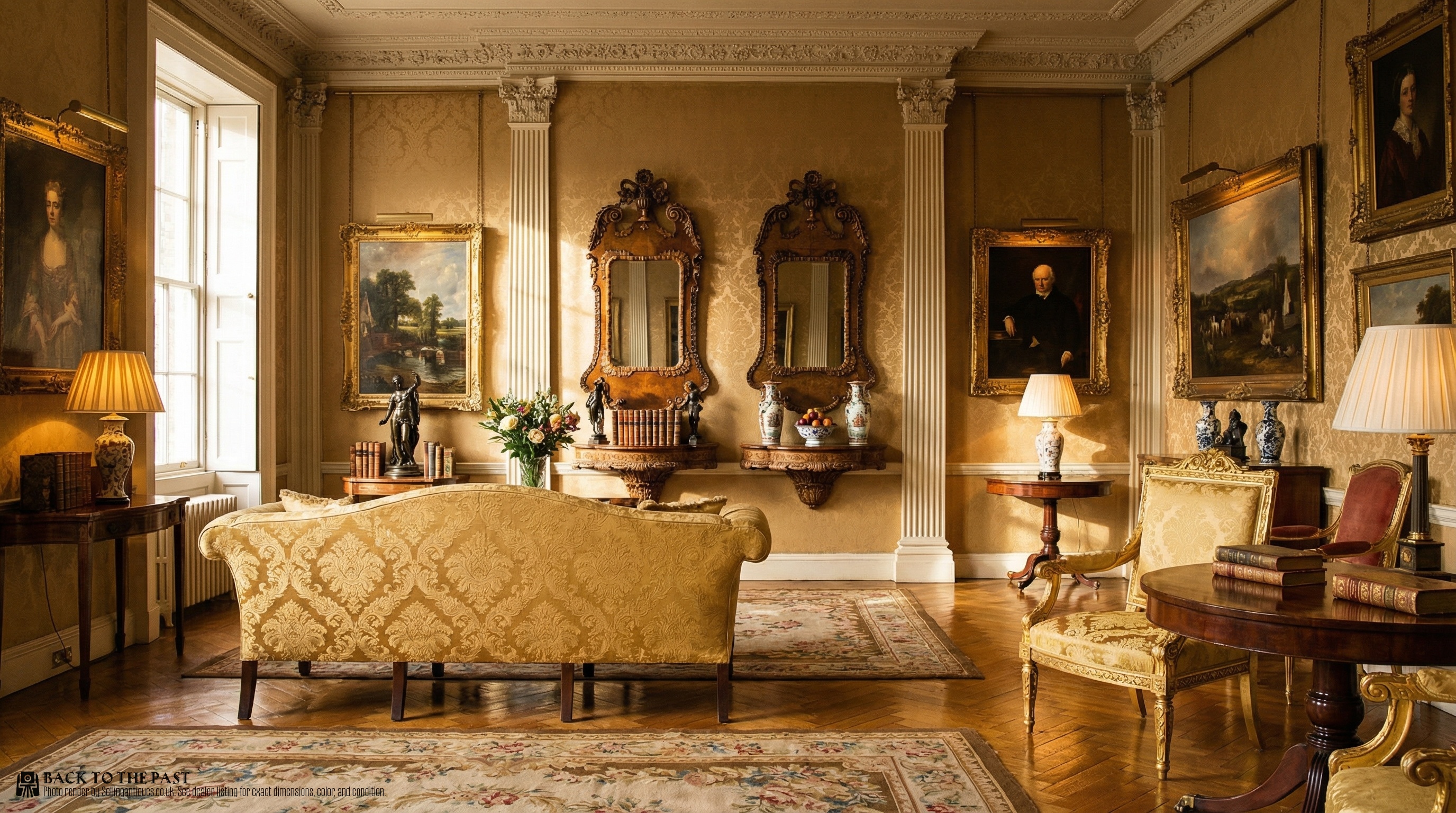
Victorian pier glasses are tall mirrors built to occupy the narrow wall space between windows, frequently accompanied by console tables or matching cabinets. These pieces date across the nineteenth century, including specific decades such as eighteen-fifty, eighteen-sixty, eighteen-seventy, eighteen-eighty, and eighteen-ninety.
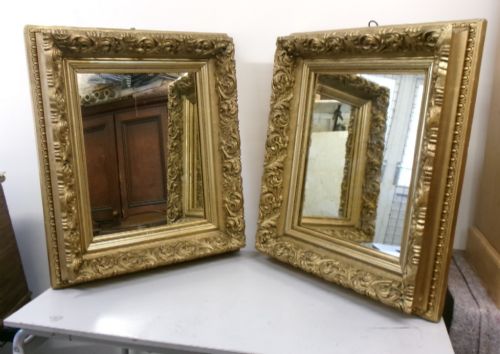
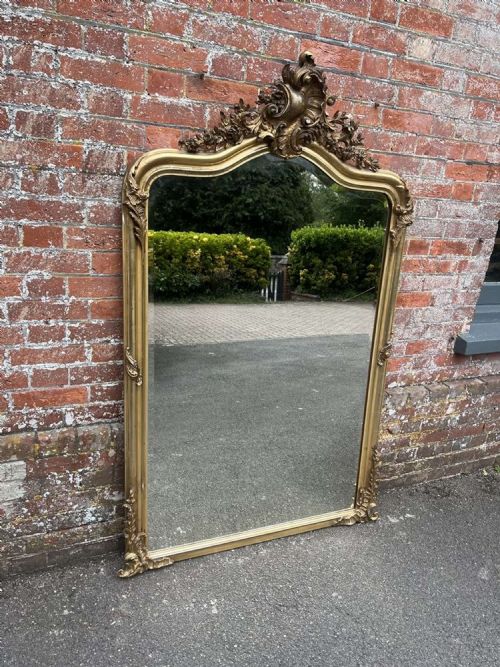
The primary forms appearing here include large carved giltwood frames, console table combinations, and tall wall-hanging mirrors. Many examples draw on revival styles like French Rococo, George II, and Queen Anne, adapting historical ornamentation for Victorian rooms.
Materials and construction
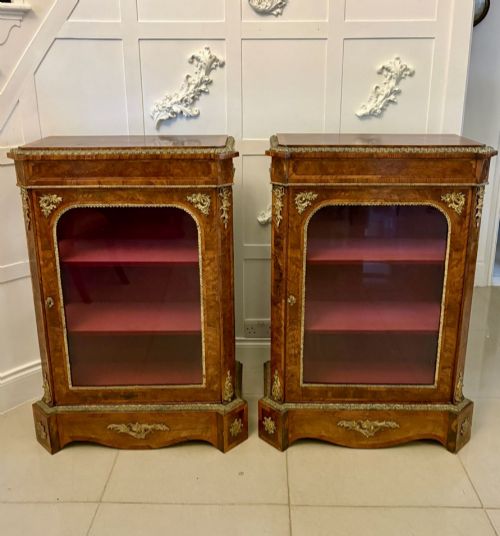
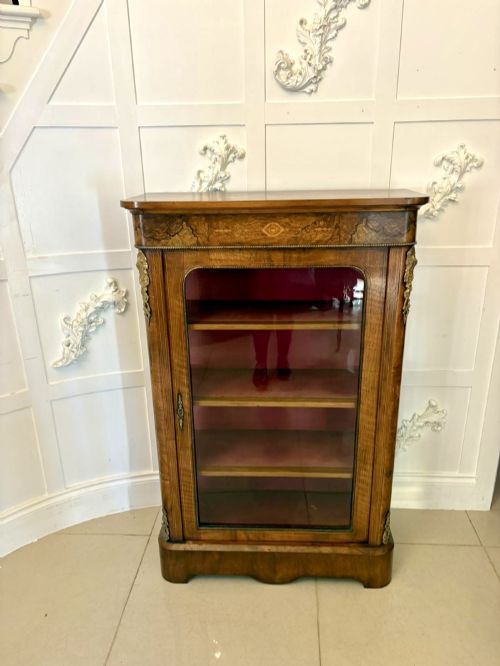
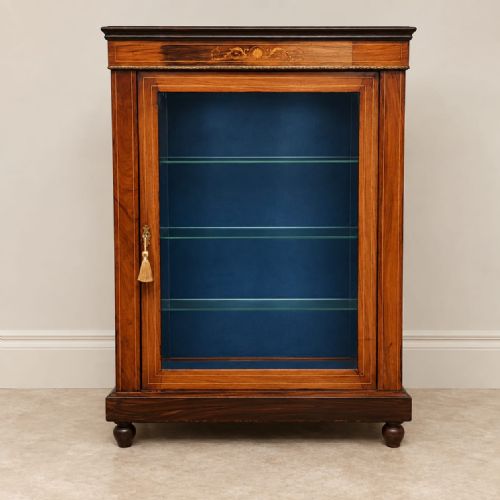
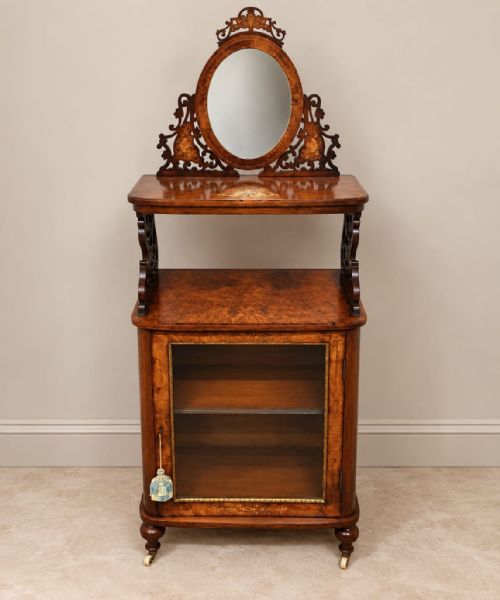
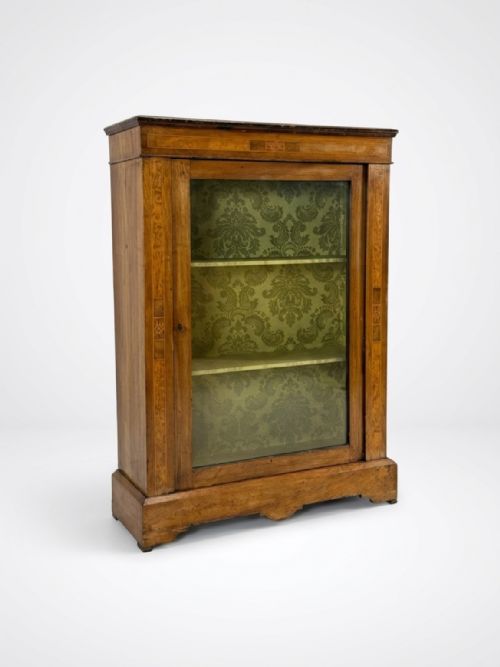
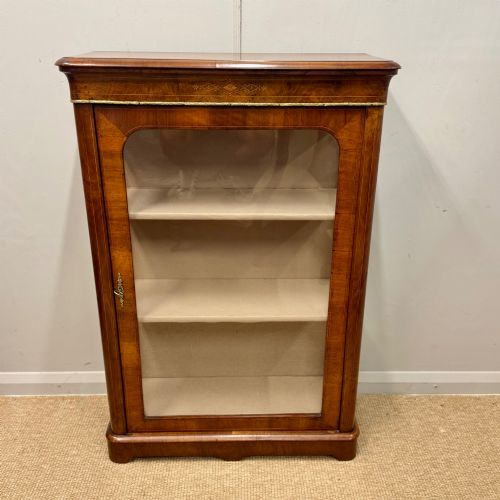
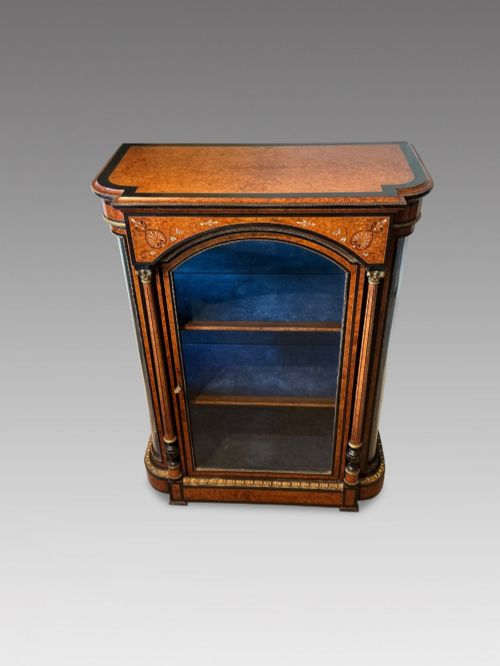
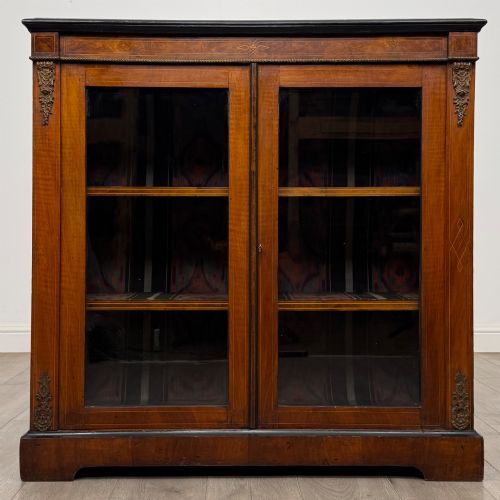
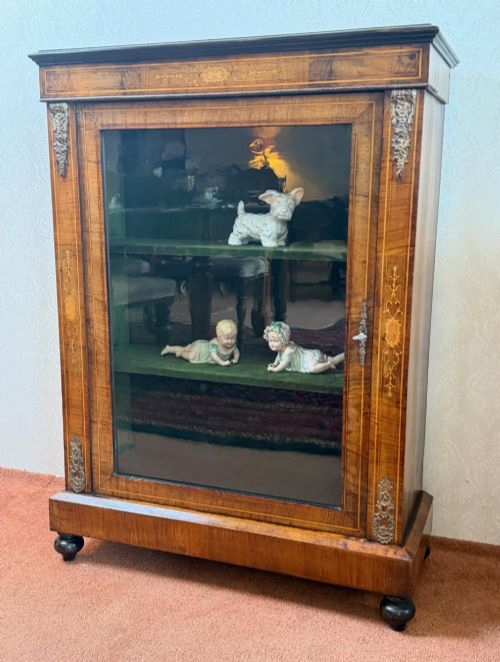
Makers built these frames using giltwood, carved wood and gesso, mahogany, and walnut, often applying ebonisation or parcel-gilt details. Burr walnut veneers and inlay work appear frequently on associated cabinetry.
Metal components such as brass and ormolu mounts provide structural accents and decorative trim on paired cabinets and console supports.
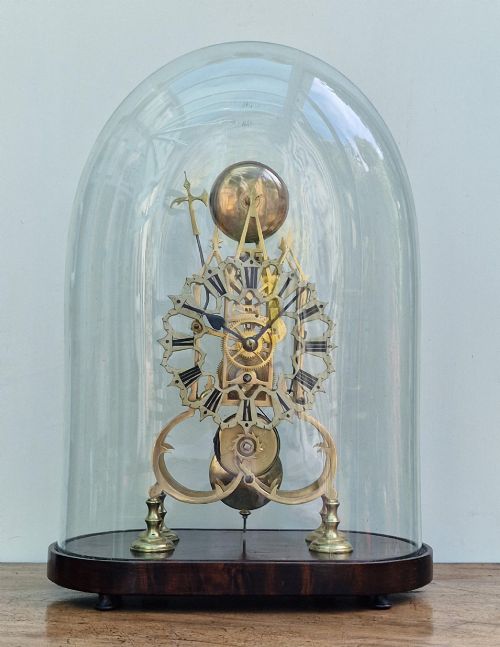
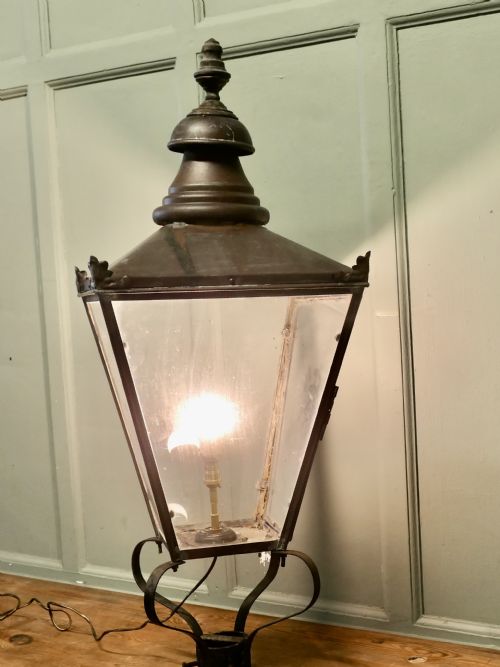
One unexpected clock managed to wander into a gathering of tall mirrors and walnut cabinets.
Distinctions in quality
The degree of refinement in the carved wood and gesso ornamentation determines much of the visual impact in gilt frames. Deep relief work and crisp details separate ambitious pieces from simpler production.
Cabinet variations depend upon the selection of burr walnut veneers, precision of inlay patterns, and the integration of ormolu mounts alongside glass panels.
The Victorian Pier Glasses Glossary
- Pier glass
- A tall mirror designed specifically for the wall space between two windows. It often stands above a matching console table or pier cabinet.
- Giltwood
- Timber coated with gold leaf or a gold-coloured finish. This technique creates the bright reflective surfaces seen on nineteenth-century frames.
- Gesso
- A plaster-based mixture applied to wood frames before gilding. Carvers model details directly into this ground layer.
- Ormolu
- Cast brass that has been mercury-gilded or given a bright gold-coloured metallic finish. It serves as decorative mounts on furniture.
- Burr walnut
- Wood taken from the growth excrescences of walnut trees, displaying intricate swirling grain patterns. Cabinet makers prized this material for veneering prominent surfaces.
Victorian Pier Glasses: Frequently Asked Questions
Where were pier glasses placed in houses?
These mirrors hung on the narrow wall section situated directly between two windows. This positioning maximised natural daylight in Victorian reception rooms.
They frequently stood directly above low console tables or pier cabinets built for the same specific architectural gap.
How do I identify a Victorian pier glass?
Examine the proportions and the frame materials, which typically include nineteenth-century giltwood, mahogany, or walnut. Many incorporate revival styles such as French Rococo or George II ornamentation.
Check for period construction methods in the timber backing and the characteristics of the mirror plate itself.
What is the difference between a pier glass and an overmantel mirror?
Pier glasses are typically taller and narrower to fit the wall space between windows. Overmantel mirrors are proportioned horizontally to sit above a fireplace mantel.
While both utilise nineteenth-century giltwood and carved frames, their original architectural functions dictate their dimensions.
Did these mirrors come with matching furniture?
Many pier glasses formed part of suite combinations that included console tables or side cabinets placed beneath them. These matched sets shared wood types like burr walnut and decorative elements such as ormolu mounts.
Surviving pairs and matched groupings reflect coordinated nineteenth-century interior furnishing schemes.