

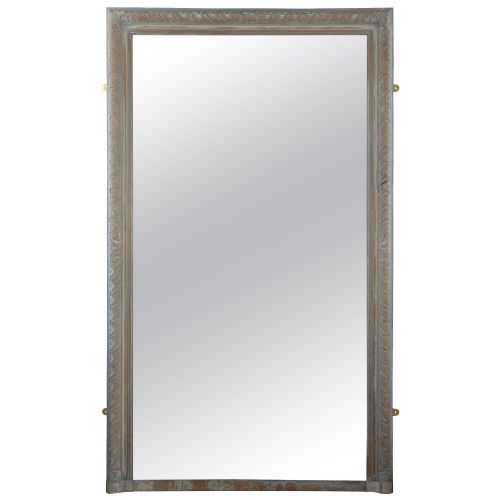
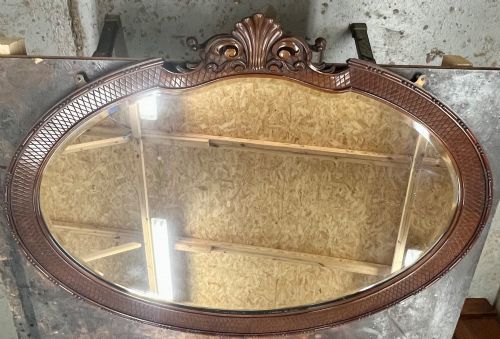

Large Hallway Mirror
A large antique hallway mirror brings depth, light and presence to an entrance, grounding the room from the moment the door opens.
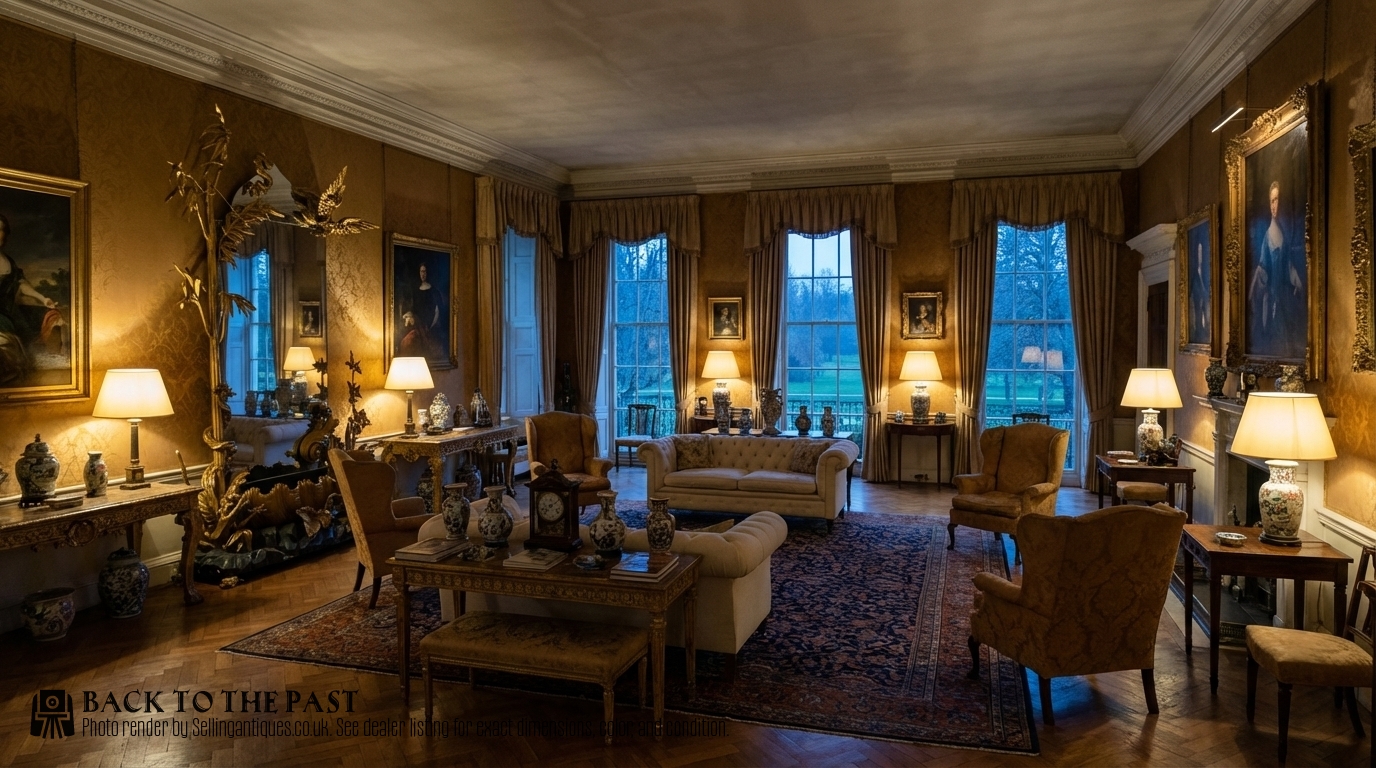
Large Hallway Mirror
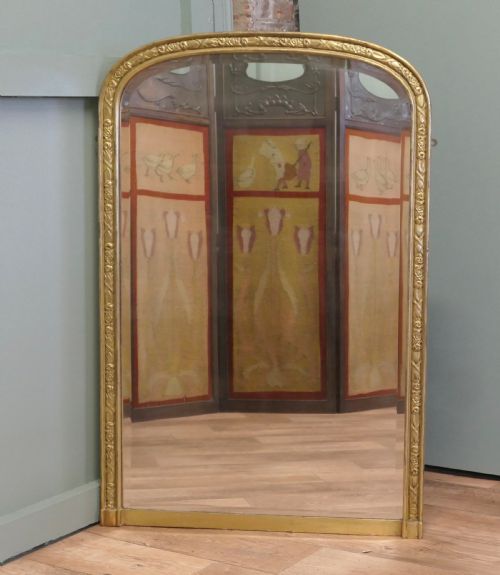
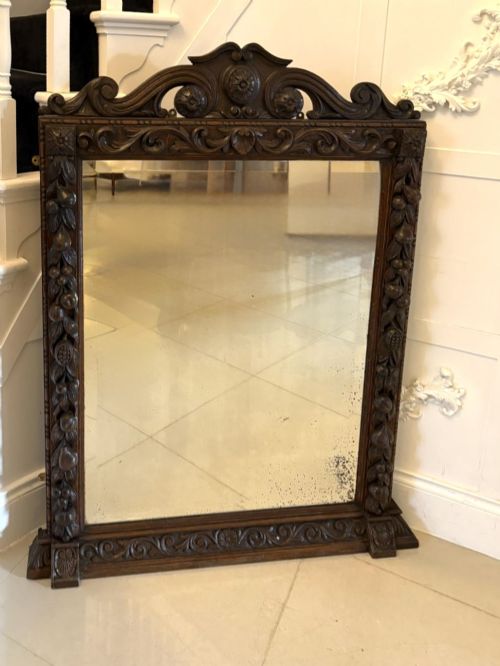
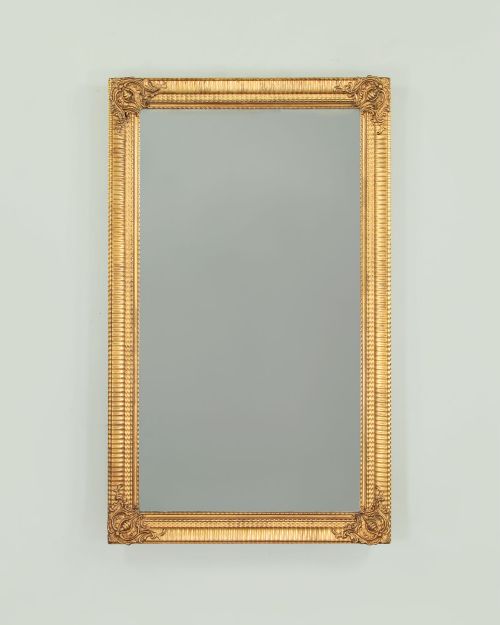
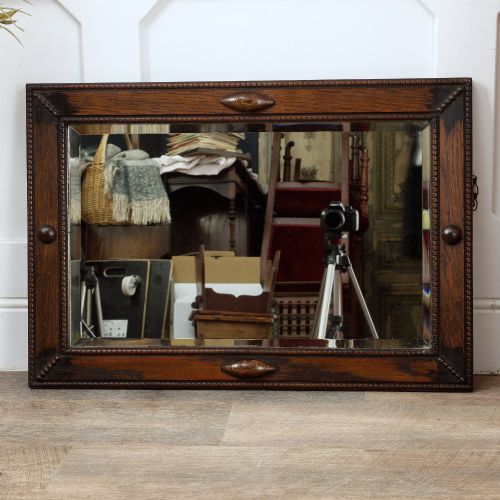
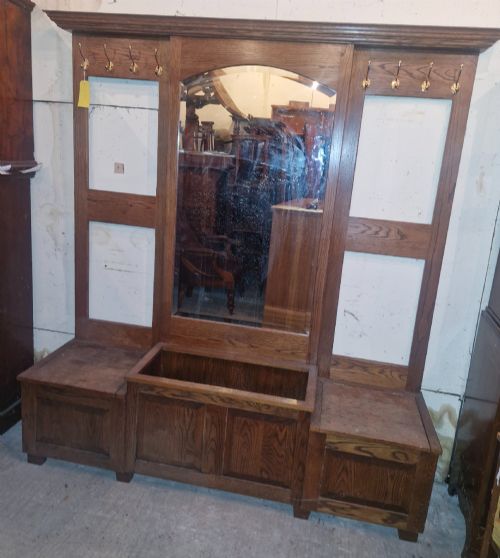
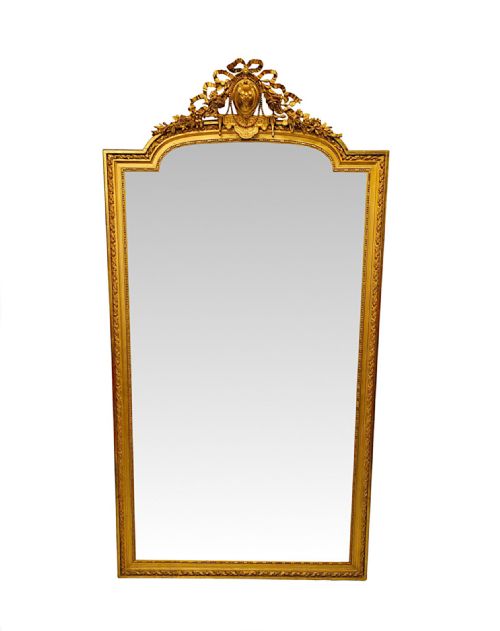
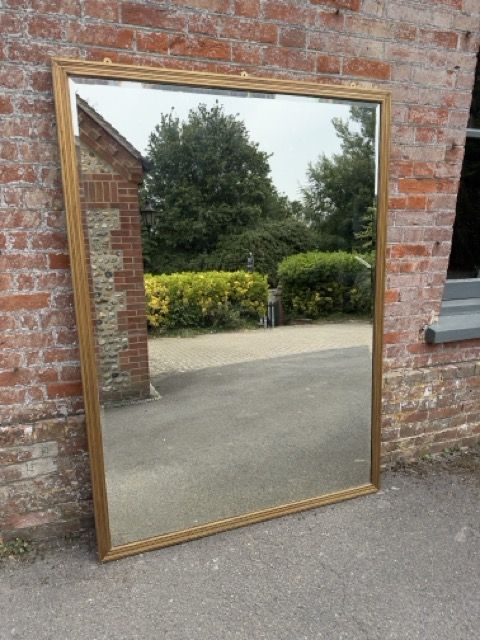
A large antique hallway mirror serves as both a practical glass for checking attire and a grand architectural anchor for an entrance hall. When you search for a large antique hallway mirror, you encounter pieces originating from the Georgian period through to the mid-twentieth century, encompassing wall mirrors, pier glasses, and integrated hall stands.
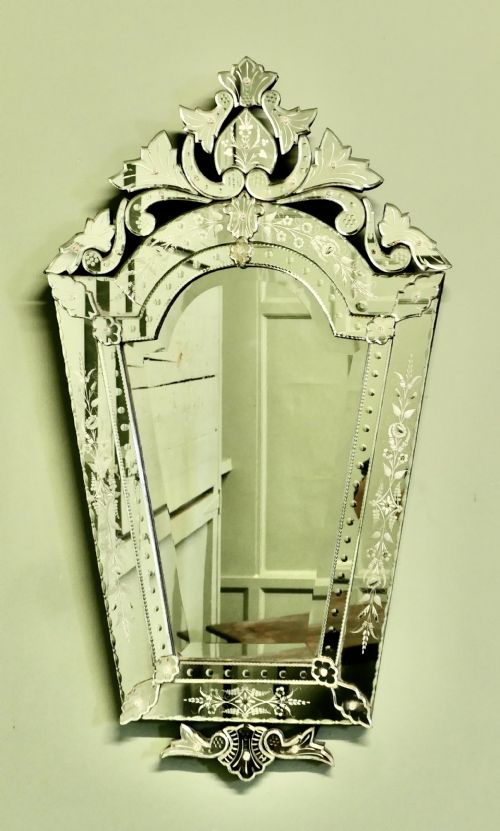
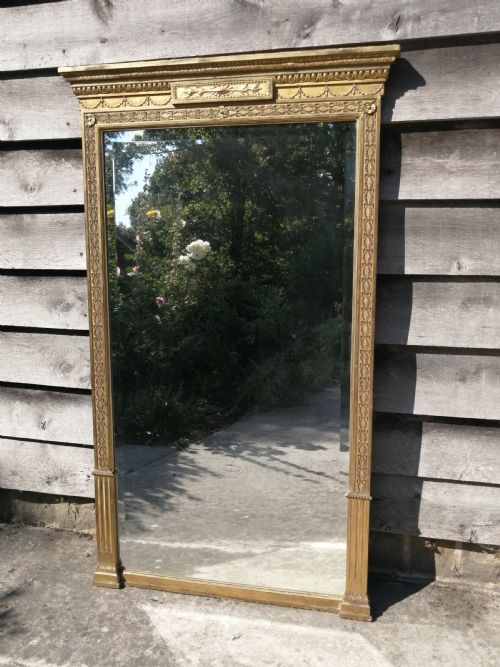
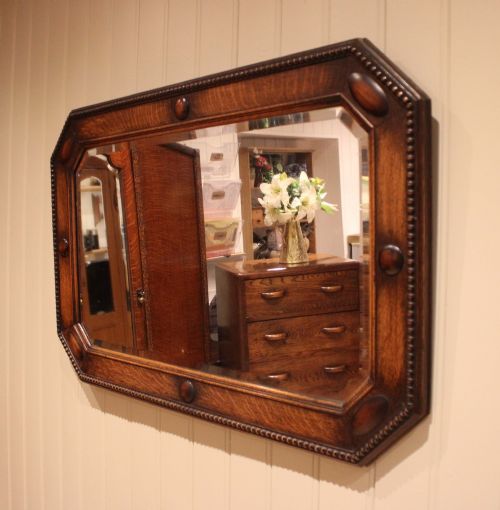
The selections span distinct stylistic revivals and vernacular traditions, including Victorian carved oak frames, Regency giltwood pier glasses, and Art Deco Venetian plates. Oak, mahogany, walnut, and gilt gesso dominate the forms, offering a substantial presence suited to tall spaces and narrow corridors alike.
How they were made
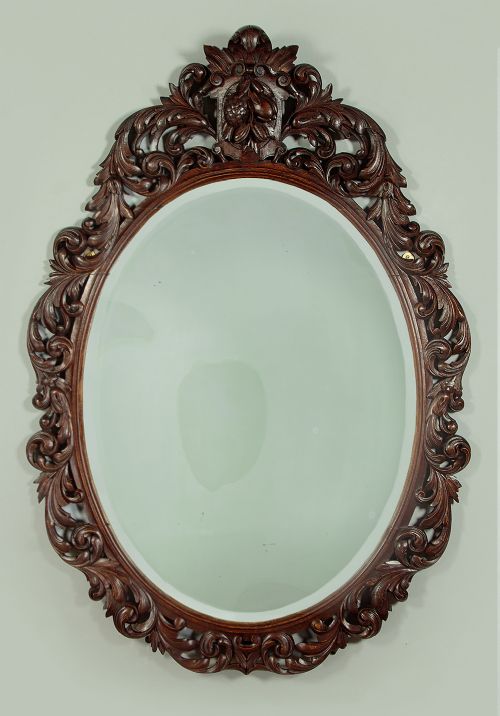
Cabinetmakers and gilders constructed these frames using timber such as oak, mahogany, walnut, and softwoods finished with gesso and gold leaf. Carving was executed by hand, yielding deep relief work on cushion frames, ripple mouldings, and ornate architectural pediments.
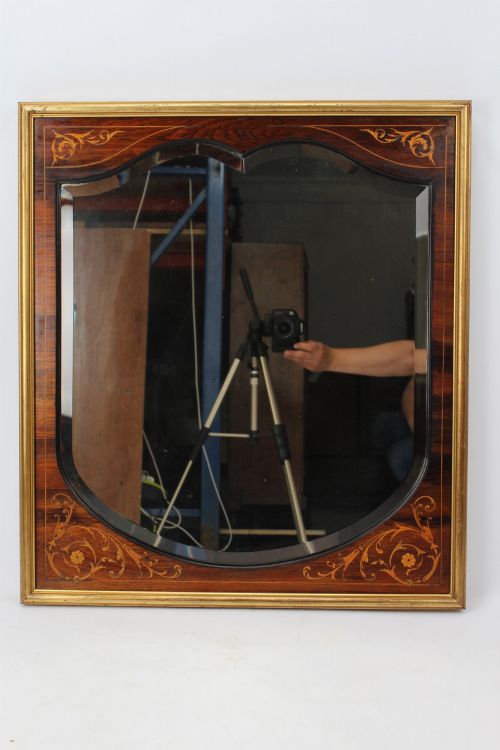
Mirror plates of the earlier periods relied on silvering techniques that created a softer, deeper reflection, whilst nineteenth-century examples frequently incorporated bevelled edges. Frames were joined using traditional methods such as mortise and tenon or mitred corners reinforced to support heavy glass plates.
The listings span from the Georgian era through Victorian and Edwardian periods up to mid-century Art Deco and 1960s designs.
What varies in quality
The distinction between ordinary and exceptional pieces lies in the crispness of the hand-carved detail and the integrity of the original construction. Superior examples retain their original gilding or polish without heavy restoration, displaying sharp moulding profiles and substantial timber depth.
The quality of the mirror plate itself establishes value, with original mercury or early silvered glass showing authentic ageing rather than modern replacement. Furthermore, the harmony between the frame proportion and the glass size indicates the skill of the original workshop.
Gillows
The Large Hallway Mirror Glossary
- Pier mirror
- A tall narrow mirror designed to hang on the wall space between windows, frequently placed above a pier table or console in a hall.
- Gilt gesso
- A plaster-like material applied to a wooden frame and carved before being covered in thin sheets of gold leaf.
- Cushion frame
- A broad, convex frame profile that swells outwards towards the outer edge, popular in seventeenth-century revival and later Victorian designs.
- Bevelled glass
- A mirror plate with edges ground and polished at an angle to catch light and create a decorative border.
- Hall stand
- A multi-functional entrance piece combining a mirror, umbrella hooks, glove box, and hat pegs within a single wooden structure.
Large Hallway Mirror: Frequently Asked Questions
How do I hang a heavy antique mirror?
Heavy antique mirrors require robust fixings secured directly into masonry or substantial wall studs to bear the considerable weight of the timber frame and glass plate.
Using a heavy-duty battens or mirror plates distributed across the frame ensures the load is shared safely without straining the historical joints.
Are antique mirror plates always original?
Many antique mirrors retain their original plates, often identifiable by light foxing, minor speckling, and a slightly wavy reflection.
Replacement plates do occur when older glass has degraded beyond use, which changes the visual crispness but keeps the period frame functional.
How do I clean an antique mirror frame?
Giltwood and carved wooden frames benefit from gentle dusting with a soft, dry brush to remove particles without disturbing delicate gold leaf or patination.
Moisture and modern chemical sprays should be avoided entirely, as they damage aged finishes and soften the underlying gesso.