

Gold Gilt French Mirror
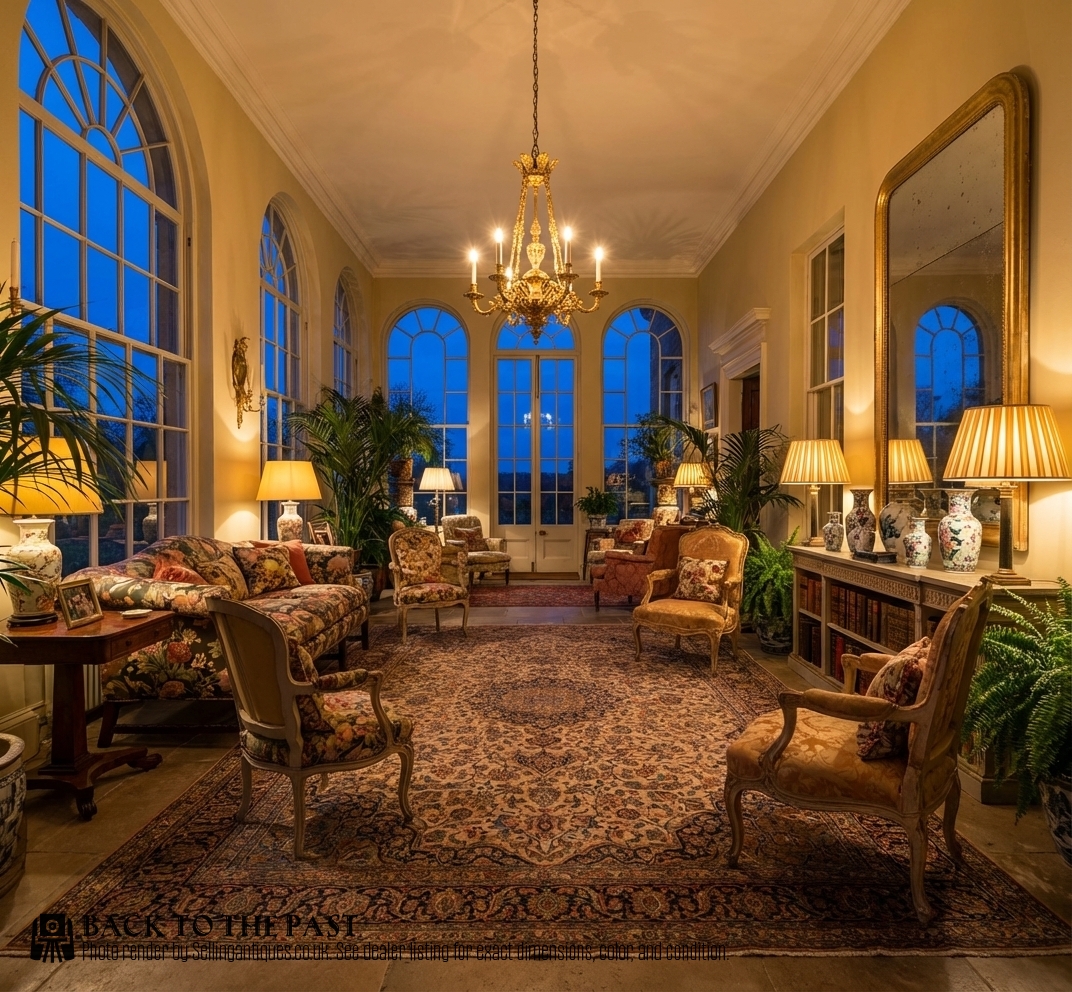
A gold gilt french mirror brings architectural presence and reflected light to a room through carved decoration and gilded surfaces.
Gold Gilt French Mirror
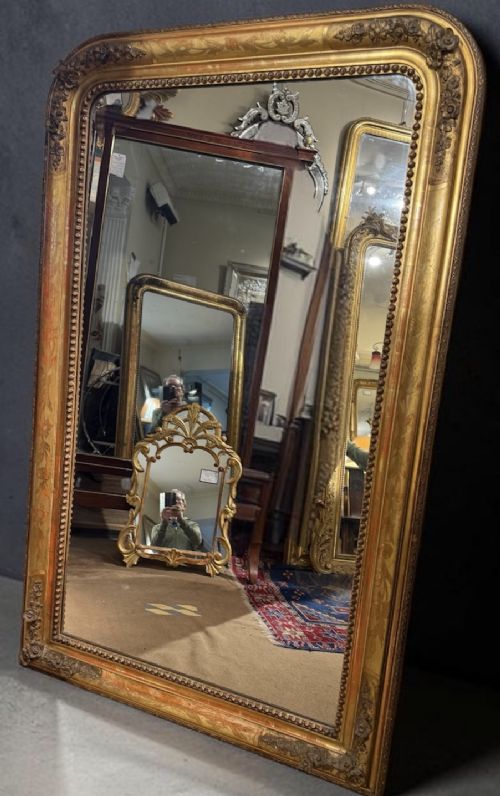
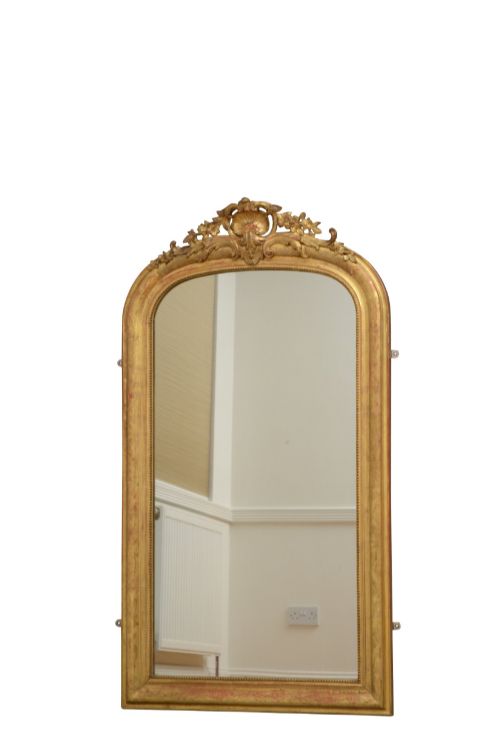
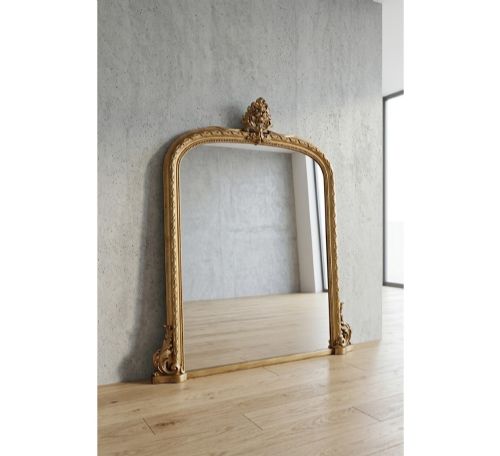
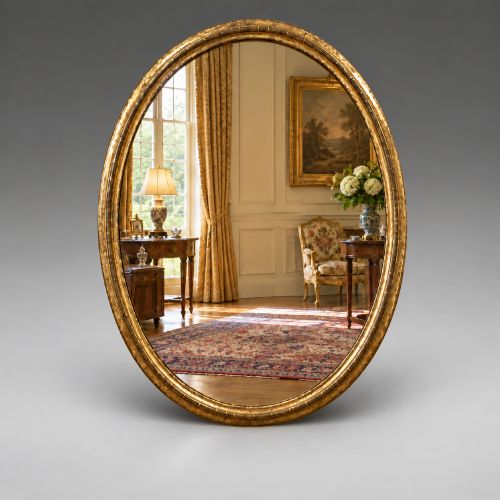
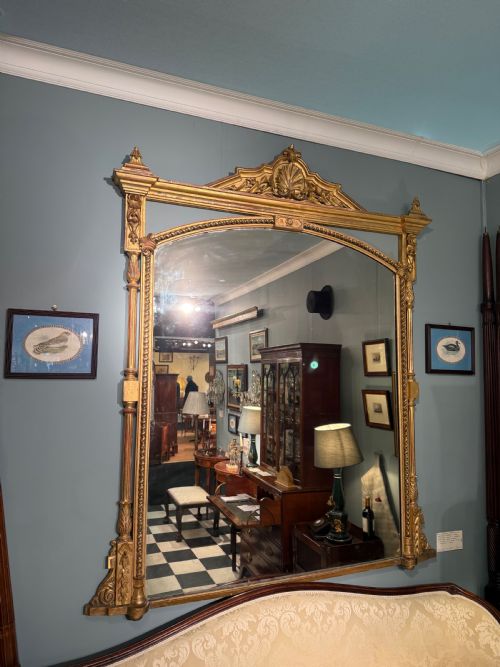
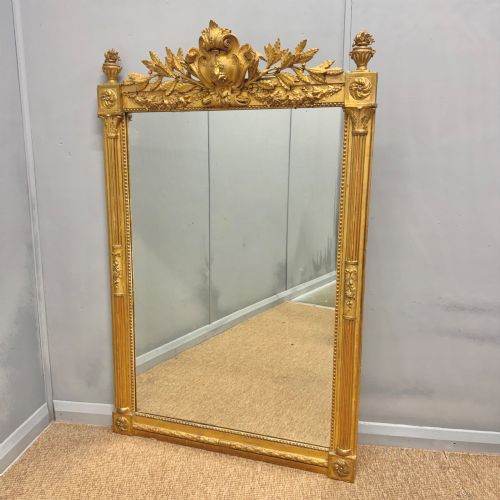
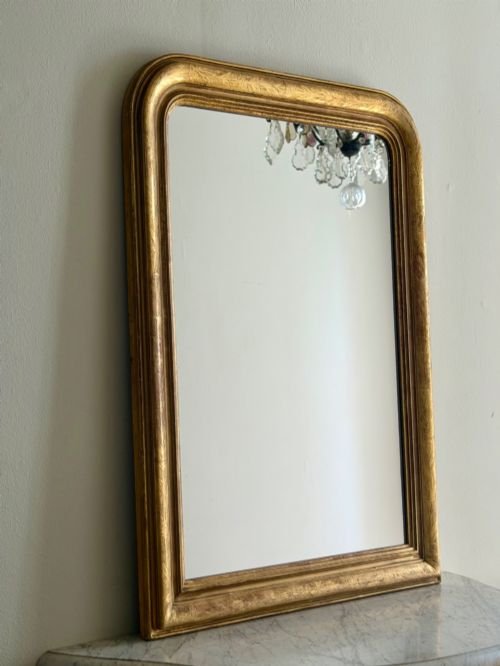
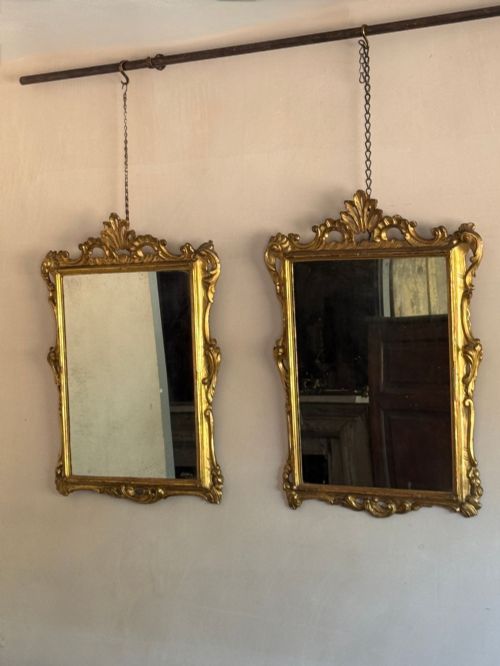
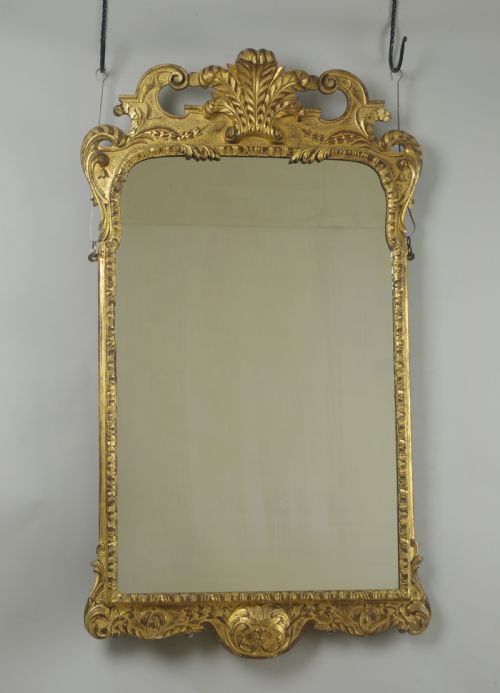
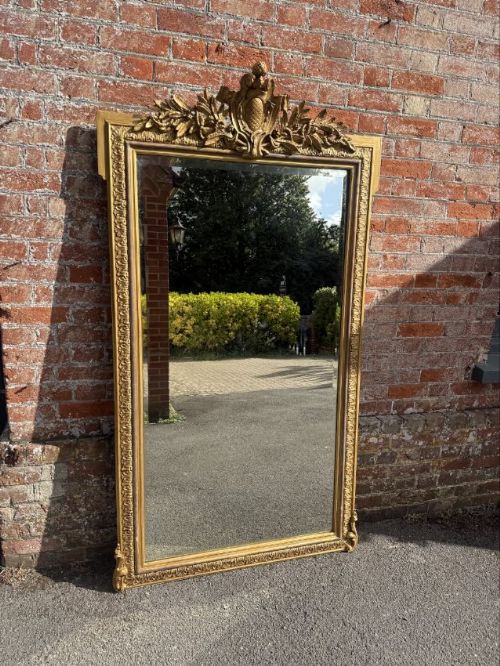
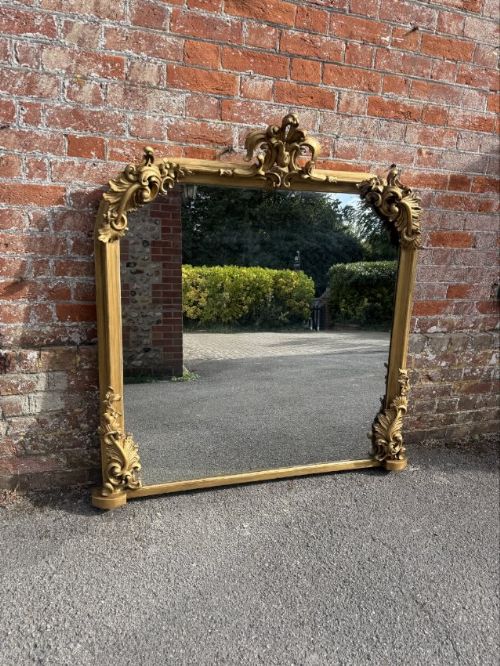
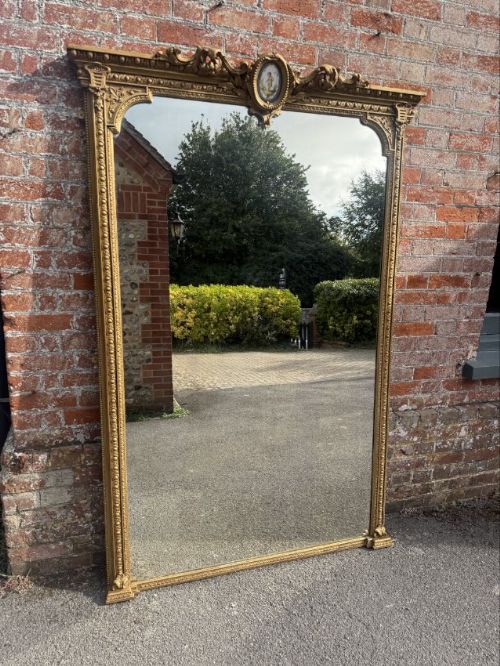
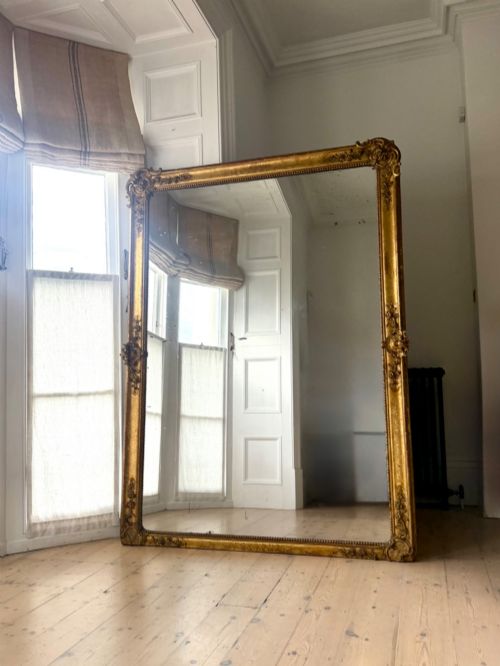
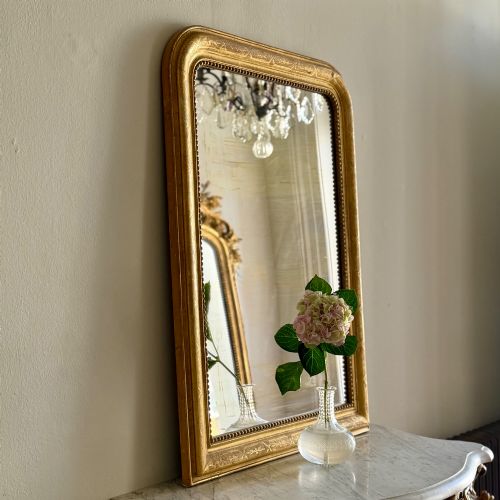
A gold gilt french mirror typically takes the form of a tall wall mirror, an overmantel mirror designed for a fireplace, or a pier mirror meant for the space between windows. These pieces emerge predominantly from nineteenth-century workshops, spanning Louis Philippe, Rococo Revival, and Napoleon III styles.
The buyer meets grand architectural leaner mirrors alongside smaller dressing table mirrors and console combinations. Makers shaped these frames with arched tops, ribbon crests, and floral carvings suited to period interiors.
Materials and Technique
Frames rely on carved wood, gesso, composition, and plaster to build up deep relief ornamentation before the application of gold leaf or gilt. Artisans shaped timber frames and applied plaster or gesso layers to receive intricate floral and scroll details.
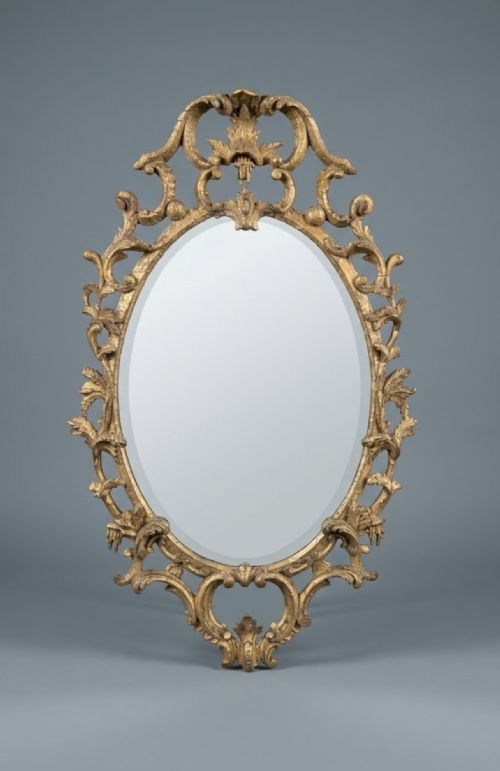
Mirror plates include antique mercury glass with characteristic foxing alongside bevelled and plain glass plates set into the gilded wooden structures.
Listings span the eighteenth century to the early twentieth century, incorporating Victorian, Rococo Revival, and Napoleon III aesthetic movements.
Assessing Quality
Quality rests in the crispness of the carved wood and gesso relief work, where deeply undercut foliage and balanced proportions distinguish finer frames from simpler moulded versions. The depth and integrity of the original gilding dictate the visual weight of the piece.
The survival of the original mirror plate, whether foxed mercury glass or early bevelled glass, adds historical weight to the object compared to modern replacements.
The Gold Gilt French Mirror Glossary
- Giltwood
- Wood that has been coated with gold leaf or metal leaf. This forms the primary structural and decorative medium for traditional frames.
- Gesso
- A plaster-like mixture applied to wood frames to create a smooth surface for carving or gilding. It allows for sharp decorative details.
- Overmantel Mirror
- A large mirror specifically proportioned to hang above a fireplace mantel. These often feature wide horizontal formats or arched tops.
- Mercury Glass
- A double-walled glass blown type silvered with a mercury amalgam between the layers. It produces a distinctive mottled reflection.
- Pier Mirror
- A tall mirror designed to hang on the narrow wall space between two windows. They frequently pair with matching console tables.
Gold Gilt French Mirror: Frequently Asked Questions
How do I hang a heavy gilt mirror?
Heavy nineteenth-century mirrors require professional wall anchoring into timber studs or masonry. Wall fixings must match the substantial weight of the wood and gesso frame.
Leaner mirrors rely on floor placement with secure top wall tethers to prevent tipping.
What is mercury glass?
Mercury glass describes silvered glass produced in the nineteenth century using a silver and mercury mixture. It creates a dark, uneven reflection known as foxing.
This ageing process distinguishes antique mirror plates from modern replacements.
How do I clean a gilt frame?
Dust giltwood frames gently with a soft, dry brush to protect the delicate gold leaf and gesso layers. Moisture and modern cleaning chemicals damage historical gilding.
Professional conservation remains necessary for damaged or flaking surfaces.