




Gold Gilded Tray
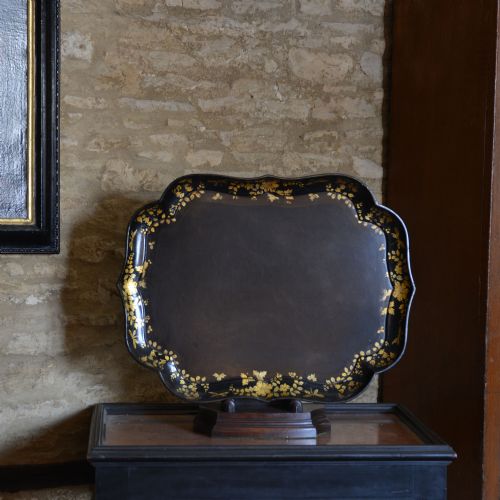
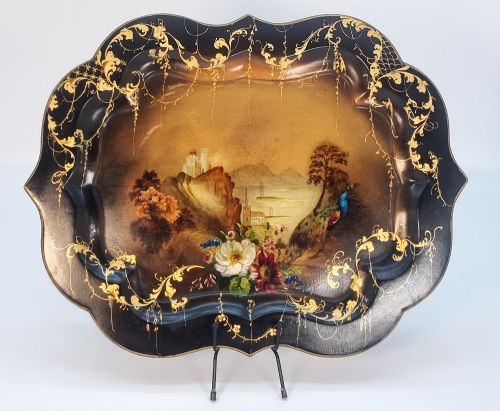
A gold gilded tray brings brilliant metallic finish and hand-painted artistry to a table, serving as both a functional dish and a decorative centrepiece.
Gold Gilded Tray
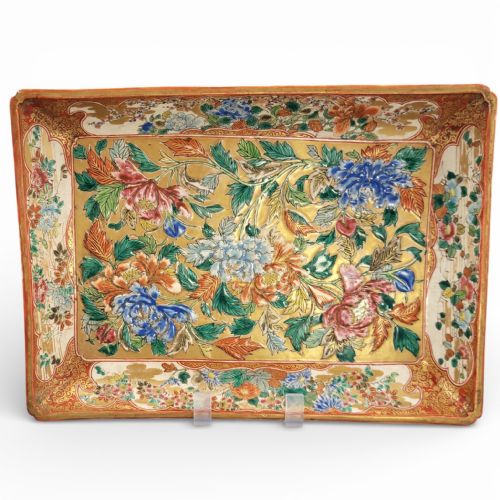
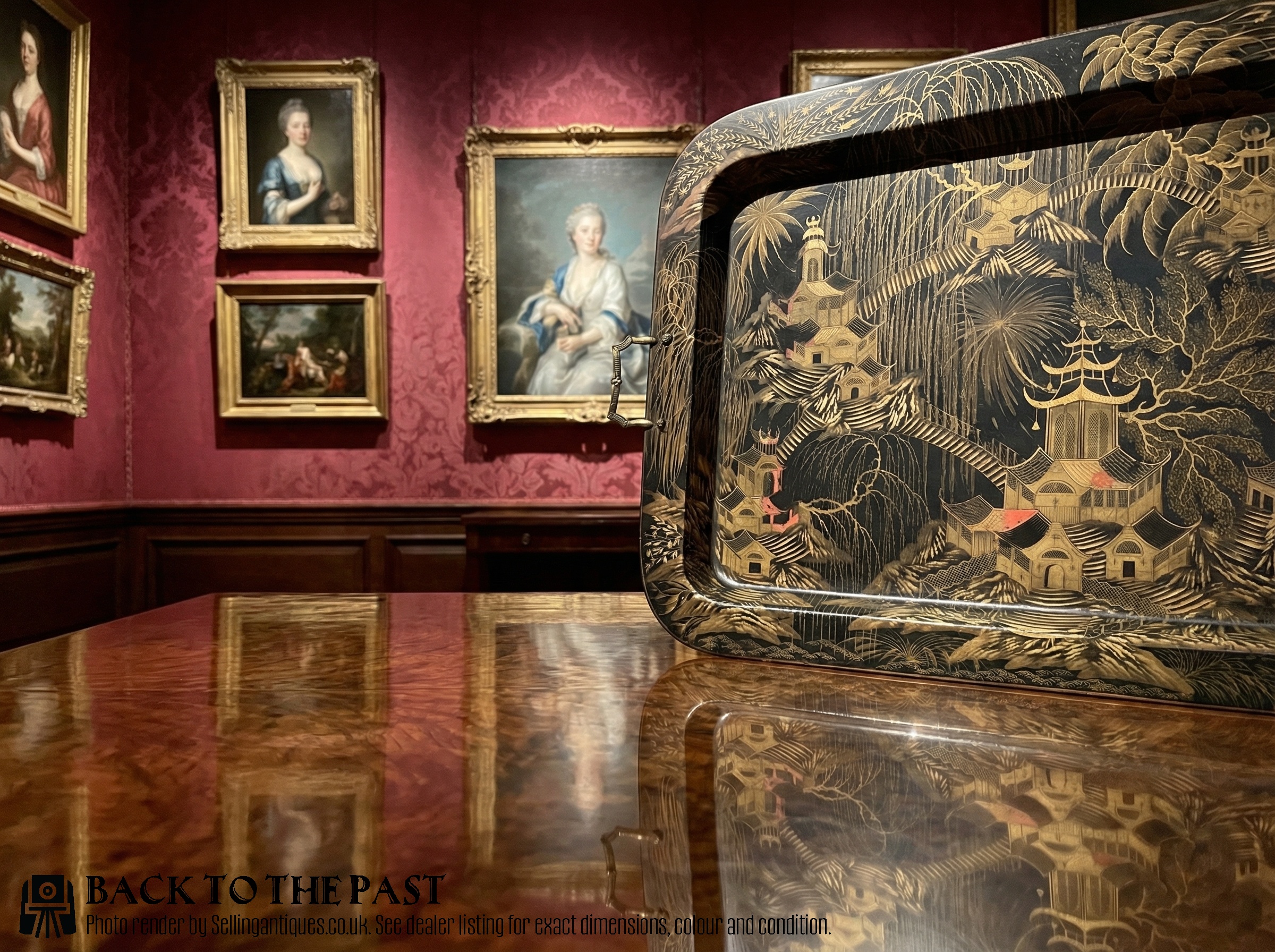
A gold gilded tray encompasses a varied group of serving dishes, decorative plates, and desk accessories created across the eighteenth, nineteenth, and early twentieth centuries. Buyers search for this phrase to find items that display metallic leaf or surface gilding upon materials such as porcelain, papier-mâché, lacquer, and bronze.
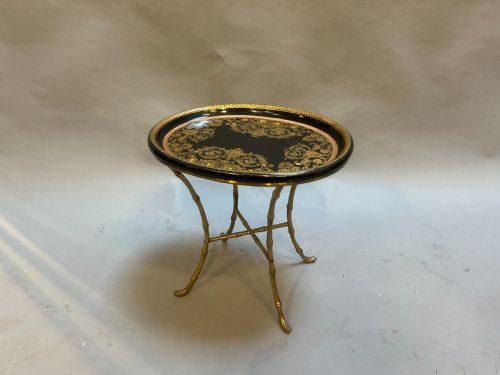
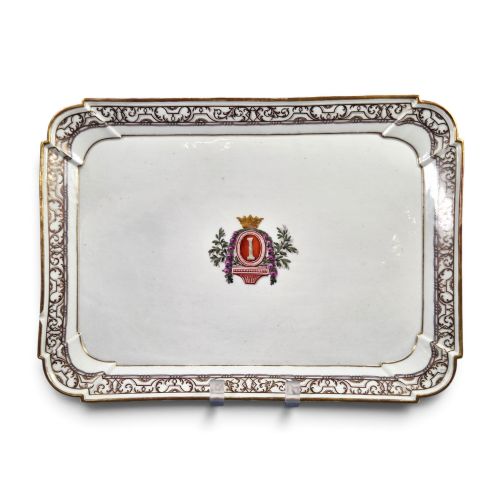
The pieces on this page lean heavily toward nineteenth-century production, particularly Regency papier-mâché examples and porcelain dishes from English and European factories. Forms range from small pen trays and cabinet dishes to large serving trays and table tops resting on stands.
How they were made
Papier-mâché pieces rely on layers of paper pulp mixed with glue and resin, pressed in moulds and cured to form a rigid blank before receiving lacquer and gold decoration. Porcelain items undergo high-temperature firing, followed by hand-painted enamel and applied gold leaf or gilding.
Metal objects such as bronze desk accessories utilise casting techniques, finished with chased details and heavy gilding or ormolu mounts. Makers applied gold leaf by hand, often burnishing specific areas to create contrast between matt and bright surfaces.
Object types range from large serving trays and occasional table tops to small desk accessories and cabinet dishes.
What varies in quality
Quality rests primarily in the execution of the hand-painted decoration and the depth of the gilding itself. Finer examples show crisp brushwork on subjects such as landscapes, florals, or mythological scenes, alongside robust ground materials that resist warping or deep crazing.
Makers known for exceptional standards, such as Jennens and Bettridge or established porcelain houses, demonstrate superior control in balancing ornamentation with the natural form of the tray or dish.
Jennens & Bettridge·Chamberlain’s Worcester·Royal Worcester·Royal Doulton·A. Marionnet
The Gold Gilded Tray Glossary
- Papier-mâché
- A composite material made from paper pulp or layers of paper bound with glue, heavily used for nineteenth-century serving trays. It provides a lightweight yet durable base for dark lacquer and gilt decoration.
- Ormolu
- Finely ground high-carat gold applied to a bronze base, commonly found on nineteenth-century mounts and decorative objects. The French term translates to ground gold.
- Cabinet dish
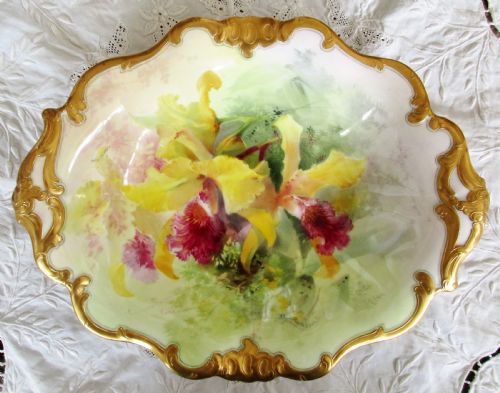
- A decorative porcelain plate intended for display in a cabinet rather than dining use. These pieces often feature detailed hand-painted botanical or figurative subjects.
- Champlevé
- An enamelling technique where troughs are dug into a metal surface and filled with vitreous enamel before firing. It frequently appears on nineteenth-century French metalwork alongside gilt mounts.
- Kakiemon
- A style of Japanese porcelain decoration characterised by asymmetric designs in iron red, blue, green, and yellow, often accented with gold. European factories frequently copied these palettes during the eighteenth century.
Gold Gilded Tray: Frequently Asked Questions
How do I clean an antique gold gilded tray?
Dust surfaces gently with a soft, dry cloth to prevent scratching fragile leaf or lacquer. Avoid liquid cleaners, moisture, and chemical polishes entirely.
Water can penetrate hairline cracks in porcelain or lift papier-mâché finishes, while abrasives quickly wear away thin layers of gold.
Can I use these trays for serving food?
Most antique trays and dishes function best as decorative items or display pieces rather than active tableware. Historic lacquers and delicate gilding react poorly to moisture, heat, and heavy use.
Porcelain cabinet dishes and painted papier-mâché trays risk surface damage from daily serving routines, though sturdy nineteenth-century examples handle light dry items safely.
How do I date a papier-mâché tray?
Examine the base material, weight, and maker stamps or signatures pressed into the underside. Nineteenth-century pieces often feature maker marks or hand-written titles associated with prominent workshops.
Early nineteenth-century examples display deep, stable lacquer finishes and hand-painted Chinoiserie or landscape scenes without modern synthetic binders.
What is the difference between gilt bronze and ormolu?
Both terms describe metal objects coated with gold, though ormolu specifically denotes the French mercury-gilding technique common on nineteenth-century decorative pieces. Gilt bronze covers a broader range of applied gold finishes on cast metal.
Ormolu displays a distinct warm, deep lustre due to the mercury process, whereas standard gilding methods vary in texture and application thickness.