

Gold Gilded Pier Glass
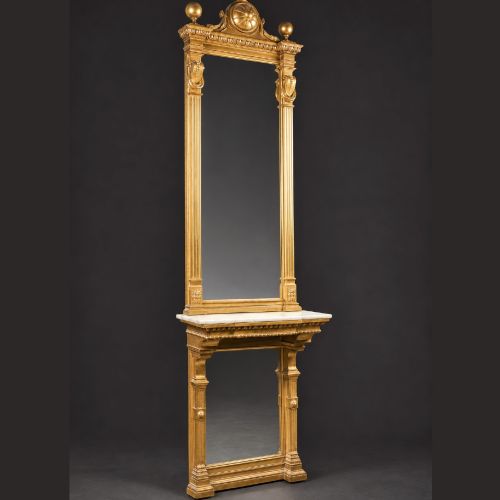
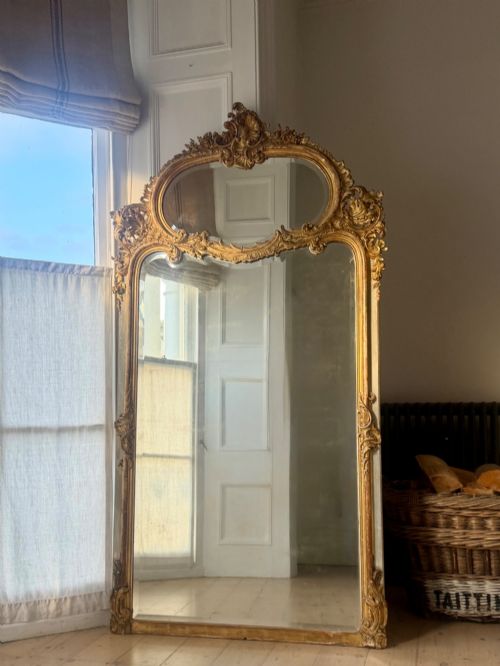
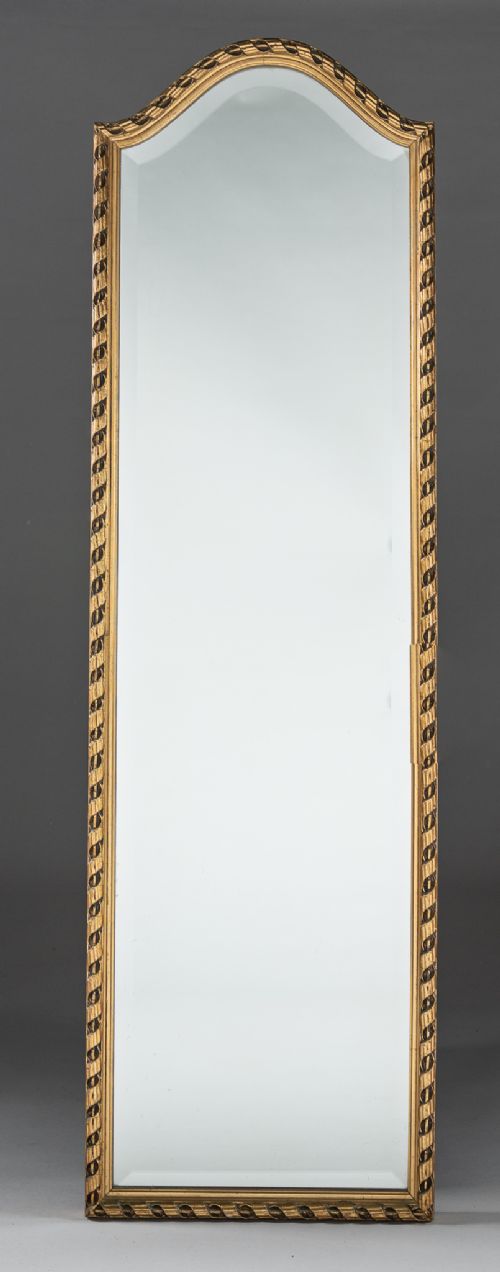
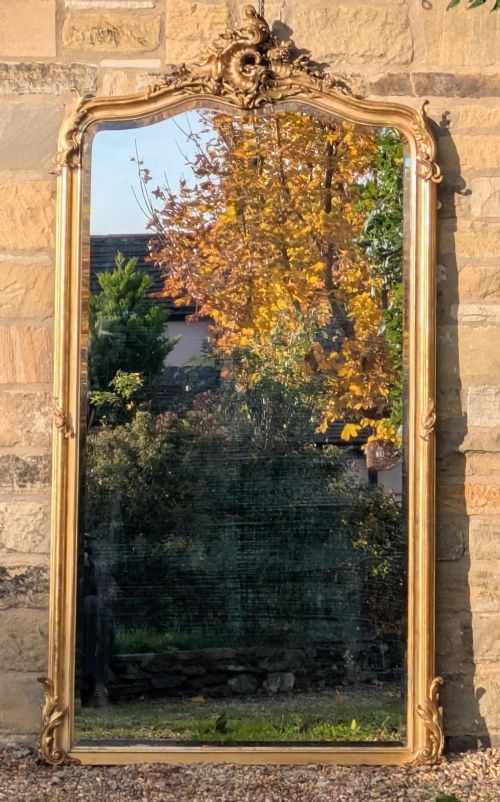
A gold gilded pier glass brings vertical presence and reflected light to a room, historically hung between tall windows.
Gold Gilded Pier Glass
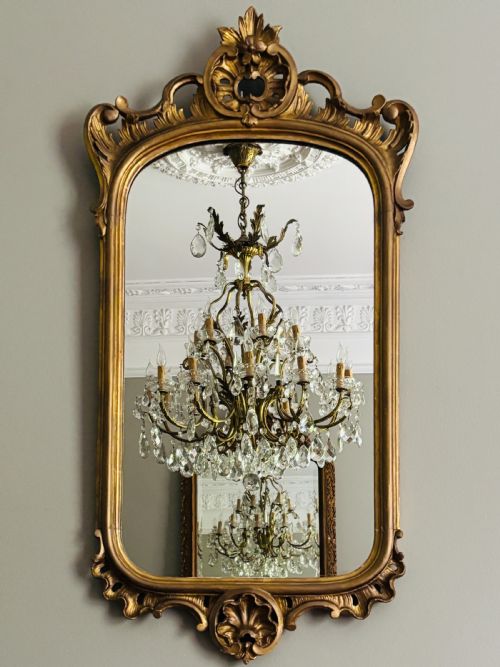
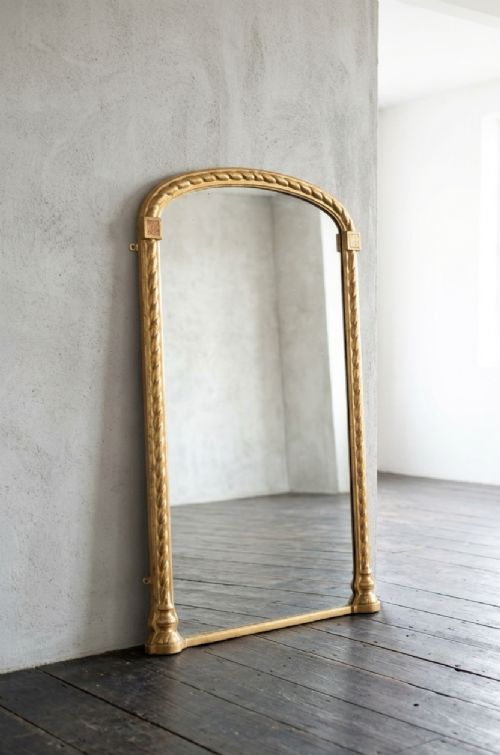
When you search for gold gilded pier glass, you encounter tall, upright mirrors designed specifically for the narrow wall space between windows. These pieces originate primarily from the eighteenth and nineteenth centuries, spanning Georgian, Regency, and various revival styles.
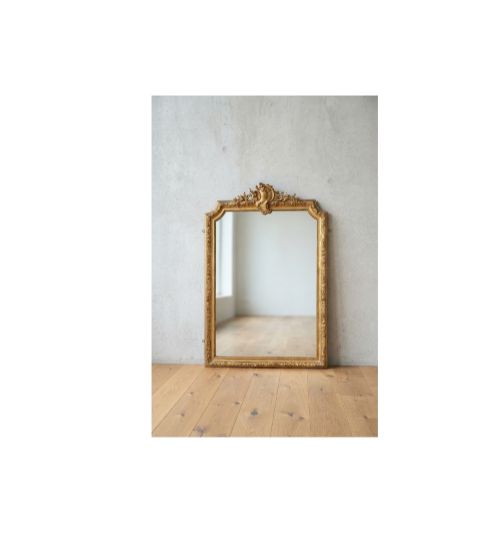
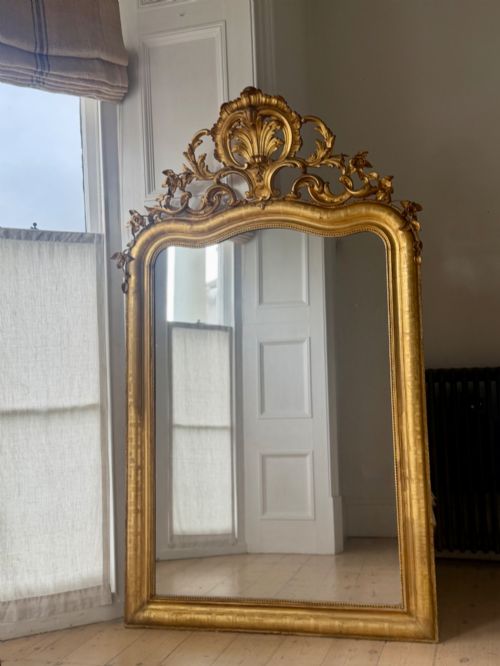
The versions most frequently met on this page date from the nineteenth century, including Regency examples alongside French Louis XV and Louis XVI interpretations. Many incorporate architectural proportions intended to anchor the vertical axis of a formal reception room.
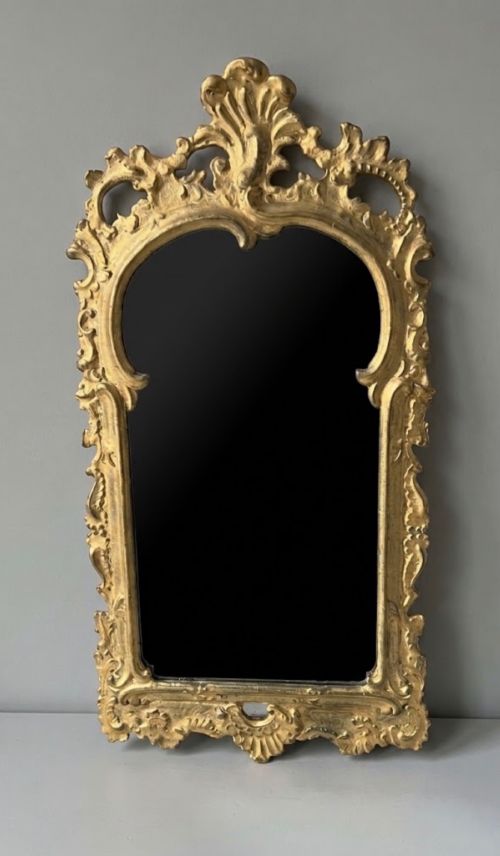
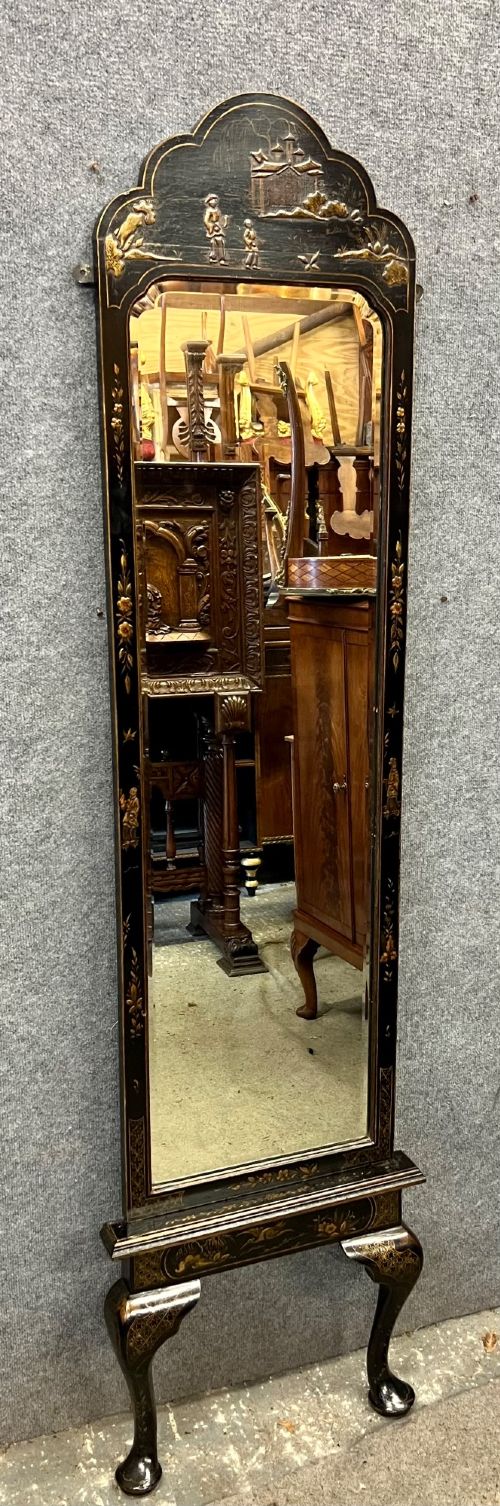
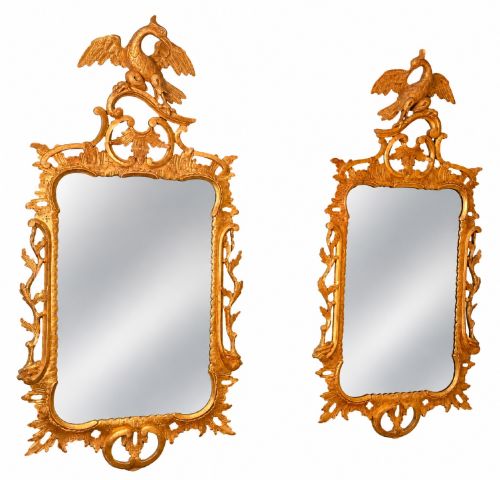
Beyond standalone wall mirrors, the selection includes console table and mirror sets, overmantle designs, and chinoiserie pieces decorated with lacquer. English and continental makers both contributed to this tradition, utilising giltwood, gesso, and composition ornamentation.
Materials and construction
Carved wood and gesso form the foundational structure for the gilded surface, providing a stable base for the application of gold leaf or paint. Artisans shaped timber frames before layering fine plaster to crisp the decorative details and moulding profiles.
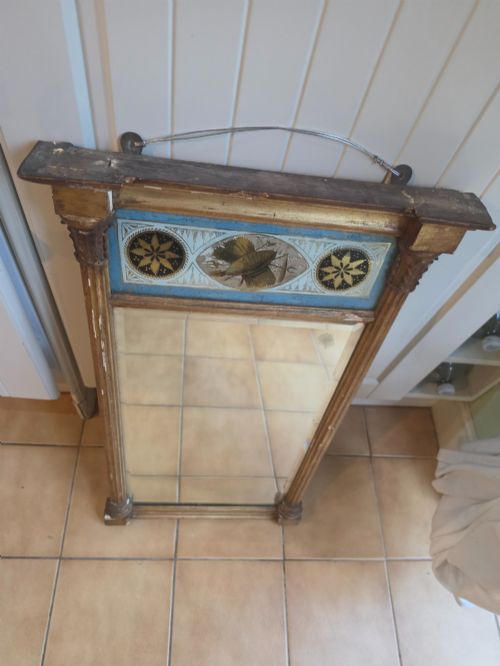
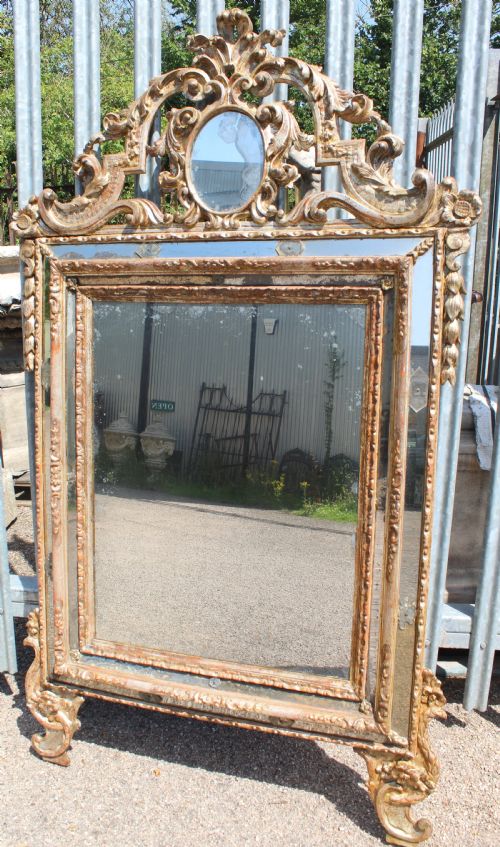
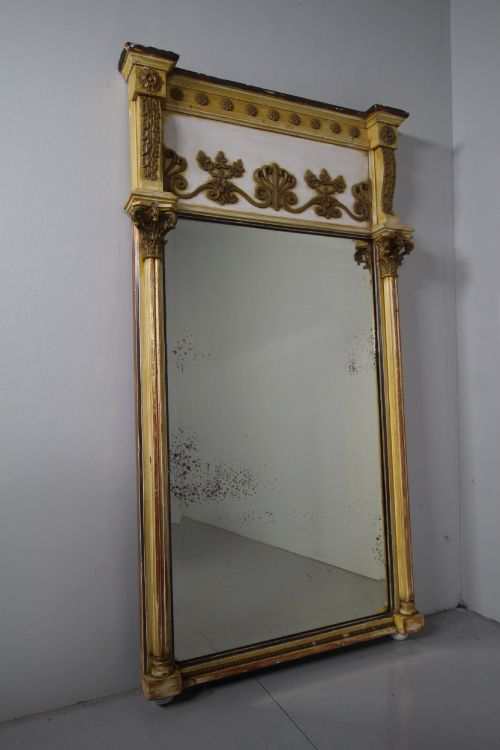
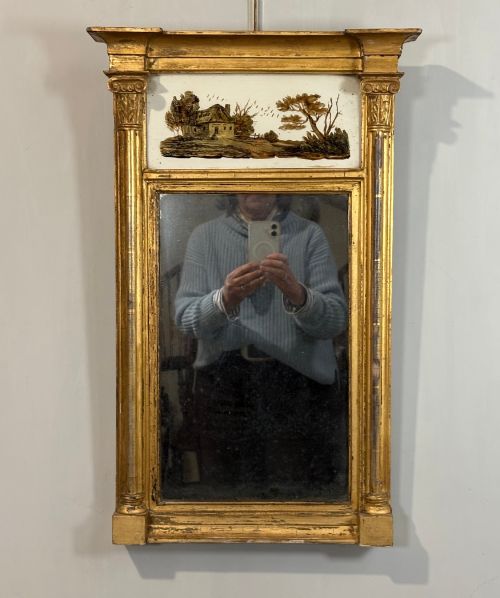
Reflecting plates utilise both traditional mercury glass with characteristic foxing and later bevelled mirror glass produced through industrial methods. Specialised panels such as verre églomisé often appear in the upper sections of Regency pier mirrors, combining reverse painting on glass with gilt decoration.
Gold Gilded Pier Glass Retail Price Guide 2026
Typical asking prices for gold gilded pier glass among the pieces listed under this phrase on Sellingantiques today, from the lower quarter to the upper quarter. They describe what is for sale here now, not the wider market.
Several mirrors include old marriage panels, built originally to commemorate unions with small proportions and domestic charm.
Assessing quality and craftsmanship
The depth and definition of the carved ornament distinguish finer examples from standard production, as skilled hand-carving yields crisper foliage and scrollwork than moulded composition alone. The integrity of the original gilding, whether gold leaf or later paint layers, influences the visual warmth of the frame.
The condition and authenticity of the mirror plate itself play a significant role, with original mercury glass and untouched backboards carrying distinct historical character. Proportions and symmetry within revival or period pieces reflect the competence of the workshop that built them.
The Gold Gilded Pier Glass Glossary
- Pier glass
- A tall mirror designed to hang on the pier, which is the section of wall situated between two windows. These mirrors often match a console table placed directly beneath them.
- Verre églomisé
- A cold decoration technique involving painting and gilding on the reverse side of glass panels. This method creates a reflective, metallic panel frequently seen in the upper frieze of Regency mirrors.
- Gesso
- A plaster mixture applied to wood frames to create a smooth surface for gilding. Skilled carvers and gilders relied on it to build up relief ornamentation.
- Mercury glass
- A type of silvered glass produced by pouring a mercury amalgam between double-walled blown glass. Older plates develop foxing spots and irregular oxidation over time.
- Trumeau mirror
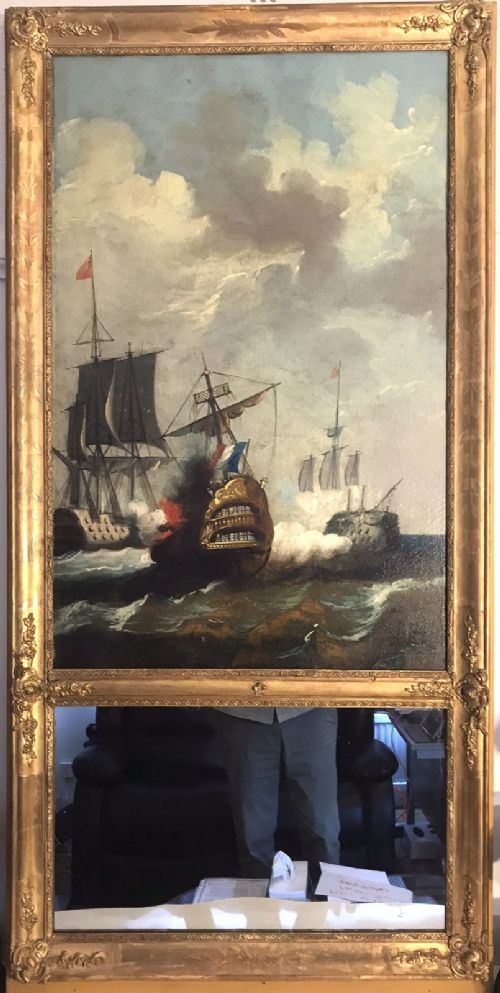
- A decorative wall mirror fitted into wood panelling or accompanied by a painted panel above the glass. French examples frequently incorporate pastoral scenes or classical motifs.
Gold Gilded Pier Glass: Frequently Asked Questions
Where should a pier glass be hung?
Historically, pier glasses hung on the narrow wall space between two windows to reflect natural light back into a room. Modern placement often places them above console tables, mantelpieces, or in hallways to create vertical emphasis.
Because of their tall proportions, they suit rooms with high ceilings where standard horizontal mirrors might look lost against expansive wall spaces.
What is the difference between gesso and carved wood?
Carved wood forms the structural core and primary relief of the frame, shaped directly from timber by a craftsman. Gesso is the plaster layer applied over the wood to sharpen fine details and provide a smooth ground for gilding.
Finer antique pieces rely heavily on deep wood carving complemented by crisp gesso work, whereas simpler or later items may use moulded composition ornaments.
How do you identify mercury glass?
Mercury glass plates often display characteristic dark spots, mottling, and foxing where the backing has aged over the centuries. They produce a slightly softer, warmer reflection compared to modern silvered mirrors.
This ageing process is a natural result of time and materials rather than a defect, adding depth to eighteenth and nineteenth-century pieces.
What defines Regency style mirrors?
Regency mirrors date from the early nineteenth century and frequently incorporate classical motifs such as reeded columns, ball-stud frames, and eagle crests. They often feature verre églomisé panels above the main glass plate.
The aesthetic draws heavily on Greek, Roman, and Egyptian influences, resulting in balanced, architectural designs.