
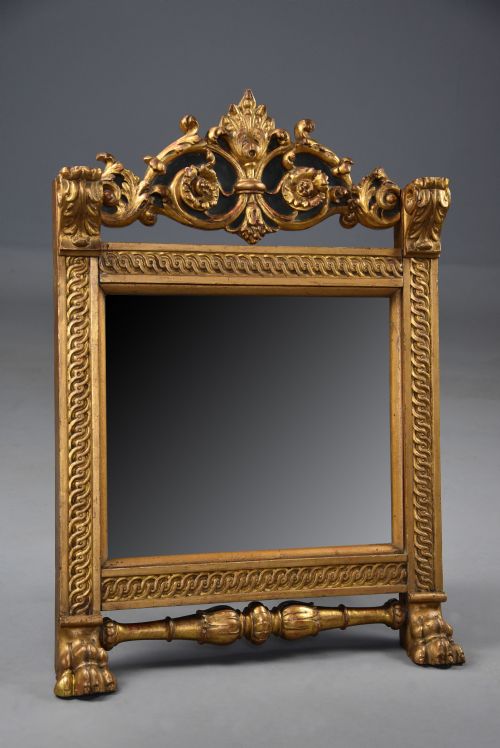


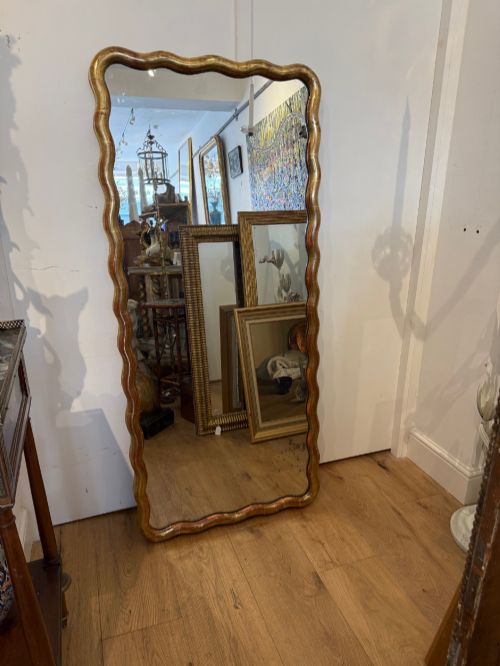
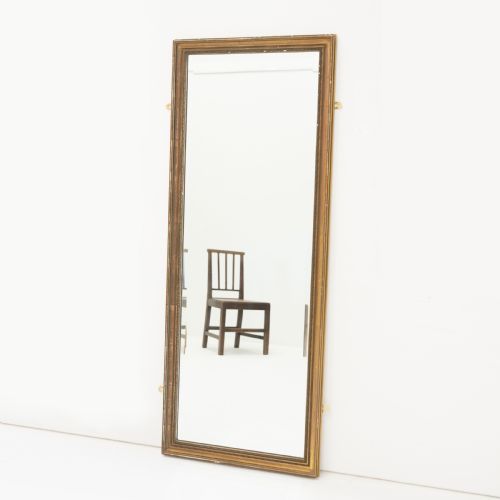

Giltwood Dressing Mirror
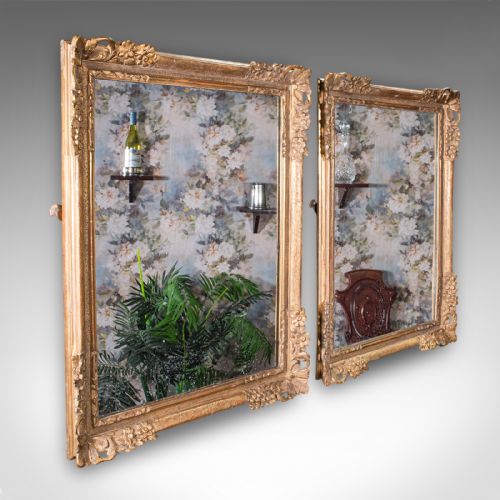
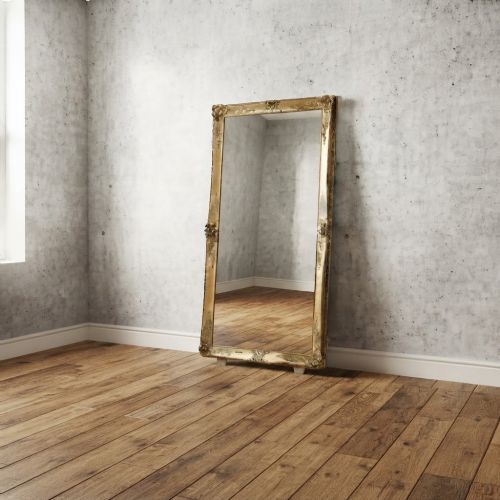
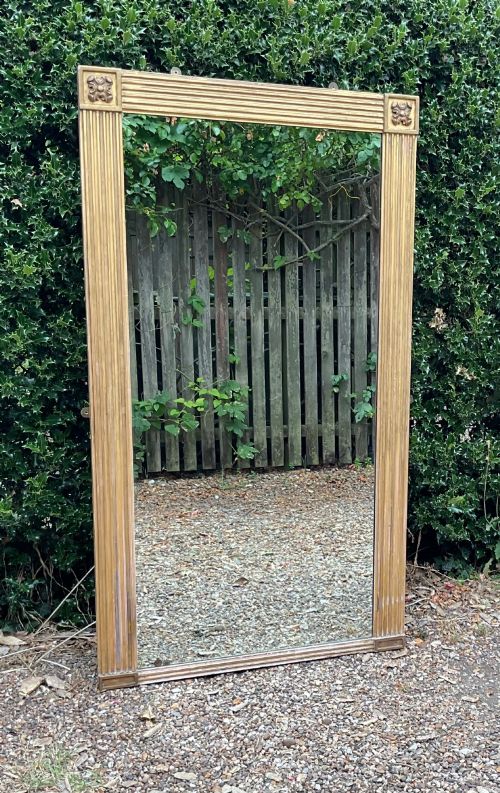
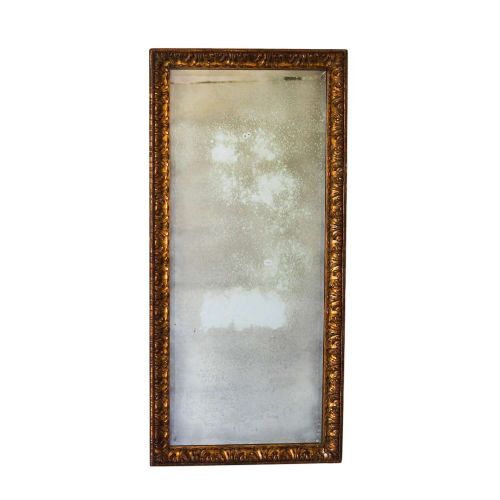
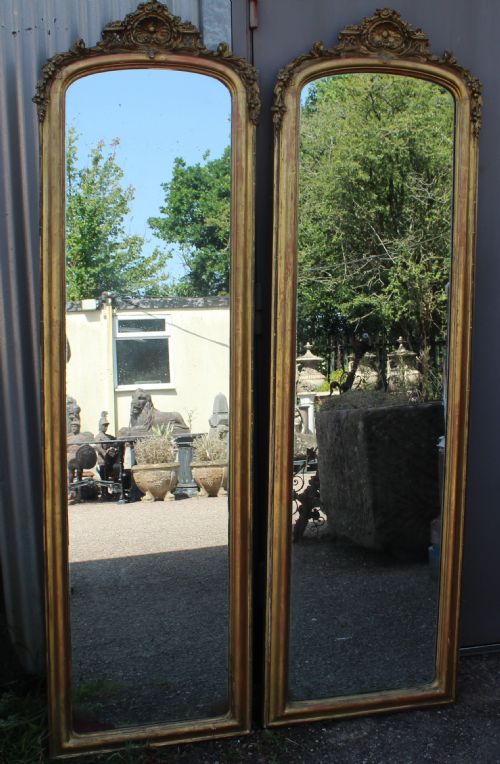
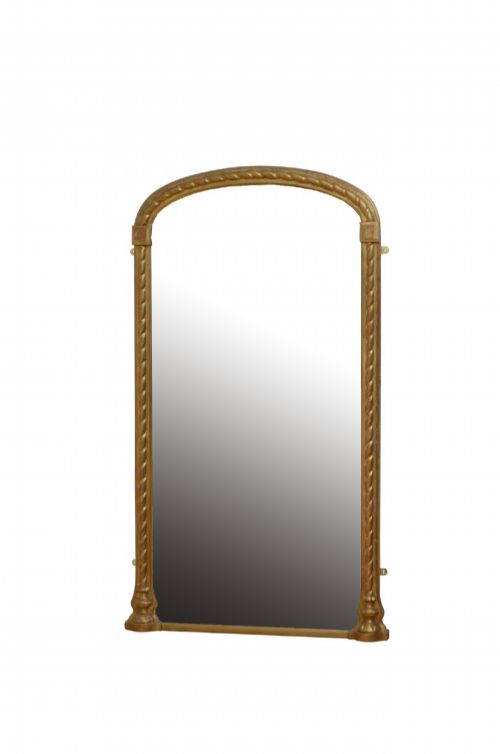
A giltwood dressing mirror brings warmth and reflecting light to a room, cast in carved gold leaf over wood or gesso.
Giltwood Dressing Mirror
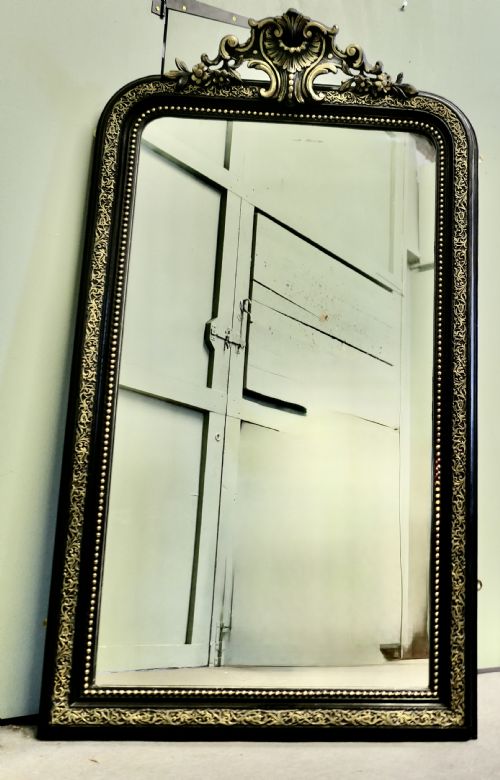
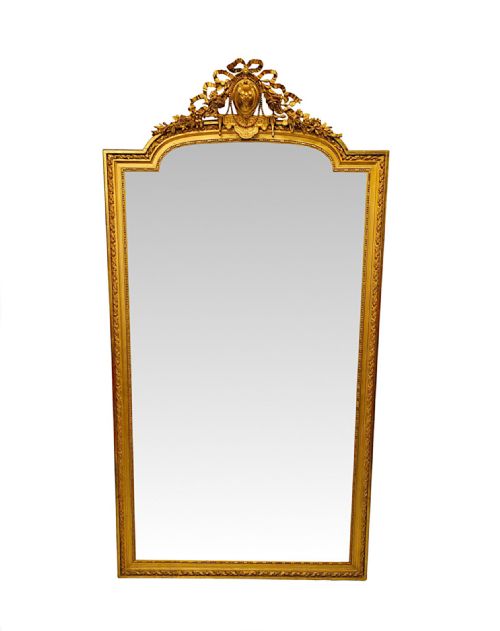
When you search for a giltwood dressing mirror, you look at items designed for vanity tables, chests of drawers, or floor placement, spanning forms from small toilet mirrors to large cheval and leaner glasses. The pieces meeting you here include 18th century examples alongside 19th century items in Regency, Victorian, and French styles.
You will encounter table mirrors with easel stands, folding triple plates, and tall pier or leaner mirrors intended to stand upon the floor. These objects combine functional glass with decorative frames shaped for bedrooms and dressing rooms.
The origins stretch across English workshops and continental centres, notably French and Italian makers creating ornate arched, oval, and rectangular designs.
How they were made
Makers shaped frames from woods such as mahogany, ebonised wood, or carved timber bases, applying layers of gesso to build up decorative moulding and deep relief carving.
Surfaces received gold leaf or composition ornament, burnished to achieve a rich metallic sheen, while glass plates were fitted into the rabbet, often featuring bevelled edges.
Backings typically utilise timber panels held with old fixings, supporting mirrors designed for tabletop pivoting or wall mounting.
Some folding dressing mirrors managed to catch your profile from three angles at once, ensuring no stray hat feather went unnoticed.
What varies in quality
The depth and crispness of the carved detail set the standard, distinguishing hand-carved wooden ornament and fine gesso work from simpler moulded composition decoration.
Originality defines the upper tier, where the gilding, the backboards, and the mirrored glass plate remain together without later overpainting or replacement.
Proportion and scale play a role, as taller or rarer forms like cheval frames and triple-folding dressing mirrors demand greater structural joinery to support moving parts.
The Giltwood Dressing Mirror Glossary
- Giltwood
- Timber coated with gold leaf over a prepared base. This surface method creates the characteristic metallic glow seen on antique frames.
- Gesso
- A plaster mixture applied to wood frames before gilding. It provides a smooth ground that carvers can shape into intricate relief patterns.
- Cheval mirror
- A full-length looking glass hung in a frame with vertical pivots. This allows the plate to tilt back and forth.
- Pier glass
- A tall mirror designed to hang on the wall between windows. These pieces often sat above low console tables or dressing stands.
- Composition
- A moulded mixture of whiting, resin, and oil pressed into ornament. It offered a faster alternative to hand carving on Victorian and later frames.
Giltwood Dressing Mirror: Frequently Asked Questions
How do I date a giltwood dressing mirror?
Dating relies on the construction of the frame, the backing timber, and the style of the carving. Regency and Georgian pieces show different moulding profiles compared to later Victorian or Edwardian examples.
Examining the glass plate also helps, as hand-bevelled edges and old silvering differ from modern float glass replacements.
Where should I place a dressing mirror?
These mirrors suit dressing tables, chest tops, or bedroom walls where they reflect natural light and assist with grooming. Floor-standing cheval or leaner versions work well in larger dressing rooms or hallways.
Ensure the hanging brackets or pivot stands securely support the weight of the timber and glass.
Are folding dressing mirrors authentic?
Folding triple mirrors appear in late 19th and early 20th century periods, such as the Edwardian era. Hinge types and joint construction indicate the period of manufacture.
Original hardware should move smoothly without modern replacement screws or altered side wings.
What is the difference between a pier mirror and a dressing mirror?
Pier mirrors were originally built to hang on the narrow wall space between windows, often featuring tall proportions. Dressing mirrors were made for use on tables or as freestanding cheval pieces in bedrooms.
Over time, terms overlap in historical listings because tall frames served multiple domestic functions.