


Traditional Arched Wall Mirror
A traditional arched wall mirror brings architectural weight and reflected light to a room, drawing the eye upward with its curved top.
Traditional Arched Wall Mirror
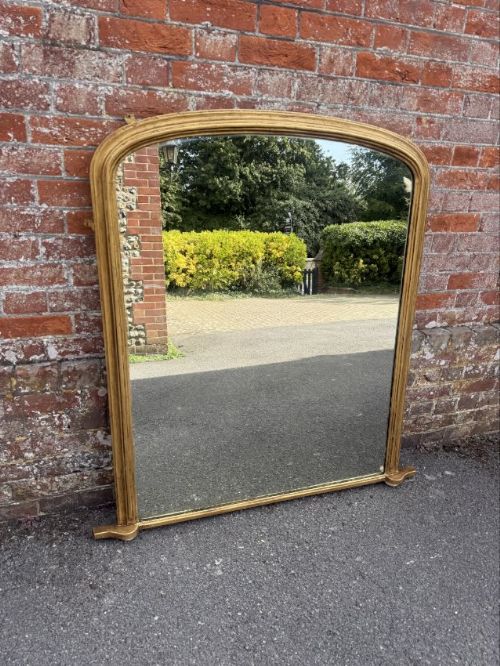
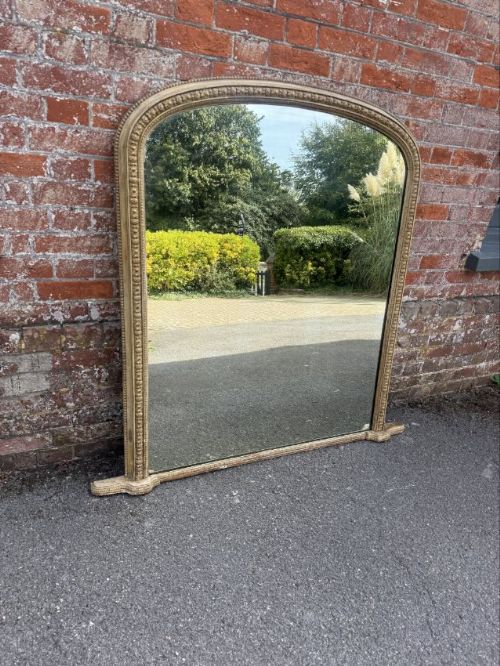
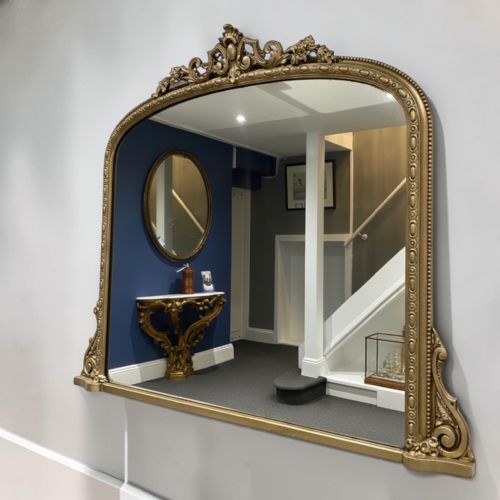
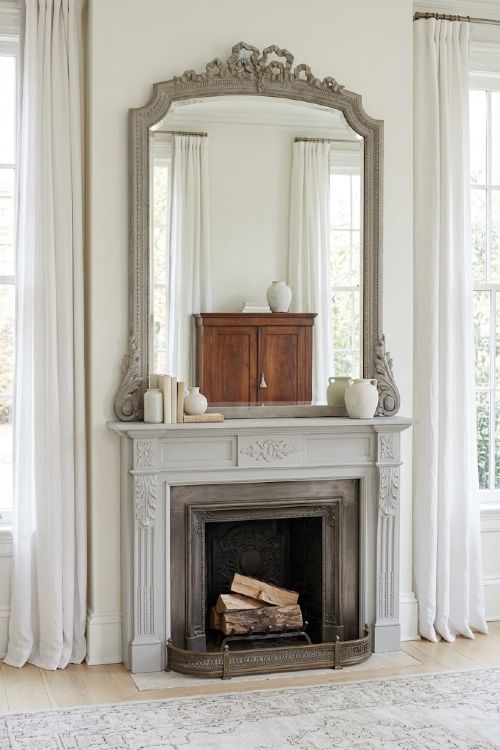
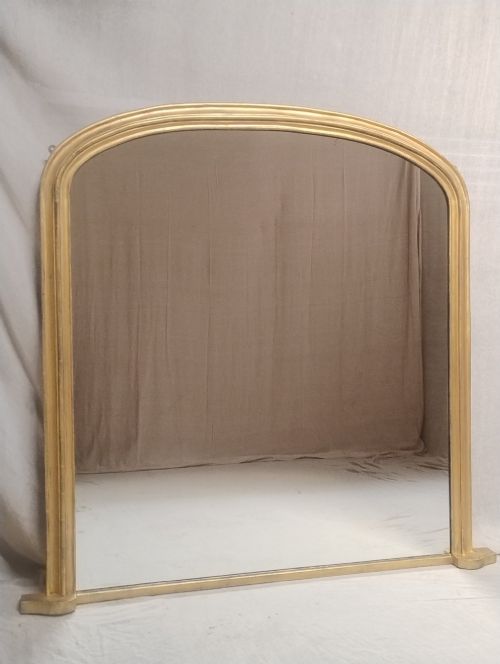
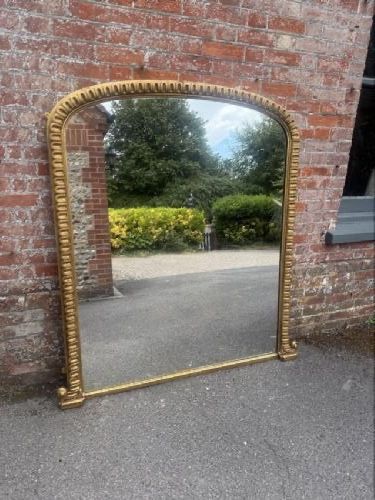
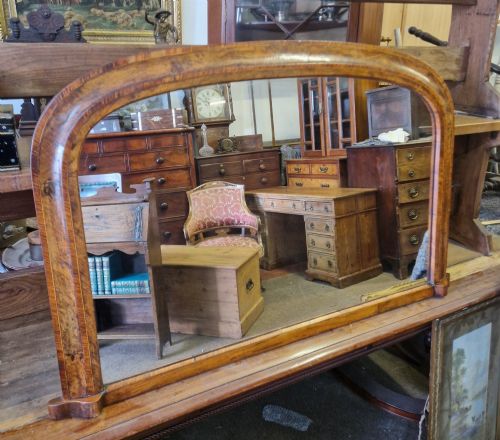
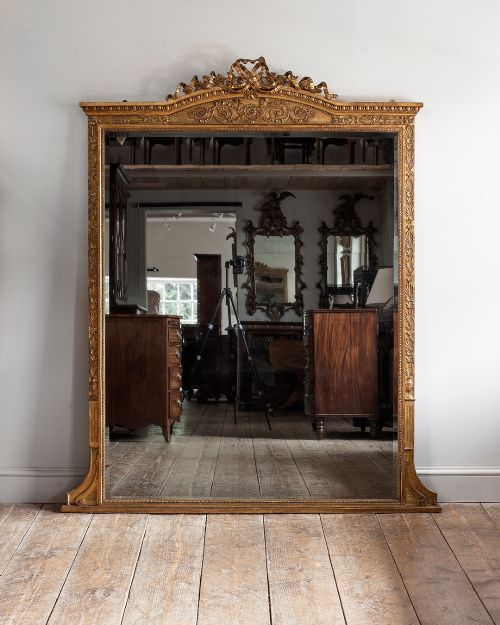
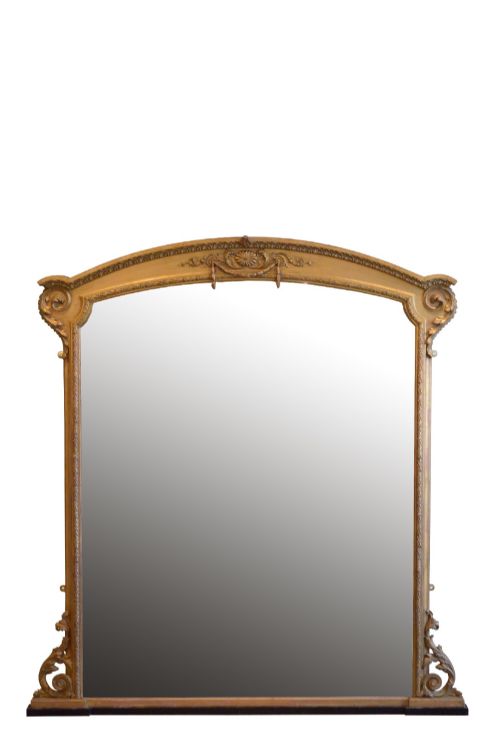
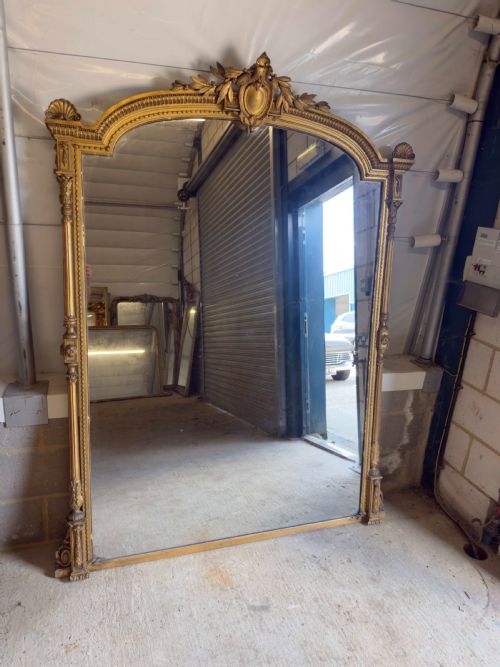
A traditional arched wall mirror functions primarily as a grand overmantle mirror designed to sit above a fireplace, originating predominantly from the nineteenth century. These pieces combine substantial scale with characteristic curved upper frames, making them central decorative fixtures in period interiors.
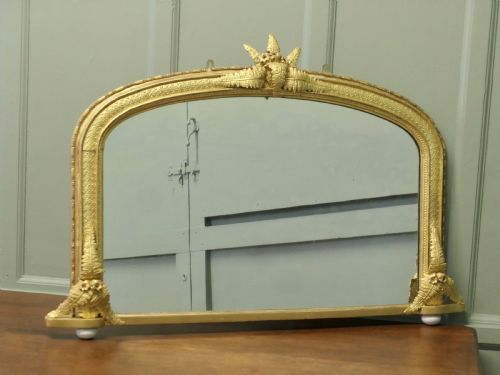
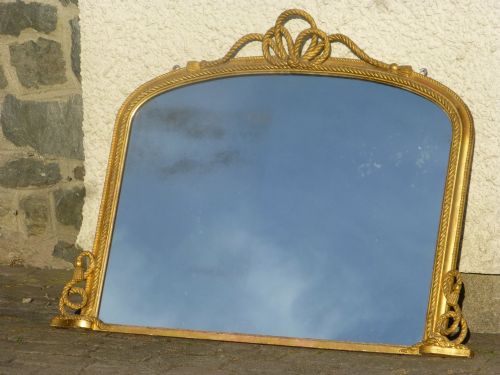
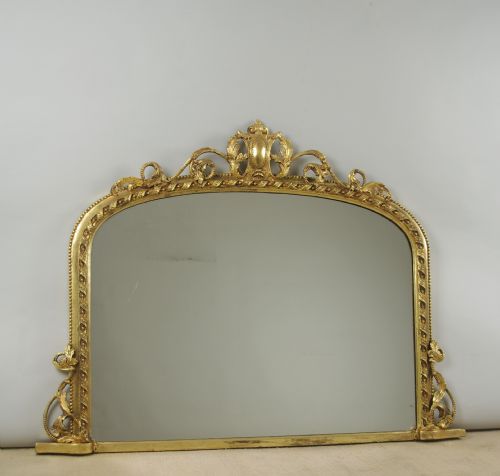
The versions most frequently met on this page include Victorian giltwood and gesso overmantel mirrors alongside French provincial and Rococo revival examples. Makers from these periods constructed large format looking glasses intended to amplify daylight and visually expand reception rooms.
How they were made
Craftsmen built the structural carcass using timber such as oak, walnut, or pine, applying layers of gesso to the wood to form intricate relief decoration. Carved mouldings and applied ornaments received coats of gold leaf, paint, or parcel-gilt to achieve a luminous metallic finish.
Mirrors utilised heavy sheet glass secured within rebated frames, often retaining original silvering that shows age through subtle foxing and oxidation. Joinery relied on traditional pegged and halving joints designed to support the immense weight of tall vertical glass plates.
What varies in quality
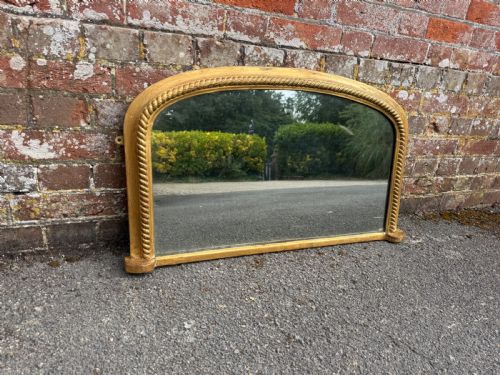
Depth and crispness of hand-carved detail distinguish superior frames from simpler moulded compositions, particularly where gesso foliage and rope twist motifs meet the arched apex. The integrity of the original gilding and the weight of the underlying timber carcass dictate the overall substance of the piece.
The preservation of the original mirror glass plate contributes significantly to character, with untouched silvering holding greater integrity than later replacements. Structural stability within the frame joints determines how well these large hanging overmantels withstand decades of wall mounting.
The Traditional Arched Wall Mirror Glossary
- Overmantel mirror
- A large horizontal or vertical looking glass specifically proportioned to hang on the wall directly above a fireplace mantelpiece. These fixtures often dominated Victorian and Regency reception rooms.
- Gesso
- A plaster-like mixture applied to wooden frame foundations and left to set before being carved, moulded, or gilded. It provides the smooth white base required for intricate relief ornamentation.
- Giltwood
- Timber that has been coated with a very thin layer of gold leaf or metallic powder applied over a prepared ground. This technique creates a rich reflective surface characteristic of formal period mirrors.
- Rope twist
- A carved decorative moulding resembling the spiralling strands of a twisted rope, frequently seen running along the inner or outer borders of nineteenth-century frames.
Traditional Arched Wall Mirror: Frequently Asked Questions
How do I hang a heavy overmantel mirror?
These substantial pieces require secure wall fixings anchored directly into masonry or structural timber studs rather than standard plasterboard plugs.
Professional mirror fixings or heavy-duty strap brackets distributed evenly across the wooden frame ensure the weight is supported safely.
Were these mirrors always meant for fireplaces?
While the majority originated as overmantels designed to sit above chimney breasts, makers also produced tall pier mirrors for spaces between windows.
The arched top configuration specifically complimented architectural chimney arches and high Victorian ceiling heights.
How do I clean antique mirror glass?
Gentle dusting with a soft dry cloth removes surface particles without risking fragile edges or nineteenth-century silvering.
Moisture should be kept away from the margins where glass meets gesso to prevent water penetration and further oxidation.
How can I tell a Victorian mirror from later styles?
Victorian examples frequently utilise heavy timber frames covered in moulded gesso with deep gold leaf application and original thick glass plates.
Later twentieth-century alternatives often show lighter construction methods and simpler painted finishes without period foxing.